Modern Hanbok in 2026 Media: Red Carpet Trends & Styling Guide
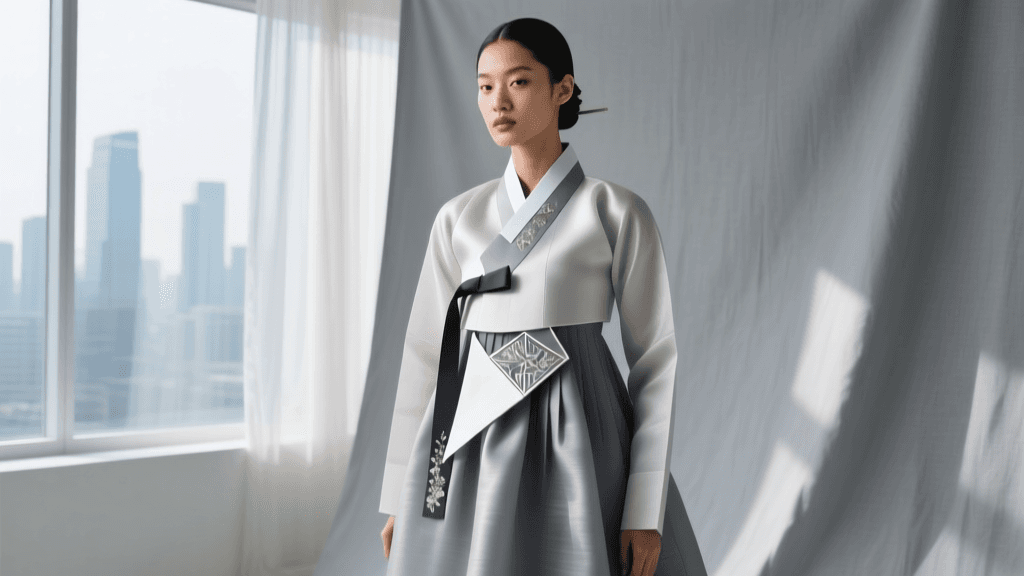
As we navigate the 2026 global fashion calendar, one silhouette continues to command the attention of top-tier editorial photographers, red carpet critics, and haute couture houses: the modern Hanbok. Once primarily reserved for traditional Korean holidays and ceremonial milestones, the Hanbok has unequivocally transcended its historical boundaries. Today, it stands as a pillar of avant-garde global fashion, frequently gracing the covers of international editions of Vogue, Harper's Bazaar, and Elle. For fashion enthusiasts, cultural historians, and global tastemakers, understanding how to source, style, and appreciate the contemporary Hanbok is no longer a niche interest—it is a necessity for anyone engaged with high fashion in 2026.
The 2026 Editorial Shift: Hanbok on Global Runways and Red Carpets
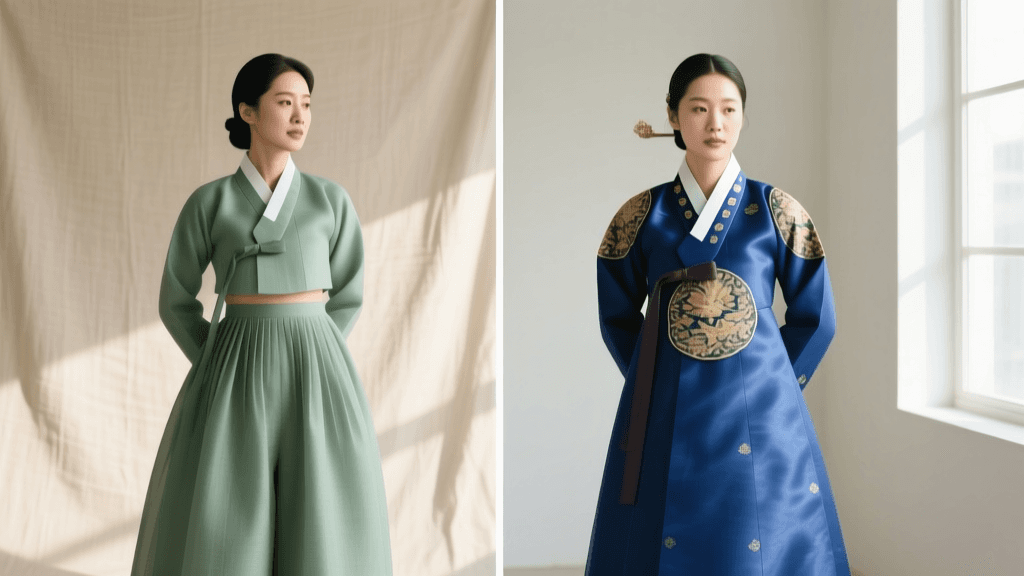
The integration of traditional Asian garments into Western-dominated fashion media has historically been fraught with superficial exoticism. However, the 2026 landscape marks a definitive shift toward structural appreciation and cultural collaboration. Global fashion media is no longer just using the Hanbok as a colorful backdrop; editors and creative directors are deeply analyzing its architectural brilliance. The fundamental structure of the Hanbok, characterized by the voluminous chima (skirt) and the cropped, structured jeogori (jacket), offers a masterclass in proportion and negative space. According to historical archives preserved by The Metropolitan Museum of Art, the traditional silhouette was designed to obscure the body's natural lines in favor of a flowing, bell-like geometry. In 2026, global designers are manipulating this very geometry, utilizing stiff organzas, bio-engineered silks, and structural boning to create red-carpet-ready pieces that rival the dramatic volume of European haute couture.
This globalization effort has been heavily supported by institutional frameworks. The Hanbok Advancement Center, backed by the South Korean Ministry of Culture, Sports and Tourism, has spent the last few years facilitating partnerships between traditional Korean artisans and global luxury conglomerates. The result is a 2026 market where heritage techniques, such as saekdong (color-striped patchwork) and intricate gold-leaf stamping (geumbak), are being applied to modern, editorial-friendly cuts that move seamlessly from a Seoul atelier to the Cannes Film Festival red carpet.
Deconstructing the 2026 Media-Favorite Modern Hanbok Silhouettes
To replicate the looks seen in 2026's most celebrated fashion editorials, one must understand the deviations from the traditional form. Global stylists are currently favoring a hybrid approach that respects the garment's origins while adapting it for the rigorous demands of modern black-tie events and high-definition photography.
| Garment Element | Traditional Ceremonial Hanbok | 2026 Editorial Haute Hanbok |
|---|---|---|
| Jeogori (Jacket) | Loose fit, covers the bust, tied with a long goreum (ribbon). | Cropped to the ribcage or corseted, featuring architectural shoulders and minimalist metallic closures. |
| Chima (Skirt) | High-waisted, A-line or bell-shaped, worn with multiple under-petticoats. | Asymmetrical hemlines, slit-front draping, and structured bustle elements utilizing stiff silk organza. |
| Textiles | Heavy silk, ramie (mosi), and cotton, heavily embroidered. | Recycled taffeta, liquid bio-silk, laser-cut neoprene, and sheer, multi-layered tulle. |
| Styling & Layering | Worn with traditional undergarments (sokgot) and outer coats (durumagi). | Layered over sheer turtlenecks, paired with tailored tuxedo blazers, or belted with leather harnesses. |
Fabric Innovations: What the 2026 Runways Are Demanding
A major talking point in 2026 fashion media is sustainability and textile innovation. While traditional myeongju (silk) remains a luxury staple, top Seoul-based designers featured in global publications are pioneering the use of eco-conscious fabrics. Ramie, a traditional Korean summer fabric known for its crisp, linen-like texture, is now being treated with natural, eco-friendly waterproofing agents, making it a highly practical choice for outdoor red carpets and unpredictable European spring festivals. Furthermore, the use of upcycled silk organza allows designers to achieve the massive, cloud-like volumes required for editorial spreads without the heavy carbon footprint associated with newly woven synthetic taffetas.
Sourcing Editorial-Grade Modern Hanbok in 2026
For collectors, stylists, and fashion-forward individuals looking to acquire a modern Hanbok that meets the rigorous standards of global fashion media, the 2026 market offers distinct tiers of acquisition. Institutions like the Victoria and Albert Museum have long highlighted the importance of authentic craftsmanship in Asian textiles, and today's buyers are equally discerning.
1. Ready-to-Wear Contemporary Brands
Brands such as Danha, Tchai Kim, and Leehwa Couture have revolutionized the accessible modern Hanbok market. In 2026, their ready-to-wear editorial collections are available through global luxury platforms like Farfetch and Mytheresa, as well as direct-to-consumer channels.
- Price Range: $450 to $1,800 USD.
- Lead Time: Immediate to 3 weeks for international shipping and customs clearance.
- Best For: Fashion week attendees, editorial stylists needing quick turnarounds, and high-end gala guests.
2. Bespoke and Couture Commissions
For red-carpet celebrities and museum-level collectors, commissioning a bespoke piece from a master artisan in Seoul's Bukchon Hanok Village is the ultimate flex. These garments often feature hand-painted motifs and custom-woven silks.
- Price Range: $3,500 to $12,000+ USD, depending on the inclusion of precious metals or antique jade embellishments.
- Lead Time: 10 to 16 weeks. This includes a mandatory virtual or in-person consultation, fabric sourcing, and two fitting sessions.
- Best For: Met Gala attendees, brides seeking high-fashion cultural wear, and archival fashion collectors.
Styling the Hanbok for Global Events: A 2026 Guide
Acquiring the garment is only half the battle; styling it for a Western-dominated formal event requires a nuanced understanding of 2026's editorial trends. Global fashion media has moved past the cliché of pairing traditional garments with overly safe, matching accessories. The current mandate is juxtaposition.
Footwear and Grounding the Silhouette
Forget traditional kkotsin (embroidered silk shoes) for a modern black-tie event. In 2026, top stylists are grounding the ethereal volume of the chima with heavy, sculptural footwear. Think Maison Margiela Tabi boots in metallic leather, or sleek, pointed-toe Saint Laurent stilettos that peek out from an asymmetrical hemline. This contrast between the delicate heritage textile and aggressive, modern footwear creates the visual tension that fashion editors crave.
Reimagining the Norigae
The norigae, a traditional decorative tassel hung from the jeogori tie or skirt waist, has been completely reimagined for 2026. Instead of heavy, traditional jade and silk threads, contemporary iterations feature architectural brass hardware, oversized resin beads, and minimalist chain-link drops. Wearing a single, oversized metallic norigae acts as a statement piece of jewelry, eliminating the need for heavy necklaces that would clutter the neckline of the cropped jacket.
Hair and Makeup: The Editorial Contrast
The 2026 red carpet rule for Hanbok styling is to keep the beauty look fiercely modern. Traditional braided wigs or ornate floral hairpins (binyeo) are reserved for strict ceremonial recreations. For fashion events, the preferred aesthetic is a wet-look, slicked-back architectural bun, or a sharp, graphic bob. Makeup leans heavily into skin-forward, glass-skin finishes with a single pop of avant-garde color—such as a bleached brow or a graphic, geometric eyeliner that mirrors the sharp angles of a modernized jeogori collar.
Cultural Appreciation vs. Appropriation in Fashion Media
As the Hanbok's visibility in global media peaks in 2026, the discourse surrounding cultural appreciation has matured significantly. Top-tier fashion publications and global styling agencies have adopted strict cultural heritage guidelines. When styling or featuring a Hanbok, media professionals are now expected to use precise terminology (differentiating between the jeogori, chima, and baji) and to explicitly credit the Korean artisans and heritage foundations that informed the design. This shift ensures that the garment is celebrated as a living, evolving masterpiece of Korean engineering and art, rather than reduced to a generic 'orientalist' costume.
Conclusion
The year 2026 has cemented the modern Hanbok's status not as a fleeting trend, but as a permanent fixture in the global high-fashion lexicon. By understanding its architectural roots, embracing contemporary fabric innovations, and applying bold, juxtaposition-heavy styling techniques, fashion enthusiasts can participate in this beautiful cultural exchange. Whether you are sourcing a ready-to-wear piece for a gallery opening or commissioning a bespoke couture gown for a global red carpet, the modern Hanbok offers an unparalleled opportunity to wear a piece of living history, re-engineered for the future of fashion.