2026 Kimono Guide: Birth, Coming-of-Age & Memorial Ceremonies
The Evolution of Family Ceremony Kimono in 2026
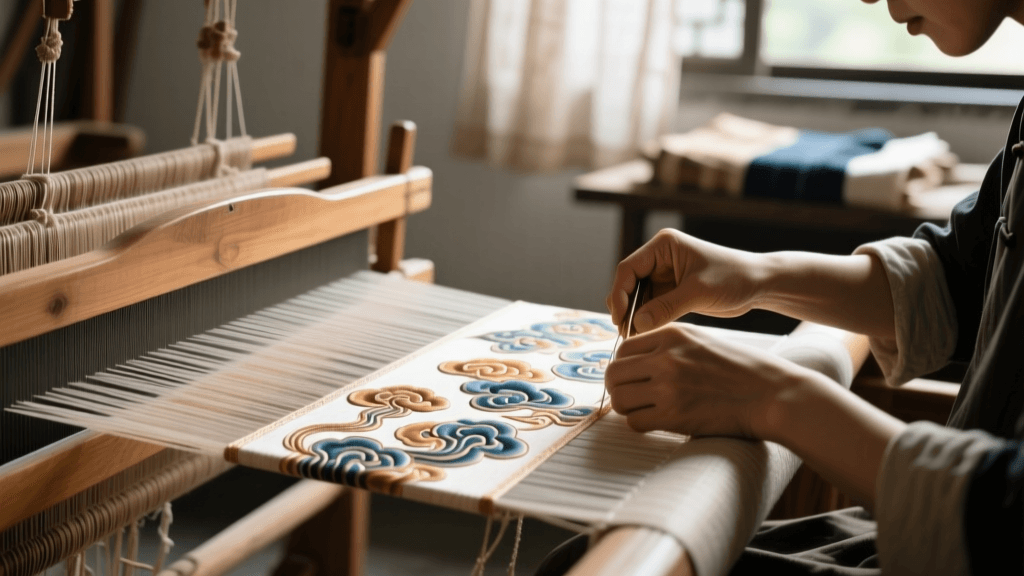
The kimono is more than a garment; it is a wearable archive of Japanese familial devotion, seasonal awareness, and social etiquette. As we navigate 2026, the intersection of deep-rooted tradition and modern convenience has transformed how families approach milestone ceremonies. From the joyful first shrine visit of a newborn to the solemn remembrance of ancestors, selecting the appropriate silk, crests, and obi requires both cultural literacy and practical foresight. According to the Agency for Cultural Affairs, government initiatives in 2026 continue to support traditional textile artisans, ensuring that techniques like Yuzen dyeing and Nishijin weaving remain vibrant despite global supply chain shifts. This comprehensive guide explores the essential kimono protocols for birth, coming-of-age, and memorial ceremonies in 2026.
Miyamairi: Celebrating Birth and the First Shrine Visit
Miyamairi (or Omiyamairi) is the traditional Shinto shrine visit that takes place approximately one month after a baby is born. It is a moment of profound gratitude, where parents introduce their newborn to the tutelary deities and pray for the child’s health and prosperity.
Garment Selection for the Baby
Traditionally, the baby is dressed in an ubugi (a specific newborn kimono) featuring auspicious motifs such as cranes, turtles, pine trees, or treasure ships. In 2026, while classic silk ubugi remain popular for formal photography, many parents opt for modern, breathable cotton-silk blends or rompers designed with kimono-style overlapping collars to accommodate unpredictable weather and the baby's comfort. The outer layer, often a brilliantly dyed silk garment, is usually carried or draped over the baby's arms rather than fully secured with a tight obi.
Attire for Parents and Grandparents
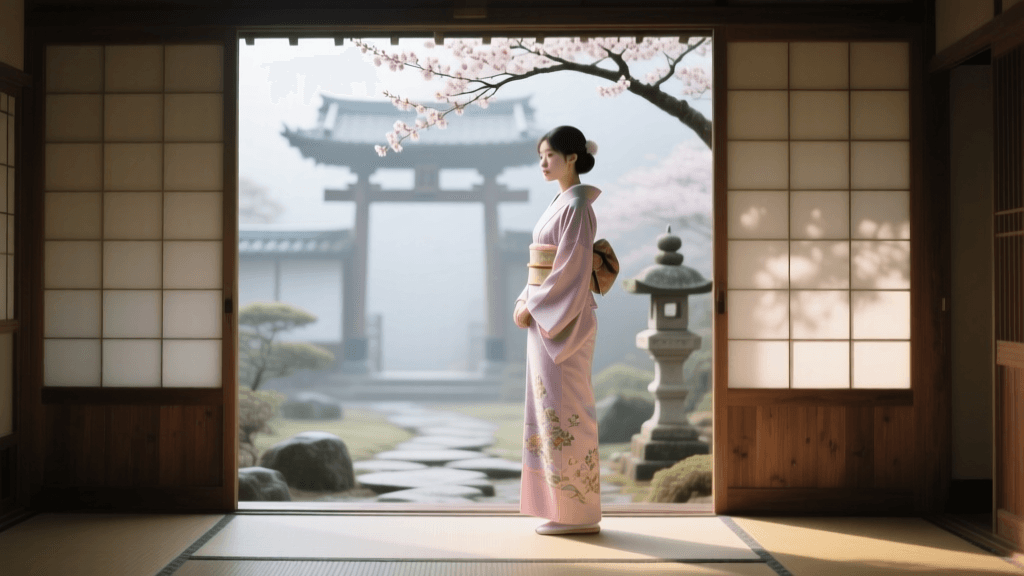
For the mother, a homongi (visiting kimono) or tsukesage (a slightly less formal visiting kimono) is the standard choice. These garments feature elegant, continuous patterns that flow across the seams, symbolizing harmony and unbroken family bonds. Spring Miyamairi calls for pastel hues and cherry blossom motifs, while autumn visits favor deep reds, golds, and maple leaf designs.
Fathers and grandfathers typically wear a montsuki hakama—a formal black kimono adorned with five family crests (kamon), paired with striped silk hakama trousers. However, in 2026, it is entirely acceptable and increasingly common for male family members to wear dark, conservative Western suits with a white tie, reserving the hakama for highly traditional families or professional shrine photographers' portfolios.
Grandmothers often wear edokomon (fine-patterned kimono) or subdued tsukesage, ensuring their attire complements rather than overshadows the mother and child.
Seijin-shiki and Hatachi no Tsudoi: The Coming-of-Age Milestone
The transition into adulthood is one of the most visually spectacular events in Japan. Following the 2022 revision of the Civil Code that lowered the legal age of adulthood to 18, municipalities across Japan spent the last few years recalibrating their ceremonies. By 2026, the event is universally recognized as Hatachi no Tsudoi (The Gathering of 20-Year-Olds). This shift ensures that young adults can celebrate without the ceremony clashing with the high-stakes university entrance exams that typically occur at age 18.
Furisode: The Pinnacle of Youthful Elegance
For young women, the furisode—characterized by its long, swinging sleeves that can measure up to 114 centimeters in length—is the undisputed garment of the day. The long sleeves historically served to ward off evil spirits and signal availability for marriage. In 2026, furisode trends showcase a fascinating dichotomy. On one hand, there is a massive resurgence in "Taisho Roman" retro styles, featuring bold, high-contrast geometric patterns, deep plum hues, and vintage lace obijime (decorative cords). On the other hand, minimalist, pastel-toned furisode with subtle, tone-on-tone embroidery are highly sought after by those preferring a modern, understated elegance.
According to cultural analyses by Nippon.com, the secondhand and vintage kimono market has exploded, with 20-year-olds in 2026 increasingly sourcing unique, one-of-a-kind vintage furisode from specialized recycle shops in Tokyo's Harajuku and Kyoto's Shijo districts, pairing them with contemporary, custom-dyed obi sashes.
Hakama and Modern Menswear
While the vast majority of young men opt for Western business suits for Hatachi no Tsudoi, a dedicated subset embraces traditional montsuki hakama or the haori hakama ensemble. In 2026, men's hakama fashion has seen subtle innovations, such as washable silk blends and hakama trousers tailored with a slightly wider, more relaxed stance, drawing inspiration from historical samurai attire while ensuring comfort during long municipal speeches and subsequent after-parties.
Hōji and Obon: Respectful Attire for Memorials
Memorial ceremonies require a delicate balance of grief, respect, and adherence to strict sartorial codes. The rules of mourning attire (moso) are dictated by the mourner's relationship to the deceased and the time elapsed since the passing.
Mofuku: The Deepest Mourning
Mofuku is the highest grade of mourning attire, worn exclusively by immediate family members during the funeral, the wake, and the 49th-day memorial service (Shijūkunichi). A traditional Mofuku ensemble consists of a solid black silk kimono bearing five un-dyed white family crests, a solid black obi, and black accessories. In 2026, due to the declining frequency of full traditional funerals in urban centers, many families choose to rent Mofuku, as purchasing a garment intended solely for profound grief is considered impractical by younger generations.
Iromuji and Subdued Tsukesage for Later Anniversaries
For subsequent memorial anniversaries (Hōji)—such as the 1st, 3rd, 7th, and 13th years—and during the Obon season, the strictness of the attire relaxes. Immediate family members transition to Iromuji (solid-colored kimono excluding bright reds or festive purples) bearing one to three family crests. Muted shades of slate gray, deep navy, forest green, and eggplant purple are appropriate.
The obi should be subdued, often featuring silver, gray, or dark gold threads woven into subtle geometric or lotus motifs. As the years pass and the memorial transitions from a period of acute mourning to a celebration of the ancestor's legacy, the colors of the kimono and obi may gradually lighten, reflecting the healing of the family and the peaceful integration of the deceased into the ancestral pantheon.
2026 Cost Guide: Rental vs. Purchase
Navigating the financial aspects of ceremonial kimono in 2026 requires an understanding of the current market. Inflation and the rising cost of raw silk have pushed purchase prices higher, making high-end rental packages and vintage recycling more attractive than ever. Below is a comparative breakdown of estimated costs in Japanese Yen (JPY) for 2026.
| Ceremony | Garment Type | 2026 Rental Package (JPY) | 2026 Purchase Cost (JPY) |
|---|---|---|---|
| Miyamairi | Baby Ubugi / Mother's Homongi | ¥15,000 - ¥35,000 | ¥80,000 - ¥250,000 |
| Seijin-shiki | Women's Furisode (Full Set) | ¥45,000 - ¥90,000 | ¥350,000 - ¥800,000+ |
| Seijin-shiki | Men's Montsuki Hakama | ¥15,000 - ¥25,000 | ¥120,000 - ¥300,000 |
| Memorials | Mofuku (Immediate Family) | ¥12,000 - ¥20,000 | ¥150,000 - ¥300,000 |
| Memorials | Iromuji (Later Anniversaries) | ¥10,000 - ¥18,000 | ¥60,000 - ¥180,000 |
Modern Sourcing: VR Fittings and Sustainable Silk
The kimono industry in 2026 has fully embraced digital integration to solve the historical pain point of time-consuming in-store fittings. Leading rental boutiques in Tokyo and Osaka now offer VR (Virtual Reality) and AR (Augmented Reality) mirror applications. Customers can upload their precise body measurements and visualize how different furisode patterns, obi knots, and obijime cords will look on their exact avatar before ever stepping foot in a store. This technology has drastically reduced the time spent on selection, allowing families to focus on the ceremonial aspects of the day.
Furthermore, sustainability is a major driving force in 2026. The concept of mottainai (a sense of regret concerning waste) has led to a boom in certified vintage kimono upcycling. Artisans are taking damaged Showa-era silks, re-dyeing them using eco-friendly, plant-based botanical dyes, and restructuring them into modern ceremonial pieces. This not only preserves the environment but also allows wearers to don a garment imbued with historical continuity—a perfect metaphor for the very ceremonies these garments are meant to honor.
Final Thoughts on Etiquette and Grace
Whether you are wrapping a newborn in the protective silks of a Miyamairi ubugi, swinging the vibrant sleeves of a furisode at a Hatachi no Tsudoi, or bowing in quiet reverence in a slate-gray Iromuji, the kimono serves as a physical manifestation of your respect for the past and your hopes for the future. In 2026, while the methods of sourcing and fitting may have modernized, the soul of the garment remains untouched. By understanding the nuanced rules of crests, colors, and seasonal motifs, you ensure that your presence at these vital family milestones is both culturally profound and visually impeccable.