2026 Kimono Guide for Family Ceremonies: Birth to Memorials
The Enduring Role of Kimono in Japanese Family Milestones
In Japan, the passage of time and the milestones of human life are deeply intertwined with traditional textiles. While Western clothing dominates daily life in 2026, the kimono remains the undisputed garment of record for life’s most profound family ceremonies. From the first shrine visit of a newborn to the solemn observances of ancestral memorials, donning a kimono is an act of cultural continuity, respect, and celebration. According to Britannica's comprehensive guide to the kimono, these garments are not merely clothing; they are wearable art that communicates the wearer's age, marital status, and the specific nature of the occasion.
For families navigating these traditions today, understanding the nuances of ceremonial kimono is essential. The 2026 landscape has seen a massive shift toward high-end rental services, AI-assisted virtual fittings, and climate-adaptive fabrics, making these traditions more accessible while preserving their strict etiquette. This guide breaks down the essential kimono protocols for birth, coming-of-age, and memorial ceremonies.
Miyamairi: The First Shrine Presentation
Miyamairi (or Omiyamairi) is the traditional shrine visit that occurs approximately one month after a baby is born. It is a moment of gratitude to the local tutelary deity (ujigami) for the safe delivery of the child and a prayer for the infant's future health.
Garments for the Baby and Parents
The newborn is traditionally dressed in a white cotton undergarment called an ubugi, wrapped in a lavish, brightly colored silk celebration kimono known as an iwai-gi or osode. In 2026, many families opt for modern, lightweight silk blends treated with antimicrobial finishes to protect the baby's sensitive skin while maintaining the luxurious drape required for shrine photography. The baby is typically carried by the paternal grandmother, a custom rooted in historical beliefs about spiritual impurity following childbirth.
For the parents, the dress code is formal but celebratory. Mothers typically wear a houmongi (visiting kimono) or an iromuji (solid-colored kimono) featuring auspicious motifs like cranes, pine trees, or plum blossoms. Fathers usually wear a formal dark suit, though a traditional montsuki hakama (crested kimono with pleated trousers) is making a strong resurgence among younger fathers in 2026 who wish to match the formality of their partners.
Shichi-Go-San: Celebrating Childhood Survival
Held annually on November 15th, Shichi-Go-San (Seven-Five-Three) celebrates the growth and well-being of children at the ages of three, five, and seven. Historically, these ages marked critical milestones in child survival. Today, it is a joyous occasion marked by vibrant family portraits and shrine visits.
- Age 3 (Boys and Girls): Children wear a hifu, a padded, sleeveless vest worn over a bright, patterned kimono. This creates a soft, rounded silhouette that is iconic for this age.
- Age 5 (Boys): Boys transition to their first hakama, often featuring bold designs like eagles, samurai helmets, or dragons, paired with a haori jacket bearing the family crest.
- Age 7 (Girls): Girls wear a yotsumi kimono with a traditional obi sash, marking their transition from the simple tied sashes of early childhood to the more complex, adult-style obi tying.
Parents dress in subdued, elegant attire. Mothers favor tsukesage or iromuji kimono, ensuring their patterns do not overshadow the children, who are the undisputed focal points of the day.
Seijin-shiki: The Coming-of-Age Ceremony
Held on the second Monday of January, Seijin-shiki celebrates young adults reaching the age of majority. Although Japan legally lowered the age of adulthood to 18 in 2022, by 2026, the vast majority of municipalities still hold the ceremony for 20-year-olds. This practical compromise prevents the event from clashing with the intense university entrance exam season that 18-year-olds face. As noted in Britannica's overview of Seijin-no-Hi, the ceremony remains a vital rite of passage, heavily centered on traditional dress.
The Furisode: A Symbol of Youth and Eligibility
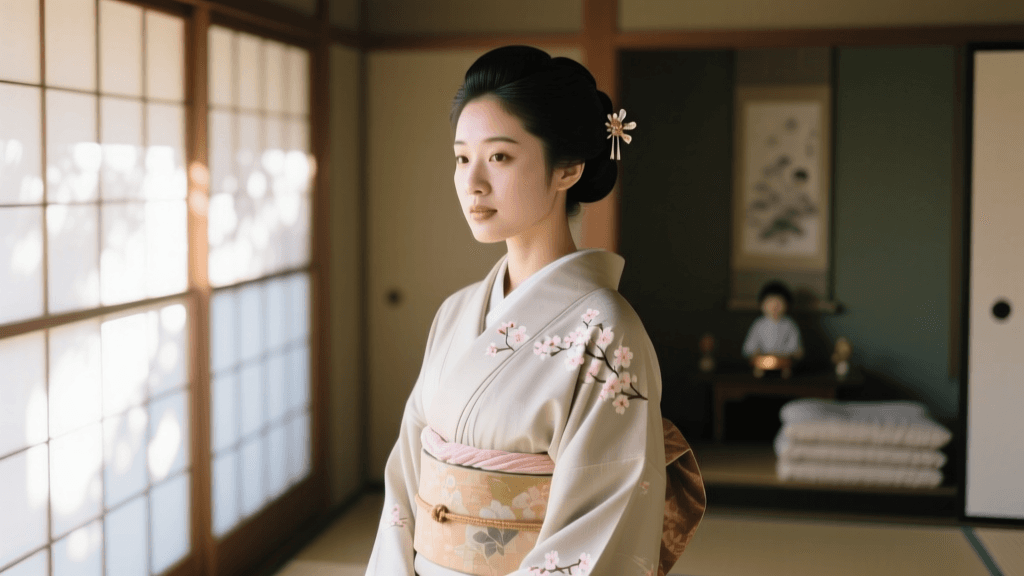
Unmarried women celebrate by wearing a furisode, characterized by its dramatically long, swinging sleeves. The furisode is the most formal kimono for unmarried women and is exclusively reserved for highly celebratory events. In 2026, the rental market for furisode is highly competitive. Trends this year favor vintage-inspired Taisho-era patterns, rich jewel tones, and intricate 3D embroidery.
Because January in Japan is freezing, modern furisode styling incorporates hidden thermal underlayers (hadajuban made of heat-retaining synthetic fibers) and luxurious faux-fur stoles draped over the shoulders. Men traditionally wear a dark montsuki hakama with a white haori, though bespoke Western suits have become equally acceptable and common.
Memorial Services: Obon and Hoji Etiquette
While celebrations call for vibrant silks, Japanese memorial services (hoji) require strict adherence to mourning etiquette. The type of kimono worn depends entirely on the time elapsed since the passing of the loved one and the wearer's relationship to the deceased.
Mofuku: Full Mourning Attire
For the funeral and the crucial 49-day memorial (shijukunichi), immediate family members wear mofuku. This is a plain, matte black silk kimono (habutae) featuring five family crests (itsutsu-mon). It is paired with a black obi, black zori sandals, and a black kokeshi bag. The absolute lack of pattern or shine reflects the depth of grief and the solemnity of the occasion.
Transitioning to Iromuji
As the years pass—marking the 1st, 3rd, 7th, 13th, and eventually the 33rd anniversary (which traditionally concludes the mourning period)—the strictness of the attire softens. Family members transition to iromuji (solid-colored kimono in subdued shades like navy, charcoal, or dark plum) featuring one to three family crests. The Victoria and Albert Museum's Asian textile archives highlight how the subtle shifts in dye and crest placement in Japanese mourning garments serve as a complex, non-verbal language of grief and social standing.
2026 Cost and Rental Comparison
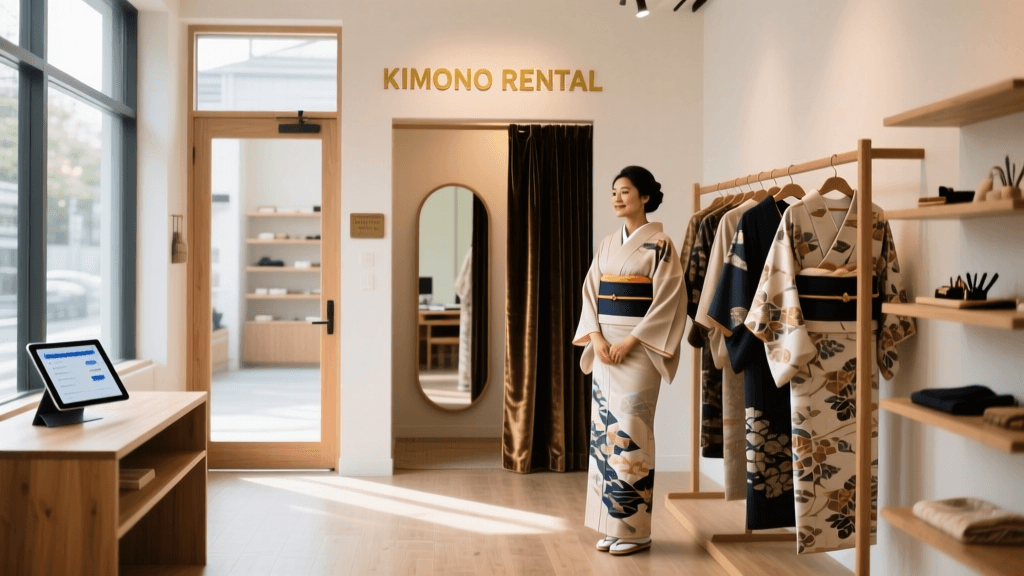
The economics of ceremonial kimono have shifted significantly. With artisan shortages driving up the cost of bespoke silk weaving, over 85% of families in 2026 utilize specialized rental salons for milestone events. Below is a breakdown of estimated costs and preparation timelines for the current year.
| Ceremony | Primary Garment | 2026 Rental Cost (JPY) | 2026 Purchase Cost (JPY) | Booking Lead Time |
|---|---|---|---|---|
| Miyamairi | Baby Iwai-gi & Mother's Houmongi | ¥25,000 - ¥45,000 | ¥150,000 - ¥300,000 | 1 - 2 Months |
| Shichi-Go-San | Child's Hifu / Hakama Set | ¥15,000 - ¥30,000 | ¥80,000 - ¥150,000 | 3 - 4 Months |
| Seijin-shiki | Women's Furisode (Full Set) | ¥60,000 - ¥150,000 | ¥450,000 - ¥850,000 | 6 - 9 Months |
| Funeral / 49-Day | Mofuku (Full Mourning) | ¥15,000 - ¥25,000 | ¥200,000 - ¥400,000 | Immediate / 1 Week |
Note: Rental packages in 2026 almost universally include professional dressing (kitsuke), hair styling, and photography sessions, which represent a significant value compared to purchasing and maintaining silk garments.
Essential Accessories and Modern Adaptations
No ceremonial kimono is complete without its accompanying accessories. For celebratory events, women wear zori (formal sandals) with brocade straps and carry embroidered zogan bags. For Seijin-shiki, elaborate hair ornaments called kanzashi are essential, often featuring dangling silk flowers or precious metals.
In 2026, the integration of technology into traditional wear has been a game-changer for family ceremonies. Many top-tier rental salons in Tokyo and Kyoto now offer AR (Augmented Reality) mirrors. This allows mothers and daughters to instantly cycle through dozens of furisode and obi combinations without the physical exhaustion of repeatedly dressing and undressing during the selection process. Furthermore, stain-resistant nano-coatings are now standard on rental baby garments and children's Shichi-Go-San kimono, giving parents peace of mind during lively shrine visits and family dinners.
Conclusion
Navigating the world of ceremonial kimono requires a balance of historical respect and modern practicality. Whether you are wrapping a newborn in the protective silk of a Miyamairi garment, celebrating a young adult's transition into society with a vibrant furisode, or paying quiet respects in a crested iromuji, the kimono remains a powerful vessel for family memory. By understanding the etiquette, leveraging modern rental innovations, and planning ahead, families in 2026 can honor these beautiful Asian traditions with grace and confidence.