Modern Hanbok in 2026 Global Fashion Media: Editorial Styling Guide
The 2026 Editorial Shift: Authenticity Meets Haute Couture
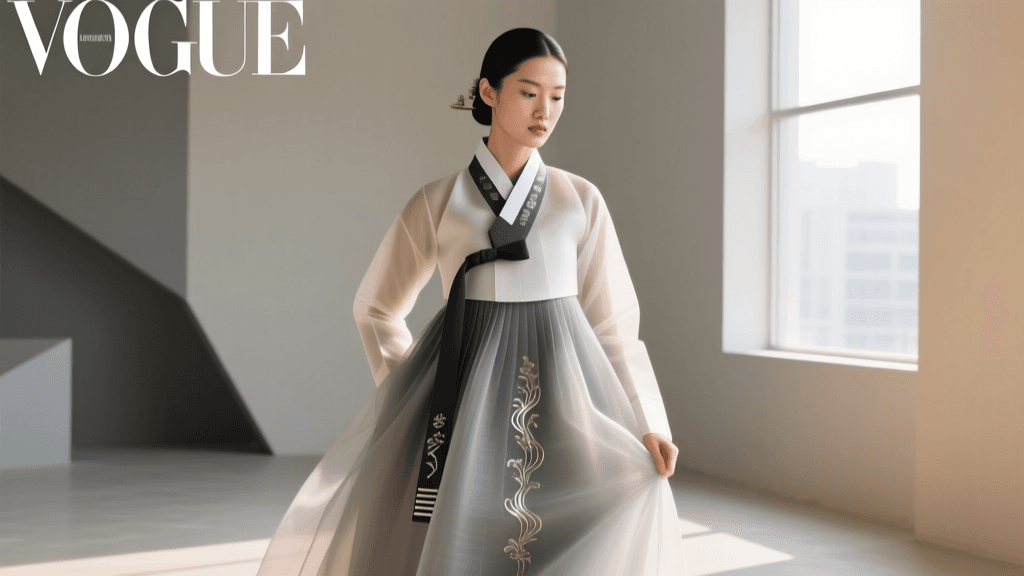
In 2026, the global fashion media landscape has undergone a profound transformation in its approach to Asian traditional garments. Moving far beyond the superficial cultural borrowing of the early 2020s, top-tier publications like Vogue, Harper’s Bazaar, and Elle are now treating the Korean Hanbok with the rigorous sartorial respect previously reserved for European haute couture. The Hanbok is no longer utilized merely as a colorful backdrop or exoticized costume; instead, it is being analyzed, deconstructed, and styled for its architectural brilliance and historical depth.
According to recent editorial direction memos circulating among top fashion stylists this year, the mandate for 2026 is 'structural authenticity.' Fashion editors are collaborating directly with Korean cultural historians and master artisans to ensure that the foundational silhouettes of the Hanbok remain intact, even when paired with contemporary accessories. As noted by The Metropolitan Museum of Art’s Heilbrunn Timeline of Art History, the Hanbok's defining characteristic is its graceful flow and the stark, beautiful contrast between the fitted upper garment and the voluminous lower half. In 2026, global fashion media is finally capturing this dynamic contrast through advanced editorial styling and specialized studio lighting.
Deconstructing the Silhouette: Key Elements for the Camera
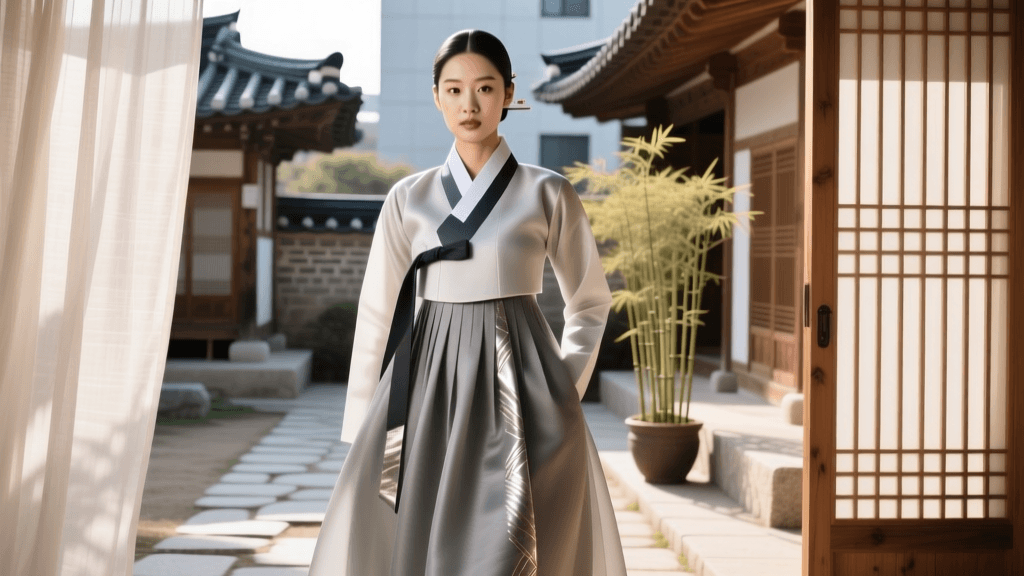
To style the Hanbok for high-fashion editorials in 2026, stylists must understand the precise anatomy of the garment. The interplay of lines and volumes is what makes the Hanbok so photogenic, provided it is styled correctly.
The Jeogori (Jacket) and the Dongjeong (Collar)
The jeogori is the upper garment, and in 2026 editorials, the focus is heavily placed on the dongjeong—the crisp, white, detachable collar. The stark white collar frames the face and provides a vital visual anchor in high-contrast editorial photography. For 2026 spring campaigns, stylists are requesting custom dongjeong measurements that sit exactly 1.5 centimeters higher than historical defaults to elongate the model's neck on camera, while still maintaining the traditional V-neckline intersection.
The Chima (Skirt) and Structural Gore
The chima is the voluminous wrap skirt. In contemporary global media, the way the chima holds its bell-like shape is paramount. Rather than relying on modern synthetic crinolines, 2026 high-fashion shoots are utilizing traditional layered cotton under-skirts (sokchima) to achieve a natural, gravity-defying drape that moves fluidly when the model walks. The National Museum of Korea frequently highlights how the traditional pleating and gathering techniques of the chima allow for a silhouette that is both modest and incredibly dynamic in motion.
The Goreum (Ties)
The goreum are the long, flowing ribbons that tie the jeogori. In 2026, avant-garde fashion editors are utilizing the goreum as a primary styling element, allowing the ribbons to cascade across the floor or be pinned architecturally to the shoulder to create dramatic, sweeping lines that lead the viewer’s eye across the editorial spread.
2026 Global Fashion Media: Hanbok Editorial Trends
The approach to styling the Hanbok varies significantly across different international fashion publications. Below is a breakdown of how major media houses are integrating the garment into their 2026 visual narratives.
| Publication | 2026 Styling Focus | Featured Fabric | Avg. Custom Piece Cost (USD) |
|---|---|---|---|
| Vogue (Global Editions) | Avant-garde volume, oversized Chima, architectural Goreum draping | Heavyweight Myeongju (Silk) | $2,800 - $4,500 |
| Harper’s Bazaar | Minimalist elegance, muted Obangsaek (traditional colors), sharp tailoring | Mosi (Ramie) | $1,500 - $2,200 |
| Elle | Street-style fusion, cropped Jeogori paired with contemporary denim/leather | Saekdong (Color-striped silk) | $900 - $1,400 |
| W Magazine | Dark romance, deep indigo and charcoal dyes, dramatic shadows | Raw Silk and Hemp blends | $2,000 - $3,500 |
Actionable Sourcing: Where to Acquire Authentic Pieces in 2026
For fashion stylists and editorial producers looking to source authentic, high-quality Hanbok for 2026 shoots, mass-market costume rental houses are strictly off-limits. The current industry standard requires sourcing from specialized ateliers and recognized contemporary designers who respect traditional construction methods.
- Danha: For vibrant, contemporary interpretations that maintain historical integrity, Danha remains the top choice for global fashion houses in 2026. Their custom editorial pieces typically require a 6-week lead time and start at $1,800 USD.
- Tchai Kim: Known for modernizing the Hanbok for daily luxury wear, Tchai Kim offers exceptional chima skirts that photograph beautifully in outdoor, natural-light editorials. Expect to pay between $600 and $1,200 USD for ready-to-ship editorial samples.
- Bukchon Custom Ateliers (Seoul): For historically accurate, museum-quality garments, stylists are flying to Seoul to commission pieces directly from masters in the Bukchon Hanok Village. The Korea Craft & Design Foundation (KCDF) maintains an updated directory of certified artisans. Custom commissions here range from $3,000 to over $6,000 USD, reflecting the hundreds of hours of hand-stitching required.
Textiles and Lighting: Shooting Myeongju and Mosi
The success of a Hanbok editorial spread in 2026 hinges on the photographer's understanding of traditional Korean textiles. The two most prominent fabrics featured in high-fashion media this year are myeongju (a tightly woven, lustrous silk) and mosi (a fine, breathable ramie).
Myeongju has a subtle, pearlescent sheen that can easily blow out under harsh studio strobes. Lighting directors in 2026 are utilizing large, diffused overhead softboxes combined with negative fill to capture the silk's natural luster without losing the fabric's intricate weave. Conversely, mosi is semi-translucent and highly textured. To capture the crisp, paper-like stiffness of ramie, stylists and photographers are using hard, directional side-lighting to emphasize the microscopic slubs and organic imperfections of the hand-woven fiber.
Cultural Consultation and Media Ethics
The most significant development in 2026 global fashion media is the mandatory inclusion of cultural consultants on set. Publications have recognized that styling the Hanbok requires an understanding of its socio-historical context. For instance, the color palette of the Hanbok is deeply rooted in the philosophy of Obangsaek (the five traditional colors representing the elements). A stylist cannot simply mix neon pink with traditional jade green without understanding the visual and cultural dissonance it creates.
Furthermore, the way the garment is wrapped is non-negotiable. The jeogori must always be wrapped left over right for the living; wrapping it right over left is strictly reserved for dressing the deceased. In the fast-paced environment of a 2026 fashion shoot, a cultural consultant ensures that these vital rules are respected, preventing costly post-production edits and public relations missteps.
Conclusion: The Future of the Hanbok in Fashion
As we move through 2026, the Hanbok has firmly cemented its place not as a fleeting trend, but as a permanent fixture in the global fashion lexicon. By prioritizing structural authenticity, investing in master-crafted textiles, and adhering to strict cultural ethics, global fashion media is finally giving this magnificent Asian tradition the platform it deserves. For stylists, editors, and designers, mastering the art of the Hanbok is no longer optional—it is a fundamental requirement of a truly global, culturally literate fashion perspective.