Top Hanfu Certification Programs & Workshops 2026
The Rise of Formal Hanfu Education in 2026
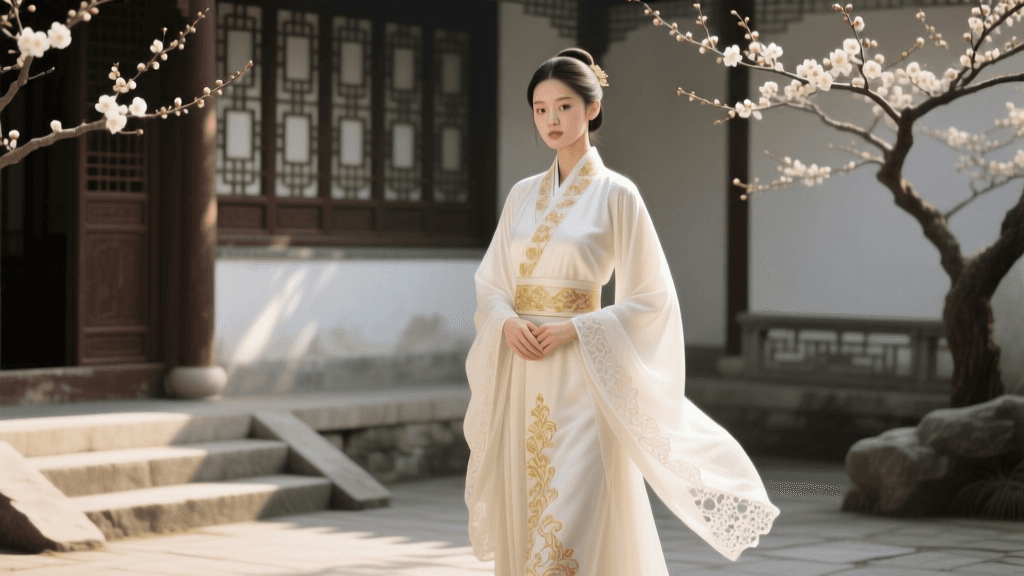
The global appreciation for traditional Han Chinese clothing has undergone a massive transformation over the last few years. What began as a grassroots internet movement has evolved into a highly structured, multi-billion-dollar cultural industry. As of 2026, simply wearing Hanfu is no longer the pinnacle of the movement; enthusiasts and professionals alike are now seeking rigorous academic and practical mastery. Formal Hanfu education workshops and certification programs have emerged to meet this demand, offering standardized curricula that cover historical accuracy, textile science, and traditional etiquette.
The cultural revival driving this educational boom is deeply rooted in a desire for historical connection. As noted in cultural analyses by BBC Travel, the movement represents a profound search for identity and heritage, not just a fleeting fashion trend. Today, this search for identity is supported by accredited academies in cities like Chengdu, Hangzhou, and Beijing, as well as robust hybrid-learning platforms catering to international students.
Understanding the 2026 Hanfu Certification Tiers
To professionalize the industry, leading cultural associations and styling academies have adopted a standardized three-tier certification system. These tiers ensure that graduates possess verified skills, whether they intend to become hobbyist historians, professional bridal stylists, or film and television wardrobe consultants.
| Certification Level | Core Focus | Required Hours | 2026 Average Cost (USD) |
|---|---|---|---|
| Tier 1: Foundation Stylist | Basic draping, modern styling, everyday wear, and basic etiquette. | 40 Hours | $650 - $900 |
| Tier 2: Historical Specialist | Dynasty-specific accuracy, advanced layering, textile identification, and natural dyeing. | 120 Hours | $2,200 - $3,500 |
| Tier 3: Master Artisan & Educator | Pattern drafting, museum-grade reconstruction, teaching methodologies, and film/TV consulting. | 300+ Hours | $6,000 - $8,500 |
Core Curriculum: What You Will Actually Learn
Modern Hanfu workshops are incredibly comprehensive. They move far beyond simple dress-up, diving into the anthropology, material science, and physical mechanics of traditional garments. Below is a breakdown of the core modules you will encounter in a Tier 2 Historical Specialist program.
Module 1: Historical Accuracy and Dynasty Distinctions
Students learn to differentiate the distinct silhouettes and philosophies of major dynasties. The curriculum covers the bold, cosmopolitan round-collar robes and vibrant Pibo (stoles) of the Tang Dynasty; the minimalist, slender, and intellectual aesthetics of the Song Dynasty; and the highly structured, voluminous garments of the Ming Dynasty. Understanding these distinctions is critical for professionals working in historical dramas or cultural tourism, where anachronisms are heavily scrutinized.
Module 2: Textile Identification and Eco-Friendly Dyeing
A true Hanfu expert must understand the fabric. This module trains students to identify authentic silk weaves (such as Luo gauze and Zhuanghua brocade), ramie, and linen. Furthermore, in alignment with 2026 sustainability standards, academies now heavily emphasize natural, eco-friendly dyeing methods. Students learn the traditional extraction of indigo, madder root, and gardenia yellow, applying these ancient, non-toxic techniques to modern textile restoration and bespoke garment creation.
Module 3: The Art of Draping, Layering, and Tying
Hanfu relies on intricate layering rather than modern fasteners like buttons or zippers. Students master the foundational Zhongyi (inner garments), the construction of the Ruqun (jacket and skirt), and the complex pleating mechanics of the Mamianqun (horse-face skirt). The physical practicum requires students to learn how to secure garments using traditional ties and knots, ensuring the drape remains flawless during movement. For deeper historical context on the evolution of these textiles and silhouettes, students frequently reference the extensive archives provided by institutions like the Metropolitan Museum of Art.
Module 4: Hair, Accessories, and Traditional Etiquette
The garment is only half the presentation. This module covers the selection and placement of hair accessories such as Zanzi (hairpins), Buyao (step-shake dangling pins), and Shufaguan (hair crowns). Equally important is the study of traditional etiquette. Students undergo physical training on how to walk, bow, sit, and hold tea cups gracefully while wearing restrictive, multi-layered silk garments with extended sleeves.
In-Person Academies vs. Virtual Hybrid Workshops
When selecting a program in 2026, students must choose between immersive in-person academies and flexible virtual hybrid models.
In-Person Academies: Located primarily in cultural hubs like Hangzhou and Xi'an, these programs offer unparalleled access to physical garment archives, master weavers, and historical sites. The immersive environment is ideal for Tier 3 Master Artisan candidates who need hands-on experience with pattern drafting and natural dye vats. However, tuition and living expenses make this a premium investment.
Virtual Hybrid Workshops: These programs have become highly sophisticated, utilizing 3D garment mapping and augmented reality (AR) fitting tools to teach draping remotely. Students receive physical textile swatch kits and replica garments in the mail for tactile study. Hybrid models are perfect for international students, working professionals, and those pursuing Tier 1 or Tier 2 certifications.
How to Choose the Right Program for Your Goals
With dozens of academies now operating globally, vetting your educational provider is crucial. Follow these actionable steps before enrolling:
- Verify Instructor Lineage and Credentials: Ensure the lead instructors have verifiable backgrounds in historical costume research, museum curation, or recognized master-apprentice lineages in traditional tailoring.
- Check Archive Access: Top-tier programs partner with local museums or private collectors to give students hands-on access to antique textiles and excavated garment fragments.
- Understand Practicum Requirements: A legitimate certification requires a final practicum. You should be expected to style a full, historically accurate ensemble from skin to crown, and defend your choices in front of a panel of historians.
- Review the Sustainability Clause: Ensure the curriculum includes modern eco-friendly practices, such as natural dyeing and ethical silk sourcing, which are now industry standards for 2026.
Career Opportunities Post-Certification
Graduating from a certified Hanfu workshop opens multiple lucrative and culturally significant career paths. The entertainment industry heavily recruits Tier 2 and Tier 3 graduates as historical wardrobe consultants for film, television, and stage productions, ensuring on-screen accuracy. The booming cultural tourism sector employs certified stylists to manage immersive historical experiences at heritage sites, where tourists rent high-quality garments and receive etiquette coaching.
Additionally, the traditional bridal market has seen a massive surge in demand for authentic Han-style wedding ceremonies. Certified stylists are hired to design and manage the complex, multi-outfit changes required for traditional rites, commanding premium day rates. Finally, many Master Artisans transition into education themselves, opening boutique workshops or consulting for global fashion brands looking to ethically and accurately integrate traditional Chinese elements into their contemporary collections.
Conclusion
The professionalization of Hanfu education marks a vital step in the preservation of Asian sartorial heritage. By investing in a structured certification program in 2026, you are doing more than learning how to wear beautiful clothing; you are becoming a custodian of history, textile science, and traditional aesthetics. Whether you aim to consult on major film sets or simply wish to honor your heritage with absolute accuracy, formal Hanfu education provides the rigorous foundation necessary to master this timeless art form.