Best Japanese Fashion Blogs for Traditional Garments 2026
The Renaissance of Heritage Textiles in Japanese Digital Media
The landscape of Japanese fashion journalism has undergone a radical transformation by 2026. Once dominated by thick, glossy print magazines that focused almost exclusively on fleeting micro-trends, the industry has fully embraced digital-first platforms, independent blogs, and interactive online magazines. For enthusiasts of Asian traditions and traditional garments, this digital shift has been nothing short of a blessing. Contemporary Japanese fashion journalists are increasingly looking backward to move forward, dedicating extensive editorial space to heritage garments such as the kimono, haori, noragi, and hakama.
In 2026, the intersection of traditional Japanese textiles and modern global fashion is one of the most covered beats in Tokyo's digital media sphere. Journalists are no longer just documenting street style; they are acting as cultural archivists. They decode the complex weaving techniques of Oshima Tsumugi, trace the indigo fermentation processes behind authentic Sashiko, and interview the multi-generational artisans keeping these crafts alive. Whether you are a vintage collector, a streetwear enthusiast, or a high-fashion follower, knowing which Japanese fashion blogs and online magazines to read is essential for staying ahead of the curve.
Top Japanese Fashion Blogs and Online Magazines for 2026
To navigate the vast ocean of Japanese digital fashion media, it helps to categorize publications by their editorial focus. Below is a comparison chart of the most influential platforms covering traditional garments this year.
| Publication | Editorial Focus | Traditional Garment Coverage | Update Frequency |
|---|---|---|---|
| Fashionsnap | Industry News & Runway | High-end heritage collaborations and textile innovation | Daily |
| Tokyo Fashion | Street Style & Subcultures | Kimono, Haori, and Noragi in urban street styling | Weekly |
| Vogue Japan | Haute Couture & Luxury | Yuzen, Shibori, and Nishijin-ori in high fashion | Daily |
| Savvy Tokyo | Expat & Urban Lifestyle | Modern kimono wearing guides and artisan interviews | Bi-weekly |
Fashionsnap: The Industry Authority
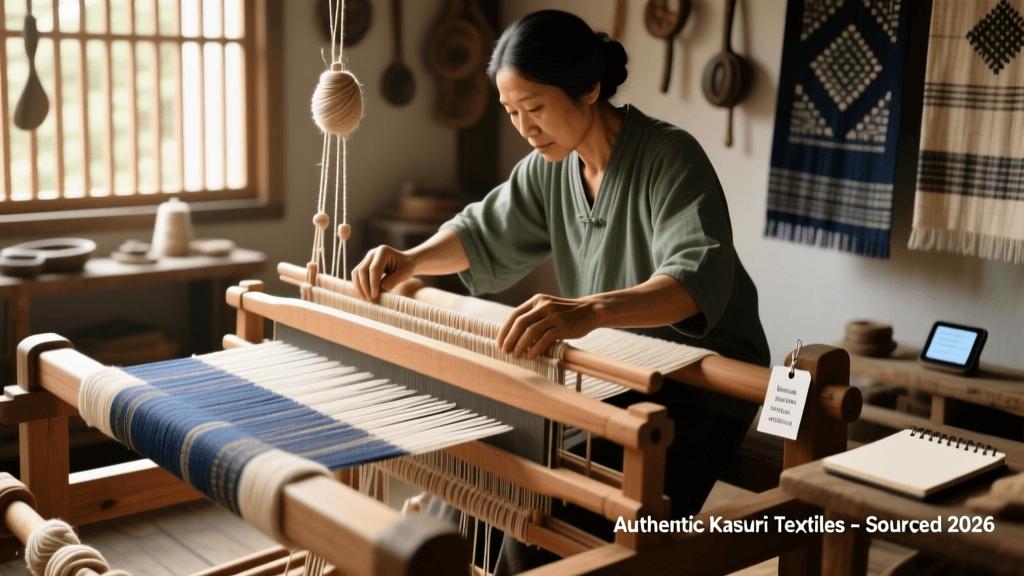
As the premier digital hub for Japanese fashion industry news, Fashionsnap is indispensable for readers who want to understand the business and design side of traditional garments. In 2026, Fashionsnap has heavily covered the surge in collaborations between historic Kyoto weaving houses and contemporary Tokyo streetwear labels. Their long-form editorial pieces frequently explore how heritage brands are adapting traditional loom techniques to create lighter, more breathable fabrics suitable for modern, climate-adaptive outerwear. For the serious garment historian, Fashionsnap's coverage of Tokyo Fashion Week always includes a deep dive into the textile sourcing of standout collections, highlighting the use of natural dyes and hand-loomed Kasuri cotton.
Tokyo Fashion: Street Style Meets Sashiko
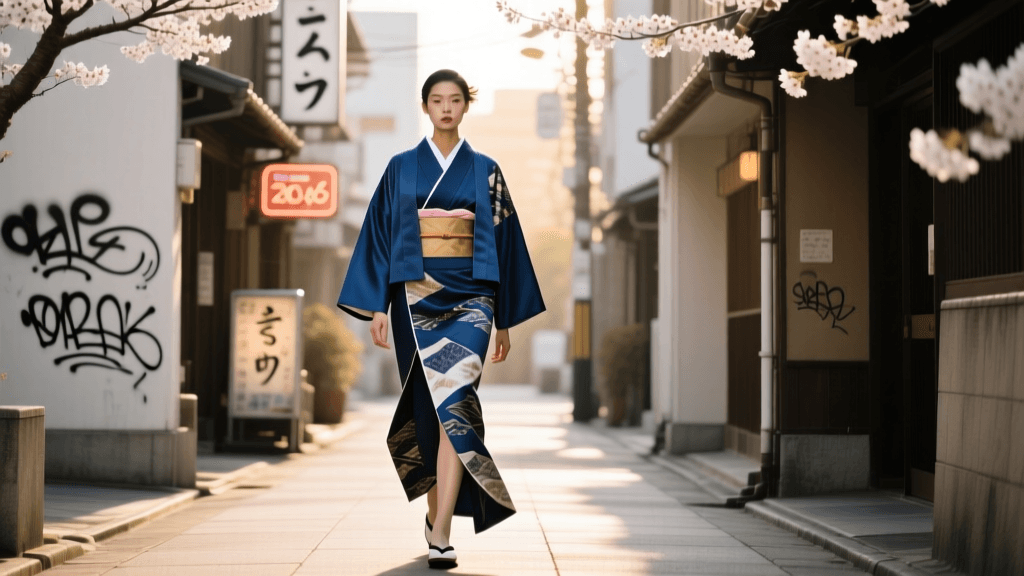
When exploring the digital archives of Tokyo Fashion, readers will notice a distinct pivot in their street style photography throughout 2026. The Harajuku, Shimokitazawa, and Daikanyama neighborhoods have become open-air runways for heritage textiles. Photographers are actively seeking out subjects who pair vintage, indigo-dyed Sashiko Noragi jackets with contemporary tech-wear or wide-leg denim. The blog's editorial team frequently includes detailed breakdowns of the garment's origins, educating a global audience on the difference between authentic hand-stitched Sashiko and modern machine-embroidered imitations. This level of journalistic rigor elevates the blog from a simple photo gallery to a vital educational resource for traditional textile preservation and everyday styling.
Vogue Japan: Haute Couture and the Kimono Silhouette
For those interested in how traditional Asian garments influence the upper echelons of global luxury, Vogue Japan remains the gold standard. In 2026, their digital editors have published a series of groundbreaking multimedia features on the 'Kimono Silhouette' in European haute couture. Vogue Japan's journalists frequently interview master artisans of Nishijin-ori (traditional Kyoto brocade weaving), showcasing how these ancient obi textiles are being repurposed into modern corsetry, structured handbags, and avant-garde evening wear. Their high-resolution digital spreads are a masterclass in understanding the drape, weight, and structural integrity of traditional silk garments.
Key Traditional Garment Trends Covered by Digital Media in 2026
Japanese fashion bloggers are not just reporting on clothes; they are actively shaping how traditional garments are worn today. By analyzing the editorial output of top digital magazines, several distinct styling trends have emerged this year.
The Noragi and Boro Revival
The Noragi, a traditional Japanese farmer's jacket, has become a staple in the 2026 neo-workwear movement. Digital magazines are heavily featuring Boro—the practice of mending and patching indigo cotton textiles. Fashion journalists are quick to point out the ethical and sustainable implications of Boro, positioning it as the ultimate antithesis to fast fashion. Blogs are publishing comprehensive guides on how to identify authentic Taisho-era Boro versus contemporary reproductions, noting that true vintage pieces feature uneven, hand-spun cotton threads and natural indigo oxidation that cannot be replicated in a modern factory.
Haori as Transitional Outerwear
The Haori, traditionally worn over a kimono, is being championed by street style bloggers as the ultimate transitional outerwear piece for spring and autumn. Online magazines are showcasing styling editorials where vibrant, Yuzen-dyed silk Haori are layered over minimalist turtlenecks and tailored trousers. Fashion journalists emphasize the importance of understanding the 'Jimon' (family crest) on the back of formal Haori, educating readers on the cultural significance of these motifs and advising on the etiquette of wearing crested garments in casual, modern settings.
Obi Belt Corsetry and Upcycling
One of the most fascinating trends documented by independent fashion bloggers in 2026 is the upcycling of vintage Obi belts into structured corsets and wide waist-cinchers. Digital publications are featuring interviews with young Tokyo-based designers who source damaged or unwearable Maru and Fukuro obi from secondhand markets, deconstructing them to preserve the intricate gold and silver foil weaving. These blogs provide a vital platform for discussing the tension between preserving cultural artifacts and adapting them for contemporary survival.
How to Use Japanese Fashion Blogs for Sourcing and Styling
Japanese fashion blogs in 2026 are not just passive observers; they are active curators of the secondhand and artisan market. Many online magazines now feature integrated 'Shop the Look' modules and comprehensive sourcing directories that link directly to reputable vintage dealers in Tokyo, such as Komehyo, Ragtag, and specialized Shimokitazawa thrift boutiques.
When a digital magazine features a Meiji-era silk Haori, the accompanying article often provides a detailed buyer's guide. These guides detail current 2026 market pricing—where a standard vintage silk Haori ranges from ¥8,000 to ¥25,000, while rare, pristine Oshima Tsumugi pieces can command upwards of ¥80,000. Furthermore, independent bloggers frequently publish directories of rural artisan collectives in regions like Niigata, Okayama, and Kyoto. These directories allow international readers to commission bespoke Shibori and Kurume Kasuri pieces directly from the weavers, bypassing the heavy markups of urban department stores and ensuring the financial support of rural crafting communities.
Additionally, top blogs have begun integrating Augmented Reality (AR) features into their mobile web platforms. Readers can now use their smartphone cameras to visualize how different traditional textile patterns, such as the geometric Asanoha or the flowing Seigaiha waves, will drape on their own body types before seeking out the physical garments in vintage shops.
Conclusion
The digital evolution of Japanese fashion journalism has created an unprecedented bridge between ancient textile traditions and modern global style. By following the right blogs and online magazines in 2026, enthusiasts can move beyond superficial aesthetics and develop a profound, educated appreciation for the craftsmanship, history, and cultural weight of Asian traditional garments. Whether you are hunting for a vintage Sashiko jacket in the backstreets of Tokyo or studying the haute couture applications of Nishijin brocade, these digital publications are your most valuable, up-to-date guides in the world of heritage fashion.