2026 Hanfu Guide: Birth, Wedding & Ancestral Rites Ceremonies
The Renaissance of Ceremonial Hanfu in 2026
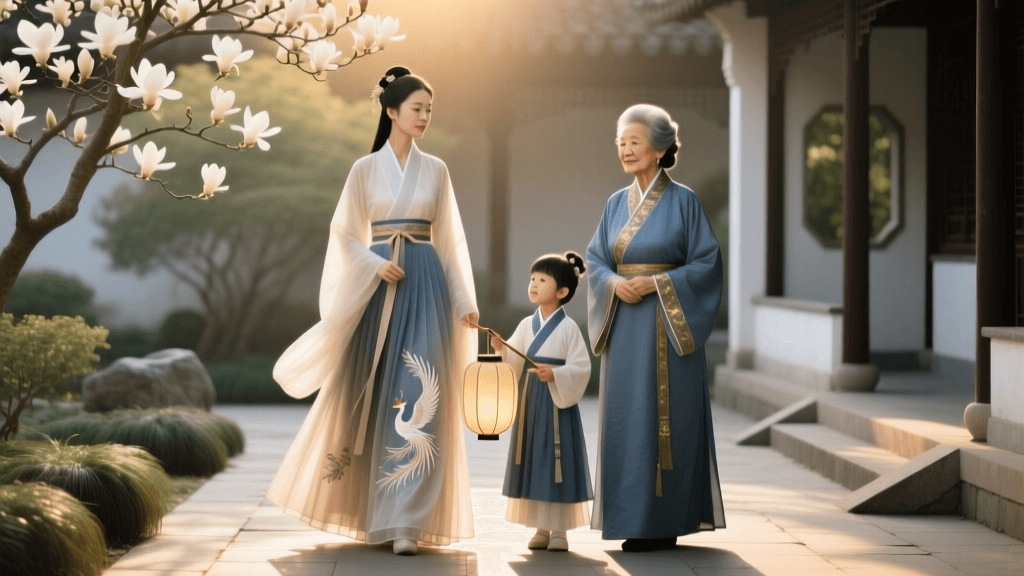
By 2026, the global Hanfu revival has matured far beyond street fashion and social media trends. Today, traditional Chinese garments are deeply integrated into the most sacred milestones of family life, reclaiming their historical role in the Confucian framework of Liyue (rites and music). In traditional Chinese culture, clothing is never merely decorative; it is a physical manifestation of respect, social harmony, and cosmic order. Whether welcoming a new life, uniting two families in marriage, or honoring those who have passed, selecting the correct Hanfu is essential.
This comprehensive guide explores the specific styles, fabrics, and etiquette required for birth celebrations, traditional weddings, and ancestral rites in 2026, highlighting modern advancements in sustainable textiles and bespoke tailoring that are shaping the market today.
Birth and First Month Celebrations (Zuoyuezi & Manyue)
The arrival of a child is marked by the Zuoyuezi (confinement month) and the subsequent Manyue (first month celebration). In 2026, the focus for maternal and infant Hanfu is on thermal regulation, skin safety, and auspicious symbolism.
Maternal Ceremonial Wear
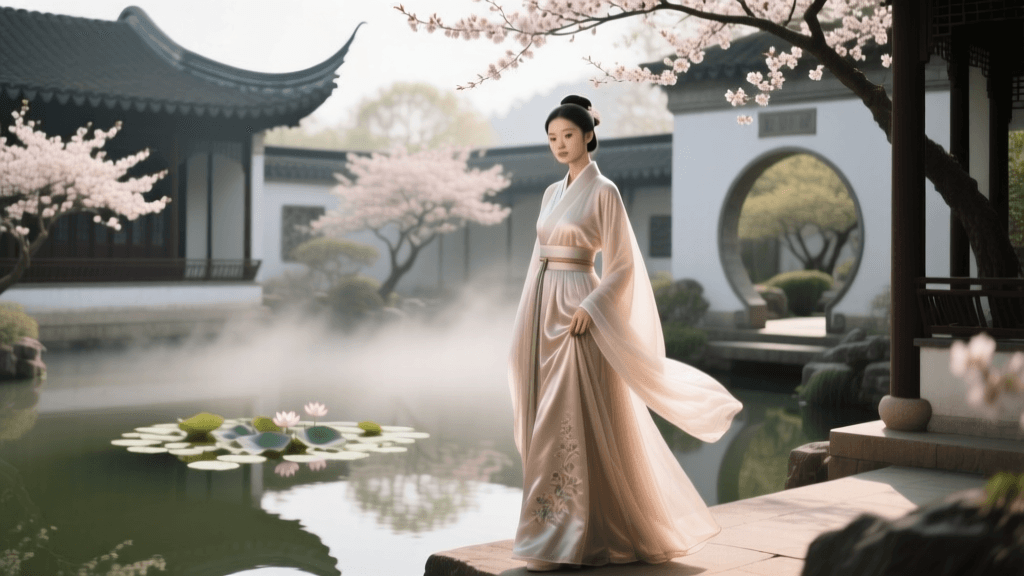
For the mother, comfort and modesty are paramount during the Manyue banquet. The preferred garment is the Mingzhi Pifeng (a traditional Ming-style cape or cloak) worn over a soft, high-waisted Ruqun. Modern 2026 textile innovations have introduced lotus-silk and bamboo-charcoal blends, which offer natural antibacterial properties and exceptional breathability. The color palette typically features soft, nurturing tones like celadon, pale lotus pink, or cream, avoiding stark whites or aggressive reds. The cross-collar (Jiaoling Youren) must always wrap left over right, a rule that applies to all living wearers.
Infant Hanfu and Talismans
Infants are dressed in miniature Ruqun or Hufu (historical nomadic-inspired tunics) crafted from unbleached organic cotton. The most critical accessory is the Hutouxie (tiger-head shoe). In Chinese folklore, the tiger is a potent guardian spirit that wards off evil and disease. In 2026, artisanal cooperatives in Shaanxi province are utilizing eco-friendly, plant-based dyes—such as gardenia yellow and madder root red—to color the intricate embroidery on these shoes, ensuring they are completely safe for a baby's sensitive skin. Additionally, a Doukou (embroidered belly band) featuring the 'Five Poisons' motif is often pinned to the child's garment to act as a spiritual shield.
Traditional Hanfu Weddings (Hunli)
The traditional Chinese wedding, or Hunli, is the pinnacle of ceremonial dress. Unlike Western weddings where white dominates, traditional Hanfu weddings are vibrant, deeply symbolic, and heavily layered. In 2026, couples are increasingly moving away from generic rental costumes, opting instead for bespoke, historically accurate ensembles tailored to their specific dynasty preferences.
Zhouzhi: The Solemn Antiquity
For couples seeking a solemn, deeply philosophical ceremony, the Zhouzhi (Zhou Dynasty style) is the ultimate choice. Characterized by deep blacks and vermilion reds, this style reflects the ancient belief in the union of heaven (black) and earth (red). The garments are unadorned by flashy embroidery, relying instead on the majestic drape of the heavy silk and the geometric precision of the borders. It is a quiet, powerful statement of ancestral continuity.
Tangzhi: Grandeur and Vibrancy
The Tangzhi (Tang Dynasty style) is favored for grand, festive receptions. Featuring massive, sweeping sleeves, high waists, and vibrant hues of crimson, gold, and peacock green, this style exudes confidence and prosperity. Brides often wear a Daxiushan (large-sleeved robe) over a heavily pleated skirt, with a Pibo (silk shawl) draped elegantly over the arms.
Mingzhi: The Pinnacle of Bridal Regalia
The Mingzhi (Ming Dynasty style) remains the most popular choice for 2026 weddings due to its iconic silhouette. The bride wears a red or deep blue Mang Ao (python-embroidered jacket) and a Mamianqun (horse-face skirt). The crowning glory is the Fengguan Xiapei—the Phoenix Crown and Rosary. In 2026, bespoke studios in Hangzhou are combining AI-assisted loom technology with traditional hand-finished gold couching (Panjin) to create breathtaking, lightweight Phoenix Crowns that do not strain the bride's neck during long ceremonies. According to cultural historians at the Victoria & Albert Museum, the preservation of these Ming-era textile techniques is crucial for maintaining the structural integrity of historical garments in modern ceremonial use.
Ancestral Rites and Memorial Ceremonies (Jisi)
Ancestral veneration, particularly during the Qingming Festival or the anniversary of an ancestor's passing, requires a completely different sartorial approach. The guiding principle here is Xiao (filial piety), and the clothing must reflect humility, solemnity, and respect.
The Shenyi and Daopao
For both men and women, the Shenyi (deep robe) is the most philosophically appropriate garment. The Shenyi is cut from 12 separate panels of fabric, representing the 12 months of the year, with a round sleeve symbolizing heaven and a square collar symbolizing earth. Alternatively, men may wear a plain Daopao (scholar's robe).
Color and Material Restrictions
Bright colors, especially red and gold, are strictly forbidden during mourning or solemn memorial rites. The acceptable palette includes indigo, slate grey, deep navy, and unbleached hemp white. In 2026, there is a massive resurgence in the use of raw, unrefined textiles like wild silk and hand-woven ramie. The UNESCO Intangible Cultural Heritage registry highlights the ongoing importance of traditional sericulture and natural fiber processing, which aligns perfectly with the modern desire for authentic, unbleached mourning attire. The lack of artificial sheen in these fabrics communicates a grounded, respectful connection to the earth and the ancestors.
2026 Hanfu Ceremonial Comparison Chart
To help you navigate the specific requirements for each family milestone, refer to the comparison table below. Pricing reflects the 2026 market for high-quality, bespoke, or premium ready-to-wear ensembles.
| Ceremony Type | Recommended Style | Primary Colors | Key Accessories | Avg 2026 Cost (USD) |
|---|---|---|---|---|
| Birth / Manyue (Mother) | Mingzhi Pifeng & Ruqun | Celadon, Cream, Pale Pink | Jade hairpins, Lotus-silk shawl | $400 - $900 |
| Birth / Manyue (Infant) | Cotton Ruqun / Hufu | Soft Yellow, Auspicious Red | Tiger-head shoes, Doukou belly band | $80 - $150 |
| Wedding (Zhouzhi) | Shenyi / Xuan Duan | Deep Black, Vermilion Red | Jade Bi disc, simple wooden hairpin | $800 - $1,500 |
| Wedding (Mingzhi) | Mang Ao & Mamianqun | Crimson, Sapphire Blue, Gold | Fengguan (Phoenix Crown), Xiapei | $1,500 - $5,000+ |
| Ancestral Rites (Jisi) | Shenyi / Daopao | Indigo, Slate, Hemp White | Plain cloth belt, unadorned boots | $300 - $700 |
Sourcing, Fitting, and Etiquette in 2026
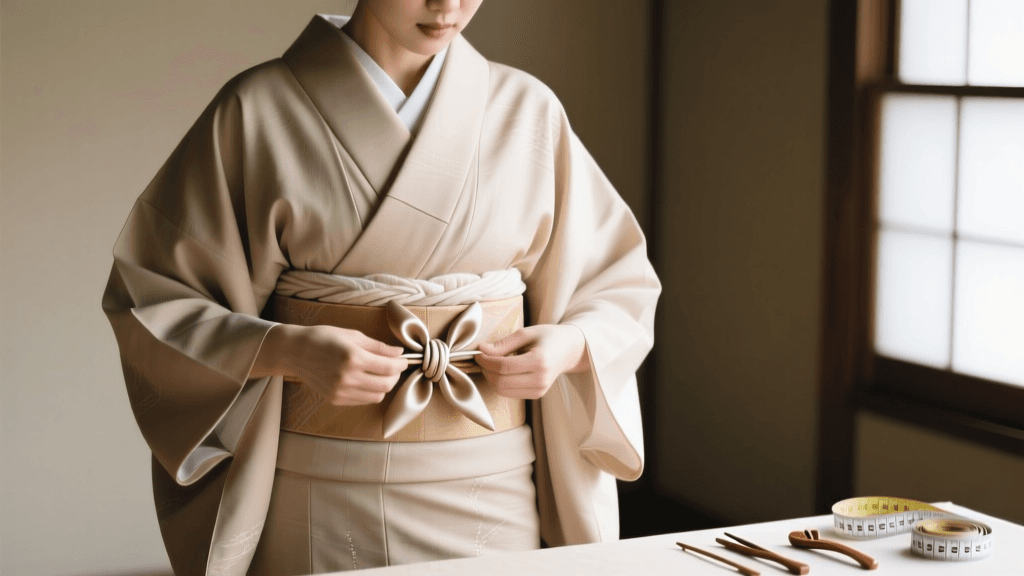
Acquiring ceremonial Hanfu requires an understanding of traditional measurements and tailoring. Unlike Western clothing, which is cut to hug the body's curves, Hanfu is cut from flat, rectangular pieces of fabric, relying on the drape and the belt to create the silhouette. When ordering bespoke garments in 2026, tailors will ask for your Tongxiu (total wingspan from wrist to wrist) and Tongchang (total length from shoulder to floor), rather than standard chest and waist measurements.
The Golden Rule: Jiaoling Youren
The most critical rule of Hanfu etiquette is Jiaoling Youren—the left side of the collar must always cross over the right side, forming a 'y' shape. Crossing right over left is historically reserved exclusively for the deceased or certain nomadic tribes in antiquity, and doing so at a joyous family ceremony is considered highly inauspicious and offensive.
Sustainable Sourcing and Eco-Dyes
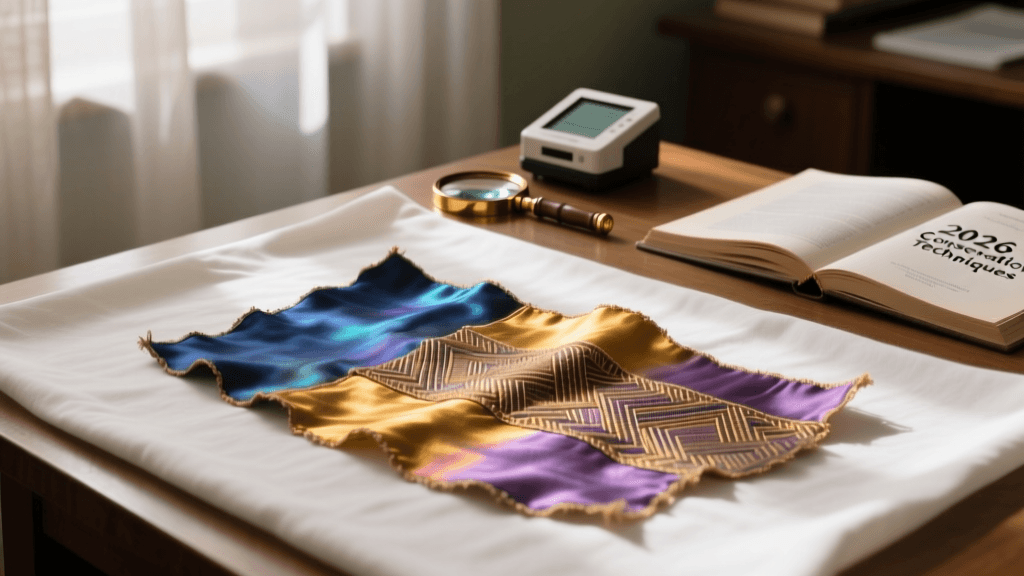
The 2026 market is heavily driven by sustainability. Discerning buyers are seeking out studios that utilize traditional plant dyeing methods, a practice that has seen a massive revival. As noted by textile historians at the Metropolitan Museum of Art, the historical use of natural dyes along the Silk Road not only produced breathtaking colors but also imbued the fabrics with medicinal and protective qualities. Today, you can source ceremonial Hanfu dyed with indigo for protection, madder root for joyous occasions, and pagoda tree buds for solemn rites. When purchasing, always look for certifications from the China National Textile and Apparel Council regarding eco-friendly dyeing processes.
Conclusion
Dressing in Hanfu for family ceremonies is an act of cultural continuity. Whether you are wrapping your newborn in tiger-motif cotton, standing at the altar in a sweeping Ming-style Phoenix Crown, or bowing before an ancestral altar in unbleached ramie, you are participating in a living tradition. By understanding the historical context, respecting the sartorial rules, and embracing the sustainable innovations of 2026, you ensure that these profound family milestones are honored with the grace and dignity they deserve.