Mamianqun Horse-Face Skirt: Modern 2026 Styling & Pairing Guide
The Mamianqun Renaissance: Integrating Ming Dynasty Elegance into 2026 Wardrobes
As we navigate the global fashion landscape of 2026, the boundaries between historical heritage and contemporary street style have never been more fluid. At the forefront of this sartorial evolution is the Mamianqun, traditionally known in English as the 'horse-face skirt.' Originating in the Song Dynasty and reaching its zenith of popularity and structural refinement during the Ming Dynasty (1368–1644), this iconic garment has transcended its ceremonial and historical roots. Today, it stands as a cornerstone of the 'New Chinese Style' (Xin Zhongshi) movement, offering a masterclass in how traditional Asian textiles can be seamlessly integrated into modern, everyday wardrobes.
Unlike the highly structured and restrictive silhouettes of some historical garments, the Mamianqun is inherently dynamic. Its unique construction allows for a dramatic, sweeping elegance that pairs just as beautifully with a tailored 2026 corporate blazer as it does with an oversized vintage leather jacket. In this comprehensive guide, we will explore the anatomy of the horse-face skirt, provide actionable styling formulas for the modern wardrobe, and offer essential care tips to maintain the garment's structural integrity.
The Anatomy of the Horse-Face Skirt
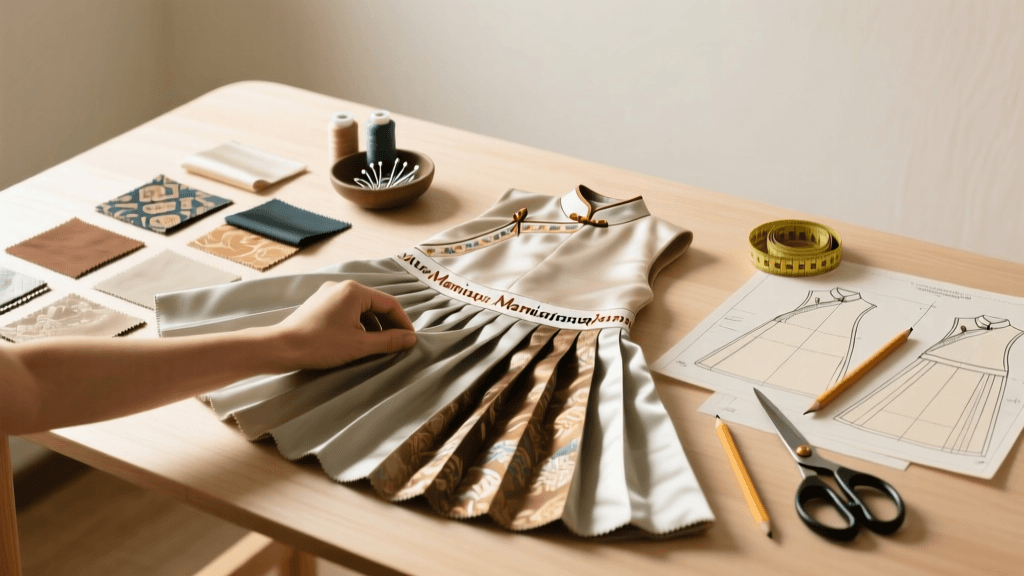
To style the Mamianqun effectively, one must first understand its brilliant architectural design. The skirt is a wrap-style garment characterized by two flat, unpleated panels at the front and back—these are the 'horse faces' (mamian). The sides of the skirt feature deep, symmetrical knife pleats that remain hidden when standing still but fan out spectacularly with movement.
The waistband is typically constructed from a contrasting, sturdy fabric (often white or unbleached cotton in historical contexts, though modern 2026 iterations use everything from vegan leather to silk grosgrain) to provide structure and grip, ensuring the heavy pleated fabric stays securely anchored at the natural waist. The skirt wraps around the body and is secured with ties, creating a slight, intentional slit on the sides that offers unparalleled ease of movement compared to Western pencil or pleated skirts.
The 2026 'New Chinese Style' Context
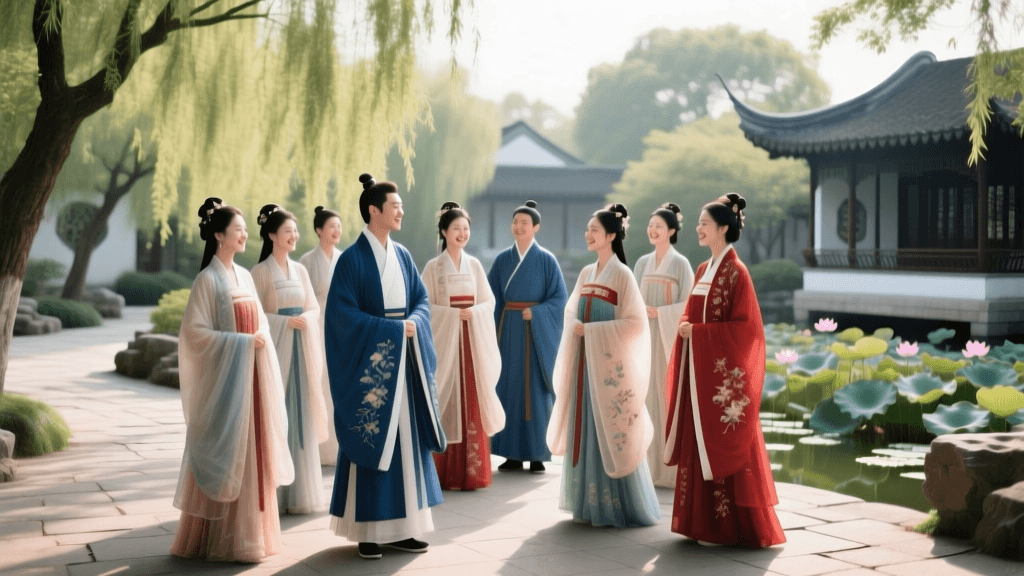
The explosion of the Mamianqun into global consciousness is deeply tied to the broader Hanfu movement, which has evolved from a niche subculture into a dominant force in Asian fashion over the last decade. By 2026, the trend has matured. Consumers are no longer just seeking historical reenactment; they are demanding hybrid garments that respect traditional weaving techniques while utilizing modern, sustainable textiles.
Contemporary designers are now employing digital jacquard looms to recreate intricate Ming Dynasty motifs—such as the python (mang), flying fish (feiyu), and floral scrollwork—using recycled PET threads and sustainably sourced viscose. This fusion of ancient aesthetics and 2026 eco-conscious manufacturing has made the Mamianqun a staple in the closets of fashion-forward individuals from Shanghai to New York, London, and Paris.
Styling Formula 1: The Modern Corporate Office
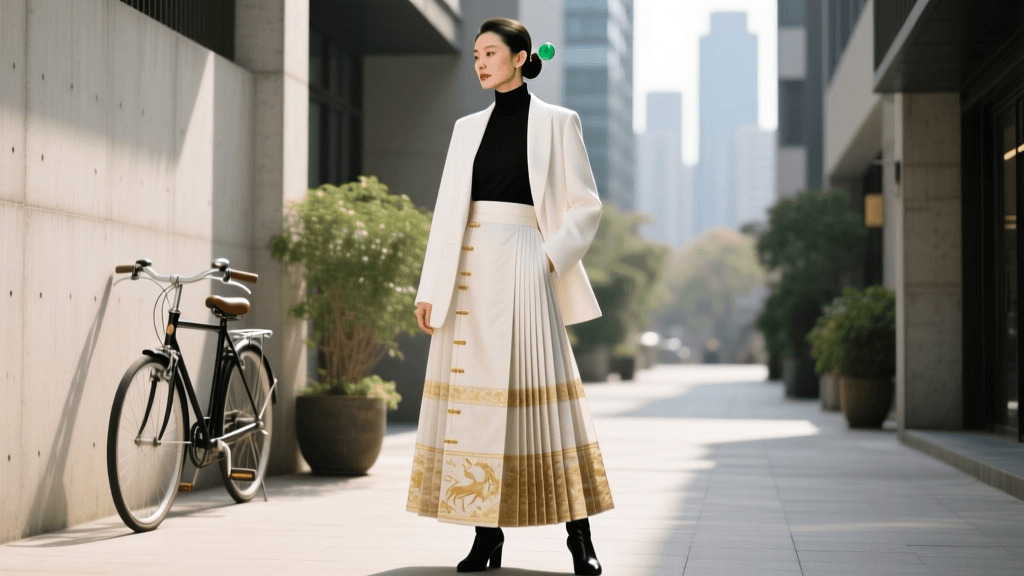
One of the most surprising and sophisticated ways to wear the Mamianqun in 2026 is as a replacement for the standard office midi-skirt or wide-leg trouser. The key to nailing the corporate aesthetic is balancing the skirt's ornate patterns with minimalist, structured modern tailoring.
- The Top: Opt for a crisp, oversized white poplin button-down shirt, half-tucked into the waistband, or a fine-gauge merino wool turtleneck in a neutral tone (charcoal, camel, or ivory). The high neckline of a turtleneck mirrors the modesty and elegance of traditional Ming Dynasty layering.
- The Outerwear: A sharply tailored, single-breasted blazer with strong shoulders. The blazer should ideally hit just above or exactly at the waistband of the skirt to maintain the garment's natural high-waisted proportion.
- The Footwear: Chunky loafers with a polished leather finish or sleek, pointed-toe ankle boots. Avoid delicate stilettos, as the visual weight of the pleated skirt requires a grounded, substantial shoe.
- Color Coordination: If your Mamianqun features a dark, moody brocade (like deep emerald or navy with gold threads), anchor the outfit with a monochromatic black or navy top and blazer. Let the skirt be the sole statement piece.
Styling Formula 2: Edgy Streetwear & Weekend Wear
The streetwear adaptations of the Mamianqun have defined the 'Xin Zhongshi' aesthetic on global runways and social media feeds in 2026. The juxtaposition of ancient, regal textiles with gritty, utilitarian streetwear creates a striking visual tension.
- The Top: A vintage-wash, oversized graphic tee or a cropped, distressed knit sweater. Cropped tops are particularly effective because they eliminate the need to tuck bulky fabrics into the waistband, preserving the clean lines of the skirt's front panel.
- The Outerwear: A cropped moto leather jacket or a distressed denim jacket. The harshness of the leather or denim perfectly offsets the luxurious sheen of the jacquard skirt.
- The Footwear: Platform sneakers or combat boots. The 2026 trend of exaggerated, chunky soles works incredibly well with the floor-grazing hem of the Mamianqun, preventing the heavy fabric from dragging on the pavement.
- Accessories: Layered silver chain necklaces, a sleek crossbody bag, and modern geometric sunglasses. Avoid traditional hair sticks or fans unless you are attending a specific cultural festival; keep the accessories decidedly modern.
Fabric & Occasion Matrix for 2026
Choosing the right fabric is critical for ensuring your Mamianqun fits the occasion. The market in 2026 offers a diverse range of materials, each with distinct drape, sheen, and care requirements.
| Fabric Type | Best Occasion | 2026 Price Range (USD) | Drape & Structure | Care Level |
|---|---|---|---|---|
| Silk Brocade / Zou | Formal Events, Galas, Ceremonial | $180 - $400+ | Stiff, highly structured, luxurious sheen | High (Dry Clean Only) |
| Digital Jacquard Poly | Office, Daily Wear, Travel | $55 - $120 | Medium structure, wrinkle-resistant | Low (Machine Wash Cold) |
| Cotton-Linen Blends | Casual, Summer, Weekend | $45 - $90 | Soft, breathable, matte finish | Medium (Hand Wash, Ironing required) |
| Recycled PET Satin | Streetwear, Evening Outings | $70 - $150 | Fluid, heavy drape, eco-friendly | Low (Machine Wash, Steam) |
Sizing, Proportions, and the Golden Ratio
A common mistake when purchasing a Mamianqun online is selecting the wrong length, which can drastically alter the silhouette. The traditional and most flattering way to wear the skirt is at the natural waist (the narrowest part of the torso), with the hem grazing the top of the foot.
Standard 2026 Length Guide:
- Petite (Under 5'3" / 160cm): Look for skirt lengths between 85cm and 90cm. This will hit at the mid-calf, allowing for a midi-style look that pairs well with ankle boots.
- Average (5'4" to 5'7" / 162cm - 170cm): A length of 95cm to 100cm is ideal, providing that elegant, floor-grazing drape when worn at the natural waist.
- Tall (Over 5'8" / 172cm): Seek out custom or 'extended length' options ranging from 105cm to 110cm to ensure the pleats have enough fabric to fan out properly without looking like a high-water skirt.
When styling, aim for the 1:3 golden ratio. The top (including outerwear) should visually represent one-quarter of your total height, while the Mamianqun represents the remaining three-quarters. This is why cropped jackets and high-waisted tucking are so heavily favored by modern stylists.
Modern Care and Pleat Maintenance
The most intimidating aspect of owning a Mamianqun is maintaining the razor-sharp knife pleats. Fortunately, modern textile technology and garment care tools have made this significantly easier than in the past.
Washing: For synthetic jacquards and cotton blends, always use a mesh laundry bag specifically designed for pleated garments. These bags feature internal straps that keep the skirt tightly rolled in the direction of the pleats, preventing them from exploding and tangling in the washing machine. Use a gentle, cold-water cycle with a mild detergent.
Drying and Steaming: Never put a Mamianqun in a tumble dryer. Instead, remove it from the mesh bag while damp, gently shake it out, and hang it on a skirt hanger with wide, padded clips. Use a 2026-era smart garment steamer with a specialized pleat-press attachment to gently steam the pleats from the waistband down to the hem. The steam will reactivate the heat-set memory of the synthetic fibers, snapping the pleats back into perfect alignment.
Storage: While traditionalists fold the skirt using a specific wrapping technique to preserve the pleats, modern urban dwellers often lack the drawer space. Hanging is perfectly acceptable provided you use clips that do not dent the waistband. If you must pack the skirt for travel, roll it tightly from the hem to the waistband, securing it with a silk ribbon to prevent friction and creasing.
Conclusion: A Timeless Silhouette for the Modern Era
The Mamianqun is far more than a historical artifact or a fleeting trend; it is a testament to the enduring brilliance of Asian textile engineering. As we embrace the fashion landscape of 2026, the horse-face skirt offers a unique opportunity to participate in a global dialogue about heritage, sustainability, and personal style. Whether you are pairing a muted, minimalist cotton-linen Mamianqun with a simple tee for a weekend market run, or commanding a boardroom in a sweeping, dark-toned jacquard and a sharp blazer, this garment proves that true elegance is timeless, adaptable, and profoundly powerful.
For those looking to deepen their understanding of the historical context that birthed this magnificent garment, exploring the broader Ming Dynasty artistic and cultural heritage provides invaluable insight into the motifs and weaving techniques that continue to inspire today's modern designers.