Handcrafted Geta & Zori Guide 2026: Craft, Fit & Care
The 2026 Renaissance of Traditional Japanese Footwear
In the vibrant fashion landscape of 2026, the intersection of heritage craftsmanship and contemporary streetwear has reached an unprecedented zenith. Nowhere is this more evident than in the global resurgence of traditional Japanese footwear. Once relegated to seasonal festivals or strict ceremonial use, handcrafted geta (wooden clogs) and zori (flat sandals) are now being embraced by avant-garde designers and everyday consumers alike. The modern wearer values the tactile, sensory experience of natural materials, seeking an antidote to the synthetic, mass-produced sneakers that have dominated the market for decades.
According to the Ministry of Economy, Trade and Industry (METI), the designation and preservation of traditional Japanese crafts have seen a renewed surge in interest among younger demographics in 2026. Artisans who carve wooden bases and weave textile straps are experiencing a renaissance, blending centuries-old techniques with modern ergonomic insights. Whether you are a collector of heritage garments, a practitioner of Zen arts, or simply a fashion enthusiast looking to incorporate authentic Asian traditions into your wardrobe, understanding the craft, fit, and care of geta and zori is essential.
The Anatomy of Geta and Zori
To appreciate the craftsmanship, one must first understand the structural components that define these iconic silhouettes. While they share the iconic V-shaped thong strap, their bases and purposes differ significantly.
Geta: The Elevated Wooden Clog
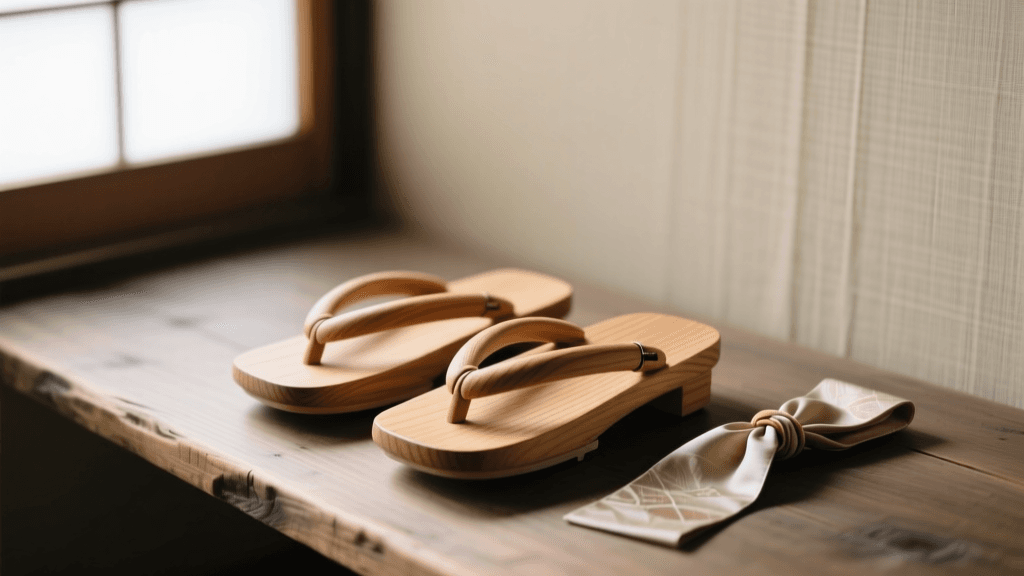
The geta is instantly recognizable by its elevated wooden base, designed historically to keep the hem of expensive silk kimonos above the mud and puddles of unpaved streets. A traditional geta consists of three main parts:
- Dai (Base): The main wooden platform. In 2026, premium artisan geta are predominantly carved from Yoshino Hinoki (Japanese cypress) or Kiri (paulownia). Hinoki is highly prized for its natural rot resistance, lightweight properties, and its soothing, forest-like aroma that activates when exposed to moisture.
- Ha (Teeth): The supporting blocks beneath the dai. Standard geta feature two teeth, though single-tooth (tengu-geta) and three-tooth variations exist for specific professions and dance forms. Modern craftsmen are now shaping the ha with subtle ergonomic curves to better absorb the impact of walking on modern concrete.
- Hanao (Strap): The V-shaped thong that secures the foot. Traditional hanao are made from braided cotton or silk, though contemporary 2026 designs frequently incorporate upcycled vintage textiles, vegan leather, and waterproof synthetic weaves for urban commuting.
Zori: The Formal Flat Sandal
Unlike the elevated geta, zori feature a flat, wedge-like sole. They are the standard footwear for formal occasions, such as tea ceremonies, weddings, and martial arts demonstrations. The soles are traditionally covered in tatami-omote (woven rush grass), which provides excellent ventilation and a soft, yielding step. For formal women's kimono ensembles, zori are often covered in brocade silk or vinyl, matched precisely to the obi (sash). Men’s zori tend to be simpler, often featuring woven bamboo or vinyl covers with subdued, earthy tones.
The Artisan’s Process: Carving the Dai
The creation of a premium Hinoki geta base is a masterclass in subtractive sculpture. Artisans begin with raw, kiln-dried blocks of Hinoki that have been aged for several years to stabilize the moisture content. Using specialized drawknives and chisels, the carver shapes the dai, paying meticulous attention to the grain direction. Cutting against the grain compromises the structural integrity of the wood, particularly around the mortises where the hanao knots will be secured.
'The sound of a well-carved geta is not just a noise; it is a signature. When the Hinoki strikes the stone, it should produce a crisp, resonant karan-koron that echoes the heartbeat of the city.' — Master Woodworker, Asakusa District.
In 2026, sustainability is at the forefront of the craft. Many workshops now utilize offcuts from architectural Hinoki milling to reduce waste, and natural tung oil finishes have replaced synthetic lacquers to ensure the wood remains breathable and biodegradable at the end of its lifecycle.
Sizing and Fit: The Golden Rule of Overhang
One of the most common mistakes Western consumers make when purchasing traditional Japanese footwear is applying standard sneaker sizing logic. In the tradition of geta and zori, the foot is not meant to be entirely encapsulated. The golden rule of Japanese footwear fit is kaato no dasu—the intentional overhang of the heel.
When wearing geta or zori, your heel should extend slightly past the back edge of the dai by approximately 1 to 2 centimeters. This overhang prevents the heavy fabric of a kimono hem from catching on the back of the wooden base and getting soiled. Furthermore, it shifts your center of gravity slightly forward, promoting a natural, upright posture and a graceful, gliding walking gait.
2026 Sizing Conversion Chart
Japanese footwear is measured strictly in centimeters (CM). Below is a guide to help you select the correct dai length for your feet in 2026.
| US Men's Size | US Women's Size | Foot Length (CM) | Recommended Geta/Zori Length (CM) |
|---|---|---|---|
| 6.5 | 8.0 | 24.5 | 24.0 |
| 7.5 | 9.0 | 25.5 | 25.0 |
| 8.5 | 10.0 | 26.5 | 26.0 |
| 9.5 | 11.0 | 27.5 | 27.0 |
| 10.5 | 12.0 | 28.5 | 28.0 |
Note: Always round down to the nearest half-centimeter when selecting the base length to ensure the proper heel overhang.
Mastering the Hanao: Adjustment and Tying
The hanao is the soul of the geta. A poorly adjusted strap will cause blisters and an awkward gait, while a perfectly tuned hanao feels like an extension of your own foot. The hanao passes through three holes in the dai: one at the front (between the big and second toe) and two at the rear sides. Inside the dai, the straps are secured with knots, often backed by small metal washers or wooden plugs to prevent them from pulling through the wood.
Step-by-Step Adjustment Guide
- Locate the Plugs: Turn the geta upside down. You will see wooden or plastic plugs covering the hanao knots. Gently pry these out using a flathead tool or a specialized geta kagi (hook).
- Assess the Tension: Put the geta on. The front thong should sit snugly between your toes without pulling the skin taut. The side straps should hold your foot securely without lifting the base away from your sole when you walk.
- Tighten or Loosen: If the base slaps loudly against your heel (a sign the strap is too loose), pull the side cords tighter and re-tie the knot. If your toes are cramping, release a few millimeters of tension.
- Secure the Knot: Tie a secure double overhand knot, trim any excess cord leaving about 1 cm of tail, and tap the wooden plug back into the mortise using a rubber mallet.
Care and Maintenance for Modern Climates
Wood and natural fibers are living materials that react to their environment. The Japan National Tourism Organization (JNTO) frequently highlights the importance of seasonal care for traditional crafts, and footwear is no exception. To ensure your artisan geta last for decades, follow these 2026 maintenance protocols:
- Humidity Control: Hinoki and Kiri woods can warp or crack if exposed to extreme fluctuations in humidity. Avoid leaving your geta near radiators in the winter or in direct, scorching sunlight during the summer. Store them in a well-ventilated area with a moderate humidity level (around 45-55%).
- Wood Oiling: Once a year, preferably before the rainy season, apply a thin coat of natural camellia oil (tsubaki oil) or unboiled linseed oil to the unfinished wooden bases. This nourishes the grain, enhances the water-repellency, and revitalizes the wood's natural aroma.
- Hanao Hygiene: The fabric straps absorb sweat and environmental dirt. For cotton or silk hanao, spot clean with a damp cloth and a mild, pH-neutral detergent. If the straps become frayed or lose their structural integrity, they are designed to be replaceable. Many artisan shops offer mail-in hanao replacement services.
- Teeth Protection: If you walk frequently on asphalt, the wooden ha (teeth) will wear down unevenly. Modern cobblers specializing in Japanese footwear can attach thin, high-density rubber caps to the bottom of the teeth to preserve the wood and reduce the slipping hazard on wet urban surfaces.
Investing in Heritage: Where to Buy
As the appreciation for slow fashion grows, investing in a pair of handcrafted geta or zori is a commitment to cultural preservation. In 2026, a pair of authentic, custom-carved Hinoki geta with hand-braided silk hanao typically ranges from ¥25,000 to ¥45,000 ($170 to $310 USD), depending on the complexity of the carving and the rarity of the wood grain. Mass-produced, glued alternatives are available for a fraction of the cost, but they lack the acoustic resonance, ergonomic balance, and generational durability of true artisan pieces.
When shopping, look for the official traditional craft seals recognized by METI, or seek out multi-generational workshops in historic districts like Asakusa in Tokyo or the Higashiyama ward in Kyoto. By choosing handcrafted footwear, you are not merely buying a garment accessory; you are stepping into a living, breathing tradition that continues to evolve with every footprint.