2026 Guide to Ming Hanfu Weddings & Ji Li Ceremonies
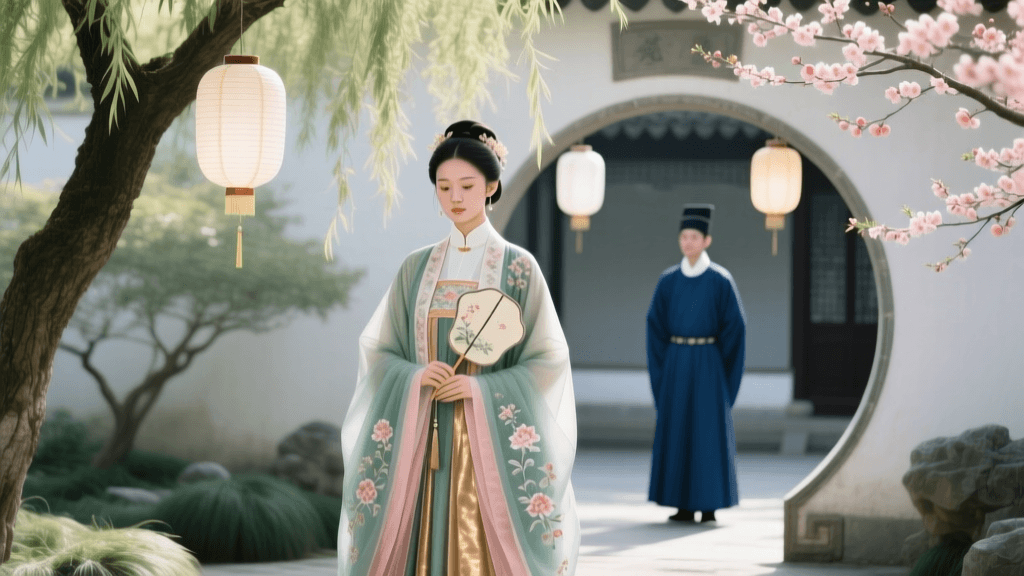
The year 2026 marks a pivotal moment in the evolution of traditional Chinese garments. What began as a niche internet subculture over a decade ago has fully matured into a mainstream standard for life milestones. Today, couples and families are increasingly bypassing Western-style white gowns and modern suits in favor of historically accurate Hanfu for weddings and coming-of-age rites. According to cultural analysts at Smithsonian Magazine, the Hanfu movement has profoundly reshaped China's domestic fashion industry, with milestone ceremonies serving as the primary driver for high-end, custom textile commissions. This comprehensive guide explores the meticulous planning required for Ming Dynasty Hanfu weddings and the traditional Ji Li (coming-of-age) ceremony in 2026, complete with budgeting, fabric drape analysis, and actionable timelines.
The Ji Li (笄礼) Ceremony: A Rite of Passage in 2026
The Ji Li is the traditional coming-of-age ceremony for young women, typically performed around the age of twenty or upon engagement. Rooted in the Zhou Dynasty but heavily stylized by Ming-era aesthetics in modern practice, the rite centers on the 'San Jia' (Three Additions) of hairpins and garments, symbolizing the transition from childhood to adulthood.
The Three Additions (San Jia)
- First Addition (Chu Jia): The celebrant changes into a simple, lightweight Ruqun (blouse and skirt). The hair is styled into a simple bun, and a basic hairpin is inserted by the 'Zan Zhe' (the honored guest or elder). This represents the innocence of childhood.
- Second Addition (Er Jia): The garment is upgraded to a more structured Aoqun (lined jacket and pleated skirt) or a Beizi (long open-front coat). A more ornate hairpin is added, symbolizing the responsibilities of youth and societal participation.
- Third Addition (San Jia): The final change involves the most formal attire, typically a Ming-style Da Ao (large-sleeved formal jacket) and a heavily pleated Mamianqun (horse-face skirt). A grand Fengguan (phoenix crown) or elaborate jeweled hairpin set is placed, signifying full adulthood and readiness for marriage or independent life.
In 2026, many families host these ceremonies in restored heritage courtyards or botanical gardens. The modern Xin Zhongshi (New Chinese Style) movement has influenced the makeup and styling for these rites, favoring minimalist, porcelain-skin aesthetics with subtle crimson accents over the heavy theatrical makeup of the early 2020s revival.
Ming Dynasty Hanfu: The Gold Standard for Weddings
While the Tang and Song dynasties offer beautiful silhouettes, the Ming Dynasty (1368–1644) remains the undisputed gold standard for traditional Chinese weddings in 2026. As noted by The Metropolitan Museum of Art, the Ming era was characterized by strict sumptuary laws, but with a famous exception: on their wedding day, commoners were permitted to wear the attire of lower nobility. This historical loophole birthed the iconic 'Fengguan Xiapei' (Phoenix Crown and Cloud Shoulder) ensemble that defines the traditional Chinese bride today.
Garment Breakdown and Drape Analysis
The bride's ensemble typically features a red or deep crimson Da Ao with a Mandarin collar (Piling) and a Mamianqun adorned with gold-woven dragons, phoenixes, or auspicious clouds. The groom wears a dark blue or black Dao Pao (Taoist robe) or a formal Dahu jacket with a Winged Hat (Wushamao).
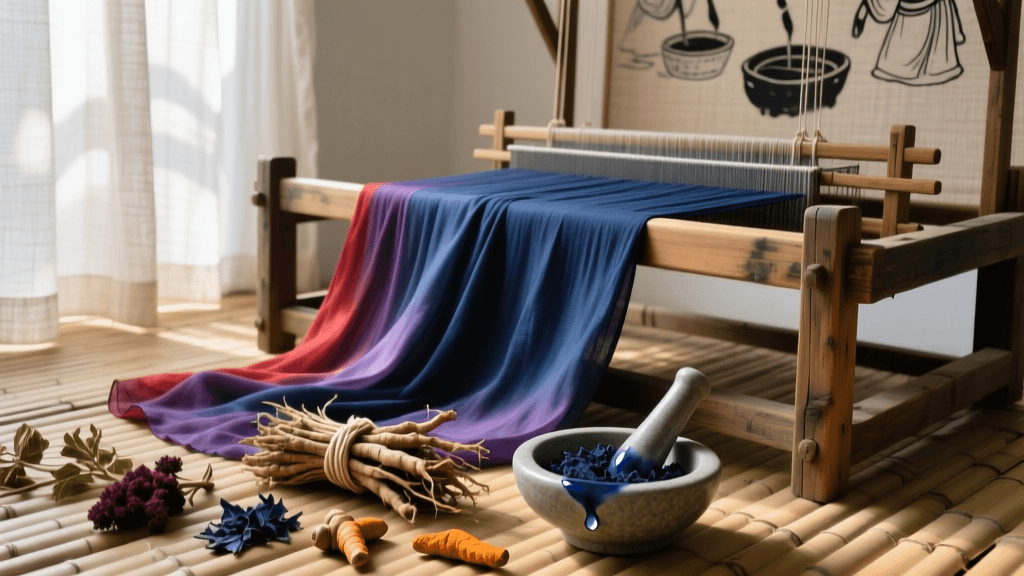
Fabric Drape Analysis: The silhouette of Ming formalwear relies heavily on the weight and structure of the fabric. In 2026, top-tier studios utilize heavyweight Mulberry silk brocade (Zhuanghua) or Gambiered Canton Gauze (Xiangyunsha). Xiangyunsha is particularly prized for its unique structural drape; it holds the stiff, architectural A-line shape of the Mamianqun without the need for synthetic crinolines, while producing a distinct, luxurious rustling sound (known as 'silk singing') when the bride walks. Conversely, lighter silk satins require internal weighting or modern laser-cut interlinings to prevent the pleats from collapsing during the multi-hour ceremony.
Sourcing and Budgeting for 2026 Ceremonies
Commissioning or purchasing authentic Hanfu requires careful planning. Lead times for hand-woven silk brocade can stretch for months. Below is a breakdown of the 2026 market tiers for Ming-style wedding and formal milestone Hanfu.
| Garment Tier | Brand / Studio Example | Primary Fabric | Estimated 2026 Cost (USD) | Lead Time |
|---|---|---|---|---|
| Entry-Level | Shisan Yu / Lan Ruoting | Polyester Blends, Viscose, Heat-Set Pleats | $150 - $300 | 7 - 14 Days |
| Mid-Range | Ting Niang / Zhongliang | Silk-Cotton Blends, Jacquard, Faux Brocade | $450 - $850 | 30 - 45 Days |
| Couture | Ming Huatang / Shibo | 100% Mulberry Silk, Real Gold Thread Z妆花 (Zhuanghua) | $1,800 - $4,500+ | 3 - 6 Months |
Note: Accessories such as the Phoenix Crown (Fengguan) and custom jade-hairpins are priced separately, with authentic kingfisher-feather alternatives (Tian-tsui) made from ethically sourced dyed silk and crushed abalone shell costing upwards of $600 in 2026.
Step-by-Step Ceremony Day Timeline
Executing a traditional milestone ceremony requires military precision, as layering Ming Hanfu is a complex process that restricts modern mobility. Here is an actionable timeline for a standard Ming Hanfu wedding or formal Ji Li rite.
- 06:00 AM - Base Preparation: Begin with skincare and base makeup. The Xin Zhongshi aesthetic dictates a matte, flawless base. Hair must be prepped with extensions to support the weight of the Fengguan, which can weigh up to 2.5 kilograms.
- 08:00 AM - The Inner Layers: Dress in the Zhongyi (inner garments) and Zhongku (inner trousers). These white cotton or silk layers protect the expensive outer brocade from sweat and skin oils.
- 09:30 AM - The Outer Robes & Skirt: Step into the Mamianqun. The skirt is wrapped and tied securely at the natural waist (not the hips). The Da Ao is then slipped on. Because Ming sleeves can extend 60-70cm past the wrist, the bride must practice the 'Gongshou' (folded hands) gesture to manage the fabric gracefully.
- 11:00 AM - Accessories & Cloud Shoulder: The Xiapei (cloud shoulder) is draped over the shoulders and weighted at the front with jade pendants to keep it perfectly centered. The Phoenix Crown is pinned securely into the structural hair base.
- 01:00 PM - The Rite / Vows: The core ceremony takes place. For weddings, this involves the 'San Bai' (three bows) to heaven/earth, parents, and each other. For the Ji Li, this is when the Zan Zhe performs the final hairpin insertion.
- 03:00 PM - Banquet & Second Look: Many modern couples switch to a lighter, Tang-dynasty inspired Banbi or a modern Xin Zhongshi Qipao for the banquet to allow for easier movement and toasting.
Preserving and Storing Milestone Garments
Given the investment required for couture Ming Hanfu, proper storage is essential to ensure these garments become family heirlooms. The real gold threads used in Zhuanghua brocade are highly susceptible to oxidation and moisture.
'Never hang a heavy Ming-style Da Ao or a pleated Mamianqun on standard hangers. The weight of the silk will distort the shoulders, and gravity will permanently stretch the side pleats of the skirt. Always store them flat.' — BBC Culture Textile Conservation Guidelines
In 2026, best practices dictate wrapping the garments in unbleached, acid-free muslin cloth. Place the wrapped garments in a breathable cedar chest or archival-quality plastic bin with silica gel packets to maintain a relative humidity of 45-50%. Avoid direct contact with mothballs, as the chemicals can react with the metallic threads, causing irreversible blackening. Instead, use natural dried mugwort or sandalwood sachets to deter pests.
Conclusion
Planning a Ming Dynasty Hanfu wedding or a Ji Li ceremony in 2026 is a profound commitment to cultural continuity. It requires an understanding of historical silhouettes, a respect for traditional textiles, and meticulous logistical planning. By investing in authentic fabrics, adhering to the ritual timelines, and practicing proper garment conservation, participants do more than just host an event; they weave themselves into a living, breathing tapestry of Asian heritage that continues to evolve with grace and dignity.