Top Chinese Natural Dye Plants For Eco Fashion 2026
The 2026 Renaissance of Chinese Botanical Dyes
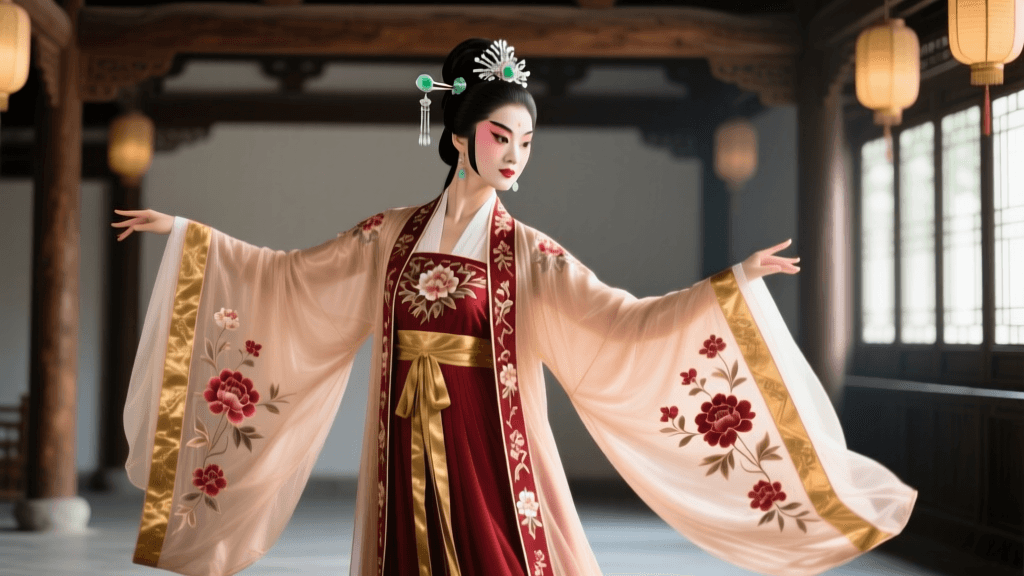
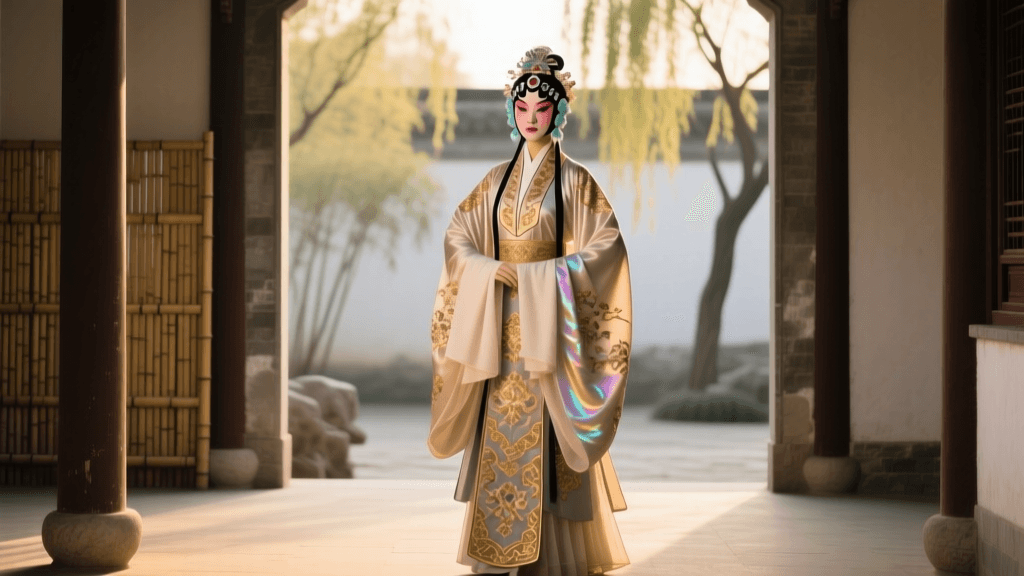
As the global fashion industry pivots aggressively toward regenerative practices in 2026, traditional Chinese garment makers are leading a vibrant renaissance in botanical dyeing. The creation of authentic Hanfu, Qipao, and Tangzhuang is no longer just about preserving historical silhouettes; it is equally about honoring the earth through sustainable textile practices. According to recent data from Textile Exchange, the demand for naturally dyed, biodegradable textiles has surged, driven by consumers who demand transparency and ecological harmony in their wardrobes.
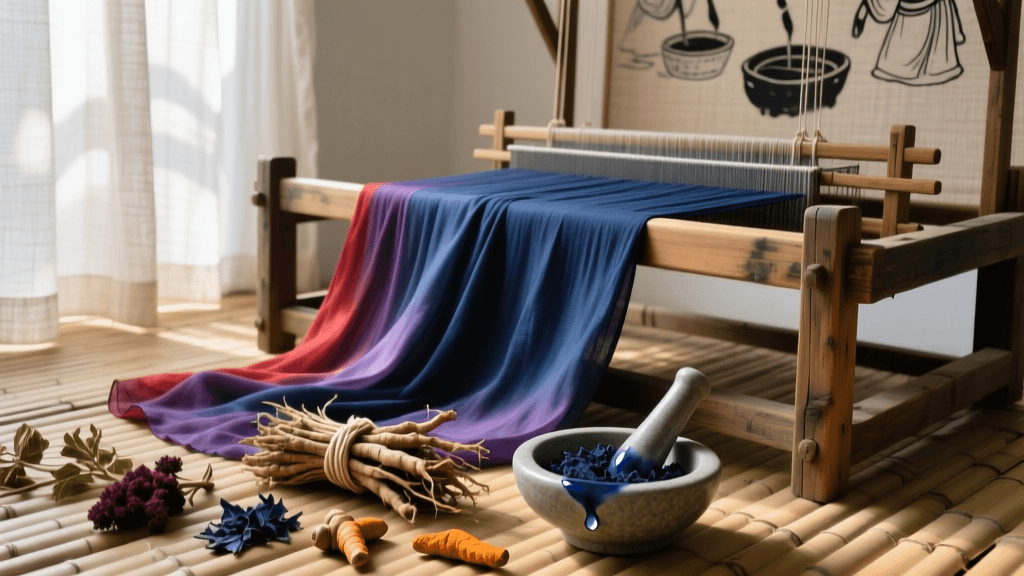
Historically, Chinese artisans mastered the alchemy of extracting vivid hues from roots, bark, leaves, and flowers. Today, modern eco-dyers are combining these ancient botanical recipes with 2026's green chemistry innovations, such as solar-thermal extraction vats and bio-mordants. This guide explores the most vital Chinese natural dye plants, offering actionable, eco-friendly techniques for dyeing traditional garments without relying on toxic synthetic azo dyes.
The Core Flora: 5 Essential Chinese Dye Plants
To achieve the rich, historically accurate color palettes required for traditional Asian garments, dyers must understand the unique chemical properties of native Chinese flora. Here are the top five plants dominating the eco-fashion space this year.
1. Lancao (Polygonum tinctorium) - The Indigo Master
While indigo is used globally, Chinese Lancao (often referred to as Japanese knotweed or Chinese indigo) is prized for its deep, cool-toned blues. Unlike synthetic indigo, which requires toxic sodium dithionite for reduction, traditional Lancao is fermented in an alkaline vat. In 2026, eco-dyers are utilizing organic fructose derived from date syrup and calcium hydroxide (slaked lime) to maintain the vat's pH between 10 and 11. This bio-reduction method yields the iconic "Qing" (cyan-blue) seen in Ming Dynasty-style Hanfu, with zero heavy metal runoff.
2. Qiancao (Rubia cordifolia) - The Madder Root
Qiancao, or Chinese madder, is the premier source for historical reds, ranging from soft terracotta to deep crimson. The active dye molecule, alizarin, binds exceptionally well to protein fibers like silk and wool. For eco-friendly extraction, modern dyers use a slow, low-temperature steeping method. Heating the bath above 70°C extracts unwanted brown tannins. By maintaining a steady 60°C using solar-heated water jackets, artisans achieve the vibrant "Zhu" (vermilion) reds essential for traditional bridal Qipaos and wedding jackets.
3. Huangbo (Phellodendron amurense) - The Amur Cork Tree
The inner bark of the Huangbo tree yields a brilliant, luminous yellow. Beyond its aesthetic appeal, Huangbo contains berberine, a natural alkaloid that acts as a powerful insect repellent and antimicrobial agent. This makes it the ultimate choice for dyeing archival garments and silk undergarments. The extraction process is remarkably low-impact: the bark is simply soaked in cold water for 48 hours, requiring zero thermal energy, aligning perfectly with 2026's zero-emission dyeing standards.
4. Zicao (Lithospermum erythrorhizon) - The Gromwell Root
For the imperial purples and deep magentas of the Tang and Song dynasties, Zicao is irreplaceable. The dye compound, shikonin, is highly sensitive to heat and alkalinity. To extract it sustainably, dyers use a cold-fermentation technique or a gentle alcohol-based tincture method using food-grade ethanol. When applied to silk mordanted with iron, Zicao shifts from a vibrant magenta to a moody, aristocratic plum-purple, perfect for elegant outer robes.
5. Chaye (Camellia sinensis) - The Tea Leaf
Often overlooked, oxidized tea leaves (such as Pu-erh or aged Oolong) provide a sophisticated palette of warm greys, taupes, and soft browns. Tea dyeing is the ultimate upcycling practice in 2026, utilizing spent leaves from local tea houses. The high tannin content in tea acts as both a dye and a substantive mordant, meaning it can bind directly to cellulose fibers like hemp and ramie without the need for additional metallic salts.
Eco-Friendly Extraction and Bio-Mordanting in 2026
The sustainability of natural dyeing hinges not just on the plants, but on the mordants used to fix the color to the fiber. Historically, heavy metals like chrome and tin were used, but these are entirely obsolete in modern eco-fashion. Today, the focus is on bio-mordants and safe mineral salts.
- Potassium Aluminum Sulfate (Alum): The industry standard for brightening colors on silk and wool. It is non-toxic and naturally occurring.
- Soy Milk Binder: For cellulose fibers like hemp or organic cotton used in everyday Hanfu, soy milk provides a protein coating that allows botanical dyes to bond effectively without metallic salts.
- Iron Rust Water (Ferrous Acetate): Created by soaking rusty nails in a solution of water and rice vinegar. This bio-mordant "saddens" or darkens colors, turning madder reds into deep burgundies and tea browns into charcoal greys.
Furthermore, water conservation is paramount. The World Wildlife Fund's apparel initiatives continually highlight the devastating water footprint of synthetic dyeing. In response, 2026's botanical dye studios utilize closed-loop water filtration systems, reusing mordant baths and composting spent plant matter into fertilizer for the next season's dye crops.
Step-by-Step: Dyeing a Silk Hanfu with Zicao (Gromwell)
Creating a historically accurate, eco-friendly purple silk robe requires precision. Here is a practical guide to dyeing 500 grams of raw silk fabric using Zicao.
- Scouring: Wash the silk in a pH-neutral, biodegradable detergent at 40°C for 30 minutes to remove natural sericin gums and spinning oils. Rinse thoroughly.
- Mordanting: Dissolve 75 grams of Potassium Aluminum Sulfate (15% Weight of Fabric) and 15 grams of cream of tartar in warm water. Submerge the damp silk and hold at 60°C for 45 minutes. Let it cool in the bath overnight.
- Extraction: Crush 250 grams of dried Zicao root. Steep it in a 50/50 mix of water and food-grade ethanol for 24 hours at room temperature. Strain the deep purple liquid.
- Dyeing: Add the extracted liquid to a dye pot with enough water to allow the silk to move freely. Maintain a strict temperature of 40°C. Submerge the mordanted silk and stir gently for 60 minutes.
- Oxidation and Washing: Remove the silk and hang it in the shade. As it contacts oxygen, the color will deepen. Wash gently in cool water with a mild eco-soap, then dry away from direct sunlight to prevent UV fading.
Sustainability Impact: Natural vs. Synthetic Dyes
Understanding the ecological footprint of our choices is critical for the modern consumer and artisan. The table below contrasts the environmental impact of conventional synthetic dyeing with the 2026 standards of Chinese botanical dyeing.
| Impact Metric | Synthetic Azo Dyes | Chinese Botanical Dyes (2026 Standards) |
|---|---|---|
| Water Toxicity | High (Heavy metals, formaldehyde, microplastics) | Zero (Biodegradable, compostable, safe for aquatic life) |
| Energy Source | Fossil-fuel derived petrochemicals, high-heat vats | Solar-thermal extraction, cold-fermentation, biomass |
| End of Life | Chemical leaching in landfills, soil contamination | Fully compostable, enriches soil microbiome |
| Human Health | Carcinogenic amines, skin sensitizers, respiratory risks | Hypoallergenic, antimicrobial properties (e.g., Huangbo) |
By adhering to the principles of EPA Green Chemistry, modern botanical dyers ensure that every step of the process, from the harvest of the root to the final rinse water, actively supports environmental regeneration rather than degradation.
Sourcing Authentic Dye Plants and Future Outlook
As the popularity of traditional Asian garments continues to grow globally, the ethical sourcing of dye plants has become a priority. In 2026, reputable suppliers provide traceability certificates, ensuring that roots like Qiancao and Zicao are wildcrafted sustainably or grown on regenerative farms that do not deplete local soil nutrients. When purchasing, look for suppliers who offer the botanical Latin names to avoid misidentification, and who utilize solar-drying methods for their raw materials.
The future of Chinese traditional fashion is inextricably linked to the soil. By embracing natural dye plants, artisans and consumers alike are not merely wearing a garment; they are participating in a living, breathing ecosystem. Whether it is the deep indigo of a scholar's robe or the vibrant madder red of a festival jacket, these botanical hues carry the legacy of ancient wisdom, perfectly adapted for the sustainable demands of 2026 and beyond.