Kimono In Pop Culture: Traditional Japanese Fashion In Global Media
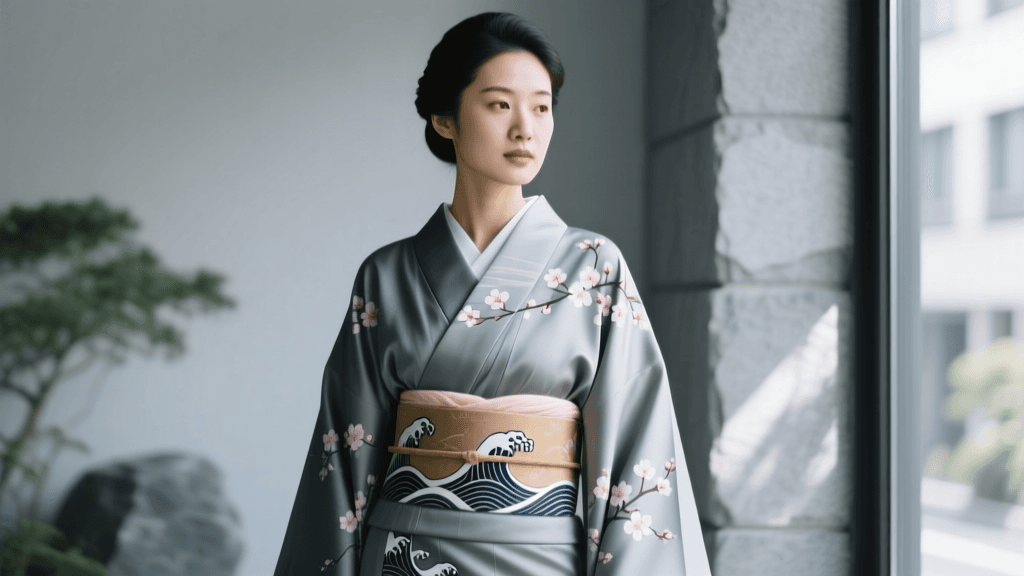
The intersection of traditional Japanese garments and global pop culture is one of the most fascinating cross-pollinations in modern fashion history. From the sweeping, samurai-inspired robes of science fiction cinema to the meticulously dyed haori jackets seen in blockbuster anime, Japanese traditional clothing has continuously shaped global media aesthetics. However, as the Victoria and Albert Museum's 'Kimono: Kyoto to Catwalk' exhibition brilliantly demonstrated, the kimono is not merely a static historical artifact or a costume for screen dressing; it is a dynamic, evolving garment that has deeply influenced Western haute couture, streetwear, and global pop culture.
The Cinematic Kimono: From Hollywood Stereotypes to High Art
For decades, Western cinema utilized the kimono and hakama (pleated trousers) as visual shorthand for exoticism or mysticism. Early Hollywood often draped actors in incorrectly styled, mass-produced silk robes that bore little resemblance to authentic Japanese dressing customs. However, the late 20th and early 21st centuries marked a dramatic shift toward appreciation and authentic representation. George Lucas famously based the Jedi robes in Star Wars on the layered silhouettes of traditional Japanese kimono and samurai hakama, prioritizing the dignified, flowing drape of natural fibers over tailored Western cuts.
In the realm of high fashion and music videos, artists like Björk and Madonna have donned authentic, vintage kimono, elevating the garment to the status of wearable art. Designers such as Alexander McQueen and John Galliano have frequently referenced shibori (tie-dyeing) and yuzen (rice-paste resist dyeing) techniques in their runway collections. According to The Metropolitan Museum of Art's Heilbrunn Timeline of Art History, the structural brilliance of the kimono—cut from straight bolts of fabric without wasting material—has profoundly influenced modern zero-waste fashion movements and avant-garde pattern making.
Anime, Cyberpunk, and the Streetwear Haori
In recent years, the global explosion of Japanese anime has introduced millions of international fans to specific traditional garments, most notably the haori (a hip- or thigh-length kimono-style jacket). Series like Demon Slayer (Kimetsu no Yaiba) feature characters wearing highly specific, historically rooted patterns. The protagonist's green-and-black ichimatsu (checkerboard) pattern became a global phenomenon, selling out in both authentic textile shops and fast-fashion retailers worldwide.
Furthermore, the cyberpunk genre—spanning from Ghost in the Shell to modern video games like Cyberpunk 2077—frequently merges traditional Japanese aesthetics with futuristic tech-wear. The hakama is often reimagined as tactical, pleated cargo pants, while the haori is adapted into lightweight, water-resistant outerwear. This media-driven demand has birthed a niche market of 'tech-wear' brands that utilize traditional Japanese silhouettes, offering modern consumers a way to wear pop-culture-inspired garments that remain functional for urban commuting.
Buyer’s Guide: Sourcing Authentic Pop-Culture-Inspired Garments
For collectors, cosplayers, and fashion enthusiasts looking to acquire authentic pieces inspired by their favorite media, navigating the vintage market requires specific knowledge. Avoid mass-produced polyester 'costumes' and instead source genuine vintage garments from Japanese proxy auction sites like Buyee or ZenMarket, or specialized online dealers.
Crucial Measurements for Sourcing
Unlike Western clothing, traditional Japanese garments are sized differently. When sourcing a haori or juban (under-kimono) to wear as modern outerwear, focus on these three measurements:
- Yuki (Sleeve Length): Measured from the center back of the neck, across the shoulder, and down to the wrist. For a modern, oversized streetwear look, aim for a Yuki of 68cm to 74cm (approx. 27-29 inches).
- Mitake (Back Length): Measured from the base of the collar down to the hem. A standard vintage haori ranges from 75cm to 85cm (approx. 30-34 inches), making it perfect for layering over jeans and a turtleneck.
- Sodeguchi (Sleeve Opening): The width of the sleeve opening. Authentic women's haori often have wider, more dramatic sleeve openings (up to 40cm), which provide a striking, cinematic drape when walking.
Costs and Timing
Authentic, mid-century vintage silk haori typically cost between $45 and $150 USD, depending on the complexity of the yuzen dye work and the presence of metallic thread embroidery. Sourcing directly from Japanese domestic auctions via proxy services usually requires a timing window of 2 to 4 weeks for international shipping and customs processing.
Comparison Chart: Authentic Vintage vs. Pop Culture Reproductions
When building a wardrobe inspired by Japanese media, it is vital to understand the difference between an authentic textile and a screen-accurate costume replica.
| Feature | Authentic Vintage Silk Garment | Pop Culture Cosplay Replica |
|---|---|---|
| Material | 100% Mulberry Silk, hand-sewn linings | Polyester blends, machine-stitched |
| Dye Method | Hand-painted Yuzen or tied Shibori | Sublimation digital printing |
| Drape & Weight | Heavy, fluid, structurally sound | Stiff, lightweight, prone to static |
| Average Cost | $45 - $250+ USD | $20 - $60 USD |
| Best Use | High fashion styling, collecting, formal events | Convention cosplay, temporary costume use |
Identifying Traditional Dyeing Arts in Media Costumes
Global media often borrows heavily from Japan's rich textile history, but the execution varies wildly. To truly appreciate the garments you see on screen, learning to identify traditional dyeing arts is essential. Shibori, the intricate tie-dye technique, creates a distinctive three-dimensional texture on the fabric due to the physical binding and clamping of the silk before dyeing. When you see a character in a period drama or anime wearing a garment with a textured, spider-web-like pattern, you are likely looking at a representation of kanoko shibori.
Conversely, yuzen dyeing allows for highly detailed, pictorial designs—such as flowing rivers, cherry blossoms, or cranes—that look as though they are painted directly onto the fabric. High-end Hollywood productions and top-tier cosplayers will seek out genuine yuzen pieces because the rice-paste resist method creates crisp, vibrant borders that digital printing simply cannot replicate. The presence of a slight, raised texture along the outline of a dyed motif is the hallmark of authentic hand-applied yuzen.
Styling Traditional Pieces for the Modern Wardrobe
You do not need to attend a convention or a formal tea ceremony to wear these pop-culture-adjacent garments. The modern streetwear movement has fully embraced the haori as a statement outerwear piece. For a sleek, cyberpunk-inspired look, pair a dark, subtly patterned vintage silk haori with a black turtleneck, tailored tech-wear trousers, and combat boots. The open front of the haori mimics the drape of a long cardigan or a cinematic cape, providing movement and drama to an otherwise structured outfit.
Additionally, vintage obi (the wide sashes used to secure kimono) are highly sought after by global fashion stylists. While they are too rigid to be worn comfortably as traditional waist sashes over modern clothing, they make exceptional, wide statement belts over oversized blazers, or can be repurposed as luxurious table runners and wall hangings for collectors who wish to display their textile art at home.
Conclusion
The journey of the kimono, haori, and hakama from traditional Japanese dress to global pop culture icons is a testament to the timelessness of their design. Whether inspired by the sweeping robes of a sci-fi epic, the intricate patterns of a beloved anime, or the avant-garde runways of Paris, traditional Japanese garments offer a profound connection to history while remaining fiercely relevant in contemporary fashion. By understanding the measurements, dyeing techniques, and sourcing methods outlined above, enthusiasts can move beyond cheap costumes and build a wardrobe that honors the rich, cinematic legacy of Japanese textile arts.