Ming Dynasty Hanfu Travel Photography & Styling Guide
The Allure of Ming Dynasty Hanfu for Travel Photography
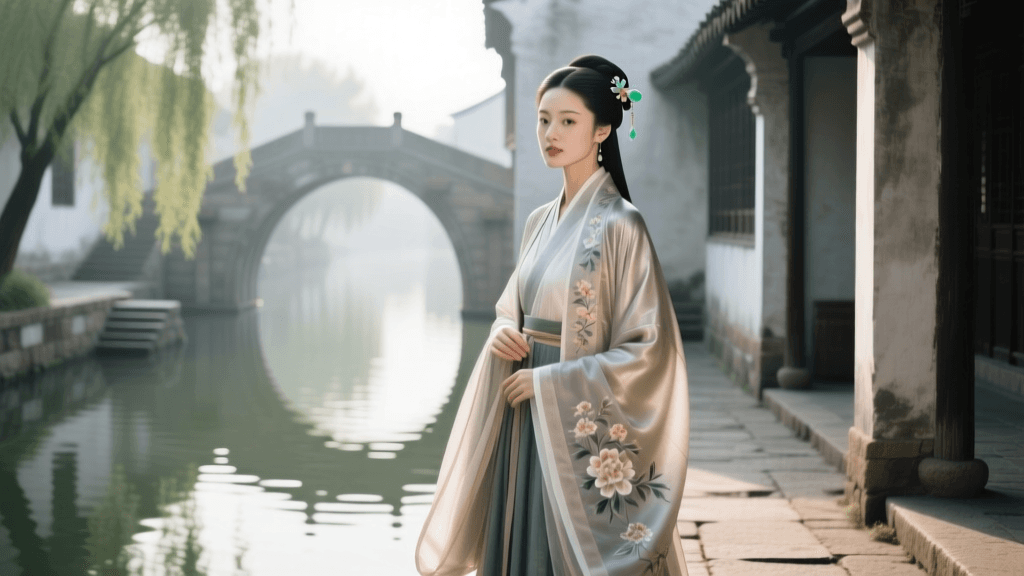
When planning a traditional Chinese garment photoshoot, the sheer variety of historical eras can be overwhelming. While the flowing, ethereal silhouettes of the Tang and Song dynasties are highly popular for summer shoots, the Ming Dynasty (1368–1644) offers an unparalleled aesthetic for autumn and winter travel photography. Ming hanfu is characterized by its structured elegance, rich layering potential, and striking geometric lines. According to The Metropolitan Museum of Art, the Ming era is celebrated for its refined textiles, intricate weaving techniques, and highly structured tailoring, making it a photographer's dream for capturing dramatic, regal portraits against the backdrop of China's ancient water towns.
This guide provides actionable, trend-driven advice for styling, sourcing, and photographing Ming Dynasty hanfu—specifically the iconic Aoqun (jacket and skirt ensemble) and the viral Mamianqun (horse-face skirt)—ensuring your travel photography is both historically grounded and visually breathtaking.
Choosing the Right Ming Hanfu: Aoqun and Mamianqun
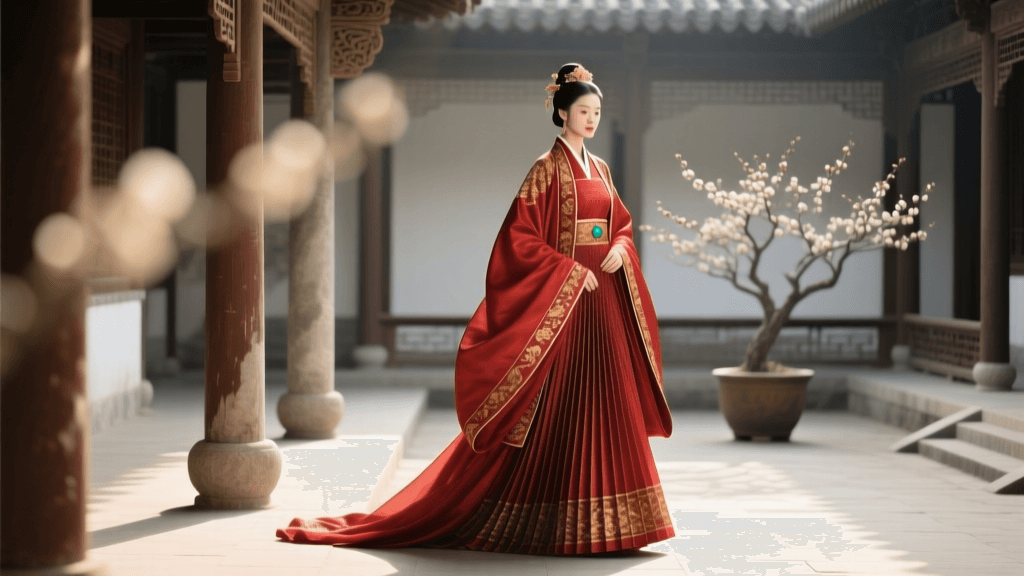
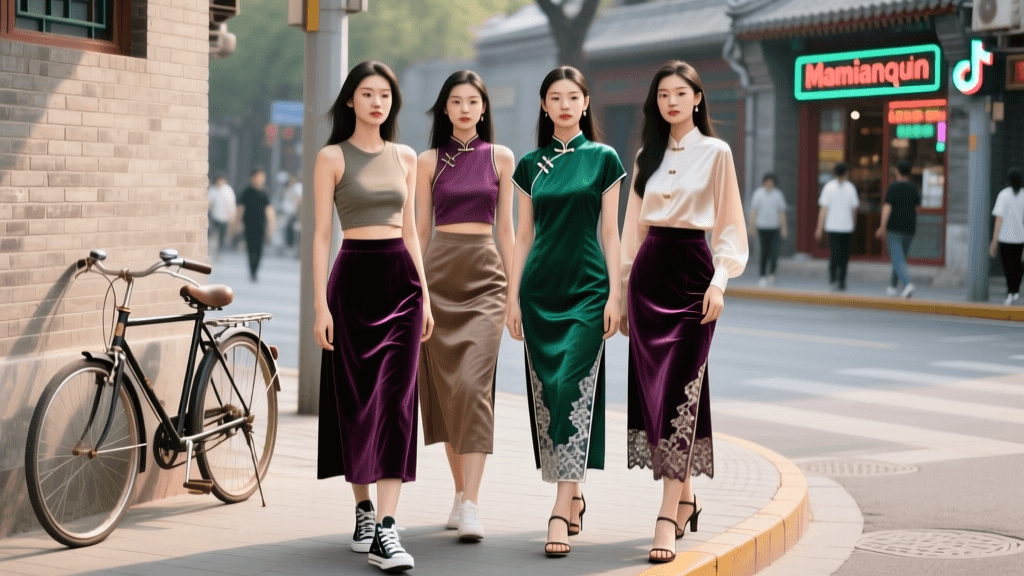
The cornerstone of Ming Dynasty women's fashion is the Aoqun. The top garment, or Ao, typically features a standing collar (liling) fastened with metallic clasps (zikou), and distinctive Pipa sleeves, which curve outward and taper elegantly at the wrist. The bottom garment is the Mamianqun, a wrap skirt featuring two flat, unpleated front and back panels with heavily pleated sides. As detailed in Wikipedia's comprehensive guide on the Mamianqun, the skirt's unique structure allows for fluid movement while maintaining a dignified, architectural silhouette when standing still.
When traveling, selecting the right fabric weight is crucial for both comfort and photographic drape. Heavy brocades look magnificent but can be exhausting to wear while walking on cobblestones, while lightweight silks may not provide the structured shape required for Ming aesthetics.
| Fabric Type | Best Season | Photographic Drape & Structure | Travel Suitability | Average Cost (USD) |
|---|---|---|---|---|
| Silk Organza (Sha) | Summer / Early Autumn | Sheer, ethereal, requires layering | High (lightweight, packs small) | $45 - $90 |
| Cotton-Linen Blends | Spring / Autumn | Matte finish, holds pleats moderately well | Very High (breathable, easy to wash) | $30 - $60 |
| Woven Brocade (Zhuanghua) | Late Autumn / Winter | Heavy, luxurious, exceptional pleat retention | Moderate (heavy, requires careful packing) | $120 - $300+ |
Pro-Tip for Online Sourcing: When shopping on platforms like Taobao or Weidian, use the search terms '明制汉服' (Ming-style Hanfu) and '织金马面裙' (Gold-woven Mamianqun) to find authentic, high-quality reproductions. Look for shops that specify '高温定型' (high-temperature pleat setting) to ensure your skirt's pleats survive the rigors of travel.
Essential Styling Accessories for Authenticity
A Ming Dynasty ensemble is incomplete without its accessories, which add vital layers, textures, and color contrasts to your photographs.
- Yunjian (Cloud Shoulders): A detachable, embroidered collar piece that drapes over the shoulders. It adds immense visual weight and historical accuracy to portraits, especially when shooting from the waist up.
- Zhezi (Folding Fans): Bamboo and paper folding fans were ubiquitous in the Ming era. A fan with calligraphy or landscape paintings serves as an excellent prop to keep hands naturally posed and adds a scholarly elegance to the frame.
- Shou Zhuo (Bracelets) and Zhi Jia (Nail Guards): Metallic accents catch the light beautifully. Gold or jade bracelets peeking out from the tapered Pipa sleeves add a subtle touch of luxury to close-up detail shots.
- Skirt Length Measurement: For travel in ancient towns with uneven stone paths, ensure your Mamianqun measures exactly 5 to 10 centimeters from the ground when wearing your travel shoes. This prevents the hem from dragging in mud or water while maintaining the illusion of a floor-sweeping gown.
Location Scouting: Best Water Towns for Hanfu Photography
The backdrop of your shoot is just as important as the garment. China's Jiangnan water towns offer the perfect architectural contrast to Ming hanfu's structured lines.
1. Xitang: The Hanfu Capital
Xitang is globally recognized for its annual Hanfu Culture Week, an event that draws tens of thousands of enthusiasts. The town's long, covered corridors (penglang) provide incredible leading lines and protect you from rain or harsh midday sun. Timing: Arrive at the West Gate at 6:00 AM to capture the morning mist over the canals before the tour groups arrive at 9:00 AM.
2. Wuzhen (West Scenic Zone): Nightscapes and Reflections
Wuzhen's West Scenic Zone is meticulously managed and offers spectacular night photography. The warm, golden glow of the lanterns reflecting off the water creates a cinematic backdrop for dark, jewel-toned Ming brocades. Cost: Entrance is roughly $25 USD, but staying overnight in a town-managed guesthouse allows you exclusive access to the streets at dawn.
3. Nanxun: The Budget-Friendly Hidden Gem
Less commercialized than Xitang or Wuzhen, Nanxun features a unique blend of traditional Chinese architecture and European-style mansions from the silk-trading era. It is significantly cheaper, less crowded, and offers pristine white walls that act as perfect natural reflectors for portrait lighting.
Posing and Photography Techniques for Flowing Silhouettes
Photographing Ming hanfu requires specific techniques to highlight the garment's unique construction.
- The Pleat Flick: The Mamianqun's side pleats are its most dynamic feature. Have the subject hold the flat front panel lightly, step forward, and pivot. The photographer should shoot at a fast shutter speed (1/500s or higher) to freeze the intricate pleats as they fan out in a perfect semi-circle.
- The Sleeve Frame: Utilize the curved Pipa sleeves to frame the subject's face. Have the subject raise one hand gently toward their hair or a floral prop, allowing the tapered sleeve to drape softly, drawing the viewer's eye directly to the face.
- Lens Selection: An 85mm f/1.4 prime lens is ideal for compressing the background and isolating the intricate embroidery of the Ao and Yunjian. For environmental shots showcasing the architecture, a 35mm f/1.8 lens allows you to capture the subject within the grand scale of the ancient wooden doorways.
Hair, Makeup, and Garment Care on the Road
The Ming Dynasty aesthetic favors a dignified, mature elegance. Hair is typically styled using a Diji (a wire or fabric base) to create voluminous updos, adorned with velvet flowers (Ronghua), pearls, and gold hairpins. For makeup, focus on a matte base, deep plum or classic red lip colors, and subtle pearl accents at the corners of the eyes to mimic historical cosmetic trends.
Travel Garment Care: The biggest challenge of traveling with a Mamianqun is maintaining the sharp knife-pleats after sitting in transit. Never use a traditional iron directly on the pleats, as this can flatten and ruin them. Instead, pack a portable handheld garment steamer. Hang the skirt in the bathroom, steam the pleats lightly from the inside out, and use small metal binder clips to hold the pleats together at the hem while the fabric cools and dries. This hotel-room hack will restore your skirt to showroom condition in under ten minutes.
Conclusion: Wearing History
Traveling in Ming Dynasty hanfu is more than just a photographic endeavor; it is a profound engagement with living history. This resurgence is part of a broader cultural phenomenon, as highlighted by BBC Culture's feature on the Hanfu movement, where traditional dress has evolved from a niche hobby into a mainstream expression of cultural identity and aesthetic pride. By understanding the structure of the garments, respecting the historical context, and mastering the technical aspects of travel photography, you can create a visual diary that honors the past while capturing the vibrant, enduring beauty of Asian traditions.