Ming Hanfu Travel Guide 2026: Packing Mamianqun for Xi'an
The 2026 Renaissance of Ming Dynasty Hanfu Tourism
As we navigate the 2026 travel season, the cultural renaissance of traditional Chinese clothing—commonly known as Hanfu—has fundamentally transformed the way enthusiasts and cultural historians experience Asia. No longer confined to niche subcultures or studio photography, Hanfu tourism is a mainstream movement. High-speed rail networks across China now feature dedicated "cultural heritage" carriages, and major scenic spots have upgraded their facilities to accommodate travelers dressed in historical garments. Among the myriad of dynastic styles, the Ming Dynasty (1368–1644) aesthetic has emerged as the undisputed favorite for 2026 travelers. Its dignified silhouettes, rich textiles, and adaptable layering make it perfect for diverse climates and urban exploration.
However, traveling with Ming Dynasty Hanfu presents a unique logistical challenge, particularly when it comes to the iconic Mamianqun (horse-face skirt). Preserving the structural integrity of these garments while navigating airports, trains, and boutique hotels requires specialized knowledge. This comprehensive guide provides actionable packing strategies, fabric maintenance tips, and curated destination guides for the modern Hanfu traveler in 2026.
Understanding the Mamianqun: A Masterclass in Structure
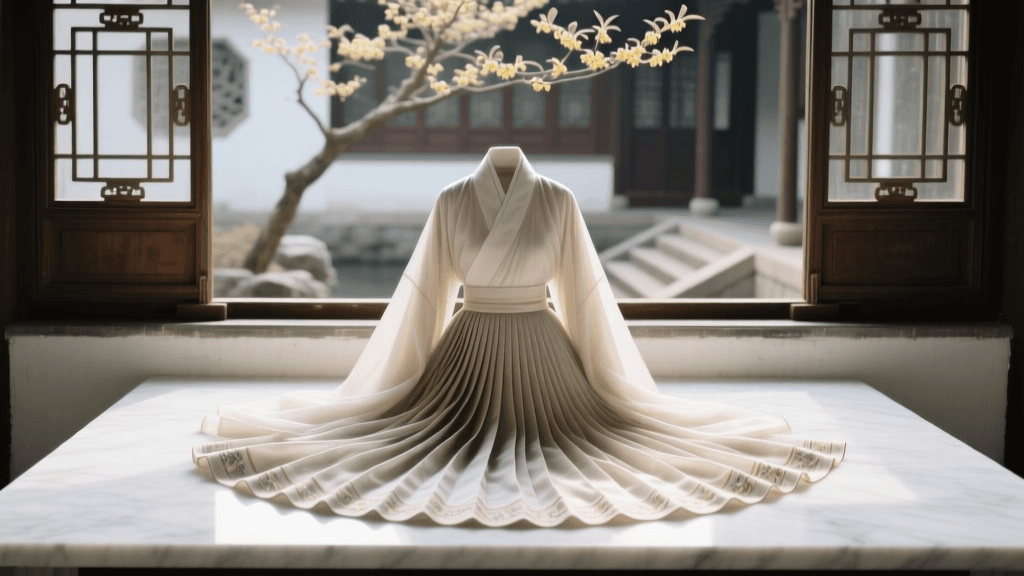
Before attempting to pack a Mamianqun, one must understand its architectural brilliance. As detailed by historical garment archives, the Mamianqun is characterized by its unique construction: two overlapping flat panels at the front and back, flanked by intricate, sharply pressed side pleats. These pleats are not merely decorative; they dictate the drape, movement, and historical accuracy of the skirt. Crushing these pleats in a standard suitcase can permanently damage the fabric's memory, especially in modern blended brocades and traditional silk-satin weaves.
The Art of Packing: Preserving the Pleats
Method 1: The Archival Accordion Fold
The most reliable method for packing a Mamianqun without disturbing the side pleats is the accordion fold, utilizing acid-free materials to prevent color transfer and moisture buildup.
- Step 1: Preparation. Lay the skirt completely flat on a clean, large surface. Ensure the overlapping front and back panels are perfectly aligned.
- Step 2: The Pleat Alignment. Gently run your fingers along the side pleats to ensure they are stacked precisely. Use small, smooth binder clips (with a layer of tissue paper between the clip and the silk) to temporarily hold the pleats in place at the waistband and hem.
- Step 3: The Accordion Fold. Instead of folding the skirt in half, fold the entire garment back and forth in wide, 8-inch sections, much like folding a paper fan. This ensures that the flat panels bear the brunt of the folding lines, leaving the side pleats completely undisturbed.
- Step 4: Tissue Interleaving. Place sheets of acid-free archival tissue paper between every fold. This reduces friction and prevents the woven metallic threads of a zhijin (woven gold) brocade from snagging.
Method 2: The Suspension Carry-On Technique
For travelers investing in premium 2026 travel gear, the suspension method is ideal. Many modern luxury luggage brands now offer hard-shell carry-ons with built-in, flat-lay garment compartments. By utilizing a specialized Hanfu garment bag—which is significantly longer than standard Western suit bags to accommodate the ankle-length hem of a Ming skirt—you can fold the skirt only once at the waist. The rigid exterior of the suitcase prevents external compression, ensuring the skirt arrives at your destination requiring only a light steam.
Essential 2026 Travel Gear for the Hanfu Tourist
To maintain your garments on the road, your packing list must extend beyond the clothing itself. The 2026 market offers several indispensable tools for the traveling traditionalist:
- Micro-Travel Steamers: The latest generation of portable steamers, such as the 2026 Philips GoHandy Pro, features a ceramic-coated plate and a rapid 15-second heat-up time. These devices are dual-voltage and compact enough to safely remove minor wrinkles from silk ao (jackets) without risking water spots.
- Silk-Safe Stain Pens: Ming dynasty aesthetics often feature light-colored, intricately embroidered collars and cuffs. A water-based, enzyme-free stain remover pen is crucial for addressing accidental tea or soup spills while dining in historic alleyways.
- Velvet-Lined Hairpin Cases: Ming hairstyles require elaborate gold and pearl hairpins (zan and chai). Hard-shell velvet cases with custom foam inserts prevent these fragile artifacts from bending or tarnishing during transit.
Destination Guide: Xi'an and the Ming City Wall
While Xi'an is globally renowned for its Tang Dynasty history, it is also home to one of the most magnificent surviving examples of Ming Dynasty military architecture: the Xi'an City Wall. According to the UNESCO World Heritage Centre, the defensive structures and urban planning of the Ming era represent a pinnacle of Chinese architectural history. Walking or cycling atop the 13.7-kilometer wall at sunrise, dressed in a deep crimson or navy Ming Aoqun, offers an unparalleled photographic and historical experience.
Traveler Tip: The wind atop the city wall can be brisk, even in late spring. Opt for a Ming-style Pifeng (cloud shoulder) or a lined Beizi (cloak) to maintain historical accuracy while staying warm. The cobblestone surfaces also dictate your footwear; leave the delicate silk shoes at the hotel and opt for modern, cushioned insoles hidden within traditional cloth boots.
Destination Guide: Suzhou and Jiangnan Elegance
If Xi'an represents the martial and structural grandeur of the Ming Dynasty, Suzhou embodies its refined, literati soul. The Jiangnan region is the historical epicenter of Ming silk production and aesthetic philosophy. The Metropolitan Museum of Art's historical archives frequently highlight the sophisticated textile arts and scholarly refinement that defined the Ming era's cultural elite.
Strolling through the Humble Administrator's Garden or the historic Pingjiang Road in a lightweight, pastel-toned Mamianqun crafted from luo (gauze) or lightweight satin perfectly mirrors the tranquil elegance of the region. Suzhou's boutique tea houses and private gardens offer intimate settings that contrast beautifully with the intricate embroidery of your garments.
Traveler Tip: Suzhou's climate is notoriously humid. Avoid heavy, multi-layered brocades during the summer months. Instead, pack breathable, unlined linen-blend Ming jackets and skirts. Utilize silica gel packets in your luggage to protect your silk garments from ambient moisture when not in use.
On-the-Road Garment Care and Maintenance
Maintaining Hanfu in a hotel room requires a delicate touch. Never use the standard iron provided by hospitality venues, as their temperature controls are notoriously inaccurate and can instantly scorch delicate silk or melt synthetic brocade threads. Always rely on your portable steamer, keeping the nozzle at least two inches away from the fabric. For heavily pleated Mamianqun, hang the skirt by its waistband ties in the bathroom while taking a hot shower; the ambient steam will naturally encourage the pleats to fall back into their pressed alignment without direct heat.
2026 Ming Hanfu Travel Comparison Chart
| Garment Style | Primary Fabric | Packing Difficulty | Ideal 2026 Destination |
|---|---|---|---|
| Mamianqun (Pleated Skirt) | Woven Brocade / Silk Satin | High (Requires Accordion Fold) | Xi'an (City Wall), Beijing (Forbidden City) |
| Aoqun (Jacket & Skirt Set) | Cotton-Linen / Light Silk | Medium (Standard Fold) | Suzhou (Gardens), Hangzhou (West Lake) |
| Pifeng (Cloud Shoulder) | Embroidered Silk / Velvet | Low (Roll or Flat Lay) | Any outdoor scenic heritage site |
Conclusion
Traveling with Ming Dynasty Hanfu in 2026 is a deeply rewarding endeavor that bridges the gap between historical reverence and modern exploration. By mastering the specialized packing techniques required for the Mamianqun and selecting destinations that complement the architectural and aesthetic roots of the era, you elevate your journey from a simple vacation to a living cultural exhibition. Pack thoughtfully, respect the textiles, and let the elegant silhouettes of the Ming Dynasty guide your adventures across Asia.