2026 Hanfu Guide: Birth, Wedding & Ancestral Family Ceremonies
The Evolution of Hanfu in Modern Family Milestones
As we navigate through 2026, the Hanfu movement has evolved from a niche internet subculture into a cornerstone of modern Asian family traditions. No longer confined to casual streetwear or historical reenactments, traditional Chinese garments are now the definitive choice for life’s most profound milestones. Whether welcoming a newborn, exchanging marital vows, or honoring departed ancestors, selecting the appropriate Hanfu requires a nuanced understanding of historical etiquette, fabric technology, and contemporary styling. This comprehensive guide explores how families in 2026 are authentically integrating Hanfu into birth, wedding, and ancestral ceremonies, blending ancient philosophies with modern textile innovations.
Birth and Naming Ceremonies: Bai Ri and Man Yue
In Chinese tradition, the first month (Man Yue) and the hundredth day (Bai Ri) of a baby’s life are monumental occasions that formally introduce the child to the extended family and ancestors. Historically, infants were adorned in garments featuring tiger motifs to ward off evil spirits and ensure robust health. Today, the 2026 market offers beautifully adapted baby Hanfu that prioritizes safety without sacrificing heritage.
Modern parents opt for organic bamboo-silk blends, which provide the luxurious drape of traditional mulberry silk but with the hypoallergenic, breathable, and temperature-regulating properties required for delicate infant skin. For the parents hosting the banquet, comfort and elegance are paramount. Mothers frequently choose the Song Dynasty Beizi (a long, open-front jacket) paired with a lightweight, pastel-colored Mamianqun (pleated skirt). This combination allows for ease of movement while holding the infant and nursing.
A critical 2026 safety standard in baby Hanfu design is the replacement of traditional long silk ties with hidden, flat magnetic clasps. This innovation eliminates choking hazards while maintaining a seamless, historically accurate exterior. According to Britannica's extensive archive on Chinese dress, the symbolic use of color in early life garments remains vital; thus, soft yellows, auspicious reds, and jade greens dominate modern baby ceremony wardrobes, symbolizing prosperity, joy, and vitality.
Traditional Hanfu Weddings: Hun Li
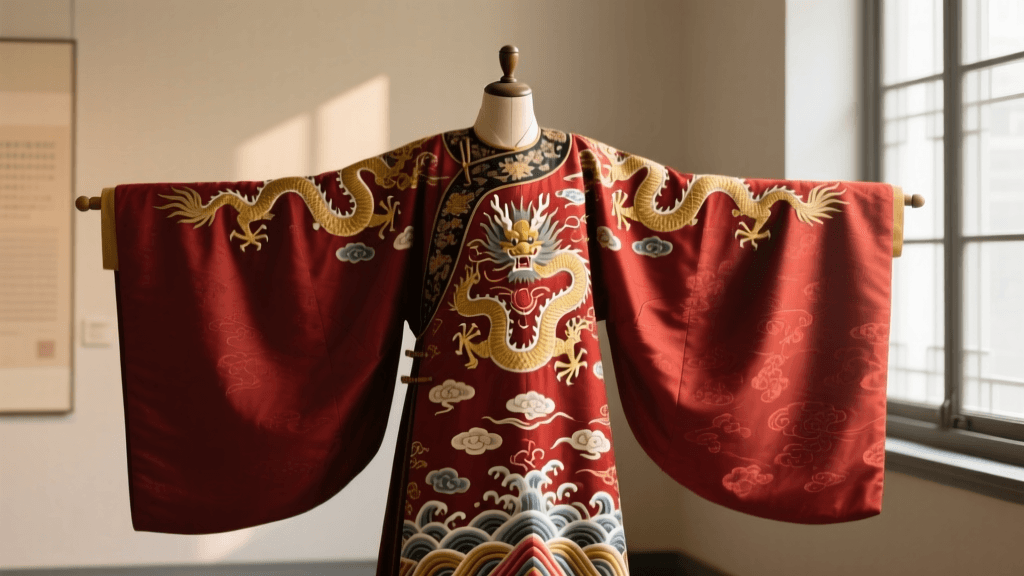
The traditional Chinese wedding (Hun Li) has seen a massive resurgence in Hanfu adoption, largely overtaking Western-style white gowns among culturally conscious couples in 2026. The most sought-after styles are the majestic Ming Dynasty Aoqun and the romantic Tang Dynasty Yuanlingpao. The Ming style is characterized by its structured, high-collared jackets and voluminous pleated skirts, often heavily embroidered with phoenix and dragon motifs using sustainable, lab-grown silk threads—a major textile innovation that has made luxury embroidery more accessible and eco-friendly.
One of the most striking 2026 wedding trends is the use of lightweight, 3D-printed resin Fengguan (Phoenix Crowns). Historically, these crowns were crafted from heavy metals and intricate kingfisher feather inlay, which could weigh several kilograms and cause physical strain on the bride. Modern artisans now use gold-plated, aerated resins that perfectly mimic the historical weight and visual grandeur without the physical burden, allowing brides to wear them comfortably throughout multi-hour tea ceremonies.
2026 Wedding Hanfu Style Comparison
| Dynasty Style | Key Garments | Color Palette | Vibe & Etiquette |
|---|---|---|---|
| Tang Dynasty | Yuanlingpao (Round-collar robe), Daxiushan (Large-sleeved shirt) | Vibrant reds, golds, emerald greens | Opulent, romantic, and grand. Ideal for large, theatrical banquets. |
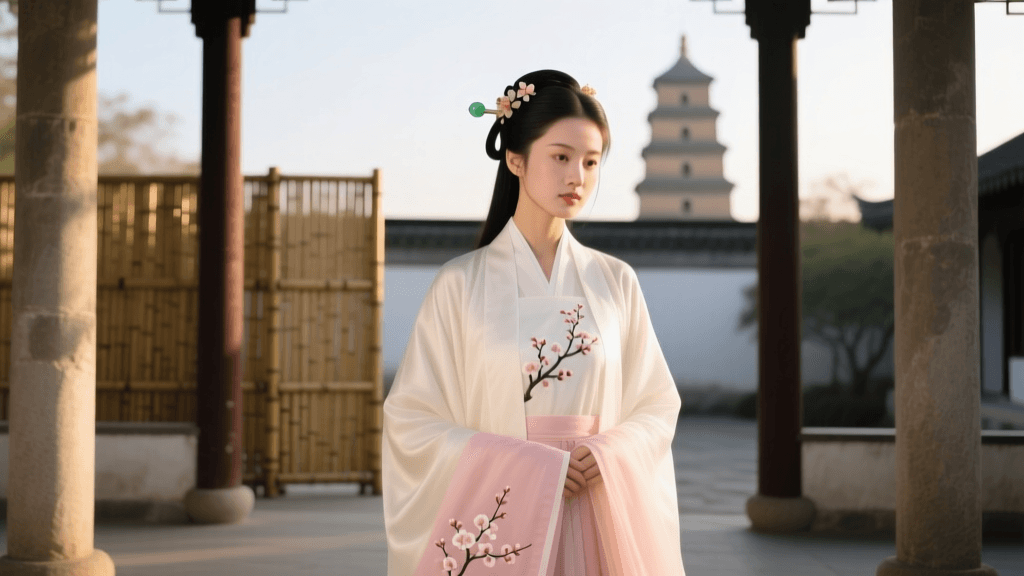
| Song Dynasty | Beizi (Jacket), Baidi Qun (Pleated skirt) | Pearl whites, soft pinks, celadon | Elegant, minimalist, and refined. Perfect for intimate, outdoor garden ceremonies. |
| Ming Dynasty | Aoqun (Jacket and skirt), Fengguan Xiapei (Crown and cape) | Deep crimson, navy, heavy gold embroidery | Majestic, formal, and structured. The gold standard for traditional ancestral tea ceremonies. |
Ancestral Rites and Mourning: Ji Si and Sang Li
Honoring one's lineage through ancestral rites (Ji Si) and mourning ceremonies requires a starkly different sartorial approach. The guiding principles here are solemnity, respect, and modesty. Flashy embroidery, bright colors, and excessive accessories are strictly avoided to maintain the spiritual gravity of the occasion. In 2026, families participating in Qingming (Tomb-Sweeping Day) or formal ancestral hall gatherings increasingly turn to the Shenyi (deep robe), a one-piece garment that wraps the body modestly and signifies the unity of heaven and earth.
The preferred palette for ancestral rites consists of unbleached hemp tones, slate greys, deep navies, and stark whites. The fabric of choice has shifted toward raw, textured linens and matte cottons, reflecting a return to the ascetic roots of Confucian mourning and respect rituals. As noted in Smithsonian Magazine's coverage of the Hanfu movement, the revival of these garments is deeply tied to a broader societal desire to reconnect with philosophical roots, familial piety, and historical continuity. When attending a funeral or a solemn ancestral worship, participants must ensure their Hanfu is free of any animal motifs, opting instead for subtle geometric borders or completely unadorned hems.
Accessories and Etiquette for Each Ceremony
The garment is only half the equation; proper accessories dictate the authenticity of the ensemble. Below is a quick guide to 2026 accessory pairings for family events:
- Birth Ceremonies: Parents should wear jade pendants (Yu Pei) to symbolize protection and purity. Hair should be tied back simply with wooden or bamboo hairpins, avoiding sharp metal prongs that could accidentally scratch the infant.
- Weddings: The bride and groom must carry traditional silk fans or embroidered handkerchiefs. The groom's headwear, such as the Wushamao or scholarly caps, must be perfectly aligned with the specific dynasty of the chosen robe to avoid historical mismatching.
- Ancestral Rites: Minimalism is key. A simple jade or wooden hair stick is sufficient. Makeup should be muted, and jewelry should be removed or hidden beneath the robes to show humility before the ancestors.
Sourcing and Tailoring in 2026
The Hanfu market in 2026 is heavily supported by AI-driven tailoring and global shipping networks. Buyers no longer need to rely on generic sizing charts. Leading Hanfu ateliers in Hangzhou and Suzhou now utilize smartphone LiDAR scanning apps to capture precise body measurements, ensuring that complex garments like the Ming Aoqun fit perfectly across the shoulders and waist without the need for in-person fittings.
When budgeting for ceremonial Hanfu, families should expect the following 2026 market rates:
- Entry-Level (Machine Embroidered, Standard Fabrics): $80 - $150 USD. Suitable for large family gatherings where multiple matching outfits are required.
- Mid-Tier (Hand-embroidered accents, Silk blends): $250 - $500 USD. The standard choice for wedding parties and major milestone birthdays.
- Bespoke / Haute Couture (Pure Mulberry Silk, Custom Motifs, Hand-woven): $1,200 - $5,000+ USD. Reserved for the primary bride and groom or the heads of the family during major ancestral rites.
Conclusion
Integrating Hanfu into family ceremonies is more than a fashion statement; it is a profound act of cultural preservation. By understanding the distinct requirements of birth celebrations, marital unions, and ancestral worship, families in 2026 can honor their heritage with dignity, safety, and breathtaking beauty. Whether you are wrapping a newborn in auspicious bamboo-silk or donning a structured Ming robe to serve tea to your elders, the right Hanfu transforms a simple gathering into a timeless ritual.