Kimono Travel Essentials 2026: What to Pack & Where to Wear
Embracing the Kimono on Your 2026 Japan Itinerary
As cultural immersion travel reaches new heights in 2026, wearing a kimono while exploring Japan has evolved from a fleeting tourist activity into a profound, respectful engagement with the nation's textile heritage. Whether you are a seasoned collector bringing your own vintage silk garments or a modern traveler packing lightweight, washable blends, integrating traditional Japanese clothing into your travel wardrobe requires strategic planning. The art of kitsuke (kimono dressing) relies on a precise ecosystem of undergarments, ties, and accessories that are not easily sourced at standard international airports or local convenience stores.
This comprehensive guide outlines the essential items you must pack for a kimono-centric journey, explores the latest advancements in travel-friendly fabrics, and highlights the most breathtaking, culturally respectful destinations to wear your garments in 2026. According to the Japan National Tourism Organization (JNTO), sustainable and culturally mindful travel is the defining trend of the year, making it more important than ever to understand both the logistics and the etiquette of wearing traditional attire in public spaces.
The Ultimate 2026 Kimono Packing Checklist
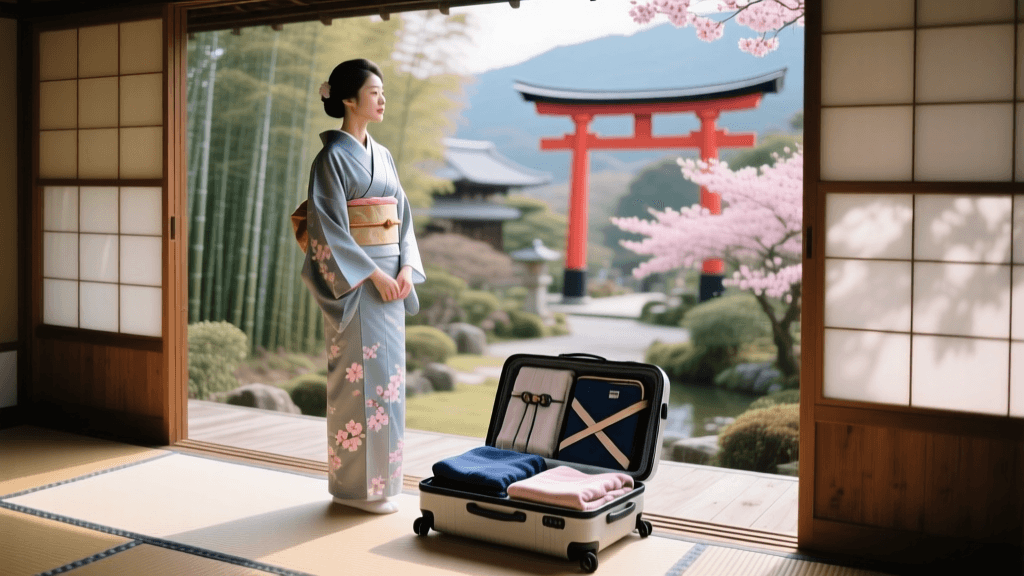
Packing a kimono is not as simple as folding a dress into a suitcase. The garment requires a specific folding technique, traditionally stored in a specialized paper envelope called a tatoushi. Beyond the outer robe, the foundation layers are what truly make or break your comfort during a full day of sightseeing. Below is the definitive packing list for the modern traveler.
Foundation and Undergarments
The layers closest to your skin dictate your comfort, especially when navigating Japan's humid summers or brisk winters. In 2026, moisture-wicking bamboo and organic cotton blends have become the gold standard for travel undergarments, replacing the heavier traditional cottons that trap heat and sweat.
- Hadajuban: The thin, skin-tight undershirt. Pack at least two in breathable bamboo fabric.
- Susoyoke: The wrap skirt worn around the waist. Essential for preventing the outer kimono from clinging to your legs while walking.
- Nagajuban: The under-kimono. For travel, a two-piece set (niban-juban) is highly recommended as it is easier to wash in hotel sinks and pack flat.
- Eri-jime / Eri-shin: The collar stiffener. A crucial plastic or bamboo insert that keeps the under-kimono collar crisp and neatly folded at the back of the neck.
Ties, Sashes, and Structural Supports
Securing the garment requires several specialized ties. While traditionalists may use woven silk cords, modern travelers in 2026 heavily favor elasticized, velcro-closure koshihimo (waist ties) that allow for self-dressing without the assistance of a professional.
- Koshihimo: Pack three to four waist ties. Silicone-grip versions are currently dominating the market as they prevent the heavy silk from slipping during long walks.
- Datejime: A wide, soft sash tied over the waist ties to smooth out the silhouette and secure the undergarments.
- Obi-ita: The obi board. This stiff insert keeps your outer sash from wrinkling when you sit down. Pack a flexible, travel-sized mesh version that bends in your suitcase.
- Obi-makura: The obi pillow, used to create volume and support the knot at the back. A compact, inflatable version is a brilliant space-saving hack for 2026 travelers.
Footwear and Accessories
Walking in traditional footwear requires preparation. Blisters are the most common complaint among kimono-wearing tourists, but proper packing can mitigate this entirely.
- Tabi: The split-toe socks. Traditional kohaze (metal clasp) tabi offer a sleek look, but stretch-knit toe-socks are vastly superior for all-day travel comfort.
- Zori or Geta: Pack lightweight EVA-foam zori with adjustable fabric straps. They provide the traditional aesthetic with the ergonomic support of modern athletic sandals.
- Hanhaba Obi: A half-width sash. It is informal, incredibly easy to tie into simple bows, and takes up a fraction of the luggage space required by a formal fukuro obi.
Comprehensive Packing Table
| Category | Item | Japanese Term | 2026 Travel Recommendation |
|---|---|---|---|
| Base Layer | Undershirt | Hadajuban | Bamboo-blend, moisture-wicking V-neck |
| Base Layer | Wrap Skirt | Susoyoke | Seersucker cotton to reduce friction |
| Mid Layer | Under-Kimono | Nagajuban | Two-piece washable polyester or cool-max |
| Hardware | Collar Stiffener | Eri-shin | Flexible plastic mesh (won't snap in luggage) |
| Hardware | Waist Ties | Koshihimo | Elastic velcro-closure with silicone grips |
| Outerwear | Half-Width Sash | Hanhaba Obi | Reversible woven cotton for two looks |
| Footwear | Split-Toe Socks | Tabi | Stretch-knit ankle length |
| Footwear | Sandals | Zori | EVA foam base with adjustable velvet straps |
| Tools | Obi Board | Obi-ita | Travel-sized flexible mesh |
| Storage | Garment Wrap | Tatoushi | Acid-free tissue paper and a cotton furoshiki |
Selecting Travel-Friendly Fabrics for 2026
The textile industry in Japan has made remarkable strides in recent years, catering specifically to the needs of global travelers and modern enthusiasts. If you are purchasing a kimono specifically for your trip, or deciding which of your existing garments to bring, fabric choice is paramount.
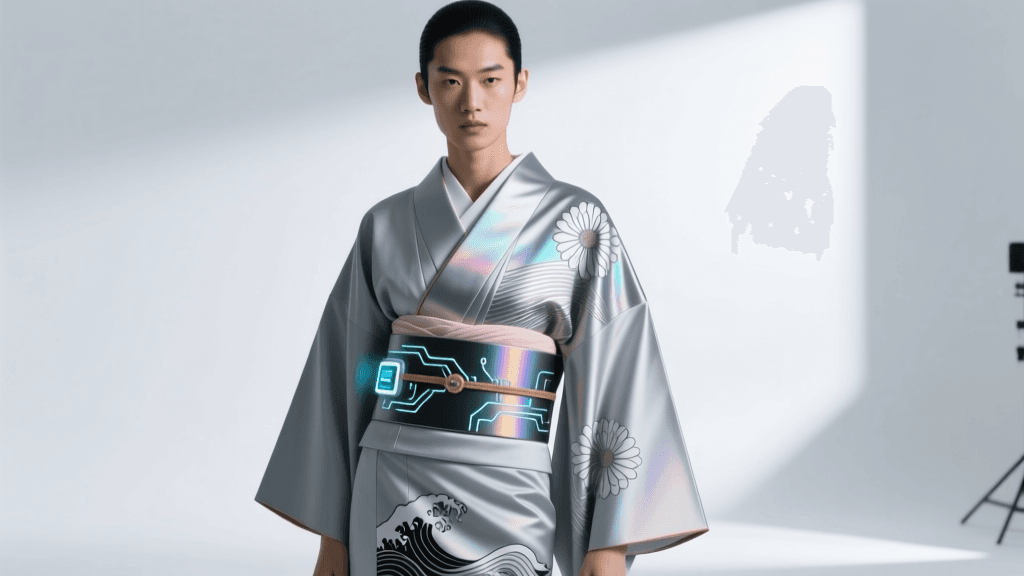
For summer travel, look for ro or sha weave silks, which feature intentional gaps in the weaving to allow for maximum airflow. However, the true breakthrough in 2026 is the widespread availability of premium washable silks and high-grade polyester blends developed by historic Nishijin weaving houses. These fabrics mimic the slubbed texture and matte finish of raw silk (tsumugi) but can be hand-washed in a hotel sink and dried overnight without losing their shape. According to research on textile preservation by the Kyoto Costume Institute, modern synthetic blends engineered to mimic natural protein fibers are playing a vital role in making historical silhouettes accessible and practical for daily, active wear.
Avoid bringing heavily embroidered, formal silk garments (like homongi or tomesode) on rugged travel itineraries. They are heavy, require professional dry cleaning, and are generally too formal for daytime sightseeing, museums, or casual dining.
Top Destinations to Wear a Kimono in 2026
Where you wear your kimono is just as important as what you pack. In recent years, overtourism led to strict regulations in certain historic districts to protect the privacy and daily lives of local residents. By 2026, Japan has beautifully restructured its cultural tourism, offering expansive, respectful environments where kimono wearers can stroll comfortably without contributing to pedestrian congestion.
1. Kanazawa’s Higashi Chaya and Kenrokuen
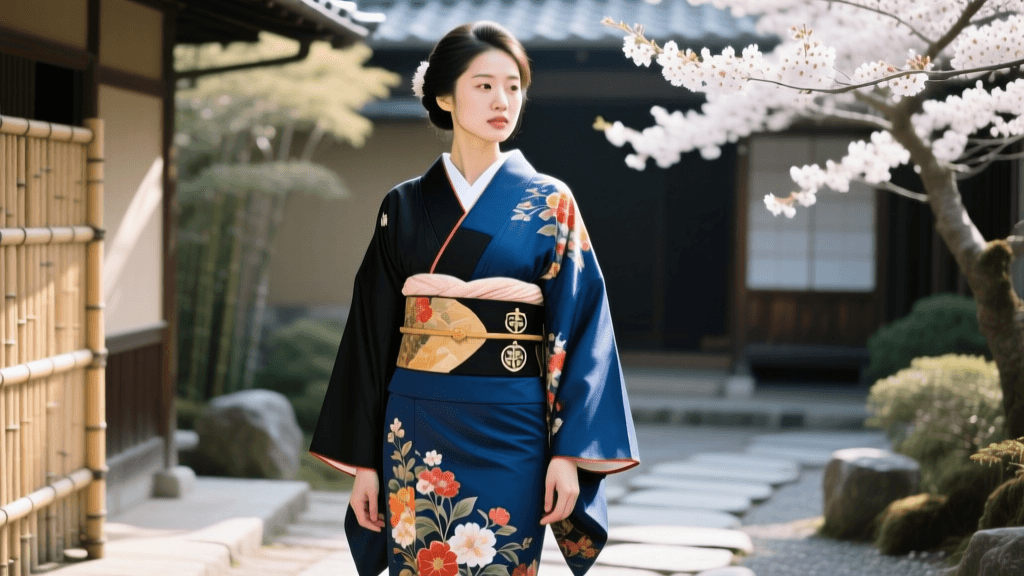
Often described as 'Little Kyoto' but without the crushing crowds, Kanazawa is arguably the best city in Japan for kimono wearers in 2026. The Higashi Chaya geisha district features wide, paved streets lined with wooden teahouses, offering pristine photographic backdrops. Just a short walk away is Kenrokuen, one of Japan's top three landscape gardens. The meticulously maintained pine trees and reflective ponds provide a serene, slow-paced environment perfect for adjusting to the physical constraints of traditional footwear.
2. Kyoto’s Shosei-en Garden and Daigo-ji Temple
While the narrow, packed streets of Gion and Sannenzaka are heavily regulated with strict anti-loitering and photography bans to protect local privacy, Kyoto still offers magnificent kimono-friendly zones. Shosei-en Garden, an enclave of tranquil pathways and tea pavilions, is a designated cultural walking corridor where visitors in traditional dress are highly encouraged to enjoy the scenery. Similarly, the sprawling grounds of Daigo-ji Temple in southeastern Kyoto offer vast, uncrowded spaces where the sweeping sleeves of a kimono can be fully appreciated against ancient pagodas. The Kyoto City Official Travel Guide actively promotes these spacious heritage sites as the premier locations for mindful, traditional attire experiences.
3. Tokyo’s Todoroki Valley and Rikugien
Tokyo offers a striking contrast between hyper-modernity and ancient tradition. For a natural backdrop, Todoroki Valley provides a lush, forested ravine right within the city limits, where the dappled sunlight perfectly complements the intricate dye patterns of a casual komon kimono. For a more manicured aesthetic, Rikugien Garden in Bunkyo ward offers sweeping hills, koi ponds, and traditional tea houses where you can sit on tatami mats and practice the art of tea ceremony in full attire.
On-the-Go Garment Care & Storage
Traveling with traditional garments requires a proactive approach to maintenance. Humidity, rain, and accidental spills are inevitable. Always pack a compact, dual-voltage travel steamer. A quick blast of steam at the end of the day will release wrinkles from the silk or polyester and refresh the fibers. Never use a traditional flat iron directly on a kimono, as the heat can scorch the delicate dye or melt synthetic threads.
If you are caught in the rain, immediately use a dry, absorbent towel to blot the moisture from the hem and sleeves. Hang the garment and the under-layers separately in your hotel room using wide, padded hangers to prevent shoulder dimples. Always store your folded kimono in its tatoushi paper or a breathable cotton furoshiki (wrapping cloth); never store silk in sealed plastic bags, which trap moisture and encourage mold growth.
Mindful Etiquette for Modern Travelers
Wearing a kimono in 2026 is an act of cultural appreciation, and mindful etiquette is expected. When dining out, always use a napkin or specialized kimono cloth draped over your lap and tucked into your collar to protect the garment from food and spills. When entering temples, shrines, or traditional inns (ryokan), be prepared to remove your zori sandals at the genkan (entryway), but never step on tatami mats wearing your tabi socks if they have been worn outdoors—bring a spare, clean pair of indoor tabi or thick socks.
Finally, be mindful of your spatial awareness. The long sleeves (sode) of a kimono can easily knock over fragile items in crowded shops or sweep across low dining tables. Moving with deliberate, graceful steps not only preserves the elegance of the garment but shows deep respect for the centuries of craftsmanship woven into every thread.
Final Thoughts on Your Journey
Packing a kimono for your 2026 travels to Japan transforms a standard vacation into a deeply embodied cultural experience. By selecting the right travel-friendly fabrics, utilizing modern ergonomic accessories, and choosing destinations that prioritize spacious, respectful engagement, you ensure that your journey is as comfortable as it is memorable. Prepare your layers, pack your steamer, and step into the timeless elegance of Japan's most iconic garment.