Ming Dynasty Hanfu in Modern Kunqu Opera: 2026 Stage Guide
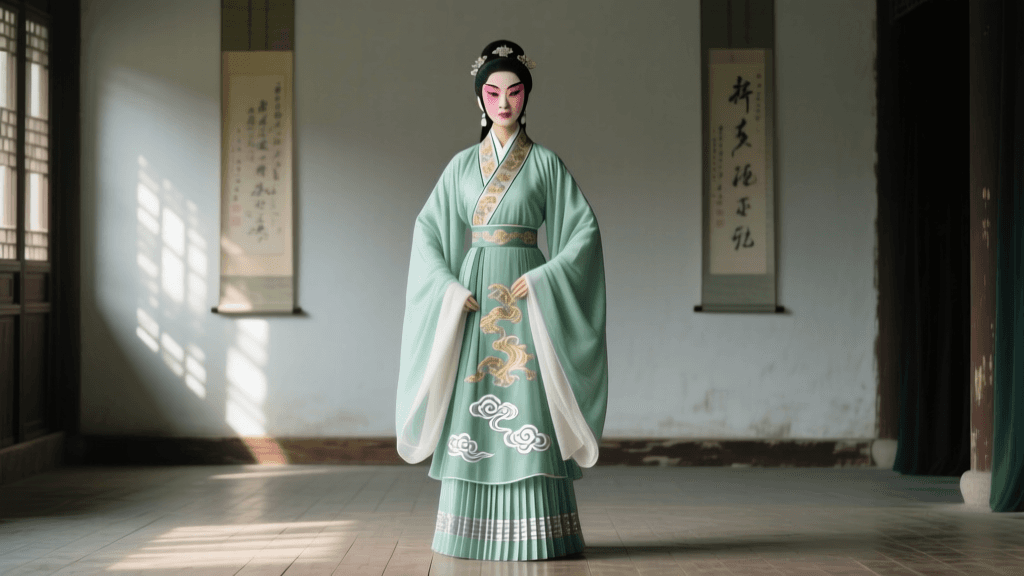
The 2026 Renaissance: Authentic Hanfu on the Kunqu Stage
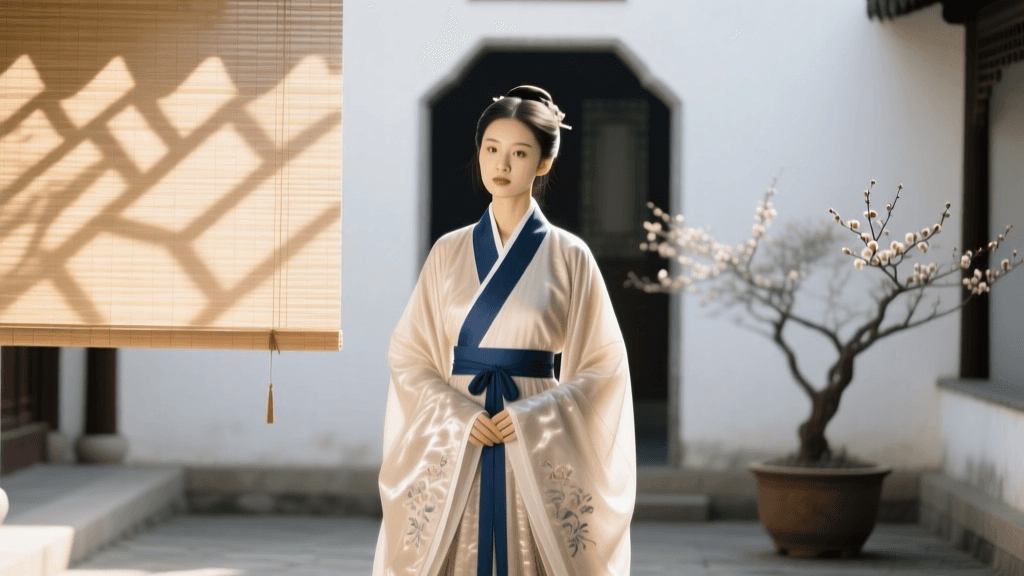
The intersection of the Hanfu revival and traditional Chinese performing arts has reached a fascinating pinnacle in 2026. While Peking Opera (Jingju) and Kunqu have historically relied on Xifu (stylized theatrical costumes based on Ming and Qing dynasty dress but heavily exaggerated for the stage), a new wave of immersive theater, indie troupes, and avant-garde directors are integrating historically accurate Hanfu into their productions. As audiences demand deeper cultural authenticity, the visual language of the stage is evolving. Today, the elegant lines of Ming Dynasty Aoqun and the structured grace of the Daopao are stepping out of the museum and into the spotlight, bridging the gap between historical reenactment and living theatrical tradition.
According to the UNESCO Intangible Cultural Heritage list for Kunqu Opera, this art form is celebrated for its refined movements and poetic elegance. In 2026, modern troupes are finding that historically accurate Hanfu enhances this elegance, offering a grounded, realistic weight and drape that stylized Xifu sometimes lacks. This guide explores how performers, costume designers, and Hanfu enthusiasts can navigate the integration of authentic Ming Dynasty garments into traditional performing arts this year.
The Shift: From Stylized Xifu to Historical Accuracy
To understand the 2026 stage wardrobe, one must distinguish between Xifu (戏服) and Hanfu. Traditional Xifu is designed for maximum visibility and symbolic storytelling. It features exaggerated water sleeves (shuixiu), stiffened collars, bold primary colors, and heavily padded silhouettes that allow actors to perform acrobatic feats and stylized gestures. Hanfu, conversely, is rooted in historical reality. It prioritizes the natural drape of silk, intricate woven patterns (like Zhuanghua brocade), and the subtle expression of social status through layering.
In 2026, immersive Kunqu experiences—such as the wildly popular garden performances in Suzhou and Shanghai—require historical realism. Audiences sitting mere feet from the performers can spot the synthetic sheen of mass-produced theatrical costumes. Consequently, directors are commissioning authentic Ming Dynasty Hanfu for intimate plays, promotional media, and avant-garde adaptations of classics like The Peony Pavilion. As noted in Britannica's comprehensive guide to Kunqu, the art form relies heavily on the synthesis of visual and performative poetry; authentic Hanfu provides a visually poetic canvas that honors the historical era in which many of these scripts were originally penned.
Essential Hanfu Garments for the Kunqu Stage
When outfitting a modern Kunqu or Peking Opera production with authentic Hanfu, costume designers focus heavily on the Ming Dynasty aesthetic, as it aligns perfectly with the golden age of Kunqu theater. Here are the core garments dominating 2026 stage productions.
The Scholar’s Daopao (道袍)
For the Sheng (male scholar) roles, the Ming Dynasty Daopao is the ultimate stage garment. Characterized by its cross-collar, right-over-left closure, and distinctive side slits that reveal contrasting inner pleats, the Daopao offers incredible dramatic potential. In 2026, stage adaptations feature a slightly wider sleeve circumference (around 55cm) compared to daily-wear Hanfu, allowing the actor’s hand movements to remain visible while maintaining a sweeping, elegant silhouette during turns and bows.
The Elegant Mamianqun (马面裙) and Aoqun (袄裙)
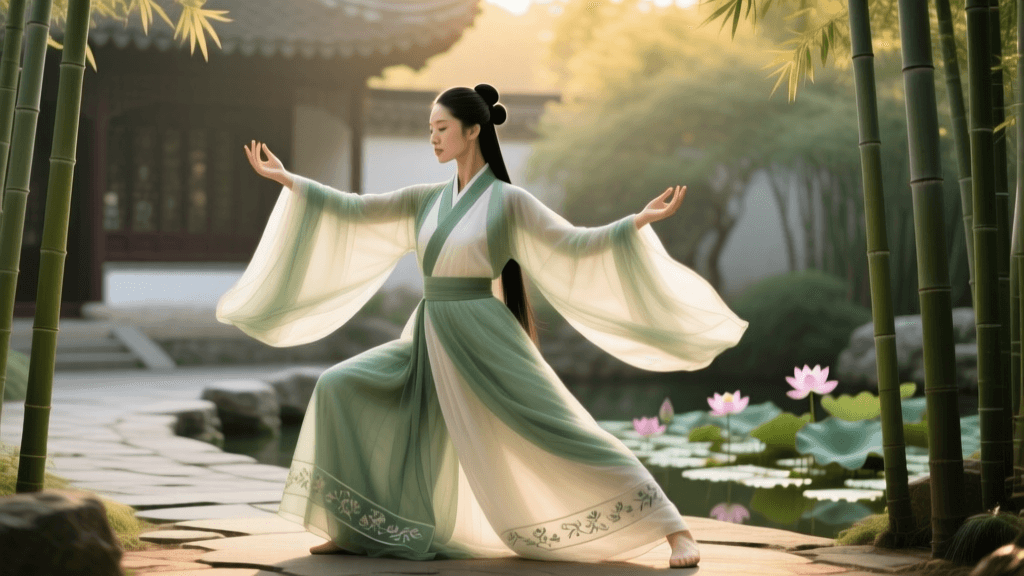
For the Dan (female) roles, the Aoqun ensemble—comprising a lined or unlined upper jacket (Ao) and a pleated Mamianqun (horse-face skirt)—is indispensable. The structured pleats of the Mamianqun create a mesmerizing kinetic effect during the intricate footwork of Kunqu. For the stage, the 2026 standard dictates a skirt length that grazes the floor, hiding the traditional embroidered shoes while allowing the heavy silk brocade to swing rhythmically with the performer's gliding steps.
The Pifeng (披风) for Dramatic Entrances
The Pifeng, a long, open-front outer coat with a stand-up collar or cross-collar, is used for high-status characters or dramatic entrances. Worn over an Aoqun, it adds verticality and authority. Stage directors in 2026 favor Pifeng made from lightweight silk gauze or semi-sheer damask, which catches the stage lighting beautifully and billows dramatically when the actor executes a sharp pivot.
Adapting Hanfu for Theatrical Movement
While authentic Hanfu is breathtaking, it was not originally designed for the rigorous choreography of traditional opera. Performers and tailors in 2026 have developed specific modifications to make Hanfu stage-ready without compromising its historical integrity.
- Hidden Sleeve Weights: Traditional Xifu uses water sleeves for emotional expression. Since Hanfu lacks these, tailors sew microscopic lead weights into the hem of the wide sleeves. This ensures the sleeve falls back into a perfect, crisp line the moment the actor drops their arm, mimicking the controlled snap of theatrical sleeves.
- Reinforced Pleat Tacking: The Mamianqun relies on loose pleats that can become tangled during complex stage choreography. Modern stage Hanfu features hidden tacking stitches along the upper thigh, keeping the pleats perfectly aligned and preventing the skirt from wrapping around the performer's legs during rapid spins.
- Adjustable Inner Ties: To accommodate quick costume changes backstage, 2026 stage Hanfu utilizes reinforced, color-coded inner silk ties, allowing dressers to secure the garments tightly in under thirty seconds without the risk of the collar slipping during a performance.
Sourcing and Budgeting: 2026 Market Guide
Sourcing stage-ready Hanfu requires balancing historical accuracy, fabric quality, and theatrical durability. Below is a comparison of the primary sourcing avenues available to troupes and independent performers in 2026.
| Sourcing Avenue | Best For | Estimated Cost (USD) | Lead Time |
|---|---|---|---|
| Minghuatang (Premium Brand) | Lead roles, close-up immersive theater, high-budget productions | $400 - $1,200+ | 3 - 6 months |
| ShisanYu (Mid-Tier Brand) | Ensemble cast, promotional shoots, regional touring troupes | $150 - $350 | 4 - 8 weeks |
| Custom Suzhou Theatrical Tailors | Specific stage modifications, heavy brocades, custom measurements | $250 - $600 | 6 - 10 weeks |
| Secondhand / Vintage Hanfu Market | Indie troupes, background scholars, budget-conscious adaptations | $80 - $200 | Immediate |
For troupes operating on a grant or educational budget in 2026, the secondhand Hanfu market has become a goldmine. As the Hanfu boom of the early 2020s matures, many enthusiasts are selling pristine, high-quality Ming-style garments on platforms like Xianyu. Indie Kunqu troupes frequently purchase these secondhand pieces and hire local tailors to add the hidden sleeve weights and reinforced ties mentioned above, achieving a premium stage look at a fraction of the cost.
Fabric Choices and Stage Lighting
The choice of fabric dictates how a garment interacts with modern theatrical lighting. In 2026, LED stage arrays are highly directional and cool-toned, which can wash out the subtle tones of traditional silk. To combat this, costume designers are gravitating toward Yunjin (cloud brocade) and Zhuanghua weaves for leading roles. These fabrics incorporate metallic threads (historically gold and silver leaf, now often refined copper alloys) that catch the light dynamically as the actor moves.
For supporting roles and ensemble scenes, heavy silk damask (Chou) is preferred. It absorbs light softly, preventing the ensemble from visually overpowering the lead actors. It is crucial to avoid modern synthetic brocades for close-up immersive performances, as the plastic sheen reflects stage lights harshly and breaks the historical illusion that audiences in 2026 are paying premium prices to experience.
Maintenance: Stage Makeup vs. Authentic Silk
The most significant challenge of using authentic Hanfu in traditional performing arts is the inevitable collision between delicate historical fabrics and heavy, oil-based theatrical makeup. Traditional Peking Opera and Kunqu makeup (Lianpu and base foundations) are notoriously difficult to remove and will permanently stain raw silk or delicate gauze.
"In 2026, the golden rule for Hanfu stage wardrobe management is the mandatory use of a silk-crepe barrier collar. We no longer risk a 5,000 RMB Ming-style Daopao to an actor's foundation makeup." — Lead Wardrobe Mistress, Shanghai Indie Kunqu Ensemble
To protect the garments, modern wardrobe departments utilize custom-dyed, washable silk-crepe inner collars that are temporarily basted to the neckline of the Hanfu before every performance. These collars absorb the sweat and makeup from the actor's neck and jawline. After the show, the collar is carefully snipped off, dry-cleaned, and reattached for the next performance. Furthermore, performers are strictly prohibited from wearing the outer Pifeng or Daopao during the makeup application process; the garments are only donned in the final ten minutes before the curtain rises, requiring a highly synchronized backstage choreography.
Conclusion: Honoring the Past on the Modern Stage
The integration of authentic Ming Dynasty Hanfu into Kunqu and Peking Opera is not a rejection of traditional Xifu, but rather an expansion of the theatrical vocabulary. As recognized by institutions documenting the UNESCO heritage status of Peking Opera, the evolution of performance art relies on its ability to resonate with contemporary audiences while honoring its roots. By embracing the historical accuracy, luxurious fabrics, and refined silhouettes of Hanfu in 2026, traditional performing arts are offering audiences a breathtaking, immersive window into the sartorial elegance of China's past, ensuring these ancient stories continue to captivate for generations to come.