Hanfu Revival Movement: A Guide To Ming Dynasty Everyday Styles
The Grassroots Roots of the Hanfu Revival Movement
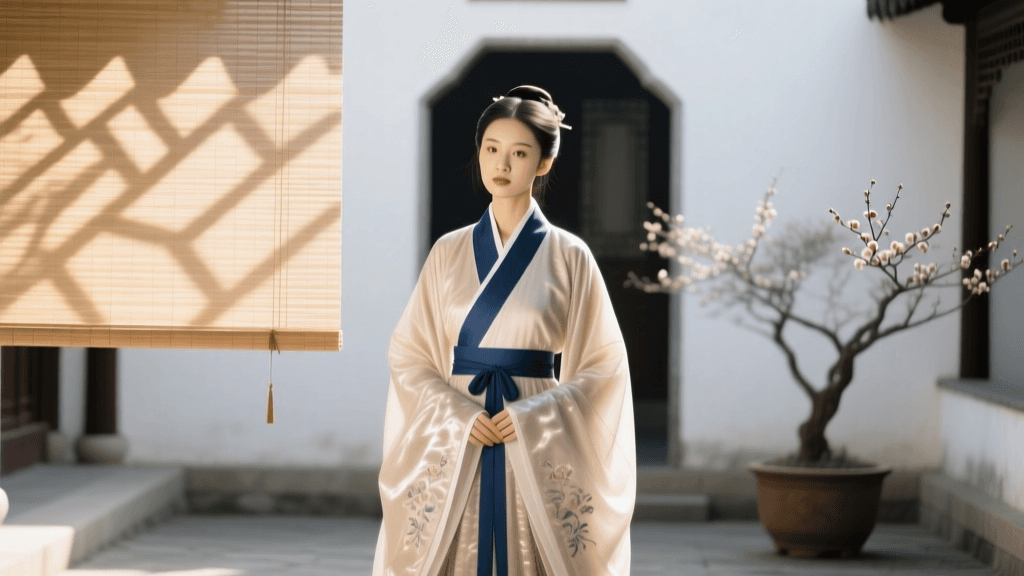
The Hanfu revival movement is one of the most fascinating cultural phenomena of the 21st century. What began in the early 2000s as a niche internet forum discussion among Chinese students and history enthusiasts has blossomed into a multi-billion-dollar fashion industry. The movement, known as the Hanfu Movement (汉服运动), seeks to reclaim and reintegrate the traditional clothing of the Han Chinese people into modern daily life. According to a comprehensive overview of the Hanfu movement on Wikipedia, the catalyst is often traced back to 2003, when Wang Letian wore a self-made Hanfu on the streets of Zhengzhou, sparking national media debate and inspiring a grassroots cultural renaissance.
Today, the movement is no longer confined to historical reenactments or festival wear. Driven by social media platforms like Douyin, Xiaohongshu, and TikTok, millions of young people are adopting Hanfu as everyday streetwear. As reported by the BBC in their coverage of the ancient clothing trend sweeping China, the market for Hanfu has exploded, with consumers demanding higher historical accuracy, better fabrics, and designs that seamlessly blend with modern urban lifestyles. For beginners looking to participate in this vibrant cultural revival, the Ming Dynasty (1368–1644) offers the most accessible, structured, and versatile entry point.
Why Ming Dynasty Hanfu is the Ultimate Beginner Choice
While the flowing, ethereal silhouettes of the Tang Dynasty and the slender, minimalist lines of the Song Dynasty are visually stunning, they can be intimidating for everyday wear. Tang Dynasty garments often require complex layering, sheer fabrics that demand specific undergarments, and elaborate hairpieces. Song Dynasty styles, while elegant, can sometimes look overly austere or resemble modern sleepwear to the untrained eye.
Ming Dynasty Hanfu, by contrast, is characterized by its structured tailoring, modest coverage, and robust textiles. The silhouettes are grounded and practical, making them highly adaptable to modern climates and urban commuting. The most iconic garment of this era is the Mamianqun (马面裙), or 'horse-face skirt,' which has recently become a global fashion staple. Paired with an Ao (袄) or Shan (衫) top, the Ming Dynasty silhouette provides a regal, polished look that requires minimal historical styling knowledge to pull off convincingly.
Comparative Guide: Tang vs. Song vs. Ming Hanfu
To understand why Ming Dynasty Hanfu dominates the everyday revival market, consider this comparison of the three most popular historical eras for modern wearers:
| Feature | Tang Dynasty (618–907) | Song Dynasty (960–1279) | Ming Dynasty (1368–1644) |
|---|---|---|---|
| Silhouette | Voluminous, high-waisted, flowing | Slim, elongated, narrow sleeves | Structured, A-line, layered |
| Key Garment | Qixiong Ruqun (Chest-high skirt) | Beizi (Long open-front coat) | Mamianqun (Pleated wrap skirt) |
| Fabric Weight | Lightweight silks, sheers, gauze | Medium-weight crepes, linens | Heavy brocades, jacquards, cotton |
| Modesty | Lower (often exposes shoulders/cleavage) | High (covers neck and wrists) | High (structured collars, long sleeves) |
| Modern Versatility | Low (requires specific undergarments) | Medium (great for summer layering) | High (easily mixed with modern tops) |
Actionable Buying Guide: Sizing, Costs, and Retailers
Navigating the Hanfu market can be overwhelming due to the sheer volume of options and the prevalence of 'Hanfu-shaped' costumes (often called 'Xianxia' or fantasy wear) that lack historical basis. To buy authentic, revival-grade Hanfu, you must know how to measure yourself and where to shop.
Essential Measurements for Hanfu
Unlike Western clothing that relies on standard S/M/L sizing, authentic Hanfu retailers primarily use exact centimeter measurements. You will need a soft measuring tape to record the following:
- Xiongwei (Bust): Measure around the fullest part of your chest. For Ming Dynasty tops (Ao), add 4-6 cm to your actual bust measurement for a comfortable, traditional fit that allows for layering.
- Yaowei (Waist): Measure your natural waist. For the Mamianqun, the skirt sits slightly higher than the hips but below the navel. Ensure you measure exactly where the skirt's waistband will rest.
- Qunchang (Skirt Length): Measure from your waist down to your ankle bone. Standard Mamianqun lengths are usually 95cm, 100cm, or 105cm. A good rule of thumb is to buy a skirt that ends 3-5 cm above the floor when wearing your preferred shoes.
Budgeting and Taobao Navigation
The cost of Hanfu varies wildly based on material and craftsmanship. Here is a practical breakdown of what to expect:
- Budget Tier (100 - 250 RMB / $15 - $35 USD): Usually made of polyester blends or basic cotton-linen. Great for everyday wear, easy to machine wash, but may lack historical drape. Look for shops like Lanyuan Hanfu.
- Mid-Range Tier (300 - 600 RMB / $40 - $85 USD): Features high-quality jacquard weaves, accurate historical patterns, and better hardware (like metal skirt buckles instead of plastic). Shops like Shisan Yu (十三余) and Tingyue Fengge (听月小筑) excel here.
- High-End Tier (800+ RMB / $110+ USD): Utilizes genuine silk, real gold-leaf weaving (Zhi Jin), and meticulous hand-finished details. Reserved for special occasions or serious collectors.
Pro-Tip for International Buyers: Most authentic Hanfu is sold on Taobao. If you are outside China, use a shopping agent like Superbuy, CSSBuy, or Sugargoo. Search Taobao using the exact Chinese terms: 明制汉服 (Ming Dynasty Hanfu) and 马面裙 日常 (Mamianqun Everyday). Always filter by 'Sales' to find reputable, community-vended shops and avoid low-quality costume knock-offs.
Styling the Mamianqun for Modern Life
The true beauty of the Ming Dynasty revival lies in its adaptability. The Mamianqun is a wrap skirt featuring two flat, unpleated panels (the 'horse faces') at the front and back, with deep, structured pleats on the sides. According to CNN's extensive feature on the Hanfu trend, modern Chinese youth are increasingly treating the Mamianqun as a versatile statement piece akin to a high-fashion midi skirt.
Here are three actionable ways to style a Mamianqun for contemporary settings:
- The Office-Ready Look: Pair a solid-colored, dark-toned Mamianqun (like navy or deep emerald) with a crisp, modern white button-down shirt or a fitted turtleneck. Tuck the top into the skirt and secure the waistband with a subtle leather belt over the traditional ties. Finish with leather loafers or low block heels.
- The Autumn Commuter: Layer a traditional Ming Dynasty Piling (capelet) or a modern tailored blazer over a slim-fit ribbed sweater. The structured shoulders of a blazer perfectly complement the A-line flare of the pleated skirt.
- The Casual Weekend: For a relaxed aesthetic, pair a lightweight, cotton-linen Mamianqun with an oversized graphic tee or a chunky knit cardigan. Complete the look with clean white sneakers and a modern crossbody bag.
How to Tie the Mamianqun Securely
Beginners often struggle with the traditional tie closures of the Mamianqun, leading to wardrobe malfunctions. Follow this step-by-step method for a secure fit:
- Wrap the skirt around your waist, ensuring the flat front panel is perfectly centered.
- Cross the back ties over the front ties, pulling them snug to create tension across the pleats.
- Instead of a simple bow, use the 'double-loop knot' method: create a loop with the left tie, wrap the right tie around the base twice, and pull it through the loop. This creates a flat, secure knot that will not loosen during a day of walking or sitting.
Garment Care and Maintenance
Authentic Hanfu, particularly those featuring intricate jacquard weaving or metallic threads, requires specific care to maintain its structural integrity and historical appearance.
- Washing: Never machine wash Hanfu with heavy hardware or metallic threads. Turn the garment inside out, place it in a fine mesh laundry bag, and wash on a delicate cycle with cold water and a pH-neutral detergent. For pure silk or Zhi Jin (gold-woven) skirts, dry cleaning is mandatory.
- Drying: Never wring out a Mamianqun, as this will permanently ruin the heat-set pleats. Gently press out excess water with a clean towel and hang the skirt on a multi-clip hanger, ensuring the weight of the wet fabric pulls the pleats straight down.
- Ironing: Use a steam iron on a low setting. Always place a cotton pressing cloth between the iron and the Hanfu fabric to prevent scorching, especially on synthetic brocades which can melt instantly upon direct contact with high heat.
Joining the Movement
The Hanfu revival movement is more than just a fashion trend; it is a living, breathing reconnection with heritage, craftsmanship, and identity. By starting with the structured, elegant, and highly versatile Ming Dynasty styles, you can respectfully participate in this cultural renaissance while building a wardrobe that is both historically grounded and beautifully modern. Whether you are navigating the bustling streets of Shanghai or the subway systems of New York, the Mamianqun stands as a testament to the enduring power of traditional Asian garments in the contemporary world.