Ming Dynasty Court Fashion: Mamianqun Evolution & Sizing Guide
The Origins of Ming Dynasty Court Fashion
The Ming Dynasty (1368–1644) represents a golden era of Han Chinese cultural restoration, sartorial codification, and textile innovation. Following the collapse of the Mongol-led Yuan Dynasty, the Hongwu Emperor sought to systematically erase foreign influences and reinstate traditional Han Chinese court attire. This cultural renaissance birthed the Aoqun (jacket and skirt) system, a sophisticated two-piece ensemble that would dominate women's court and noble fashion for nearly three centuries. At the very heart of this sartorial revolution was the Mamianqun, commonly translated as the 'horse-face skirt', a garment whose structural brilliance and aesthetic grace continue to captivate historians and modern fashion enthusiasts alike.
According to the Metropolitan Museum of Art's Heilbrunn Timeline of Art History, the Ming period saw unprecedented advancements in silk weaving, state-sponsored textile manufactories, and the strict codification of sumptuary laws. These laws dictated exactly which fabrics, colors, and motifs could be worn by empresses, concubines, and the wives of court officials, making clothing a highly visible marker of social hierarchy and dynastic power.
Anatomy and Evolution of the Mamianqun
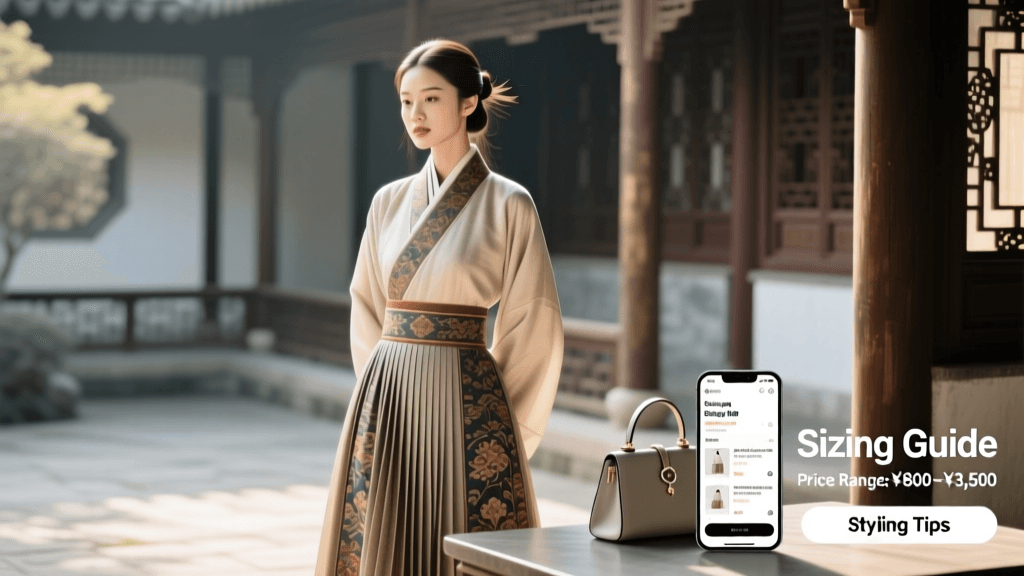
The term 'horse-face' does not refer to the animal, but rather to the architectural term for the flat, protruding front and back panels of a fortress wall. The skirt is a marvel of structural engineering, consisting of two overlapping flat panels (guangmian) at the front and back, flanked by deeply pleated sides (zhe). This design allowed for immense freedom of movement—essential for riding or navigating the sprawling courtyards of the Forbidden City—while maintaining a modest, voluminous silhouette when standing still.
'The Mamianqun is a masterclass in kinetic fashion. The overlapping flat panels ensure modesty during movement, while the side pleats expand gracefully with every step, creating a fluid, architectural silhouette that flat-cut Western skirts of the same era simply could not achieve.'
Dynasty Evolution: Ming vs. Qing Court Skirts
While the Mamianqun originated in the Song and Yuan dynasties, it was perfected during the Ming. Ming court skirts were characterized by wide, soft pleats and luxurious woven motifs, often utilizing gold and silver threads. When the Manchu-led Qing Dynasty (1644–1912) took power, they enforced strict sartorial laws on men but largely allowed Han women to retain their traditional dress. Consequently, the Mamianqun evolved during the Qing era: the pleats became sharper and more numerous, and the flat panels became heavily decorated with intricate embroidery and appliqué work rather than woven brocade. Understanding this evolution is crucial for collectors and modern Hanfu enthusiasts aiming for historical accuracy.
The enduring legacy and distinct structural identity of the Ming Mamianqun were brought to intense global focus recently. As reported by BBC News in 2022, a major French luxury fashion house faced severe backlash and accusations of cultural appropriation after releasing a mid-length skirt that perfectly mirrored the traditional Mamianqun silhouette without crediting its Ming Dynasty origins. This incident underscored the skirt's profound cultural significance and sparked a massive global revival in traditional Chinese garment research.
Practical Guide: Sizing and Measuring for the Mamianqun
For modern enthusiasts looking to purchase or commission an authentic Ming-style Mamianqun, proper measurement is critical. Unlike modern wrap skirts, the traditional Mamianqun relies on precise waist placement and generous hem widths to ensure the overlapping panels do not gap open during movement.
| Measurement | How to Measure | Standard Range (cm) | Fit Advice |
|---|---|---|---|
| Waist | Measure around your natural waistline (above the navel) | 64 - 84 cm | Add 2-3 cm for overlap comfort and seasonal layering. |
| Skirt Length | From natural waist down to the ankle bone | 95 - 105 cm | Ming skirts traditionally grazed the ankle; avoid floor-dragging lengths. |
| Hem Width | Total circumference of the skirt hem when fully laid flat | 300 - 450 cm | A wider hem (400cm+) provides the most authentic, voluminous Ming drape. |
| Panel Width | Width of the flat front/back 'horse-face' panels | 20 - 28 cm | Should roughly match the distance between your hip bones. |
How to Tie and Wear the Skirt
Traditional Mamianqun do not use zippers or buttons; they are secured with long, sturdy cotton or silk ties attached to the waistband. To wear it correctly:
- Step into the skirt and bring the back panel to your rear.
- Cross the left ties over your front, pulling them snugly to the right hip.
- Wrap the right ties around to the front, ensuring the front flat panel perfectly aligns with your center.
- Tie the strings securely at the side or front, tucking the excess fabric neatly into the waistband to maintain a smooth silhouette.
Fabric, Costs, and Purchasing Advice
The modern Hanfu market offers a vast array of Mamianqun options, ranging from mass-produced costume pieces to museum-grade artisan reproductions. When shopping on specialized boutiques or platforms like Taobao, understanding the pricing tiers and production timelines is essential for making an informed purchase.
Cost Breakdown and Material Guide
- Budget Tier ($35 - $65 USD): Typically made from polyester jacquard or synthetic blends. These are durable, machine-washable, and feature woven metallic-looking threads. Ideal for daily wear, beginners, and travel. Usually available for immediate shipping.
- Mid-Tier ($80 - $160 USD): Crafted from silk-blend fabrics, matte chiffon, or high-quality rayon. These offer a much more authentic drape and breathability. Motifs are often woven rather than printed. Expect a 15 to 20-day processing time.
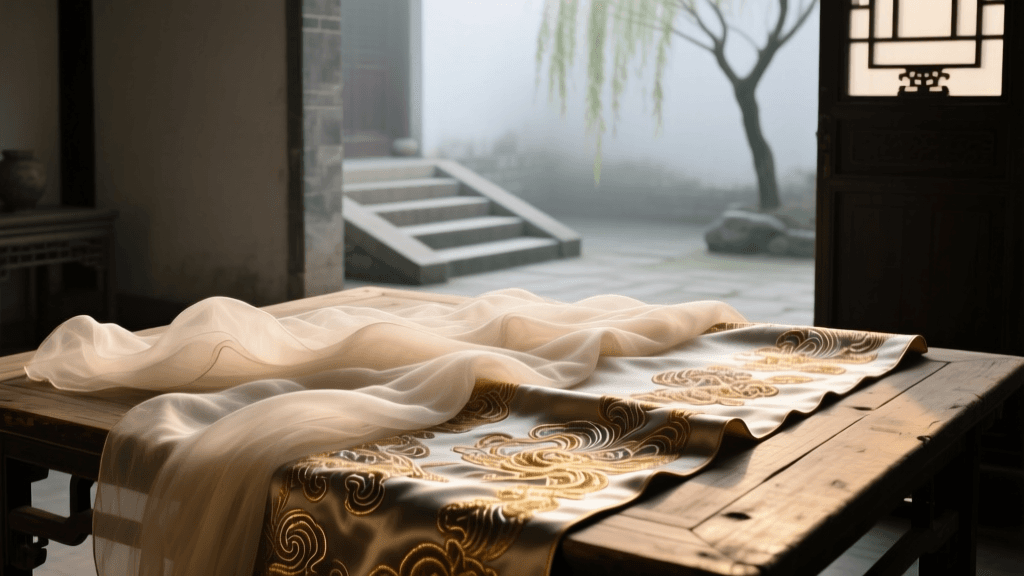
- Artisan Tier ($250 - $600+ USD): The pinnacle of Ming court reproduction. These skirts utilize genuine Nanjing Cloud Brocade (Zhuanghua) or silk tapestry (Kesi), featuring real gold and peacock feather threads. Because these are often produced via 'Tuanjie' (group-buy pre-orders to meet artisan loom minimums), expect a waiting period of 45 to 90 days.
Styling the Ao (Jacket) for Modern Wear
The Mamianqun is only half of the Aoqun equation. The Ming Dynasty jacket (Ao) is equally iconic, characterized by its structured collars and unique sleeve shapes. To achieve an authentic Ming court silhouette, look for the following jacket styles:
The Liling Ao (Standing Collar Jacket)
Popularized in the mid-to-late Ming Dynasty, the standing collar jacket fastens at the neck and right shoulder using intricate metal or jade buttons (Zikou). This style provides a regal, structured look that pairs beautifully with the high waistband of the Mamianqun. For modern styling, a tailored Liling Ao in a muted jewel tone (like sapphire or emerald) bridges the gap between historical court wear and contemporary elegance.
Pipa Sleeves
Named after the traditional Chinese lute, Pipa sleeves are narrow at the shoulder, swell dramatically at the forearm, and taper back to a fitted cuff at the wrist. This design not only looks incredibly graceful but also serves a practical purpose: the fitted cuff prevents the sleeve from dipping into ink or food, while the wide forearm allows for layering over multiple undergarments during harsh winters.
Motifs and Weaving Techniques in Court Fashion
To truly appreciate Ming Dynasty court fashion, one must understand the language of its motifs. The Guardian noted that the cultural weight of these garments lies heavily in their symbolic patterns. Ming sumptuary laws strictly regulated these designs:
- Dragons and Phoenixes: Reserved exclusively for the imperial family. A five-clawed dragon denoted the Emperor, while four-clawed dragons (often called Mang) were granted to high-ranking nobles.
- Peonies: The 'king of flowers', symbolizing wealth, honor, and prosperity. Widely used by court ladies and wealthy merchants.
- Bats and Clouds: The Chinese word for bat (fu) is a homophone for 'good fortune'. Five bats surrounding a longevity character was a ubiquitous motif for noblewomen's skirts.
These motifs were rarely printed; they were woven directly into the fabric using draw-looms, a painstaking process that required a weaver and a 'draw-boy' working in tandem to lift specific warp threads, creating the shimmering, reversible patterns characteristic of Ming brocade.
Care and Maintenance
Preserving the structural integrity of a Mamianqun requires specific care, particularly regarding the pleats. For polyester or synthetic skirts, a gentle cold wash and air drying are sufficient. However, to maintain the sharp pleats, you must re-fold them while damp and iron them on a low setting using a pressing cloth. For genuine silk brocade or artisan Zhuanghua skirts, dry cleaning is strictly prohibited as the chemicals will strip the metallic threads and ruin the silk's natural luster. Instead, spot clean with a damp cloth and store the skirt rolled around a cardboard tube to prevent permanent creasing of the flat panels.
Conclusion
The Ming Dynasty Mamianqun is far more than a historical artifact; it is a testament to the ingenuity of traditional Chinese textile engineering and a powerful symbol of cultural continuity. Whether you are a historian studying the evolution of court sumptuary laws, or a modern consumer looking to integrate the Aoqun system into your wardrobe, understanding the precise measurements, fabric tiers, and historical context of this garment ensures that you wear it with the respect and elegance it deserves. As the Hanfu revival continues to gain global momentum, the horse-face skirt remains an enduring icon of Asian sartorial heritage.