Hanfu on Global Runways: 2026 Paris Couture Week Trends
The Renaissance of Hanfu in 2026 Haute Couture
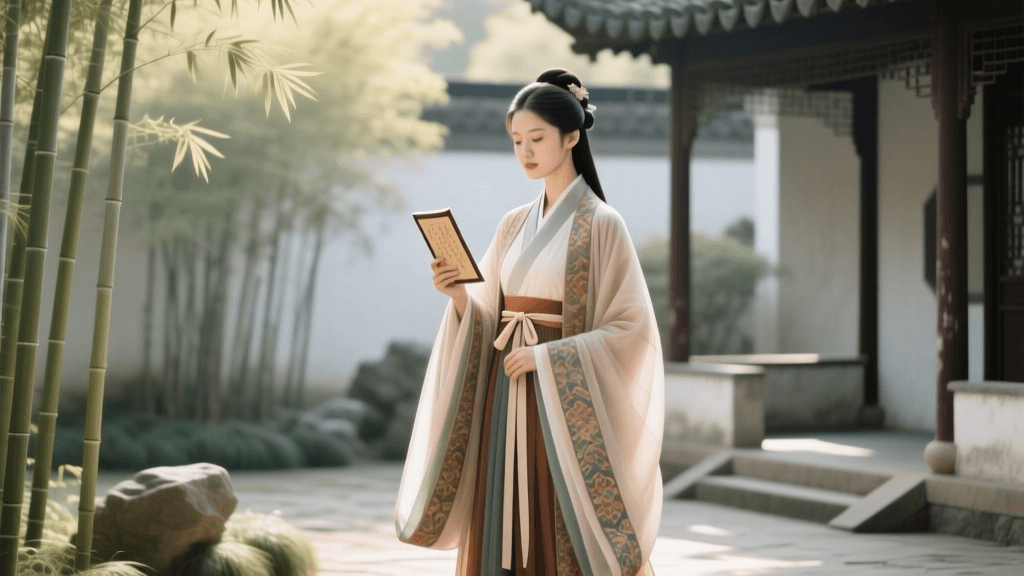
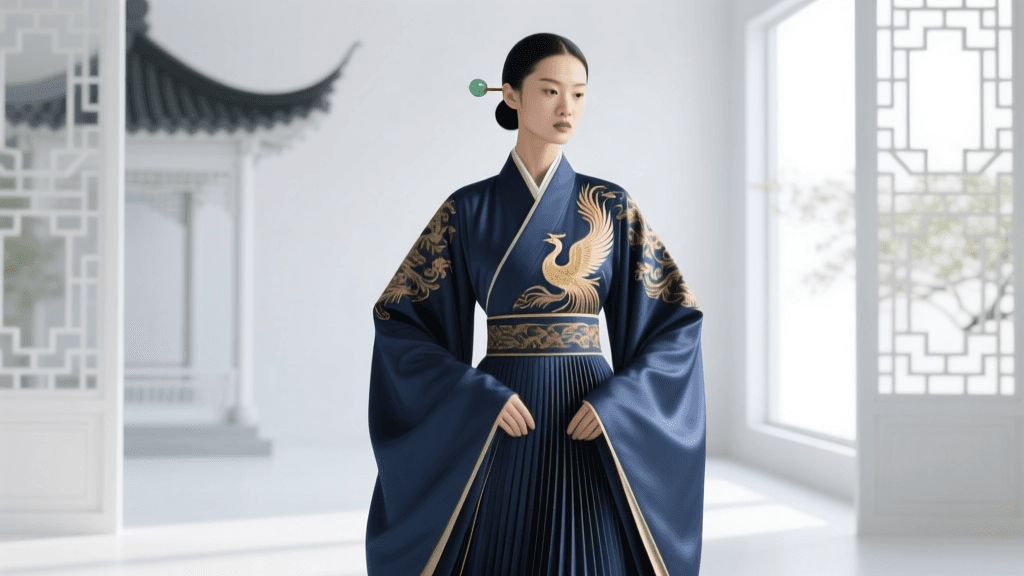
The global fashion landscape has undergone a seismic shift in 2026, moving away from superficial cultural appropriation toward deep, respectful integration of historical garments. Nowhere is this more evident than on the runways of Paris Couture Week, where traditional Chinese Hanfu has transitioned from a niche cultural revival to a dominant force in international haute couture. Designers are no longer merely referencing Eastern aesthetics; they are deconstructing and rebuilding authentic Ming and Song Dynasty silhouettes for the modern global citizen. This year, the spotlight is firmly on the structural ingenuity of traditional Chinese tailoring, proving that centuries-old techniques hold the key to the future of sustainable, high-impact fashion.
According to industry analysts, the integration of Hanfu into Western fashion capitals represents a maturation of the global market. The historical roots of these garments, such as the intricate societal structures reflected in Ming Dynasty art and culture, provide a rich tapestry of symbolism and structural design that modern couturiers are eager to explore. In 2026, we are seeing a departure from the flimsy, mass-produced 'costume' interpretations of the past decade, replaced by meticulously crafted, historically informed pieces that command respect and premium pricing on the international stage.
Key Hanfu Silhouettes Dominating the Runways
The Mamianqun (Horse-Face Skirt) Reimagined
The Mamianqun, or horse-face skirt, has undeniably become the breakout star of the 2026 runway season. Characterized by its flat front and back panels with heavily pleated sides, this Ming Dynasty staple offers a masterclass in kinetic fashion. On the Paris runways, designers have experimented with the traditional proportions. While historical Mamianqun skirts typically featured a waistband of white cotton or linen with the skirt body made of silk, 2026 iterations are utilizing upcycled vegan leathers and heavy-weight raw denims for the pleated sections, creating a striking contrast between heritage silhouette and modern materiality.
From a tailoring perspective, the 2026 runway Mamianqun maintains the traditional overlapping side seams that allow for ease of movement, but the waistbands have been restructured. Designers are introducing internal corsetry and adjustable hardware, allowing the skirt to sit securely on the natural waist without the need for traditional ties. Entry-level designer Mamianqun skirts from emerging Paris-based labels now average between $450 and $650, reflecting the intensive labor required to heat-set and stitch the dozens of precise knife pleats that define the garment.
The Pifeng (Cape) and Aoqun (Jacket-Skirt) Fusion
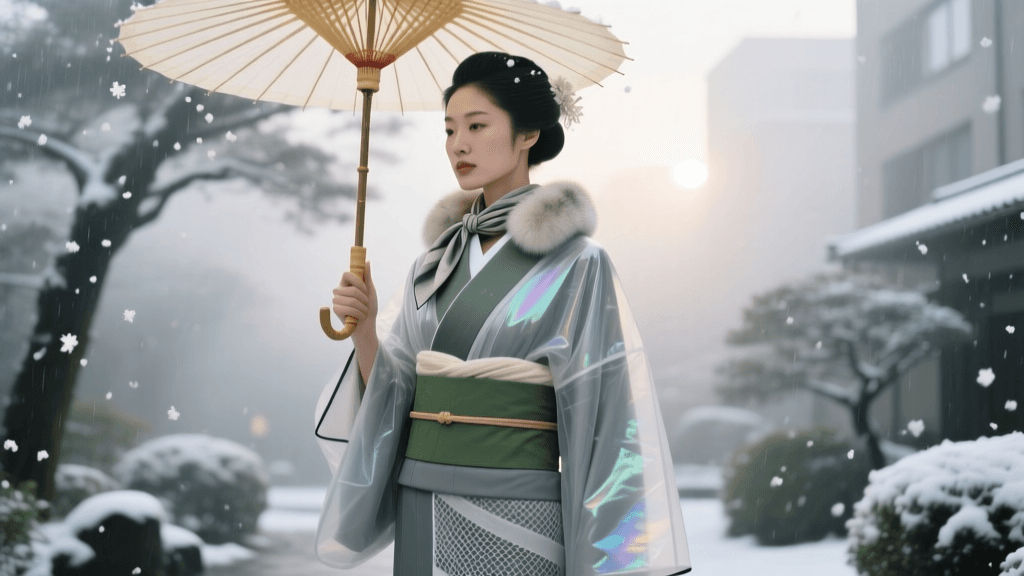
Another silhouette commanding attention is the Pifeng, a traditional cape-like outerwear piece historically worn by women during the Ming and Qing dynasties. In 2026, the Pifeng has been adapted as a dramatic, sweeping evening coat. Runway styling frequently pairs a floor-length, silk-organza Pifeng over a minimalist, bias-cut slip dress, creating a breathtaking juxtaposition of volume and sleekness. The traditional straight collar and side slits of the Pifeng have been exaggerated, with some designers extending the hemline to pool slightly on the floor, emphasizing the garment's ethereal, flowing qualities.
Traditional Textiles Meet Modern Sustainability
The 2026 couture season is heavily focused on eco-conscious luxury, and traditional Chinese textiles are perfectly positioned to meet this demand. Xiangyunsha, also known as gambiered Canton gauze, has seen a massive resurgence. This unique fabric is dyed using the juice of the薯莨 (Dioscorea cirrhosa) plant and coated with iron-rich mud from the Pearl River Delta, a process recognized for its deep cultural significance and environmental harmony. The global appreciation for such heritage crafts is echoed by institutions that preserve Chinese silk sericulture and craftsmanship, highlighting the sustainable nature of these ancient techniques.
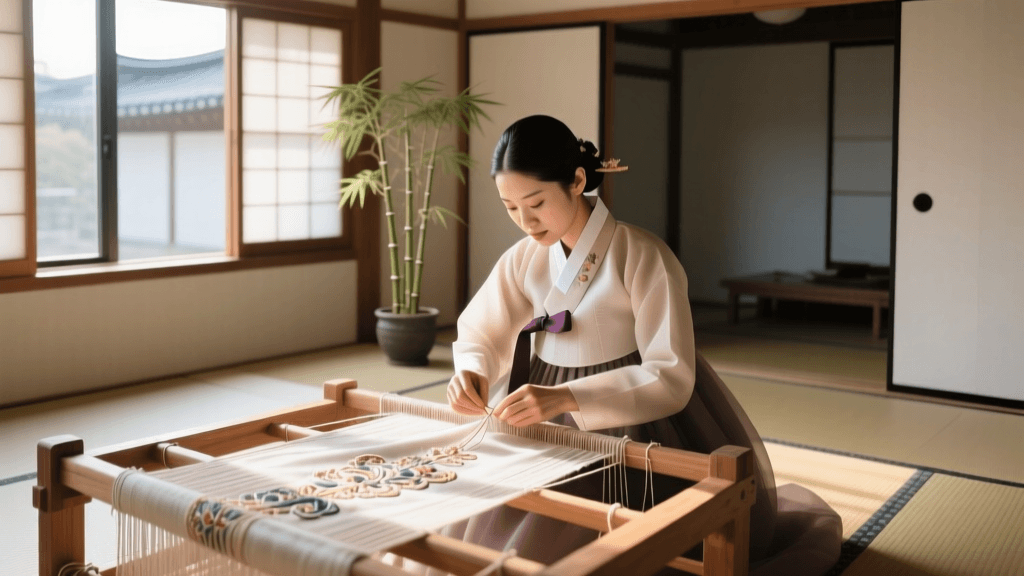
On the runways, Xiangyunsha is being utilized for structured bodices and tailored trousers. Its distinctive crackled, leathery texture and natural water-resistant properties make it an ideal alternative to synthetic pleathers. Furthermore, Song Brocade (Song Jin) is being repurposed from traditional flat tapestries into three-dimensional molded corsetry. By weaving metallic threads with recycled silk fibers, designers are creating brocades that offer the structural integrity of boning without the need for synthetic plastics, marrying historical weaving techniques with 2026's strict sustainability mandates.
Designer Spotlight: Brands Bridging East and West
The following table highlights key designers and brands that have successfully integrated Hanfu elements into their 2026 international runway collections, showcasing the diverse approaches to this cultural renaissance.
| Designer / Brand | Primary Hanfu Element | 2026 Fabric Innovation | Runway City |
|---|---|---|---|
| Samuel Gui Yang | Ming Dynasty Ao (Jacket) | Biodegradable Tencel Brocade | London / Paris |
| Uma Wang | Song Dynasty Beizi (Overcoat) | Distressed Xiangyunsha Gauze | Paris |
| Shiatzy Chen | Mamianqun (Horse-Face Skirt) | Recycled Organza & Vegan Suede | Paris |
| Guo Pei | Pifeng (Cape) & Cloud Shoulders | 3D-Printed Silk Polymer Blends | Paris Couture |
These designers demonstrate that Hanfu is not a monolith; it is a diverse vocabulary of design that can be translated through various contemporary lenses. The global fashion community's reception of these collections, as documented in major Asian textile and fashion archives, underscores a growing academic and commercial respect for the technical mastery required to produce authentic Hanfu garments.
Runway Styling: Adapting Hanfu for the Global Wardrobe
While haute couture sets the vision, the true impact of the 2026 Hanfu movement lies in its translation to global streetwear and ready-to-wear. For fashion enthusiasts looking to incorporate these runway trends into their daily wardrobes, here are three actionable styling strategies that balance historical reverence with modern practicality.
1. The Mamianqun and the Oversized Blazer
To adapt the Mamianqun for a professional or smart-casual environment, pair a mid-calf length, solid-colored horse-face skirt with an oversized, structured wool blazer. The key to this look is proportion. Choose a Mamianqun with a waistband that sits exactly at your natural waist (typically 2 to 3 inches above the navel). Tuck a fine-knit merino wool turtleneck into the skirt, and allow the blazer to fall just past the hips. This styling technique honors the traditional high-waisted silhouette of the Ming Dynasty while grounding the outfit in contemporary corporate chic. Opt for skirts in deep jewel tones like emerald or sapphire, which photograph beautifully and hide minor wrinkles in the pleats.
2. The Pifeng as Transitional Evening Outerwear
The Pifeng is an exceptional alternative to the standard trench coat or wool overcoat for evening events. Look for ready-to-wear Pifeng crafted from mid-weight crepe or matte satin, measuring approximately 45 to 50 inches in length. Wear it open over a tailored jumpsuit or a simple silk camisole and wide-leg trousers. The straight, unstructured shoulders of the Pifeng provide a relaxed, effortless drape that contrasts beautifully with the sharp lines of modern inner layers. Secure the garment using the traditional front ties, but opt for versions that feature subtle magnetic closures hidden beneath the silk knots for ease of use in fast-paced urban environments.
3. Accessorizing with Modern Jade and Resin
Hanfu styling on the 2026 runways heavily features minimalist, architectural jewelry rather than the ornate, heavy hairpins of historical reenactments. To complement a Hanfu-inspired outfit, invest in modern interpretations of jade pendants set in recycled sterling silver or brushed titanium. A single, asymmetrical jade drop earring or a chunky resin bangle that mimics the translucency of Hetian jade adds a subtle nod to Chinese material culture without overwhelming the garment's intricate textiles. Avoid mixing too many historical accessories at once; let the silhouette and the fabric do the heavy lifting.
The Future of Hanfu in International Fashion
As we move through 2026, it is clear that Hanfu has secured a permanent place in the global fashion lexicon. The days of treating traditional Asian garments as mere costume or fleeting exoticism are over. Today's designers and consumers recognize the profound engineering, sustainable practices, and aesthetic brilliance inherent in Hanfu design. From the meticulous pleating of the Mamianqun to the eco-friendly mud-dyeing of Xiangyunsha, these garments offer solutions to modern fashion's greatest challenges. By continuing to support authentic craftsmanship and respectful design integration, the international fashion community is ensuring that the legacy of Hanfu will continue to evolve and inspire for generations to come.