Authentic Kunqu Opera Hanfu Costumes: 2026 Stage Guide
The 2026 Renaissance: From Stylized Guzhuang to Authentic Hanfu
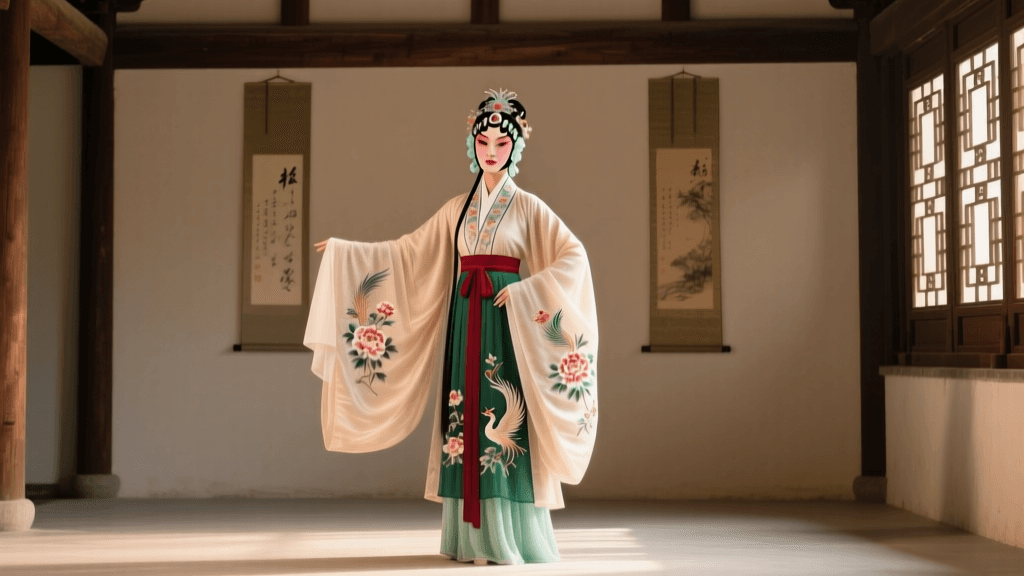
The landscape of traditional Chinese performing arts has undergone a monumental shift as we move through 2026. For decades, the costumes seen in Peking Opera and Kunqu were broadly categorized as Guzhuang (ancient costume)—a highly stylized, theatrical fantasy that blended Qing dynasty aesthetics, Ming dynasty silhouettes, and pure imagination into exaggerated stage wear. However, the global Hanfu revival movement has profoundly influenced modern theatrical direction. Today, avant-garde directors and purist troupes are moving away from generic Guzhuang, opting instead for historically grounded Hanfu adapted specifically for the rigorous demands of the stage.
This transition is not merely an aesthetic choice; it is a cultural reclamation. According to the UNESCO Intangible Cultural Heritage registry, Kunqu opera is celebrated for its refined, poetic movements and elegant vocal styles, which demand costumes that enhance the performer's grace without restricting their mobility. In 2026, the integration of authentic Ming and Song dynasty Hanfu into traditional performing arts represents the pinnacle of this cultural synthesis, offering audiences a visually accurate window into China’s sartorial history while maintaining the dynamic flair required for live theater.
Core Hanfu Silhouettes in Modern Kunqu and Peking Opera
When commissioning or purchasing stage wear in 2026, it is crucial to understand which historical garments map to specific theatrical roles. The strict character archetypes of traditional opera—such as the Guimendan (noble young woman) or the Xiaosheng (young scholar)—now rely on precise historical silhouettes to convey status and personality.
1. Ming Dynasty Aoqun (Jacket and Skirt) for Guimendan
The Ming dynasty Aoqun, consisting of a lined, high-collared or round-collared jacket (Ao) paired with a pleated horse-face skirt (Mamianqun), has become the definitive stage wear for noblewomen in modern Kunqu productions. In a theatrical setting, the Mamianqun is specially engineered. While a daily-wear Mamianqun features flat front and back panels with side pleats, the 2026 stage variant utilizes deeper, heat-set silk pleats that flare dramatically during the Yuanchang (rapid, gliding circular walking) technique. The jacket is often tailored slightly shorter at the back to prevent bunching when the performer executes deep, stylized bows or seated postures.
2. Song Dynasty Yuanlingpao (Round Collar Robe) for Xiaosheng
For the Xiaosheng (young male scholar) roles, the Song dynasty Yuanlingpao has replaced the heavily embroidered, Qing-influenced robes of the 20th century. The Song silhouette is characterized by its understated elegance, narrow sleeves (before the addition of water sleeves), and understated woven patterns. On stage, the Yuanlingpao is constructed with hidden gussets under the arms, allowing the actor to perform expansive, sweeping arm movements essential for expressing poetic longing or scholarly debate, without the fabric pulling taut across the chest.
3. Pishan (Cloud Shoulders) and Xiapei (Ceremonial Sashes)
Historically worn by Ming dynasty noblewomen during ceremonies, the Pishan (cloud shoulder) and Xiapei (ceremonial sash) have been brilliantly adapted for the stage. In 2026 productions, these accessories are weighted with subtle lead beads at the tassels' ends. This weighting ensures that when the actress performs sudden turns or kneels, the sashes swing in a controlled, pendulum-like arc, accentuating the choreography rather than tangling around the performer's limbs.
Adapting Hanfu for the Stage: The Shuixiu (Water Sleeve)
No discussion of traditional Chinese opera costumes is complete without addressing the Shuixiu, or water sleeves. Historically, Hanfu sleeves like the Daxiushan (large sleeve shirt) were wide and flowing, but they were not the detachable, multi-foot-long white silk extensions seen in opera. The modern challenge for costume designers in 2026 is integrating the theatrical Shuixiu with historically accurate Hanfu cuffs.
Top-tier costume workshops now utilize a hidden button-and-loop system crafted from silk thread, allowing the water sleeves to be securely attached to the inner lining of a Ming dynasty Pibo or Ao cuff. This ensures that the outer sleeve retains its historically accurate shape, color, and embroidery, while the performer retains the ability to execute complex sleeve techniques like Touxiu (throwing the sleeve) and Fanxiu (flipping the sleeve) without the attachment point tearing under the stress of high-velocity choreography. Similarly, the stylized martial and acrobatic elements found in the Peking Opera tradition require these specialized tailoring reinforcements to withstand rigorous physical performance.
2026 Fabric Guide for Stage Lighting and Movement
The choice of fabric is paramount in traditional performing arts. Stage lighting in 2026 utilizes advanced LED arrays that can wash out subtle colors or exaggerate unwanted textures. Furthermore, the fabric must breathe, as performers wear multiple layers of undergarments and padding. Below is a comparison of the premier fabrics used for Hanfu stage costumes this year.
| Fabric Type | Historical Era Association | Stage Application & Performance | 2026 Market Cost (USD/Meter) |
|---|---|---|---|
| Silk Zhangduan (Satin) | Ming Dynasty | Ideal for outer jackets (Ao). Highly reflective under stage lights; provides structural stiffness for heavy Su embroidery. | $85 - $140 |
| Xiangyunsha (Gambiered Silk) | Ming / Qing Transition | Used for mature male roles. Matte finish prevents light glare; rustling sound adds auditory texture to stage walks. | $120 - $200 |
| Silk Luo (Gauze) | Song / Tang Dynasty | Perfect for summer scenes and inner layers. Highly breathable; creates an ethereal, floating silhouette during spins. | $60 - $95 |
| Song Brocade (Songjin) | Song Dynasty | Reserved for high-status scholars. Woven patterns catch light subtly; heavy drape anchors the performer's movements. | $150 - $250 |
Sourcing and Commissioning Stage-Ready Hanfu in 2026
For amateur troupes, university performing arts societies, and professional theaters looking to upgrade their wardrobe, sourcing authentic stage-ready Hanfu requires navigating specialized markets. In 2026, the undisputed hub for this craftsmanship remains Zhenhu Town in Suzhou, a region globally renowned for its Su embroidery and deep historical ties to Kunqu opera tailoring.
While commercial Hanfu brands like Minghuatang offer exceptional historical accuracy for daily wear, their garments are not engineered for the physical stress of the stage. Instead, theatrical troupes commission specialized Suzhou workshops that bridge the gap between historical replication and theatrical durability. When commissioning a full Ming dynasty Aoqun stage set in 2026, expect the following pricing and timelines:
- Entry-Level Stage Wear (Machine Embroidery, Poly-Silk Blends): $300 - $500 per set. Ideal for university troupes and ensemble cast members. Lead time is typically 3 to 4 weeks.
- Mid-Tier Professional (Hand-Embroidered Accents, 100% Mulberry Silk): $800 - $1,500 per set. Suitable for lead actors in regional productions. Features reinforced seams and hidden water-sleeve attachments. Lead time is 6 to 8 weeks.
- Master Artisan Commission (Full Su Embroidery, Custom Woven Brocade): $3,500 - $8,000+ per set. Reserved for principal performers in national tours or film adaptations. The embroidery alone can take hundreds of hours, utilizing peacock feather threads and gold leaf. Lead time is 4 to 6 months.
Practical Advice for Troupes and Enthusiasts
If you are an enthusiast attending a traditional performance or an actor preparing for a role, understanding the mechanics of your costume is just as important as its visual appeal. Always request that your tailor include 'sweat guards' (removable cotton or bamboo-charcoal lined panels) under the arms and along the collar of silk Hanfu jackets. Stage makeup and perspiration can permanently stain delicate silk Zhangduan, and these guards are a lifesaver during long, multi-act Kunqu productions.
Additionally, when fitting the Mamianqun for stage use, ensure the waistband is constructed with a rigid, multi-layered cotton canvas core rather than standard silk. The heavy pleats and the added weight of theatrical sashes will pull down on a soft silk waistband during a performance, causing the skirt to sag and disrupting the actor's center of gravity. A rigid canvas core ensures the skirt sits perfectly at the natural waist, allowing for flawless execution of traditional choreography.
Conclusion
The year 2026 marks a triumphant era for traditional Chinese performing arts, where the visual poetry of Kunqu and Peking Opera is finally matched by the historical authenticity of the Hanfu movement. By understanding the nuances of Ming and Song silhouettes, selecting performance-grade fabrics, and collaborating with master tailors in Suzhou, troupes and enthusiasts can elevate their stage presence to unprecedented heights. As the curtain rises, the meticulous folds of a historically accurate Mamianqun and the sweeping grace of a reinforced water sleeve continue to tell the timeless stories of Asian heritage, proving that true tradition is a living, breathing art form.