Mindful Kitsuke: Kimono Dressing as Zen Meditation in 2026
The Intersection of Zen Spirituality and Textile Arts
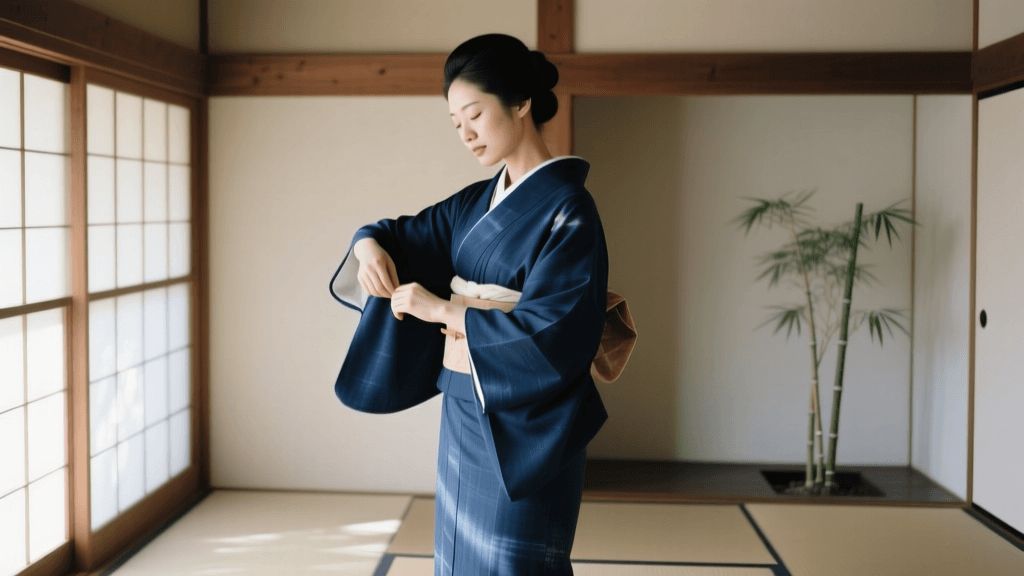
In the modern wellness landscape of 2026, mindfulness has evolved far beyond simple breathing exercises and digital detox retreats. Today, practitioners are increasingly turning to embodied, tactile traditions to anchor their awareness in the present moment. Among the most profound of these practices is the intersection of Zen spirituality and traditional Japanese garments. While many associate the kimono strictly with formal occasions or historical fashion, the actual process of wearing it—known as kitsuke—is a deeply meditative ritual. When approached with Zen principles, kitsuke transforms from a mere dressing routine into a powerful moving meditation, aligning the breath, posture, and mind.
Furthermore, the garments worn by Zen monks and practitioners during active temple work and seated meditation (zazen) offer a masterclass in functional, mindful design. In 2026, as the global 'slow fashion' movement reaches its zenith, understanding the spiritual weight and intentional construction of these garments provides a blueprint for dressing with absolute mindfulness.
Kitsuke as a Moving Meditation
In Zen Buddhism, everyday activities are not seen as distractions from practice, but as the practice itself. This philosophy is evident in samu (work practice) and the tea ceremony (chado). Kitsuke operates on this exact same frequency. The precise folding, wrapping, and tying required to wear a kimono demand total concentration. A wandering mind will result in misaligned seams, uneven hems, and a poorly balanced obi (sash). Therefore, the physical act of dressing becomes a mirror for one's mental state.
According to Japan National Tourism Organization's cultural heritage resources, the preservation of traditional arts in Japan relies heavily on their integration into modern daily life. In 2026, mindful kitsuke workshops have surged in popularity across Kyoto and Tokyo, specifically marketed not as fashion classes, but as somatic therapy and Zen moving meditation.
Step 1: Grounding with the Hadajuban
The ritual begins with the hadajuban, the innermost undergarment. Before touching the fabric, the practitioner stands in shizentai (natural, aligned posture), taking three deep, diaphragmatic breaths. Slipping the arms into the hadajuban is done slowly, feeling the texture of the cotton or hemp against the skin. This step represents shedding the outside world and grounding the physical body.
Step 2: Aligning the Nagajuban
Next comes the nagajuban, the secondary under-robe that protects the outer silk. The mindful focus here is on the eri (collar). The practitioner must ensure the collar sits perfectly at the base of the neck, exposing the nape—a hallmark of traditional kitsuke. Adjusting the collar requires fine motor control and a steady hand, forcing the mind to narrow its focus entirely to the present tactile sensation.
Step 3: Wrapping the Kimono (Left Over Right)
The outer kimono is draped over the shoulders. The practitioner must wrap the left side over the right side (the reverse is strictly reserved for dressing the deceased). As the fabric is pulled taut and the koshihimo (tying sashes) are secured at the waist, the practitioner synchronizes the pulling motion with an exhale. The weight of the silk or woven wool provides deep pressure therapy, similar to a weighted blanket, calming the nervous system.
Step 4: Tying the Obi with Intention
The obi is the anchor of the kimono. Wrapping the long, heavy sash requires core engagement and spatial awareness. As the obi is folded and tied into a taiko musubi (drum knot) or a simpler bunko musubi (bow knot), the practitioner visualizes binding their scattered thoughts into a single, unified point of focus. The final tuck of the obijime (decorative cord) marks the completion of the meditation, leaving the wearer centered, dignified, and fully present.
Garments for Zazen: Samue, Jinbei, and the Rakusu
While kitsuke is a moving meditation, seated meditation (zazen) requires garments that allow for deep breathing, cross-legged sitting, and temperature regulation. The Zen monastery has long perfected the art of mindful workwear. As outlined by the Soto Zen Shu's official guide to Zazen, proper posture and unrestrictive clothing are foundational to a stable meditation practice.
The Samue: Zen Workwear for the Modern Ascetic
The samue is the traditional work clothing of Zen monks, consisting of a loose-fitting jacket and matching trousers. Originally designed for samu (physical labor like sweeping, chopping wood, and farming), the samue has been widely adopted by lay practitioners in 2026 for meditation, yoga, and remote-work loungewear. The jacket wraps left over right, secured by simple ties, eliminating the need for buttons or zippers. This lack of hardware ensures that when sitting in the lotus or half-lotus position, no metal or hard plastic presses into the skin, allowing for uninterrupted sensory flow.
The Rakusu: A Wearable Mandala
For ordained practitioners or those who have taken lay vows, the rakusu is worn around the neck during zazen. It is a miniature, bib-like representation of the Buddha's robe, constructed from dozens of small, interlocking patches of fabric. The sewing of a rakusu is itself a profound Zen practice, requiring hundreds of hours of mindful, repetitive stitching. Wearing it during meditation serves as a physical reminder of one's vows and the interconnectedness of all things.
Comparison of Zen Meditation Garments (2026 Guide)
Selecting the right garment for your mindfulness practice depends on the specific activity, the climate, and your personal sensory preferences. Below is a comprehensive comparison of traditional Zen garments favored by practitioners today.
| Garment | Primary Use | 2026 Fabric Trends | Mindful Focus |
|---|---|---|---|
| Samue | Temple work, active meditation, daily wear | Organic Kurume Kasuri cotton, recycled hemp blends | Grounding through tactile labor and unrestricted movement |
| Jinbei | Summer lounging, light seated meditation | Breathable Shijira-ori (seersucker-like) cotton | Cooling the body to maintain alertness in heat |
| Koromo | Formal ceremonies, extended zazen sessions | Heavyweight woven silk, natural indigo-dyed linen | Postural support and deep ceremonial reverence |
| Rakusu | Zazen, liturgical services | Upcycled vintage textiles, hand-spun organic cotton | Contemplation of interconnectedness and personal vows |
Sourcing Sustainable Zen Wear in 2026
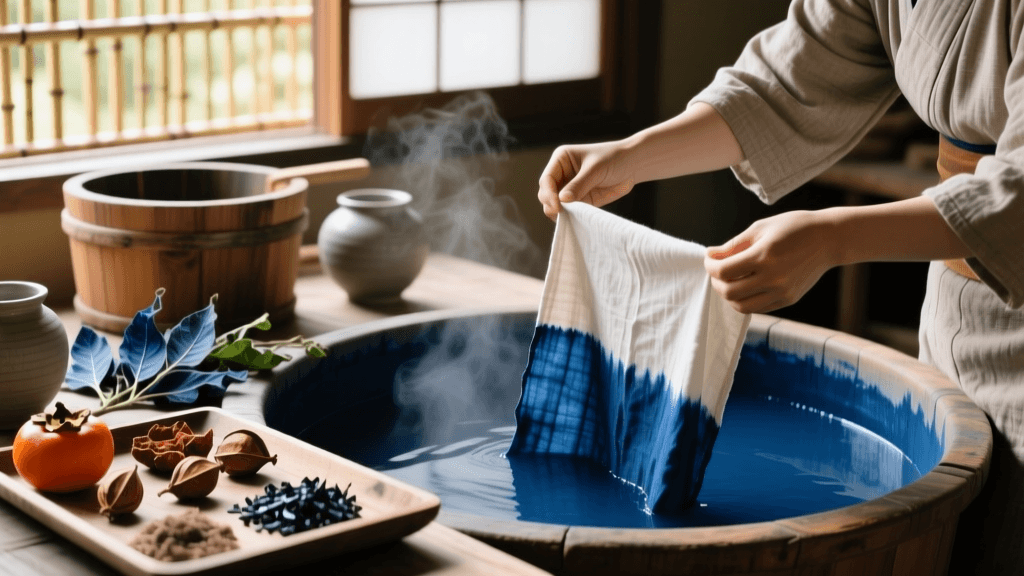
The year 2026 has seen a massive shift toward hyper-local, sustainable textile production in Japan. When sourcing a samue or a kimono for mindful dressing, practitioners are encouraged to seek out heritage weaving regions. For instance, the Kurume kasuri weavers in Fukuoka Prefecture produce indigo-dyed cotton that is highly prized for samue due to its durability and the way the fabric softens beautifully with years of use and washing.
Additionally, the concept of Boro—the traditional Japanese practice of mending and patching textiles—has become a central tenet of mindful garment care. Instead of discarding a worn meditation cushion cover or a frayed kimono collar, the 2026 Zen practitioner engages in sashiko (decorative reinforcement stitching). This mending process is treated as a meditation on impermanence (mujo) and the beauty of aging, perfectly encapsulating the wabi-sabi aesthetic.
Conclusion: Dressing as a Daily Spiritual Anchor
The integration of Zen spirituality and traditional Asian garments offers a powerful antidote to the fast-paced, disposable nature of modern fashion. Whether you are meticulously wrapping a silk kimono through the ritual of kitsuke, or simply tying the cotton drawstrings of a samue before sitting on your zafu cushion, the act of dressing becomes a sacred threshold. By treating our garments not as mere coverings, but as tools for mindfulness, we weave the profound stillness of Zen into the very fabric of our daily lives. In 2026, true luxury is not found in fleeting trends, but in the deep, intentional presence cultivated through the timeless art of mindful dress.