Mindful Kitsuke: Kimono Wellness & Slow Fashion 2026
The Intersection of Kitsuke and Mental Wellbeing
In 2026, the global conversation around mental health has increasingly turned toward somatic practices and tactile grounding. Among the most profound of these is kitsuke, the traditional Japanese art of wearing the kimono. Far from being a mere exercise in historical reenactment, kitsuke is a moving meditation that demands presence, patience, and physical awareness. According to research highlighted by the American Psychological Association, engaging in deliberate, mindful routines can significantly reduce cortisol levels and improve emotional regulation. The meticulous process of dressing in a kimono naturally enforces this state of mindfulness.
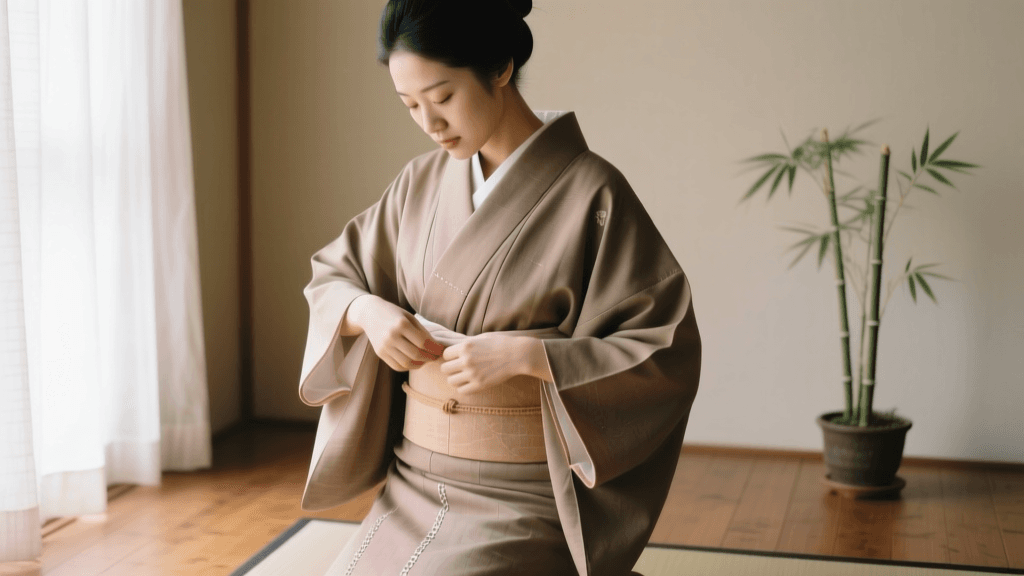
When you engage in kitsuke, you are forced to slow down. The alignment of the collar, the precise tension of the datejime (under-sash), and the geometric folding of the obi leave no room for a wandering mind. This deliberate pacing stands in stark contrast to the rushed, thoughtless consumption of modern apparel, positioning the kimono as a powerful tool for psychological grounding in our hyper-connected world.
The Sensory Experience of Traditional Textiles
Mindfulness is deeply rooted in sensory awareness, and the kimono offers a masterclass in tactile engagement. Unlike the synthetic blends dominating the 2026 fast-fashion market, traditional kimono fabrics require you to feel and respect the material. The bumpy, textured surface of tsumugi (silk pongee) grounds the wearer in the present moment, while the crisp, cool touch of jofu (ramie linen) provides a refreshing sensory anchor during the humid summer months.
Handling these garments requires care and intention. The rustle of silk, known in Japanese as kinu-zure, acts as an auditory cue for mindfulness. As you wrap the fabric around your body, you become acutely aware of the weight, drape, and temperature of the textile, transforming the simple act of getting dressed into a multi-sensory meditation.
Slow Fashion in 2026: The Kimono as an Antidote
The environmental toll of disposable clothing is a critical concern in 2026. The kimono inherently embodies the principles of the circular economy. As noted by the Ellen MacArthur Foundation, circular fashion relies on garments being designed for longevity, reuse, and eventual regeneration. The kimono excels in all three areas. Because it is constructed from straight bolts of fabric with minimal cutting, a kimono can be entirely unstitched, cleaned, and re-tailored to fit a different person or repurposed into new items.
Embracing kitsuke means stepping off the treadmill of seasonal micro-trends. Practitioners of slow fashion in 2026 are increasingly turning to vintage kimono markets, such as the Toji flea market in Kyoto or specialized online curators, to source their garments. Wearing a garment that has survived for decades fosters a sense of stewardship and connection to the past, which is deeply nourishing for mental wellbeing.
Posture and Somatic Awareness
The physical structure of the kimono naturally corrects posture. The wrapping of the fabric and the firm binding of the obi require the wearer to maintain a straight spine and relaxed shoulders. Slouching causes the collar to gap and the hem to ride up, providing immediate physical feedback when your posture falters. This enforced physical alignment, or shisei, has a direct psychological benefit: an upright posture is linked to increased alertness, reduced fatigue, and greater emotional resilience.
Comparative Analysis: Fast Fashion vs. Mindful Kitsuke
To understand the profound impact of kitsuke on daily life, it is helpful to compare it with the modern western dressing routine. The table below highlights the stark differences in how these two approaches affect the mind and body.
| Metric | Modern Fast Fashion Routine | Mindful Kitsuke Routine |
|---|---|---|
| Time Investment | 5 to 10 minutes; often rushed and distracted. | 30 to 60 minutes; deliberate and focused. |
| Mental State | Utilitarian; focused on the day's stressors. | Meditative; anchored in the present moment. |
| Physical Posture | Unrestricted; allows for slouching. | Structured; enforces spinal alignment. |
| Textile Connection | Low; synthetic fabrics lack tactile depth. | High; natural fibers require sensory respect. |
| Environmental Impact | High waste; driven by planned obsolescence. | Circular; garments last for generations. |
The Mindful Kitsuke Routine: A Step-by-Step Guide
Integrating kitsuke into your 2026 wellness routine does not require a formal event. Many practitioners now wear simplified kimono styles, such as the yukata or casual wool komon, for quiet weekends at home or mindful tea ceremonies. Here is a step-by-step guide to a mindful dressing ritual.
1. Preparation and Grounding
Begin by laying out your garments on a clean surface. Take three deep breaths, inhaling through the nose and exhaling through the mouth. Run your hands lightly over the silk or cotton, acknowledging the artisans who wove and dyed the fabric. This simple act of gratitude shifts the brain from a state of doing to a state of being.
2. The Juban and Intention Setting
Put on the hadajuban (undergarment) and nagajuban (inner robe). As you tie the koshihimo (cotton ties) around your waist, set a single intention for the day. It might be a word like 'patience,' 'clarity,' or 'compassion.' The physical binding of the tie serves as a somatic anchor for this mental intention.
3. Wrapping the Kimono
Drape the kimono over your shoulders. Align the back seam perfectly with the center of your spine. Bring the right side of the kimono across your body, followed by the left side over the right. This overlapping rule is a foundational aspect of Japanese culture, and focusing on the precise geometry of the hemline keeps the mind sharply focused on the physical task.
4. Tying the Obi and Centering the Body
The obi is the emotional and physical core of the kimono. As you wrap it tightly around your abdomen, you are engaging your core muscles and stimulating the vagus nerve, which helps regulate the nervous system. The final knot, whether a simple bunko or a structured taiko, represents the sealing of your mindful practice, locking in your posture and your intention.
Mindful Maintenance and Tactile Awareness
The wellness benefits of the kimono extend beyond wearing it; they encompass the entire lifecycle of garment care. In an era where clothing is discarded after a few wears, maintaining a kimono is an act of rebellion and devotion. The process of airing out silk garments in the shade, carefully folding them into their tato paper wrappers, and utilizing natural moth repellents like camphor or hinoki wood chips requires a gentle, unhurried touch.
According to the Victoria and Albert Museum, the meticulous preservation of kimono is a cultural hallmark that elevates the garment from mere clothing to a cherished heirloom. By dedicating time to the care of your garments, you practice a form of active meditation that honors the resources of the earth and the labor of human hands.
Conclusion: Embracing the Slow Path
As we navigate the complexities of 2026, the need for grounding rituals has never been more apparent. The art of kitsuke offers a sanctuary from the noise of modern life, wrapping the wearer in layers of history, intention, and tactile beauty. By choosing to dress slowly and mindfully, we not only protect our mental wellbeing but also champion a sustainable, compassionate approach to the fashion that adorns our bodies.