Mindful Kitsuke: Kimono Dressing For Wellness In 2026
The Rise of Somatic Fashion and Mindful Kitsuke in 2026
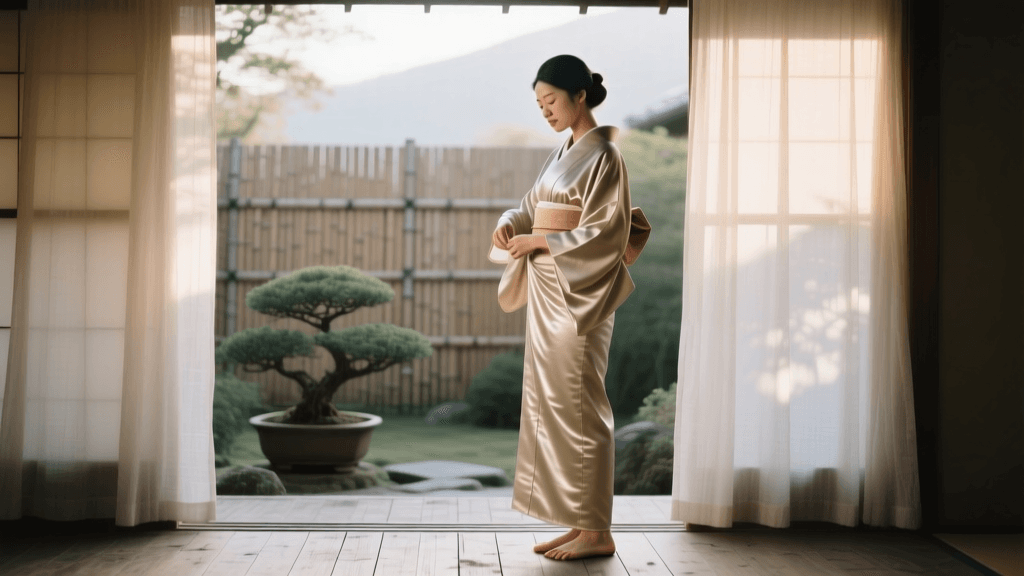
In the hyper-connected, fast-paced digital landscape of 2026, the global wellness industry has fully embraced 'somatic fashion'—the understanding that what we wear and how we put it on directly impacts our nervous system. At the intersection of slow fashion, mental health, and Asian heritage lies kitsuke, the traditional Japanese art of kimono dressing. Far from being a mere sartorial choice, kitsuke is experiencing a renaissance as a deliberate, meditative practice designed to combat modern decision fatigue and anchor the mind in the present moment.
Unlike the rushed experience of pulling on mass-produced loungewear, the multi-layered process of wearing a kimono requires focus, breathwork, and physical presence. This article explores how you can integrate the mindful practice of kitsuke into your 2026 wellness routine, embracing sustainable silk sourcing and transforming your daily dressing ritual into a powerful tool for mental wellbeing.
The Psychology of Slow Fashion and Enclothed Cognition
The psychological concept of 'enclothed cognition' suggests that the clothes we wear systematically influence our psychological processes. When you engage in kitsuke, you are not just covering your body; you are engaging in a structured ritual that signals to your brain that it is time to transition from a state of chaotic alertness to one of grounded presence.
The physical weight and structure of the kimono, particularly the obi (sash), provide a form of deep pressure stimulation. Similar to the mechanics of a weighted blanket, this gentle, even compression across the torso can help regulate the vagus nerve, lowering cortisol levels and promoting a parasympathetic 'rest and digest' state. According to Mayo Clinic's mindfulness guidelines, engaging in deliberate, focused physical routines is a proven method to reduce anxiety and improve emotional regulation. Kitsuke perfectly marries this physical mindfulness with the tactile beauty of traditional textiles.
The 2026 Mindful Dressing Ritual: A Step-by-Step Guide
To transform kitsuke from a mere dressing routine into a wellness practice, allocate 20 uninterrupted minutes in your morning. Treat this time as a moving meditation.
Step 1: Grounding and Preparation (Minutes 0-5)
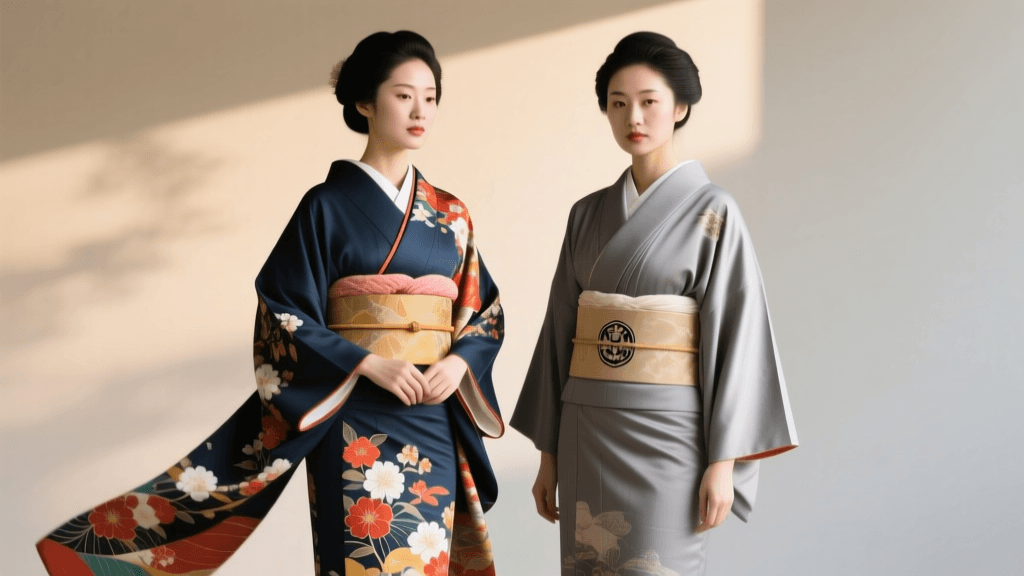
Begin by selecting your garments. In 2026, the most sustainable and accessible entry point is a vintage silk komon (everyday kimono with a repeating pattern), which typically costs between $85 and $140 USD on curated upcycling platforms. Stand barefoot on a natural tatami mat or a textured rug to ground yourself. Take five deep, diaphragmatic breaths, feeling the connection between your feet and the floor. Lay out your juban (undergarment), koshihimo (tying sashes), and obi with intentional symmetry.
Step 2: Tactile Awareness with the Juban (Minutes 5-10)
As you slip on the juban, focus entirely on the tactile sensation of the fabric against your skin. Traditional cotton or hemp blends offer a crisp, breathable texture that stimulates sensory awareness. Adjust the eri (collar) so that exactly a fist's width of space rests at the nape of your neck. This specific measurement forces you to engage your core and align your cervical spine, instantly improving your posture.
Step 3: Wrapping the Kimono and Breathwork (Minutes 10-15)
Wrap the left panel of the kimono over the right. As you pull the fabric taut, synchronize your movements with your breath. Inhale as you lift the fabric; exhale as you secure the first koshihimo snugly beneath your bust. The act of tying the sashes requires you to twist and engage your oblique muscles, promoting spinal mobility and core activation.
Step 4: The Obi as an Anchor (Minutes 15-20)
The obi is the emotional and physical anchor of the outfit. As you wrap the 12-foot sash around your waist, practice 'box breathing' (inhale for 4 seconds, hold for 4, exhale for 4, hold for 4). Tying the taiko musubi (drum bow) requires precise finger dexterity and spatial awareness, effectively crowding out intrusive, anxious thoughts by demanding your full cognitive presence.
Ethical Sourcing: Ahimsa Silk and Circular Vintage Markets
A core tenet of the 2026 slow fashion movement is ensuring that our wellness practices do not come at the expense of the environment or ethical labor. Traditional sericulture involves boiling silkworm cocoons, which conflicts with the principles of ahimsa (non-violence). Today, mindful practitioners are turning to two sustainable alternatives:
- Ahimsa (Peace) Silk: Harvested only after the moth has naturally emerged from the cocoon. An authentic Ahimsa silk nagoya obi (a pre-folded, easier-to-tie sash) costs approximately $280 to $350 USD in 2026. While pricier, the ethical sourcing aligns perfectly with a holistic wellness philosophy.
- Circular Vintage Markets: Extending the lifecycle of existing garments is the gold standard for sustainable fashion. As highlighted by the Ellen MacArthur Foundation's circular fashion initiative, keeping textiles in use drastically reduces water consumption and carbon emissions. Purchasing a meticulously preserved 1970s or 1980s kimono from a Kyoto-based upcycling cooperative ensures that no new resources are extracted.
Wellness Comparison: Modern Loungewear vs. Traditional Kimono
How does the traditional practice of kitsuke compare to the high-tech, synthetic athleisure wear dominating the 2026 market? The following table breaks down the wellness and sustainability metrics of both.
| Wellness & Sustainability Feature | Modern Athleisure (2026 Tech-Fleece) | Traditional Kimono (Mindful Kitsuke) |
|---|---|---|
| Posture Support | Minimal; relies entirely on active core muscles. | High; the structured Obi acts as a gentle lumbar brace. |
| Breath Awareness | Low; elastic waistbands expand without resistance. | High; the Obi provides tactile feedback for diaphragmatic breathing. |
| Tactile Grounding | Low; synthetic blends lack natural temperature variation. | High; natural silk and hemp regulate temperature and stimulate senses. |
| Dressing Time | 1-2 minutes (often rushed and unconscious). | 15-20 minutes (utilized as a deliberate mindfulness ritual). |
| End-of-Life (Circularity) | Low; microplastics shed; difficult to recycle. | High; 100% biodegradable natural fibers; highly repurposable. |
Mindful Garment Care: The Art of Mushiboshi
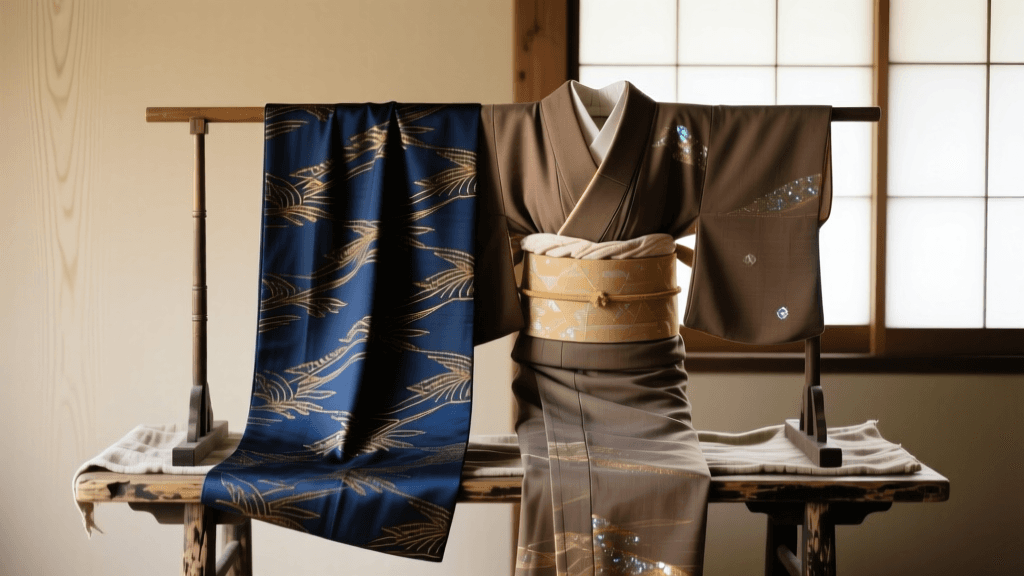
Wellness extends beyond the self to the care of the objects we cherish. In traditional Japanese culture, kimono are rarely washed with water. Instead, they are maintained through mushiboshi, the practice of airing out the garments to remove moisture and odors. In 2026, this ancient practice is easily integrated into modern homes using smart climate control.
To perform mushiboshi mindfully:
- Timing: Choose a dry, breezy day in late autumn or early spring. Avoid the high humidity of summer and the intense UV radiation of midday sun, which can degrade natural silk dyes.
- Environment: Hang the kimono on a specialized bamboo rack (ikko) in a shaded, well-ventilated room. Use a smart hygrometer to ensure the room's relative humidity is maintained between 45% and 55%.
- Inspection: As you hang the garment, take time to visually inspect the seams and fabric. This act of care fosters a deep appreciation for the artisans who wove and dyed the textile, reinforcing the slow fashion ethos of valuing quality over quantity.
- Storage: Fold the kimono along its precise, traditional geometric lines. Store it in a breathable cotton tatoushi (kimono wrapper) alongside natural camphor or hinoki wood blocks to deter insects without the use of toxic synthetic mothballs.
Conclusion: Weaving Wellbeing into Daily Life
The resurgence of kitsuke in 2026 is not about rigid adherence to historical rules or performative aesthetics; it is about reclaiming our time, our posture, and our mental space. By treating the act of dressing as a somatic meditation, and by sourcing our garments through ethical, circular channels, we transform a daily chore into a profound wellness ritual. Whether you are tying a vintage silk obi or carefully airing out your garments during mushiboshi, the kimono offers a timeless, tactile anchor in an increasingly intangible world.