Japanese Formal Kimono Guide 2026: Furisode vs Tomesode
Introduction to Japanese Formal Wear in 2026
Japanese traditional garments represent a profound intersection of art, social structure, and seasonal awareness. As we navigate the cultural landscape in 2026, the kimono remains a vibrant symbol of Japanese heritage, continually adapting to modern sensibilities while strictly preserving its historical rules of formality. For those attending weddings, tea ceremonies, or coming-of-age celebrations, understanding the hierarchy of formal wear is essential. At the absolute pinnacle of this hierarchy for women are two distinct garments: the furisode and the tomesode.
While both are masterpieces of silk weaving, dyeing, and embroidery, they are governed by strict sartorial rules regarding the wearer's marital status, age, and the specific nature of the event. According to the Victoria and Albert Museum, the evolution of the kimono from everyday clothing to highly codified ceremonial wear reflects centuries of shifting social dynamics in Japan. In this comprehensive 2026 guide, we will dissect the differences between the furisode and the tomesode, exploring their construction, modern styling trends, and where to source them today.
What is a Furisode? The Unmarried Woman's Canvas
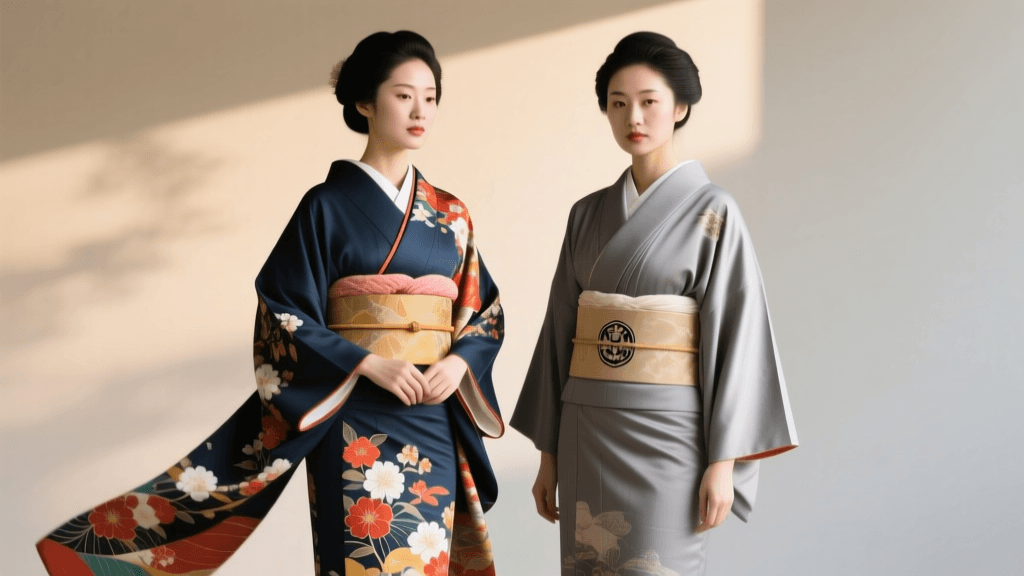
The word furisode literally translates to 'swinging sleeves.' This garment is the most formal kimono reserved exclusively for unmarried women. Historically, the long, flowing sleeves were believed to ward off evil spirits and, perhaps more importantly, served as a visual signal of a woman's availability for marriage. In 2026, while the marital signaling aspect has largely faded into historical trivia, the furisode remains the undisputed queen of formal wear for young, unmarried women attending Seijin-shiki (Coming of Age Day) or acting as the primary bridesmaids at a traditional Shinto wedding.
Sleeve Lengths and Variations
The defining characteristic of the furisode is its sleeve length, which is categorized into three distinct tiers:
- Oburisode (Large Furisode): Featuring sleeves that measure 114 centimeters or more in length. This is the most formal tier, often worn by brides themselves or their immediate unmarried sisters during wedding ceremonies.
- Chuburisode (Medium Furisode): With sleeves ranging from 100 to 114 centimeters. This is the most common type seen today, widely rented for Coming of Age Day and formal university graduation ceremonies.
- Koburisode (Small Furisode): Featuring sleeves between 85 and 100 centimeters. While slightly less formal, it is highly practical for events where extremely long sleeves might be cumbersome, such as long tea ceremonies.
Modern 2026 Trends in Furisode Styling
The furisode is characterized by its continuous, sweeping patterns that flow seamlessly across the seams of the garment. In 2026, we are seeing a massive resurgence of Taisho Roman aesthetics—bold, geometric, and slightly retro motifs from the 1920s, reimagined with vibrant, modern synthetic-silk blends that offer stain resistance and breathability. Furthermore, contemporary stylists in Tokyo's Harajuku and Kyoto's Gion districts are increasingly pairing vintage furisode with modern, contrasting hanhaba obi (half-width sashes) and 3D-printed floral kanzashi (hair ornaments) to create a striking, neo-traditional silhouette.
What is a Tomesode? The Pinnacle of Married Formality
If the furisode is the vibrant canvas of youth, the tomesode is the refined, dignified masterpiece of maturity. The tomesode is the most formal kimono worn by married women. The term translates to 'fastened sleeve,' referencing the historical practice of cutting and shortening the long sleeves of a furisode upon marriage to signify a woman's new status. As documented by Encyclopaedia Britannica, the transition from swinging sleeves to fastened sleeves marks a critical rite of passage in traditional Japanese sartorial etiquette.
Kurotomesode vs. Irotomesode
The tomesode is divided into two primary categories, each with its own strict rules of engagement:
- Kurotomesode (Black Tomesode): This is a black silk kimono featuring a patterned design only on the lower half (the eba pattern), which flows across the seams. It is adorned with five family crests (itsutsu mon). The kurotomesode is the absolute highest level of formality for a married woman and is traditionally worn exclusively by the mothers of the bride and groom at a wedding.
- Irotomesode (Colored Tomesode): Similar in cut and pattern placement to the black version, but dyed in rich, solid colors like deep plum, navy, or emerald green. It can feature one, three, or five crests. An irotomesode with five crests matches the formality of a kurotomesode but can be worn by unmarried women who are past the typical 'furisode age' (usually considered to be over 30), as well as married women attending the weddings of close relatives or friends.
The Significance of the Crest (Kamon)
The kamon (family crest) is what elevates the tomesode to its formal status. The crests are placed on the back of the neck, the chest on both sides, and the back of the sleeves. In 2026, while fewer families commission bespoke hand-painted crests, high-end rental houses in Kyoto utilize advanced digital embroidery techniques to perfectly replicate a family's specific kamon onto rental garments, ensuring that traditional etiquette is flawlessly maintained even in the modern rental economy.
Furisode vs. Tomesode: A Detailed Comparison Table
To easily navigate the distinctions between these two magnificent garments, refer to the comparison chart below, updated with 2026 market data.
| Feature | Furisode | Tomesode (Kuro/Iro) |
|---|---|---|
| Target Wearer | Unmarried women (typically under 30) | Married women (or older unmarried women for Irotomesode) |
| Sleeve Length | 85 cm to 114+ cm (Long & swinging) | Approx. 49 cm to 59 cm (Short & fastened) |
| Pattern Placement | All-over, continuous patterns crossing seams | Lower half only (eba), continuous across seams |
| Base Color | Vibrant, multi-colored, or stark white | Black (Kuro) or solid rich colors (Iro) |
| Family Crests (Kamon) | Usually three, sometimes zero | One, three, or five (five is highest formality) |
| Primary Occasions | Coming of Age Day, Graduations, Bridesmaid duties | Weddings (Mothers of bride/groom), formal receptions |
| 2026 Avg. Rental Price | ¥15,000 - ¥35,000 ($100 - $235 USD) | ¥20,000 - ¥50,000 ($135 - $335 USD) |
Accessories and Footwear for 2026 Ceremonies
Neither the furisode nor the tomesode is complete without its accompanying accessories. The obi (sash) is the most critical component. For both garments, a Fukuro obi (a formal, brocade sash woven in a tube or folded construction) is the standard choice. In 2026, metallic gold and silver threads woven into the Fukuro obi are highly sought after for wedding attendees, reflecting light beautifully in modern, dimly lit banquet halls.
Footwear also adheres to strict formality. Zori (formal sandals) made of brocade or vinyl that mimics traditional tatami weave are worn with white tabi (split-toe socks). The Metropolitan Museum of Art notes that the evolution of footwear in Japanese dress has always been tied to the preservation of the kimono's hem; thus, the elevated sole of the zori remains practically and aesthetically vital. For a kurotomesode, the zori and obi-jime (decorative cord) must incorporate gold or silver accents, whereas a furisode allows for playful, colorful obijime and beaded obi-dome (sash fasteners).
Sourcing, Renting, and Pricing in 2026
Purchasing a brand-new, hand-painted furisode or tomesode from a traditional Kyoto atelier can easily cost between ¥300,000 and ¥1,000,000 ($2,000 to $6,700 USD) in 2026. Because these garments are worn infrequently, the rental market dominates the industry.
When renting in 2026, it is crucial to book at least three to six months in advance, especially for January (Coming of Age Day) and the autumn wedding season. Modern rental packages in Tokyo and Kyoto typically include the kimono, obi, undergarments (nagajuban), zori, tabi, and a professional dressing service (kitsuke). Many premium boutiques now offer 'eco-silk' options—garments made from regenerated cellulose fibers that perfectly mimic the drape and sheen of heavy silk crepe (chirimen) while being entirely machine-washable and sustainable.
Ceremonial Etiquette: Avoiding Common Mistakes
As international interest in Japanese culture grows, foreign visitors and expatriates are increasingly invited to formal Japanese weddings. A common mistake is assuming that any beautiful silk kimono is appropriate. Wearing a furisode to a wedding as a married guest is a major faux pas, just as wearing a kurotomesode (which is reserved for immediate family) as a distant friend can be seen as overstepping boundaries. If you are an unmarried guest, a furisode is acceptable, but many opt for a slightly less formal homongi (visiting wear) to avoid outshining the bride. If you are married, an irotomesode with one or three crests is the safest, most respectful choice for a wedding guest.
Conclusion
The distinction between the furisode and the tomesode is a masterclass in how clothing communicates identity, status, and respect for tradition. While the furisode captures the youthful exuberance and unbound potential of unmarried women through its dramatic, swinging sleeves and vibrant patterns, the tomesode grounds the wearer in dignity, maturity, and familial pride through its structured silhouette and solemn crests. As we move through 2026, the enduring legacy of these garments proves that true elegance is not just about the beauty of the silk, but the deep cultural resonance woven into every thread.