Douyin Street Style: How to Master the New Chinese Fashion Trend
The Douyin Effect: Redefining Chinese Street Fashion
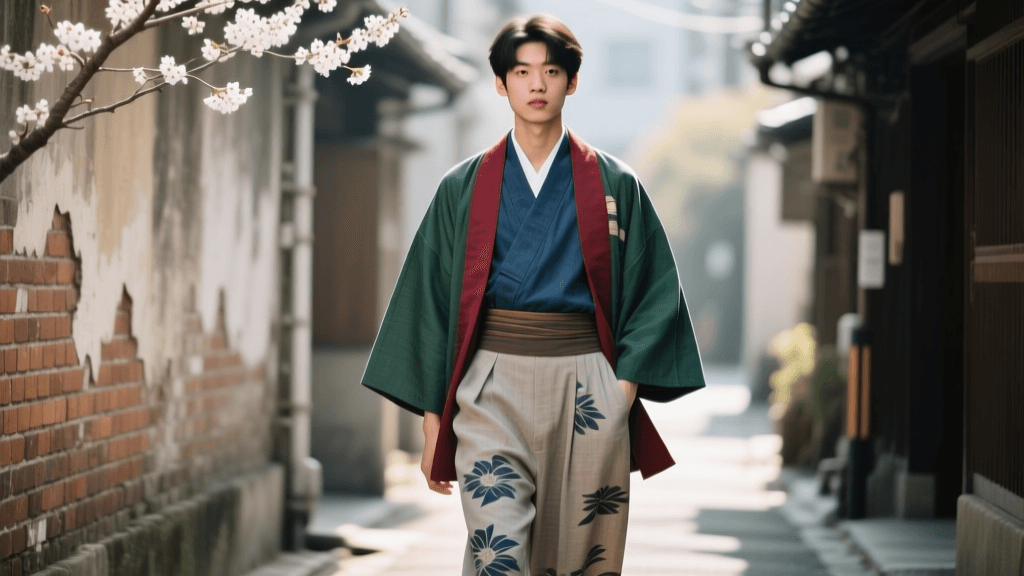
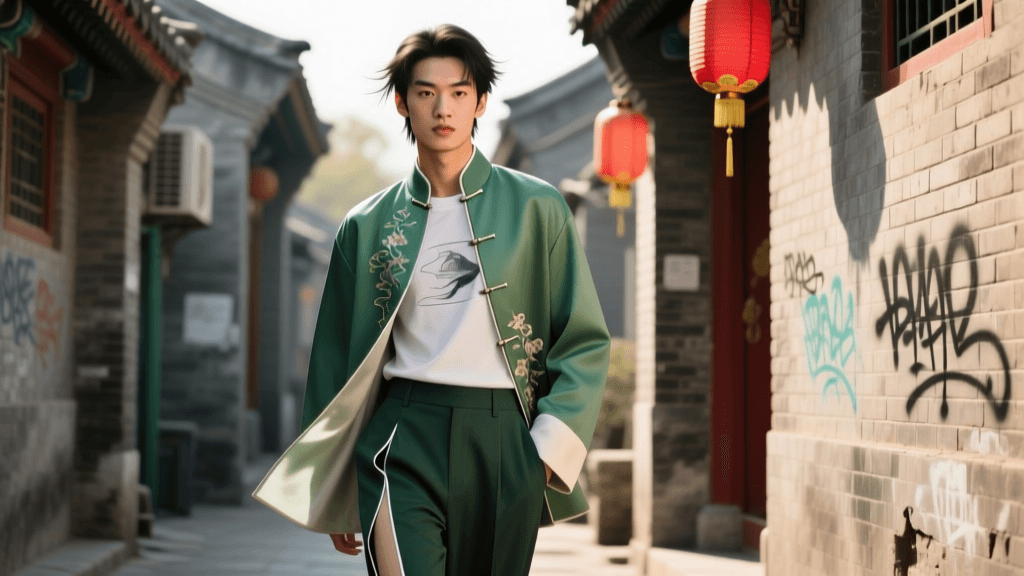
Scroll through Douyin (the Chinese counterpart to TikTok) on any given weekend, and you will inevitably encounter a mesmerizing visual phenomenon: young creatives strutting through the neon-lit streets of Chengdu or the historic alleys of Shanghai, clad in garments that seamlessly bridge centuries of history with cutting-edge streetwear. This is not a cosplay event or a historical reenactment. It is the explosive rise of Xin Zhong Shi, or New Chinese Style, a fashion movement that has taken the Asian streetwear scene by storm. Influencers are no longer treating traditional garments as fragile museum pieces; instead, they are integrating them into daily, urban wardrobes, creating a dynamic aesthetic that honors heritage while embracing modern utility.
The shift from niche hobbyist circles to mainstream street fashion has been largely driven by community-driven content on Douyin. Creators showcase how to style ancient silhouettes with chunky sneakers, oversized leather jackets, and modern graphic tees. For global enthusiasts and fashion historians alike, understanding this trend offers a masterclass in cultural evolution, sustainable styling, and the modernization of heritage textiles.
What is Xin Zhong Shi (New Chinese Style)?
Unlike traditional Hanfu, which strictly adheres to historical patterns, flat cutting, and period-accurate layering, Xin Zhong Shi is defined by its hybridity. It extracts iconic motifs, structural elements, and traditional fabrics from Chinese history and applies them to modern, three-dimensional tailoring. The result is clothing that feels distinctly Chinese but functions like contemporary global fashion. The evolution from traditional robes to modern silhouettes echoes the historical shifts seen in garments like the qipao, as detailed by Encyclopedia Britannica, where Manchu and Western tailoring influences merged to create a modern national dress. Today, Xin Zhong Shi is doing the same for the broader spectrum of Han ethnic clothing and regional textiles.
The Core Garments: Building Your Streetwear Foundation
To replicate the looks seen on top Douyin street fashion influencers, you need to understand the foundational pieces that anchor the Xin Zhong Shi wardrobe. Here is a breakdown of the essential garments and how to style them for the modern street.
The Mamianqun (Horse-Face Skirt)
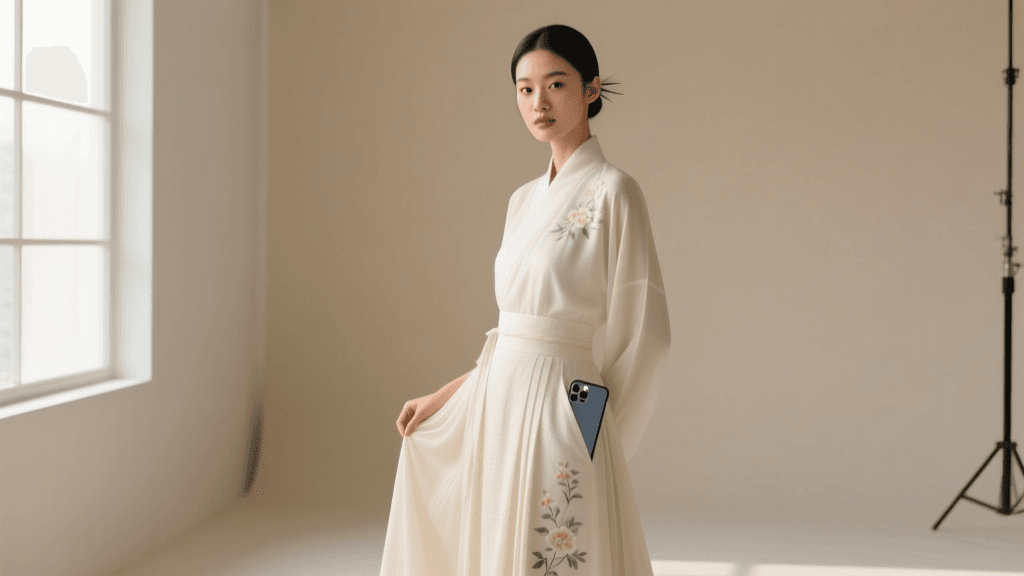
The undisputed star of the Xin Zhong Shi movement is the Mamianqun. Originally popularized during the Ming Dynasty, this wrap-around pleated skirt features flat front and back panels with intricate side pleats. Historical roots of these garments, such as the pleated skirts seen in the Ming Dynasty, are well-documented by institutions like the Metropolitan Museum of Art, highlighting their enduring structural brilliance.
Actionable Styling Advice: For streetwear, avoid floor-length, delicate silk skirts that drag on urban pavement. Instead, opt for a midi-length Mamianqun with a drop of 85cm to 95cm. Look for skirts crafted from polyester-jacquard blends (around 120gsm to 150gsm fabric weight). These materials hold the sharp knife pleats perfectly, resist wrinkling when sitting, and can withstand unexpected rain. Pair a dark, metallic-threaded Mamianqun with a simple, oversized white graphic tee and a cropped vintage leather jacket for the ultimate Chengdu streetwalker aesthetic.
Modified Qipao Tops and Song-Style Beizi
While the full-length qipao is often reserved for formal events, Douyin influencers have popularized the modified qipao top. These feature the iconic mandarin collar and Pankou (knotted frog buttons) but are cropped at the hip or waist. Similarly, the Song Dynasty Beizi—a long, open-front jacket with side slits—has been reimagined in sheer organza or heavy denim.
Actionable Styling Advice: Layer a sheer, floral-embroidered Beizi over a modern ribbed turtleneck and wide-leg cargo pants. The contrast between the ethereal, flowing traditional outerwear and the utilitarian, structured streetwear underneath creates a striking visual tension that performs exceptionally well on camera.
Proportions, Fabrics, and Actionable Styling Rules
Mastering the Douyin street fashion look requires a keen eye for proportion and fabric manipulation. Here are the golden rules followed by top influencers:
- The Rule of Contrast: Never pair a highly ornate traditional top with an equally ornate traditional skirt. If your Mamianqun features heavy gold-woven dragons or phoenixes, your top must be minimalist (e.g., a solid black turtleneck or a plain white button-down).
- Waist Definition: Traditional Hanfu often obscures the waistline. Xin Zhong Shi brings it back. Use modern corset belts over flowing traditional jackets, or tuck modern tops tightly into the high waistband (typically 6cm to 8cm wide) of the Mamianqun to create an hourglass silhouette.
- Footwear Fusion: Leave the traditional cloth shoes at home unless you are attending a specific heritage festival. The Douyin uniform demands chunky footwear. Pair flowing skirts with Nike Dunk Lows, New Balance 990s, or heavy combat boots like Dr. Martens to ground the outfit and add an urban edge.
Comparison: Traditional Hanfu vs. Xin Zhong Shi
Understanding the practical differences between strict historical dress and the modern New Chinese Style is crucial for building a functional wardrobe. Below is a comparison chart to help you decide which approach suits your lifestyle.
| Feature | Traditional Hanfu | Xin Zhong Shi (New Chinese Style) |
|---|---|---|
| Cutting Method | Flat cutting, zero waste, no darts | 3D tailoring, darts, modern seams |
| Setup Time | 15-30 minutes (complex layering, tying) | 2-5 minutes (zippers, buttons, snaps) |
| Fabric Care | Dry clean only, delicate silks | Machine washable poly-blends, durable cottons |
| Occasion | Festivals, photoshoots, tea ceremonies | Daily streetwear, office, clubbing, travel |
| Avg. Cost (USD) | $80 - $300+ per full set | $25 - $90 per mix-and-match piece |
Sourcing Guide: Keywords, Budgets, and Platforms
To build a Xin Zhong Shi wardrobe, you must look beyond standard Western fast-fashion retailers. The most authentic and affordable pieces are sourced directly from Chinese e-commerce platforms like Taobao, Tmall, and AliExpress. However, searching in English will yield poor results. You must use the correct Mandarin keywords.
- 新中式 (Xin Zhong Shi): The master keyword for New Chinese Style.
- 马面裙 (Mamianqun): Horse-face skirt.
- 改良旗袍 (Gailiang Qipao): Modified/improved qipao.
- 盘扣 (Pankou): Traditional knotted buttons (use this to find modern tops with traditional closures).
Budgeting: A high-quality, daily-wear Mamianqun from a reputable Taobao brand (such as Shisan Yu or Zhongling) will cost between 150 RMB and 350 RMB ($20 to $50 USD). For authentic silk pieces utilizing traditional weaving techniques—recognized by UNESCO's Intangible Cultural Heritage list—expect to pay upwards of 800 RMB ($110 USD). For beginners, investing in one high-quality jacquard skirt and mixing it with modern Western tops is the most cost-effective entry point.
Accessorizing the Modern Traditionalist
Accessories are where Douyin influencers truly showcase their creativity. The goal is to blend ancient craftsmanship with modern nonchalance. Jade is a staple in Chinese jewelry, symbolizing purity and moral integrity. However, instead of wearing perfectly coiffed, period-accurate hairstyles with heavy jade crowns, influencers opt for the messy, effortless claw-clip bun. A single, minimalist jade hairpin or a silver lotus stick is thrust through a chaotic, modern updo, creating a beautiful juxtaposition of effort and elegance.
Additionally, fans are making a massive comeback. But rather than delicate paper fans, streetwear enthusiasts carry folding fans made of dark wood, leather, or even carbon fiber, treating them as both a practical cooling tool and a striking photographic prop that adds kinetic energy to street-style videos.
Conclusion
The Xin Zhong Shi trend on Douyin represents a profound shift in how younger generations interact with their cultural heritage. It is no longer about rigid preservation behind glass; it is about living, breathing adaptation. By understanding the structural brilliance of garments like the Mamianqun, mastering the art of high-low fabric contrast, and utilizing the right sourcing keywords, anyone can participate in this vibrant fashion movement. As New Chinese Style continues to bleed into international couture and global streetwear, it stands as a testament to the timeless adaptability of Asian traditions, proving that true heritage is not just remembered—it is worn, lived, and constantly reinvented.