Slow Fashion 2026: Mindful Kimono Dressing For Wellness
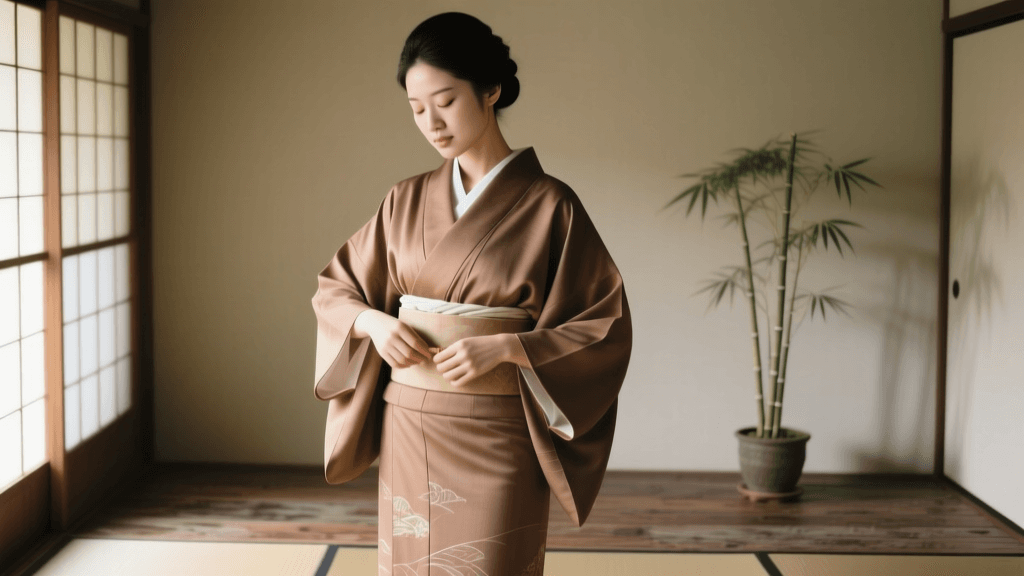
In the fast-paced digital landscape of 2026, the intersection of traditional Asian garments and modern mental health practices has given rise to a profound wellness trend: mindful kitsuke (the art of kimono dressing). Far from being merely a sartorial choice, the kimono is increasingly recognized by psychologists and slow fashion advocates as a tool for grounding, sensory regulation, and intentional living. As the global conversation shifts away from hyper-consumerism toward circularity and mental well-being, the centuries-old philosophy embedded in Japanese textile arts offers a blueprint for a more mindful wardrobe.
The Psychology of Enclothed Cognition and Traditional Garments
The psychological concept of "enclothed cognition" describes the systematic influence that clothes have on the wearer's psychological processes. When you wear a garment that holds cultural weight, structural intention, and historical continuity, your brain shifts its cognitive state. According to the American Psychological Association, engaging in deliberate, tactile routines can significantly lower cortisol levels and anchor the mind in the present moment.
Unlike modern fast fashion, which is designed for rapid consumption and effortless wear, the kimono demands participation. The structural geometry of the tanmono (the standard fabric bolt measuring precisely 36 to 38 centimeters in width and roughly 12 meters in length) requires the wearer to fold, wrap, and tie the garment to their unique body shape. This zero-waste pattern cutting, deeply rooted in Japanese history as documented by The Metropolitan Museum of Art, aligns perfectly with the 2026 slow fashion ethos, proving that sustainability and mental wellness are inherently linked.
The Meditative Practice of Kitsuke: A 15-Minute Morning Ritual
Transforming your morning dressing routine into a mindfulness practice requires intentionality. In 2026, wellness coaches specializing in somatic therapy recommend a 15-minute mindful kitsuke ritual to set a grounded tone for the day. This practice is not about achieving rigid, geisha-level perfection, but rather focusing on the tactile sensations and breathwork involved in wrapping the body.
Step-by-Step Mindful Dressing Routine
- Minute 1-3: Grounding and the Juban. Stand barefoot on a natural surface or tatami mat. Take five deep diaphragmatic breaths. Slip on the nagajuban (under-kimono). Feel the crispness of the cotton or the cool slide of silk against your skin. This base layer represents your inner boundary.
- Minute 4-8: Wrapping the Main Garment. Drape the kimono over your shoulders. Align the back seam precisely with your spine—a physical cue for postural alignment and mental uprightness. Wrap the left panel over the right. As you smooth the fabric across your hips, exhale slowly, releasing physical tension.
- Minute 9-12: The Koshihimo (Ties). Use your first koshihimo (cotton tying sash, typically 130 cm long). Wrap it around your waist and tie a firm, flat knot. The gentle, even pressure of the tie provides deep-pressure tactile stimulation, similar to a weighted blanket, which calms the nervous system.
- Minute 13-15: The Obi and Final Adjustments. Wrap a soft, casual hanhaba obi (half-width sash). Focus entirely on the texture of the weave. Secure it with a simple bunko (bow) knot. Finish by adjusting the eri (collar) to show a half-inch of the undergarment at the nape of the neck, a traditional aesthetic that requires precise, mindful observation.
Sensory Grounding Through Traditional Textiles
The wellness benefits of the kimono are deeply tied to its materials. In an era dominated by synthetic microplastics, returning to natural, breathable fibers is a core tenet of the 2026 holistic wellness movement. The tactile feedback of traditional Japanese weaves provides continuous sensory grounding throughout the day.
| Fabric / Weave | Season | Tactile Sensation | Mindfulness & Wellness Benefit |
|---|---|---|---|
| Chirimen (Silk Crepe) | Spring / Autumn | Textured, slightly bumpy, resilient | Provides continuous micro-stimulation to the skin, keeping the wearer physically present and grounded. |
| Ro (Leno Silk Weave) | Summer | Cool, breathable, semi-translucent | Encourages awareness of airflow and temperature, promoting cooling breathwork (Pranayama) during heat. |
| Tsumugi (Pongee Silk) | Autumn / Winter | Papery, matte, structured | Offers a sense of protective weight and rustic warmth, fostering feelings of safety and introspection. |
| Asa (Hemp / Ramie) | Summer | Crisp, stiff, highly absorbent | The stiffness requires deliberate movement, naturally slowing down the wearer's pace and reducing anxiety-induced rushing. |
Building a Slow Fashion Kimono Wardrobe in 2026
Participating in mindful kitsuke does not require purchasing expensive, brand-new silk garments. In fact, the truest expression of slow fashion in 2026 lies in the circular economy. The Ellen MacArthur Foundation emphasizes that extending the life of existing garments is the most impactful way to reduce fashion's carbon footprint. The vintage kimono market is vast, and because kimonos are constructed from straight-line cuts of intact tanmono bolts, they can be endlessly unpicked, cleaned, and re-tailored.
2026 Sourcing Guide and Cost Breakdown
When curating a mindful wardrobe, focus on versatility and personal resonance rather than strict formality.
- Vintage Komon (Everyday Patterned Kimono): Ideal for beginners and daily mindfulness practice. Features small, repeating patterns. 2026 Market Price: $45 – $120 USD.
- Edo Komon (Micro-Patterned Kimono): Dyed with incredibly fine stencils, appearing solid from a distance. Excellent for professional settings or deep-focus workdays. 2026 Market Price: $130 – $250 USD.
- Tsumugi (Casual Pongee Silk): Woven from pre-dyed threads, offering a rustic, earthy aesthetic. Perfect for weekend grounding rituals and nature walks. 2026 Market Price: $80 – $180 USD.
- Upcycled Hanhaba Obi: Look for sashes made from repurposed vintage textiles or sustainably woven organic cotton. 2026 Market Price: $30 – $60 USD.
"The kimono is not a costume to be worn, but an environment to be inhabited. When you wrap yourself in a vintage silk bolt, you are practicing the ultimate form of slow fashion—wearing time itself." — Contemporary Japanese Textile Conservators, 2026 Symposium on Circular Heritage.
The Ritual of Kimono Care: Mushiboshi as Grounding
Mindfulness extends beyond wearing the garment; it encompasses how we care for it. The traditional Japanese practice of Mushiboshi (airing out garments) is a biannual ritual typically performed in late autumn and early spring. In 2026, as digital fatigue reaches all-time highs, this analog ritual serves as a powerful digital detox exercise.
To perform Mushiboshi, select a dry, shaded day with humidity levels strictly below 60% to prevent mold and silk degradation. Lay out a clean cotton sheet and carefully unfold your kimono. The act of folding and unfolding the garment along its precise, geometric seams requires intense focus and spatial awareness. As you brush the silk lightly with a soft garment brush, pay attention to the sound of the fibers and the scent of the natural camphor or paulownia wood from your storage drawer. This 45-minute maintenance ritual is a profound exercise in gratitude, honoring the labor of the weavers, dyers, and previous owners who have kept the garment in circulation.
Integrating Kimono Philosophy into Daily Wellbeing
You do not need to wear a full kimono every day to reap its wellness benefits. The philosophy of the garment can be integrated into your 2026 lifestyle through haori (traditional jackets) worn over modern linen trousers, or by utilizing vintage obi as decorative, grounding elements in your meditation space. By embracing the intentional, zero-waste, and deeply tactile nature of Asian traditional garments, we can reclaim our attention, soothe our nervous systems, and dress in a way that heals both the mind and the planet.