Ahimsa Peace Silk vs Mulberry Silk for Cheongsam & Hanbok 2026
The Evolution of Silk in Asian Traditional Garments
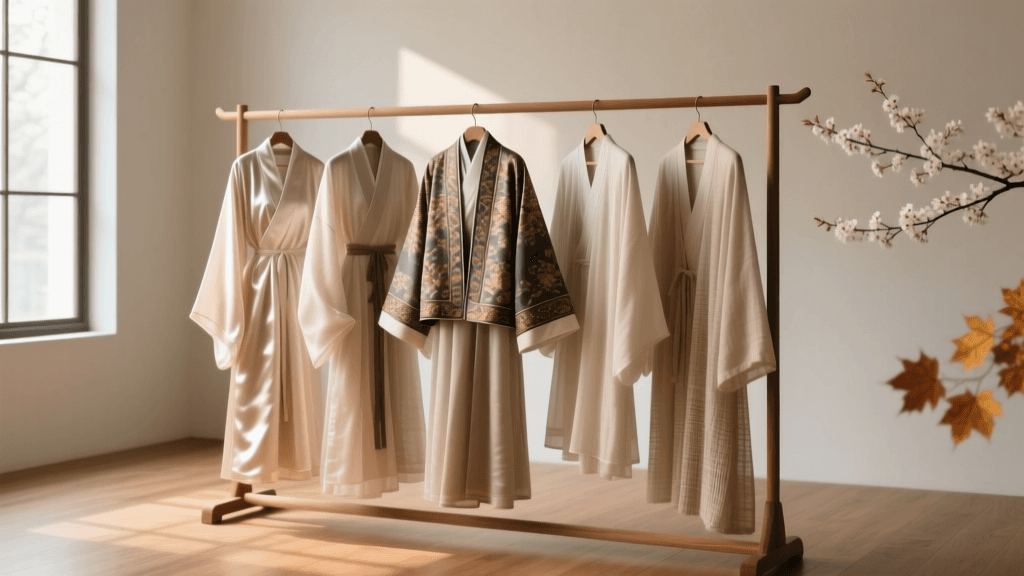
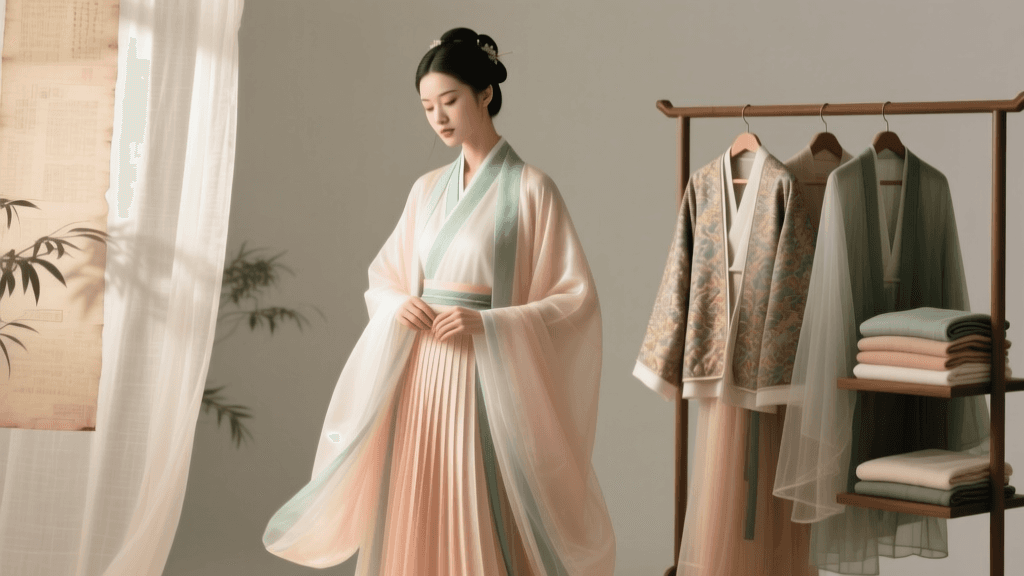
The landscape of Asian traditional garments in 2026 is undergoing a profound transformation, driven by a renewed appreciation for heritage craftsmanship and a simultaneous demand for ethical, sustainable luxury. When commissioning or purchasing high-end traditional attire—specifically the Korean Hanbok and the Chinese Cheongsam (Qipao)—the choice of textile is the single most critical decision a wearer or designer can make. Silk has been the undisputed queen of Asian textiles for millennia. According to the Metropolitan Museum of Art's Heilbrunn Timeline of Art History, the secret of sericulture was closely guarded in ancient China before eventually spreading across the globe, fundamentally shaping global trade and cultural expression. Today, however, the modern consumer is faced with a distinct choice: the heritage standard of traditional Mulberry silk versus the rapidly rising, ethically produced Ahimsa (Peace) silk. Understanding the structural, aesthetic, and ethical differences between these two protein fibers is essential for anyone looking to invest in traditional Asian garments in 2026.
Understanding Mulberry Silk: The Heritage Standard
Mulberry silk, produced by the Bombyx mori silkworm fed exclusively on mulberry leaves, remains the benchmark for luxury traditional garments. The production process involves boiling the cocoons to extract a single, continuous filament that can be unspooled and reeled into yarn. This continuous filament is what gives mulberry silk its legendary characteristics: a luminous, glass-like sheen, an incredibly smooth hand-feel, and a fluid, heavy drape. In the context of the Victoria and Albert Museum's extensive textile archives, reeled silk has historically been the preferred medium for conveying status, wealth, and refinement across East Asian courts.
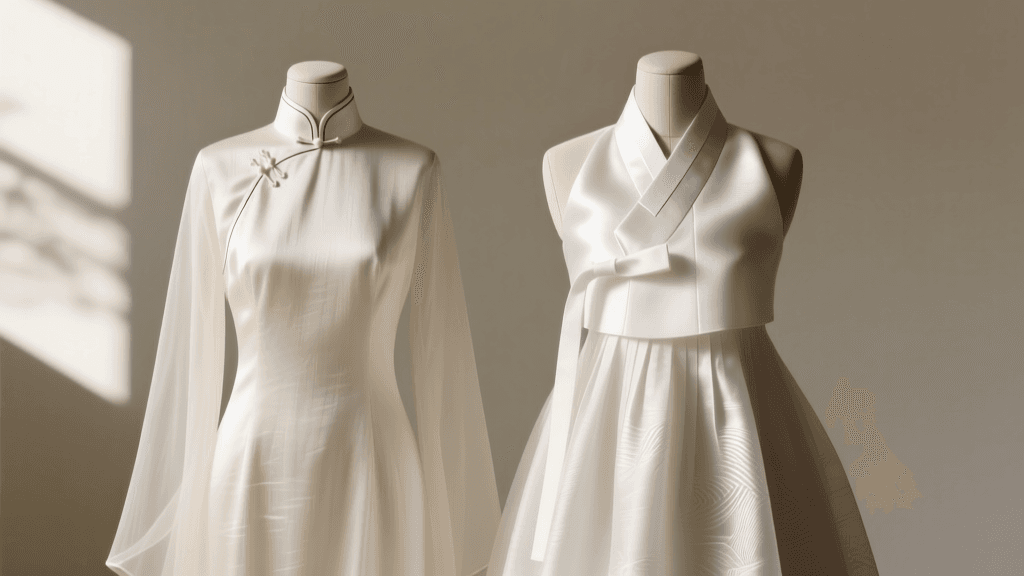
For the Korean Hanbok, mulberry silk is traditionally woven into specific textile structures such as myeongju (a plain weave silk with a subtle, natural luster) and gapsa (a lightweight, sheer silk gauze). These fabrics are essential for achieving the iconic voluminous silhouette of the chima (skirt), allowing the fabric to catch the light and flow gracefully with the wearer's movements. Similarly, in the construction of a Cheongsam, heavy mulberry silk brocades or fluid silk crepe de chine (typically ranging from 19 to 30 momme in weight) are required to achieve the garment's signature bias-cut drape, ensuring the fabric clings elegantly to the body while maintaining structural integrity around the Mandarin collar and intricate frog button closures.
The Rise of Ahimsa (Peace) Silk in 2026
As the global fashion industry faces intense scrutiny regarding animal welfare and environmental impact, Ahimsa silk—often referred to as Peace silk—has surged in popularity by 2026. Ahimsa silk is harvested only after the moth has naturally emerged from the cocoon, meaning the pupa is not killed during the extraction process. Because the emerging moth breaks the continuous silk filament, Ahimsa silk must be spun like cotton or wool rather than reeled. This results in a staple fiber yarn that possesses a distinctly different aesthetic and physical profile compared to its mulberry counterpart.
The most common varieties of Ahimsa silk used in high-end traditional garments are Eri and Tasar silks, primarily sourced from the Assam and Jharkhand regions of India, though specialized ethical sericulture farms in Zhejiang, China, have recently begun producing peace silk specifically tailored for East Asian garment construction. The spun nature of Ahimsa silk gives it a matte finish, a slightly slubbed texture, and a hand-feel that is often compared to a blend of raw linen and soft cotton. In 2026, avant-garde Hanbok designers and minimalist Qipao tailors are increasingly utilizing Ahimsa silk to create structured, architectural garments. The crispness of spun peace silk makes it exceptionally well-suited for the tailored jeogori (jacket) of a Hanbok, providing sharp, clean lines that hold their shape without the need for heavy synthetic interlinings. For the Cheongsam, Ahimsa silk offers a subdued, earthy elegance that appeals to modern consumers seeking a departure from the high-gloss formality of traditional brocades.
Comparative Analysis: Drape, Sheen, and Structure
Choosing between mulberry and Ahimsa silk requires a deep understanding of how the fabric will interact with the specific architectural requirements of the garment. Below is a comprehensive comparison of the two textiles based on 2026 market standards and textile engineering data.
| Feature | Mulberry Silk (Reeled) | Ahimsa Peace Silk (Spun) |
|---|---|---|
| Fiber Structure | Continuous filament | Broken staple fiber |
| Surface Sheen | High, luminous, reflective | Matte, subdued, earthy |
| Texture and Hand-feel | Ultra-smooth, fluid, cool | Slightly slubbed, warm, linen-like |
| Drape Quality | Heavy, flowing, bias-friendly | Crisp, structured, volumetric |
| Breathability | Moderate to High | Exceptionally High |
| 2026 Avg. Cost (per yard) | $45 - $120 USD | $65 - $160 USD |
| Ideal Garment Application | Flowing chima, bias-cut qipao | Tailored jeogori, A-line cheongsam |
When designing a Hanbok intended for a highly formal, traditional wedding ceremony, the luminous drape of 22-momme mulberry silk remains unmatched for the chima. However, for a modern, everyday Hanbok adapted for 2026 streetwear or office wear, the structural integrity and breathability of an Eri silk jeogori provide superior comfort and a contemporary aesthetic. Similarly, a Cheongsam designed with a flared, A-line skirt will benefit from the volumetric stiffness of Ahimsa silk, whereas a form-fitting, floor-length evening Qipao demands the liquid drape of heavy mulberry crepe.
Sourcing, Sustainability, and 2026 Pricing
The economics of silk have shifted dramatically in 2026. Climate fluctuations and changing agricultural priorities in traditional sericulture hubs have caused the price of premium, 6A-grade mulberry silk to rise steadily. Conversely, the premium placed on ethical labor and sustainable land management has kept Ahimsa silk at a higher price point per yard, despite the lower technological overhead of the spinning process. Consumers must be vigilant when sourcing these textiles. The term 'Peace Silk' is occasionally misused in the fast-fashion sector to describe lower-grade, conventionally harvested raw silks.
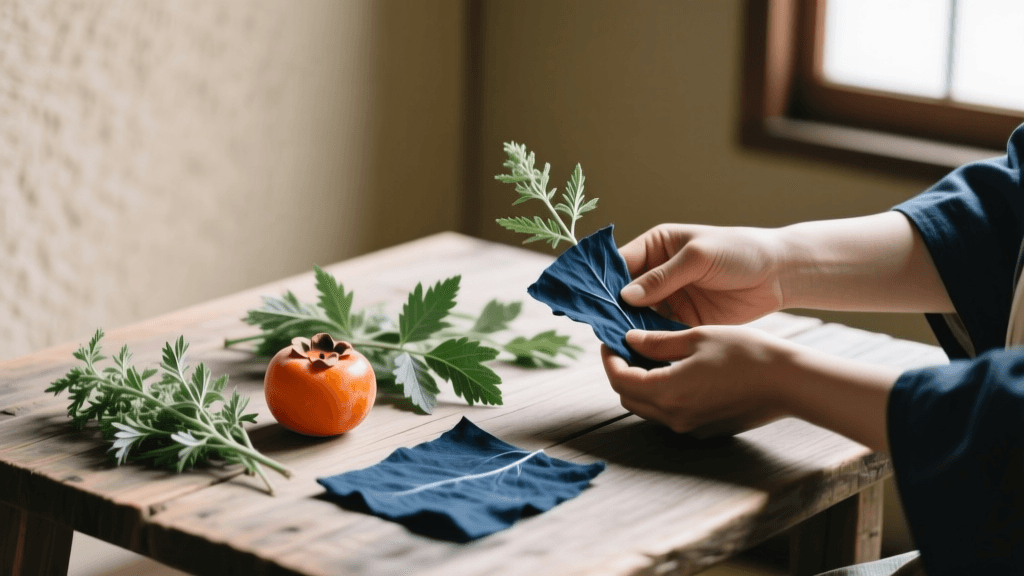
To ensure authenticity and ethical compliance, buyers and bespoke tailors in 2026 are increasingly relying on third-party certifications. The Global Organic Textile Standard (GOTS) has become a crucial benchmark for verifying that both the agricultural practices of the mulberry or castor plantations and the subsequent processing of the silk fibers meet strict ecological and social criteria. Sourcing GOTS-certified Ahimsa silk guarantees that the moths were allowed to complete their life cycle and that no toxic heavy metals were used in the dyeing process—a vital consideration for garments worn directly against the skin.
Care and Maintenance for Protein Fibers
Both mulberry and Ahimsa silks are protein-based fibers, meaning they share similar vulnerabilities to alkaline substances, high heat, and enzymatic degradation. However, their structural differences necessitate slightly different care routines. Mulberry silk, with its continuous filaments, is highly susceptible to water spotting and friction-induced pilling (often referred to as 'fuzzing'). In 2026, the recommended care for high-end mulberry Cheongsams and Hanboks involves professional dry cleaning using liquid silicone or specialized wet-cleaning technologies that preserve the fabric's natural sericin coating.
Ahimsa silk, being a spun staple fiber, is remarkably more resilient to water and friction. Its matte texture naturally hides water spots, and its linen-like weave can withstand gentle hand-washing. For both textiles, the use of a pH-neutral, silk-specific detergent is non-negotiable. Furthermore, modern smart washing machines introduced in 2026 often feature specialized 'Protein Fiber' or 'Silk Care' cycles that utilize micro-vibration technology rather than aggressive drum tumbling, allowing for safer at-home maintenance of everyday Ahimsa silk garments. Regardless of the silk type, storage should always involve breathable cotton garment bags, avoiding plastic which can trap moisture and lead to the yellowing of the protein fibers over time.
Conclusion: Making the Right Textile Choice
The choice between Ahimsa peace silk and traditional mulberry silk in 2026 is no longer just a matter of ethical preference; it is a nuanced design decision that dictates the silhouette, movement, and ultimate purpose of the garment. Mulberry silk continues to reign supreme for applications requiring liquid drape, high luminosity, and formal grandeur, making it the undisputed choice for traditional bridal wear and evening Cheongsams. Meanwhile, Ahimsa silk has carved out a vital niche in the modern wardrobe, offering a sustainable, breathable, and structurally robust alternative that perfectly complements the tailored, architectural lines of contemporary Hanbok jackets and minimalist, everyday Qipaos. By understanding the unique properties of these extraordinary textiles, wearers and designers can ensure that their traditional garments are not only culturally resonant but also perfectly suited to the demands of modern, conscious luxury.