Hanfu Storage & Seasonal Maintenance Rotation Guide 2026
The Evolution of Hanfu Wardrobe Management in 2026
As the Xin Zhongshi (new Chinese style) movement continues to redefine everyday fashion in 2026, Hanfu has transitioned from occasional ceremonial wear to a staple of the modern wardrobe. With enthusiasts now owning dozens of pieces ranging from lightweight summer ramie to heavy winter brocade, proper storage and seasonal rotation have become critical. Unlike fast fashion, traditional Chinese garments are often constructed from delicate natural fibers and feature intricate weaving techniques that require museum-grade care at home. Neglecting seasonal maintenance can lead to permanent creasing, fiber degradation, and the loss of metallic thread luster.
This comprehensive 2026 guide provides actionable, fabric-specific strategies for rotating, cleaning, and storing your Hanfu collection. Whether you are preserving a delicate Ming dynasty-style Mamianqun (horse-face skirt) or maintaining a luxurious Xiangyunsha (gambiered silk) robe, these protocols will ensure your garments remain pristine for decades.
Fabric-Specific Storage Requirements
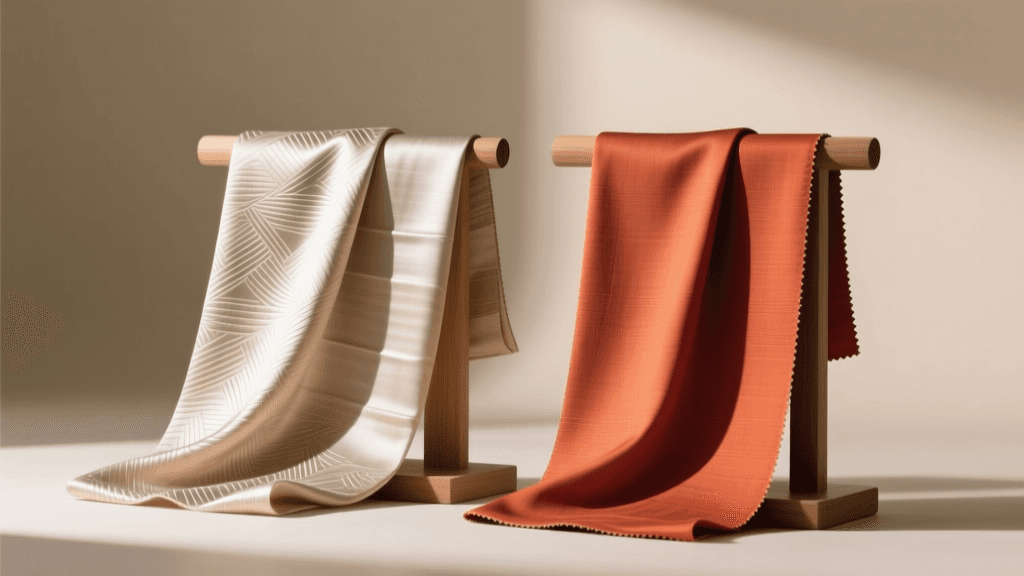
Different traditional textiles react uniquely to environmental stressors. Protein-based fibers like silk are highly susceptible to humidity fluctuations and pests, while plant-based fibers like ramie and linen are more resilient but prone to hard creasing. According to the Victoria and Albert Museum's textile conservation guidelines, maintaining a stable microclimate is the single most important factor in preserving historical and traditional textiles.
| Fabric Type | Ideal Humidity (RH) | Storage Method | Key 2026 Maintenance Tip |
|---|---|---|---|
| Mulberry Silk (Sangcan Si) | 45% - 55% | Acid-Free Tissue & Archival Box | Pad all folds with unbuffered tissue to prevent fiber snapping. |
| Xiangyunsha (Gambiered Silk) | 50% - 60% | Breathable Cotton Bag | Never store in plastic; the mud-silk coating requires air circulation. |
| Song Brocade (Song Jin) | 45% - 50% | Flat Archival Box | Avoid hanging; the heavy metallic threads will warp the warp/weft. |
| Ramie/Linen (Xia Bu) | 40% - 60% | Cotton Storage Bag | Roll instead of fold to prevent permanent break lines in stiff weaves. |
The Seasonal Rotation Calendar
Transitioning your wardrobe between the humid summers and dry winters requires a strategic approach. In 2026, smart home integrations allow enthusiasts to monitor closet environments via Bluetooth hygrometers, but the physical rotation of garments remains a hands-on process.
Spring to Summer Transition (March - April)
- Airing Out: Before packing away heavy winter brocades and lined Ao (jackets), air them out in a shaded, well-ventilated room for 24 hours. Never expose silk to direct sunlight, as UV rays rapidly degrade protein fibers and cause irreversible yellowing.
- Inspection: Check the armpits, collars, and waistbands of winter garments for invisible perspiration stains. Body oils left on silk will oxidize and turn brown over the summer months.
- Pest Prevention: Place natural camphor wood blocks or cedar rings in the storage boxes of winter wools and heavy silks. Avoid chemical mothballs, which can react with the metallic threads in Zhuang brocade.
Autumn to Winter Transition (September - October)
- Humidity Buffering: As indoor heating begins to dry out the air in late autumn, introduce humidification buffers recommended by conservation institutes to your closet space to keep relative humidity above 40%.
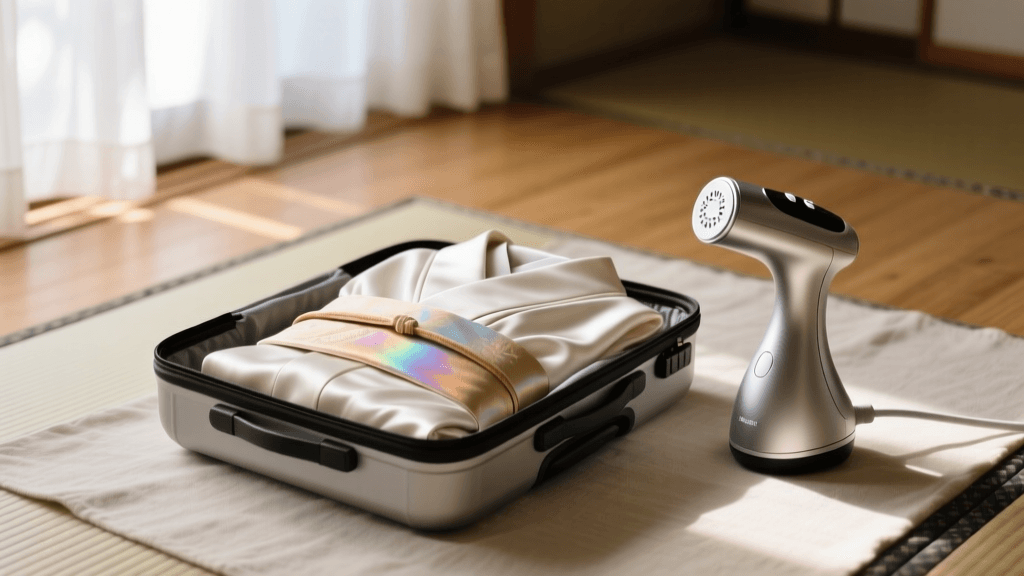
- Re-shaping Pleats: Summer Mamianqun skirts may have lost some pleat crispness due to humidity and washing. Use a handheld garment steamer on a low, continuous setting to gently coax the pleats back into alignment before storing or wearing them for autumn festivals.
Step-by-Step Pre-Storage Cleaning Protocol
Storing unwashed Hanfu is the most common mistake collectors make. Even if a garment was only worn for an hour, microscopic skin cells and environmental pollutants will attract pests and cause fiber rot.
- Spot Testing: Always test a hidden seam allowance with your chosen cleaning agent. For Xiangyunsha, use only pure water or a specialized pH-neutral silk wash (pH 6.5-7.0). Alkaline detergents will strip the tannin-rich gambiered coating.
- Hand Washing vs. Dry Cleaning: Most modern Hanfu made of standard mulberry silk or cotton-linen blends can be gently hand-washed in cool water (below 30°C). However, garments featuring intricate Suzhou embroidery, gold-leaf stamping, or structured interlinings must be taken to a dry cleaner experienced in handling traditional Asian textiles.
- Drying: Never wring or twist silk. Roll the garment in a clean, dry microfiber towel to absorb excess moisture, then lay it flat on a mesh drying rack away from direct heat sources.
Folding vs. Hanging: Structural Preservation
The structural integrity of Hanfu relies heavily on how it is supported in the closet. The wrong hanger can distort the shoulders of a Daxiushan (large-sleeve robe), while improper folding will destroy the knife pleats of a Mamianqun.
Hanging Protocols
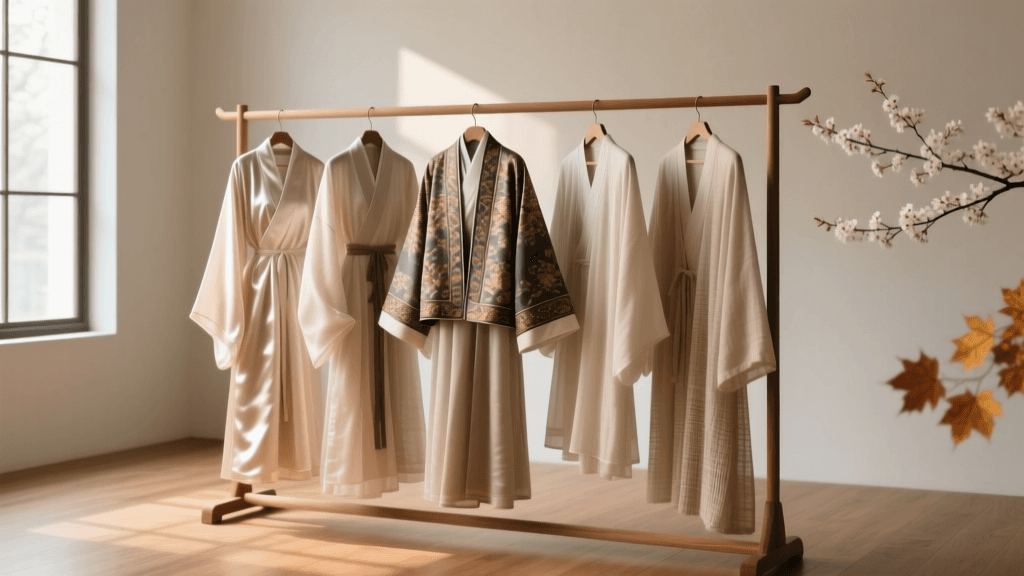
Lightweight Ruqun tops, Banbi (half-sleeve jackets), and Xiangyunsha robes are best stored on hangers. In 2026, the standard is a wide, contoured wooden hanger wrapped in washed, unbleached cotton muslin. The muslin provides friction to prevent slippery silk from sliding off, while the cotton acts as a barrier against wood acids. Never use wire or thin plastic hangers, as they will create permanent stress points on the shoulder seams.
The Mamianqun Folding Technique
Horse-face skirts present a unique storage challenge. Hanging them for long periods can stretch the waistband and cause the heavy pleats to pull apart at the top. The recommended archival method is flat storage with tissue buffering.
- Lay the skirt completely flat on a clean surface.
- Align the flat front and back panels perfectly.
- Cut strips of acid-free, unbuffered tissue paper and gently insert them into the base of each pleat to prevent the sharp folds from crushing the silk fibers.
- Fold the skirt in thirds, placing additional tissue paper between the layers.
- Store in a shallow, acid-free archival box. Do not stack heavy items on top of the box.
Advanced Climate Control & Pest Deterrence
Modern wardrobe technology has made it easier than ever to replicate museum storage conditions at home. For serious collectors in 2026, investing in a dedicated dehumidifier cabinet is highly recommended, especially in coastal or tropical Asian climates where summer humidity regularly exceeds 80%.
For those using standard closets, silica gel desiccant cassettes and Boveda two-way humidity control packs (specifically the 62% or 69% formulations used for textiles and natural materials) are excellent tools for maintaining a stable microclimate inside sealed plastic storage bins. Remember that plastic bins should only be used if the humidity inside is strictly controlled; otherwise, they can trap moisture and promote mold growth on organic dyes.
Natural Pest Repellents
Silverfish and carpet beetles are notorious for eating protein fibers and the starches used in traditional garment sizing. Instead of harsh chemical pesticides, utilize natural alternatives:
- Dried Neem Leaves: Place small muslin sachets of dried neem leaves in the corners of your storage boxes. Neem is a traditional Asian botanical that naturally repels insects without off-gassing harmful chemicals.
- Clove and Star Anise Sachets: These aromatic spices deter pests and impart a very faint, pleasant scent that aligns with the traditional aesthetic of the garments. Ensure the spices do not directly touch the fabric to avoid oil stains.
Conclusion
Preserving a Hanfu collection in 2026 requires a blend of ancient textile wisdom and modern conservation science. By understanding the unique needs of fabrics like Xiangyunsha and Song Brocade, implementing a strict seasonal rotation calendar, and utilizing archival-grade storage materials, you protect not just the financial value of your garments, but the cultural heritage they represent. Treat your Hanfu with the respect of a museum curator, and these magnificent pieces will remain vibrant and structurally sound for generations to come.