2026 Hanfu Storage Rotation & Seasonal Silk Care Guide
Introduction to 2026 Hanfu Wardrobe Management
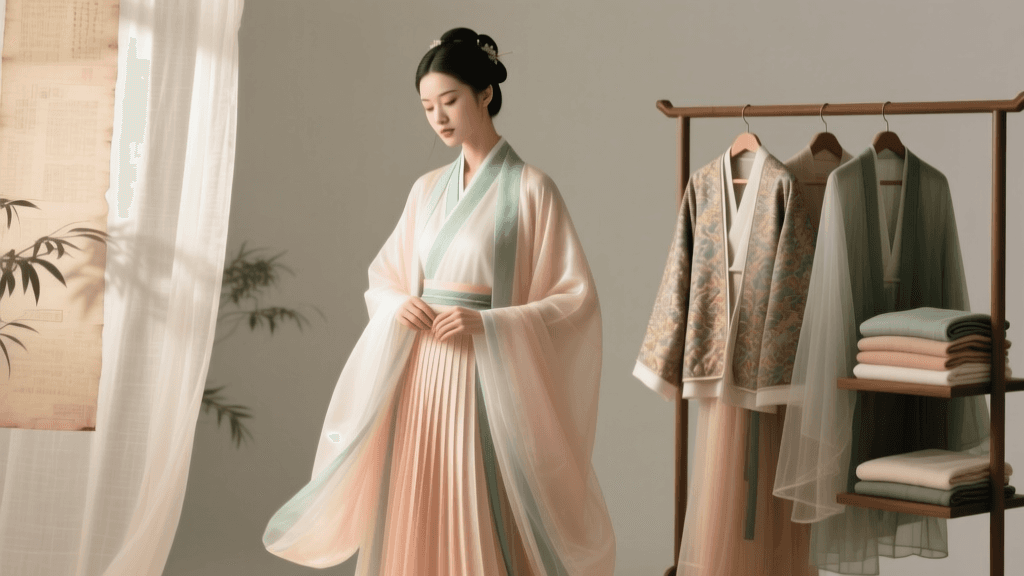
As the global appreciation for traditional Chinese clothing accelerates in 2026, the modern Hanfu enthusiast faces a timeless challenge: preserving delicate historical textiles through changing seasons. Whether you are rotating out heavy winter brocades or preparing lightweight summer silks, proper storage is the difference between a garment that lasts a single season and an heirloom that survives for generations. The intersection of traditional Chinese textile craftsmanship and modern 2026 preservation technology offers unprecedented ways to protect your wardrobe. This comprehensive guide details the exact protocols for cleaning, folding, and climate-controlling your Hanfu collection, ensuring your Mamianqun (horse-face skirts), Beizi (jackets), and Ruqun remain pristine.
The Material Science of Traditional Hanfu Textiles
Before implementing any storage protocol, it is crucial to understand the distinct material properties of Hanfu fabrics. According to textile conservation guidelines, protein-based fibers and cellulose-based fibers require vastly different environmental conditions to prevent degradation.
Silk (Chou, Duan, and Luo)
Silk is a protein fiber that is highly susceptible to alkaline substances, prolonged UV exposure, and high humidity. In 2026, the most prized silk variants like Xiangyunsha (gambiered Canton gauze) feature a unique river-mud and plant-dye coating that can crack if folded improperly or exposed to extreme dryness. Silk requires a stable relative humidity (RH) of around 50% to maintain its structural integrity and natural luster.
Ramie and Linen (Ma)
Cellulose fibers like ramie, historically used for summer Hanfu due to their breathability, are more resilient to washing but prone to severe creasing and mold if stored damp. Ramie thrives in slightly drier conditions than silk and benefits from being rolled rather than sharply folded to prevent permanent fiber breakage along the crease lines.
Brocade and Woven Gold (Zhuanghua and Yunjin)
Heavy winter garments often feature intricate brocades woven with metallic threads. The Metropolitan Museum of Art's Textile Conservation Department notes that metallic threads in historical textiles are highly vulnerable to tarnishing when exposed to sulfur compounds and fluctuating humidity. These heavy garments must never be hung, as the weight of the brocade will distort the warp and weft over time.
The Pre-Storage Cleaning Ritual
Never store a worn Hanfu garment, even if it appears clean. Human perspiration, skin oils, and microscopic environmental pollutants act as a magnet for pests and accelerate fiber oxidation. The 2026 standard for Hanfu cleaning emphasizes pH-neutral, enzymatic-free solutions.
- Silk and Xiangyunsha: Hand wash in cold water (below 30°C) using a specialized silk detergent with a pH of 7.0. Never wring or twist the fabric. Instead, press the water out by rolling the garment in a clean, dry, colorfast cotton towel.
- Ramie and Cotton: These can withstand gentle machine washing on a delicate cycle, but traditionalists prefer hand washing to preserve the natural stiffness of the Ma fabric.
- Brocade and Lined Garments: Dry cleaning remains the safest option for heavily structured winter pieces, but ensure your cleaner uses a modern 2026 liquid silicone or hydrocarbon-based solvent rather than harsh traditional perc (perchloroethylene), which can degrade natural dyes.
Mamianqun Pleat Preservation Technique
The Mamianqun, or horse-face skirt, is the crown jewel of the modern Hanfu wardrobe. Its sharp, knife-pleated side panels require meticulous care during seasonal rotation to prevent the pleats from blowing out or losing their geometric precision.
The Basting Method (Shu Xian)
Before placing your Mamianqun into long-term storage, use a traditional basting technique. Thread a needle with smooth, uncolored silk thread and loosely baste the pleats together about two inches below the waistband. This holds the pleats perfectly aligned without putting tension on the fabric. When you rotate the skirt back into your active wardrobe, simply snip the basting thread and pull it out.
Hanging vs. Archival Folding
While it is tempting to hang Mamianqun on skirt hangers, the gravity stress on the waistband and the weight of the fabric can stretch the pleats over several months. The Getty Conservation Institute recommends flat storage for heavy, pleated textiles. If you must hang them, use padded, wide-clamp hangers and limit the storage duration to a single season. For long-term winter-to-summer rotation, fold the skirt along its natural pleat lines, interleaving each fold with acid-free, unbuffered tissue paper to prevent sharp creases and dye transfer.
Environmental Controls: Smart Storage in 2026
The modern Hanfu collector in 2026 benefits from advanced smart-home integration for wardrobe preservation. Maintaining a consistent microclimate inside your storage space is non-negotiable for silk and brocade.
- Smart Hygrometers: Place Bluetooth-enabled hygrometers inside your archival storage boxes or cedar wardrobes. These 2026 devices send real-time alerts to your smartphone if the RH drops below 45% or spikes above 55%, allowing you to intervene before mold or desiccation occurs.
- Automated Desiccant Cassettes: Instead of loose silica gel packets that can leak or become saturated unnoticed, use rechargeable electric desiccant cassettes. These units absorb moisture and can be plugged into a wall outlet to bake out the accumulated water, making them infinitely reusable and highly reliable for year-round textile storage.
- Cedar and Camphor Alternatives: While traditional camphor wood repels moths, its strong oils can stain delicate silks and leave a persistent odor. Opt for kiln-dried aromatic cedar blocks wrapped in breathable cotton muslin bags. Sand the wood lightly every six months to refresh the natural pest-repelling oils.
Comprehensive Hanfu Storage Reference Table
| Garment Type | Primary Fabric | Ideal Storage Method | Target Humidity (RH) | Cleaning Protocol |
|---|---|---|---|---|
| Mamianqun (Pleated Skirt) | Silk Blend / Polyester | Flat fold with tissue; basted pleats | 45% - 50% | Gentle hand wash, line dry in shade |
| Beizi (Long Jacket) | Silk Gauze (Luo) | Padded hanger or rolled on tube | 50% - 55% | Specialized pH-neutral silk wash |
| Aoqun (Winter Jacket/Skirt) | Brocade / Woven Gold | Flat archival box, never hang | 45% - 50% | Professional hydrocarbon dry clean |
| Ruqun (Summer Blouse) | Ramie / Linen | Folded in breathable cotton bags | 40% - 45% | Hand wash, iron while slightly damp |
| Xiangyunsha Pieces | Gambiered Silk | Rolled on acid-free cardboard tubes | 50% - 55% | Water rinse only, no detergents |
Common Storage Mistakes to Avoid
Even seasoned collectors make errors when transitioning their wardrobes between seasons. Avoid these critical pitfalls to ensure your garments survive the off-season:
- Using Plastic Dry-Cleaning Bags: Never leave Hanfu in the thin plastic bags provided by dry cleaners. These trap residual chemical fumes and moisture, creating a greenhouse effect that leads to yellowing and mildew. Always transfer garments to breathable cotton canvas garment bags or archival cardboard boxes.
- Wire Hangers: Wire hangers will permanently distort the shoulders of your Ao (jackets) and Beizi. Invest in wide, contoured wooden hangers wrapped in acid-free cotton for any pieces that must be hung.
- Direct Sunlight and Heat: Do not store your Hanfu wardrobe in an attic, a sunroom, or against an exterior wall that receives direct afternoon sun. UV radiation will fade natural plant dyes (like indigo and madder) in a matter of weeks, and heat fluctuations will degrade silk proteins.
Conclusion
Proper Hanfu storage and seasonal rotation is an act of cultural preservation. By understanding the unique needs of silk, ramie, and brocade, and by leveraging 2026's smart climate-control technology, you can protect your investments and honor the artisans who wove them. Treat your seasonal wardrobe rotation not as a chore, but as a mindful ritual that connects you to centuries of Asian textile heritage. With the right cleaning protocols, Mamianqun pleat preservation techniques, and environmental controls, your Hanfu collection will remain vibrant, structurally sound, and ready to be worn with pride for decades to come.