Mindful Kitsuke: Kimono Dressing For Wellness In 2026
The Intersection of Kitsuke and Somatic Mindfulness
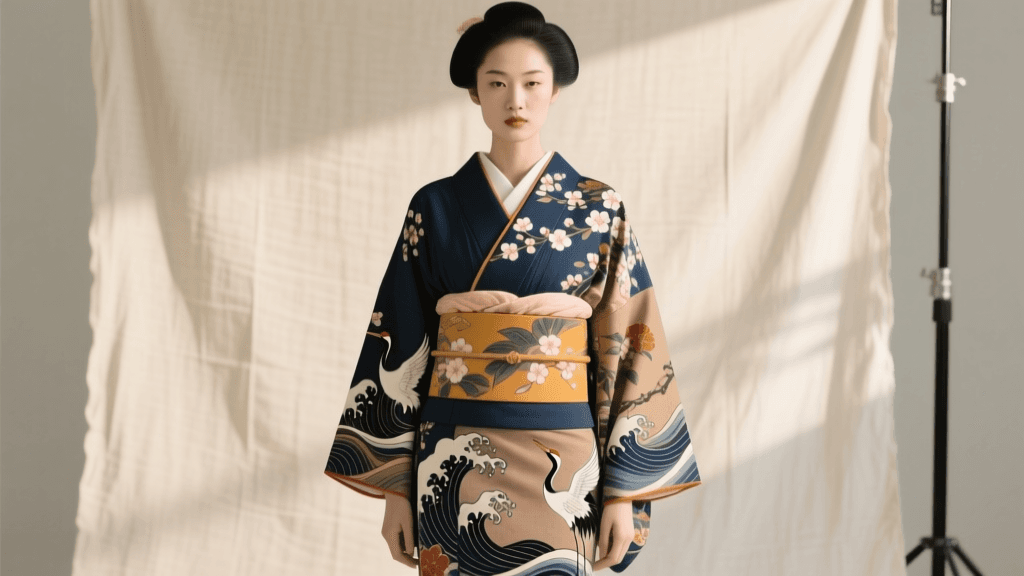
In an era defined by digital saturation and hyper-speed living, the global wellness landscape of 2026 has pivoted sharply toward somatic practices—therapies that emphasize the profound connection between the physical body and mental health. Amidst this shift, an ancient Japanese tradition is experiencing a profound renaissance, not merely as a sartorial choice, but as a deeply grounding psychological exercise. This practice is kitsuke, the traditional art of wearing the kimono.
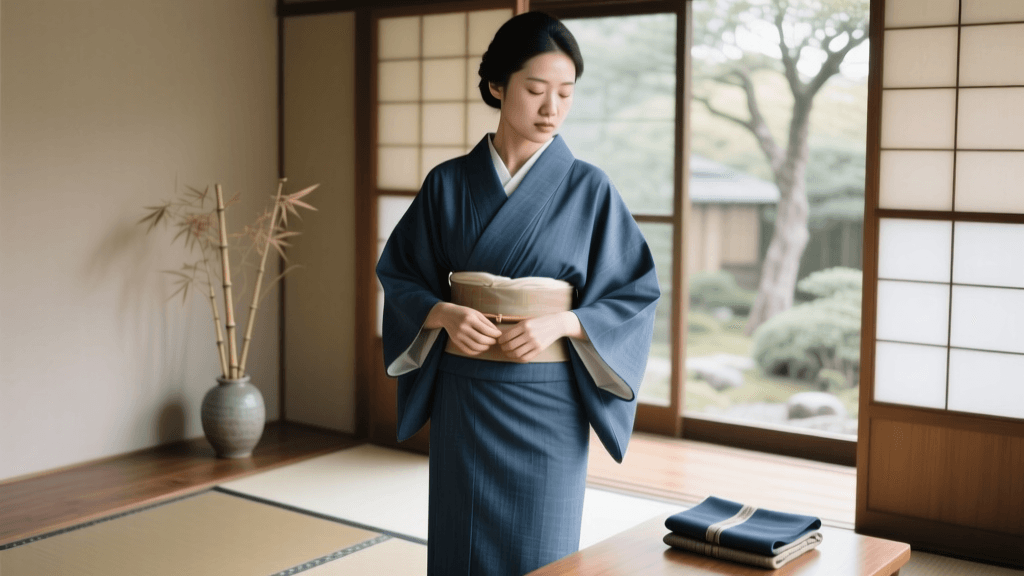
Far removed from the hurried act of throwing on modern fast fashion, kitsuke is a deliberate, multi-layered ritual. It requires patience, spatial awareness, and a deep attunement to one's own breathing and posture. For modern practitioners in 2026, the process of wrapping, folding, and tying the kimono has evolved into a form of moving meditation. The tactile sensation of silk, the rhythmic pulling of the datejime (under-sash), and the precise alignment of the seams demand a level of present-moment awareness that mirrors clinical mindfulness techniques.
According to foundational research on mindfulness practices, engaging in activities that require focused, non-judgmental attention to physical sensations can significantly lower cortisol levels and reduce anxiety. Kitsuke naturally enforces this state. You cannot rush the tying of an obi (sash) without compromising the structural integrity of the garment; thus, the clothing itself becomes a physical boundary against the rush of modern life, forcing the wearer into a state of deliberate, calming slowness.
Enclothed Cognition: How the Kimono Shapes the Mind
The psychological phenomenon known as 'enclothed cognition' describes the systematic influence that clothes have on the wearer's psychological processes. In 2026, psychologists and wellness coaches are increasingly recognizing that what we wear—and more importantly, how we put it on—alters our cognitive state. The kimono, with its restrictive yet elegant silhouette, physically alters the wearer's biomechanics.
When properly dressed in a kimono, the wearer's spine is naturally elongated, the shoulders are drawn back and down, and the core is gently engaged to support the weight of the obi. This posture is biomechanically linked to improved respiratory function and a physiological feedback loop that signals confidence and calm to the brain. The physical restriction of the garment also encourages smaller, more deliberate movements. Walking becomes a gliding motion; reaching becomes a calculated gesture. This physical deceleration directly translates to mental deceleration, providing a sanctuary of calm in a chaotic world.
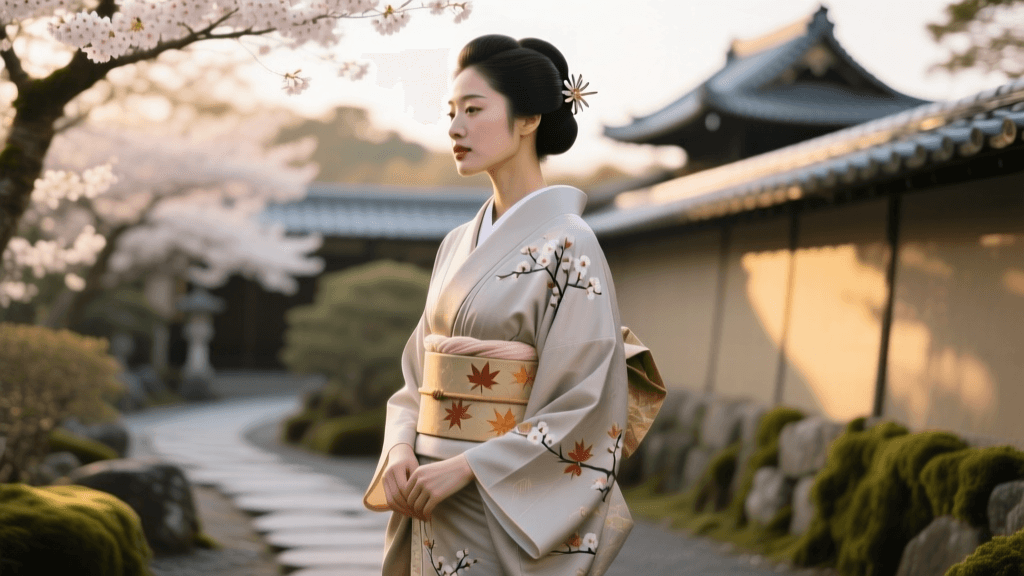
Furthermore, the aesthetic philosophy of the kimono—rooted in wabi-sabi (the acceptance of transience and imperfection) and seasonal awareness—encourages a mindset of gratitude and observation. Selecting a kimono with a subtle autumnal motif in October, or a flowing, breathable ro (gauze) silk in the heat of August, forces the wearer to sync their personal rhythm with the natural world, a core tenet of eco-psychology and holistic wellbeing.
Slow Fashion as an Antidote to Digital Burnout
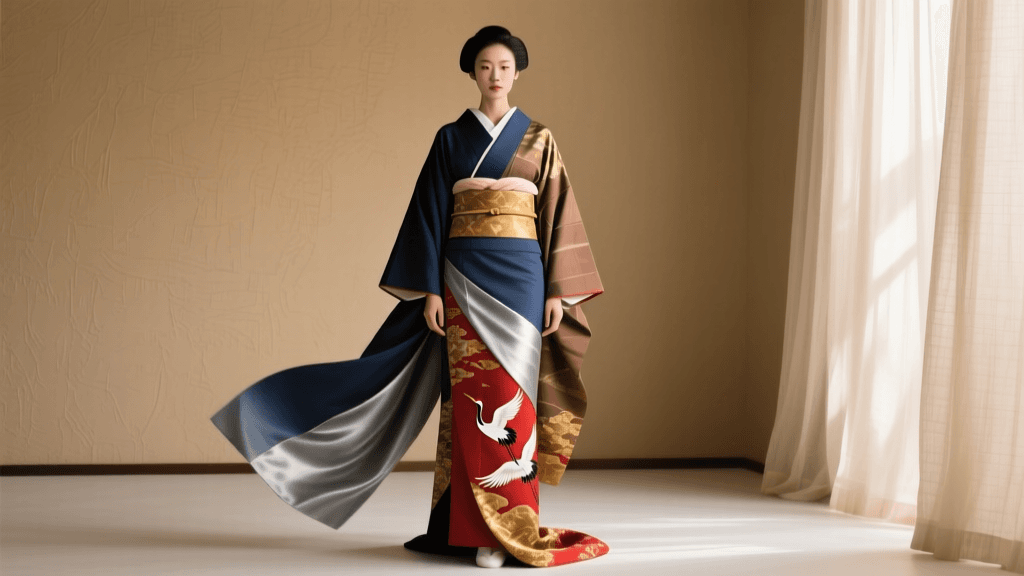
The year 2026 has seen a massive consumer backlash against AI-generated, ultra-fast fashion micro-trends. As digital burnout peaks, individuals are seeking tangible, multi-generational connections to physical objects. The kimono stands as the ultimate antithesis to disposable clothing. A well-cared-for silk kimono is not a seasonal purchase; it is an heirloom designed to outlive its original wearer, often being passed down, resized, and repurposed across centuries.
Embracing kitsuke is an active participation in the slow fashion movement. It requires learning the history of the textile, understanding the natural dyes used, and appreciating the countless hours of artisanal labor woven into the fabric. As highlighted by Fashion Revolution, shifting our relationship with clothing from one of mindless consumption to one of deep appreciation is vital for both environmental sustainability and personal fulfillment. When you wear a vintage kimono, you are quite literally wrapping yourself in history, engaging in a sustainable practice that honors human craftsmanship over automated mass production.
The Victoria and Albert Museum's extensive kimono archives demonstrate how these garments have historically been deconstructed, re-dyed, and remade to suit new generations without ever losing their intrinsic value. In 2026, modern upcycling collectives in Tokyo and Kyoto are reviving these historical methods, teaching workshops on how to transform damaged vintage kimono into everyday wearable art, further cementing the garment's role in a circular, mindful economy.
A Step-by-Step Mindful Kitsuke Routine
To transform your daily dressing routine into a somatic wellness practice, approach kitsuke not as a chore, but as a dedicated 30-minute meditation. Here is a structured routine for 2026 practitioners:
1. Grounding with the Juban (Undergarment)
Begin by standing barefoot on a natural surface, like a tatami mat or a woven rug. Hold the nagajuban (under-kimono) and take three deep, diaphragmatic breaths. As you slip your arms into the sleeves, focus on the sensation of the fabric against your skin. Align the center seam perfectly with your spine. This act of centering the garment is a physical metaphor for centering your mind.
2. The Breathwork of the Datejime (Tie)
Wrapping the front panels of the kimono requires adjusting the hemline to your exact height. Once the length is set, you must secure it with the koshihimo (waist tie) and the datejime. Use the 4-7-8 breathing technique here: inhale for 4 seconds as you pull the tie taut, hold for 7 seconds to ensure the fabric is smooth and flat against your ribs, and exhale slowly for 8 seconds as you tie the knot. This ensures the garment is secure without restricting your breath, marrying physical comfort with mental focus.
3. The Focus of the Obi (Sash)
The obi is the structural and visual anchor of the kimono. Tying a traditional bunko (bow) or otaiko (drum) knot requires intense spatial reasoning and fine motor skills. Do not look in the mirror while tying the knot at your back; instead, rely on proprioception—your body's ability to sense its location and movements in space. Trusting your hands to create the folds without visual confirmation builds deep neural pathways associated with self-trust and bodily autonomy.
4. The Final Alignment and Reflection
Once fully dressed, step back and observe the silhouette. Check the eri (collar) to ensure it forms a perfect, gentle V-shape at the nape of the neck, revealing exactly a fist-width of skin. This final check is an exercise in self-compassion and aesthetic appreciation. Acknowledge the time you have invested in yourself.
Comparing Fast Fashion Dressing vs. Mindful Kitsuke
To understand the profound impact of this practice, it is helpful to contrast the modern morning routine with the traditional kitsuke experience. The following table outlines the cognitive and physical differences between these two approaches to dressing in 2026.
| Metric | Modern Fast Fashion Routine | Mindful Kitsuke Practice |
|---|---|---|
| Time Investment | 3 to 5 minutes; often rushed or multitasked. | 20 to 40 minutes; dedicated, single-task focus. |
| Cognitive State | Distracted; planning the day, checking devices. | Flow state; focused on tactile feedback and geometry. |
| Posture & Biomechanics | Slouched; reaching, bending, uncoordinated movements. | Elongated spine; engaged core, deliberate, gliding motions. |
| Material Connection | Disconnected; synthetic blends, mass-produced origins. | Deeply connected; natural silk, artisanal history, seasonal motifs. |
| Psychological Outcome | Utilitarian readiness; baseline stress maintained. | Grounded presence; lowered heart rate, enhanced self-efficacy. |
Sourcing Mindfully: Ethical Kimono Practices in 2026
Engaging in kitsuke as a wellness practice must be paired with ethical sourcing. The 2026 landscape offers incredible opportunities for sustainable engagement with traditional Japanese garments. Rather than purchasing newly manufactured, mass-market 'costume' kimonos online, wellness-focused practitioners are turning to curated vintage markets and artisanal rental cooperatives.
Cities like Kyoto and Kanazawa have seen a surge in 'Kimono Wellness Retreats,' where participants spend weekends learning the art of kitsuke, natural indigo dyeing, and silk weaving from master artisans. These retreats emphasize the therapeutic nature of the craft. For those outside of Japan, global online platforms specializing in authenticated, upcycled vintage kimono have made it easier than ever to source authentic, high-quality silk garments that support the circular economy. By choosing vintage, you are rescuing a piece of art from a landfill and giving it a new chapter in your own somatic journey.
Conclusion: Wrapping Yourself in Intention
The kimono is far more than a beautiful relic of Japan's past; in 2026, it is a vital tool for modern wellbeing. The art of kitsuke offers a rare, tangible sanctuary from the digital noise of the 21st century. By slowing down, engaging our senses, and honoring the intricate craftsmanship of slow fashion, we can transform the simple act of getting dressed into a profound daily ritual of self-care.
Whether you are tying an obi before a morning meditation session or simply taking twenty minutes to appreciate the weave of a vintage silk haori (jacket), mindful kitsuke invites you to wrap yourself in intention. It is a reminder that true wellness is not just about what we consume, but how we physically and mentally inhabit the spaces, and the garments, that define our daily lives.