Decoding Kimono Fashion in Ukiyo-e Woodblock Prints
The Intersection of Textile and Woodblock Art
During the Edo period (1603–1867), Japan experienced an unprecedented cultural and economic boom. As the merchant class grew in wealth, a vibrant urban culture emerged, centered around the 'floating world' or ukiyo. At the heart of this cultural renaissance was the ukiyo-e woodblock print, which served not only as fine art but also as the fashion magazines and trend catalogs of their day. According to The Metropolitan Museum of Art's Heilbrunn Timeline of Art History, ukiyo-e prints were instrumental in disseminating the latest textile designs, kimono layering techniques, and obi-tying styles across the bustling streets of Edo (modern-day Tokyo) and beyond.
For modern enthusiasts of Asian traditional garments, studying ukiyo-e offers a masterclass in historical fashion. The meticulous detail captured by woodblock artists provides an invaluable visual record of how kimono were constructed, patterned, and worn before the advent of photography.
Reading the Kimono: Status, Season, and Subculture
To the untrained eye, the kimono depicted in ukiyo-e may simply look beautiful. However, Edo-period garments were deeply codified. The Tokugawa shogunate enforced strict sumptuary laws that dictated which classes could wear specific colors, fabrics, and patterns. In response, the merchant class developed the aesthetic concept of iki (subtle, understated elegance). Since they were forbidden from wearing flashy, expensive silks on the outside, they invested heavily in the inner linings of their kimono, a practice known as hakkake. Ukiyo-e artists frequently captured these fleeting glimpses of hidden luxury as a woman adjusted her hem or walked against the wind.
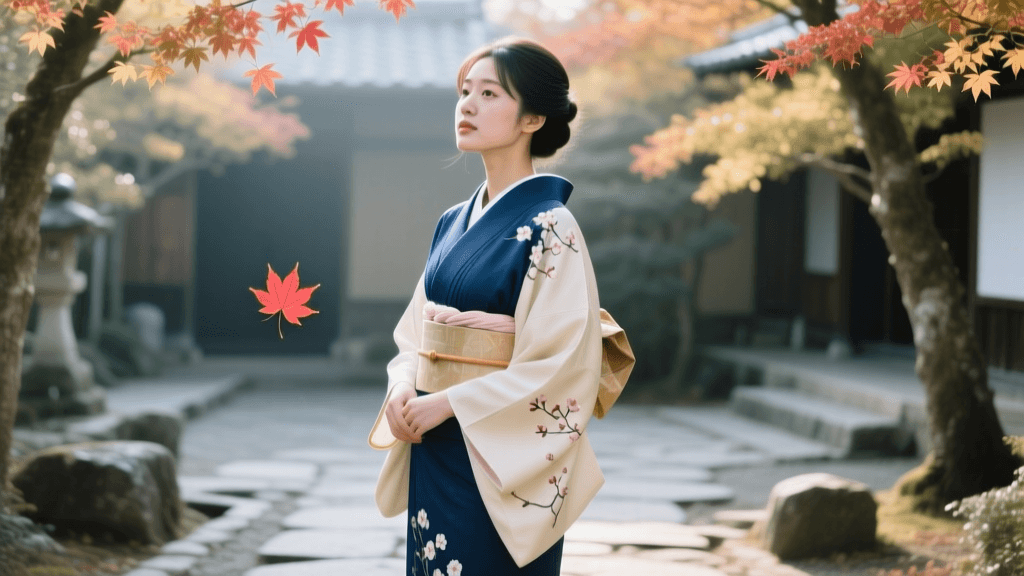
Furthermore, the motifs painted onto the kimono in these prints were strictly seasonal. Cherry blossoms (sakura) and wisteria indicated spring, while maple leaves and bush clover signaled autumn. Wearing a seasonal motif too early or too late was considered a major fashion faux pas, a nuance that ukiyo-e artists captured with exacting precision to establish the temporal setting of the print.
Signature Styles: Master Artists and Their Textile Muses
Different ukiyo-e masters approached the depiction of textiles with unique stylistic signatures. The way an artist rendered the drape of silk, the stiffness of brocade, or the translucency of summer hemp (asa) can often be used to identify their work.
| Artist | Era | Signature Kimono Style | Key Motif and Technique |
|---|---|---|---|
| Suzuki Harunobu | Mid-18th Century | Delicate, ethereal layering | Cherry blossoms, subtle bokashi shading |
| Kitagawa Utamaro | Late 18th Century | Sensual, translucent fabrics | Yuzen-dyed florals, intricate obi knots |
| Utagawa Hiroshige | 19th Century | Weather-appropriate, dynamic | Snow motifs, heavy winter wadding |
| Utagawa Kuniyoshi | Mid-19th Century | Bold, graphic, tattoo-inspired | Mythical beasts, dramatic geometric patterns |
The Bijinga Phenomenon: Depicting the Art of the Obi
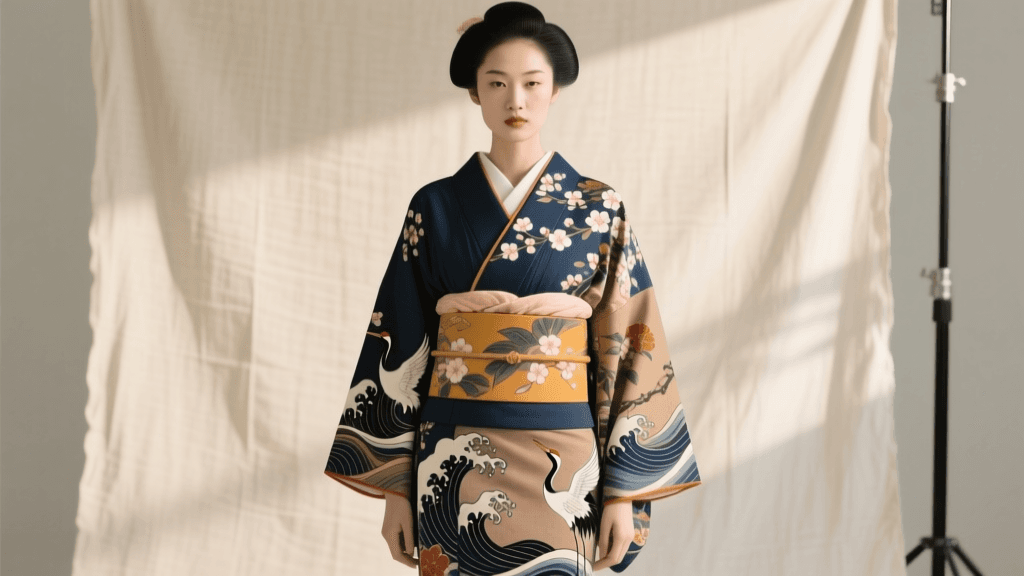
The bijinga (pictures of beautiful women) genre is perhaps the most vital resource for studying the evolution of the obi. In early Edo prints, the obi was a narrow, functional sash tied in the front. As the century progressed, the obi widened dramatically, eventually reaching up to 30 centimeters in width, and the knot moved to the back. Artists like Kitagawa Utamaro excelled at depicting the heavy, luxurious brocades (nishiki) of these wide obi, contrasting their stiff, structured geometry with the fluid, sweeping lines of the kimono sleeves (furisode).
Utamaro also pioneered the depiction of yuzen dyeing—a revolutionary resist-dye technique that allowed for painterly, multi-colored designs on silk. Through careful use of the bokashi (color gradation) woodblock printing technique, artists could mimic the soft, watercolor-like bleeds of genuine yuzen-dyed silk, elevating the woodblock print to a medium capable of capturing high-end textile artistry.
Actionable Guide: Collecting and Viewing Ukiyo-e Kimono Prints
For collectors, historians, and kimono enthusiasts, acquiring and studying original ukiyo-e prints is a deeply rewarding pursuit. However, navigating the art market requires specific knowledge regarding authentication, condition grading, and archival care.
1. Where to View Authentic Prints
Before purchasing, it is crucial to study authentic examples in person to understand the texture of the washi (Japanese paper) and the vibrancy of original organic pigments. The Victoria and Albert Museum's Prints and Drawings collection in London, alongside the Art Institute of Chicago and the Tokyo National Museum, hold some of the world's most pristine examples of Edo-period fashion prints. Special exhibitions often rotate these light-sensitive works, so plan visits during specific seasonal textile or ukiyo-e showcases.
2. Buying and Collecting: Costs and Conditions
The market for ukiyo-e varies wildly based on the artist, the edition, and the condition. When evaluating a print featuring kimono fashion, consider the following pricing tiers and condition markers:
- Late Meiji/Taisho Reprints and Minor Artists ($100 - $500): Excellent for beginners. These prints often feature beautiful kimono patterns but lack the prestige of Edo-period first editions.
- Standard Edo-Period Prints ($800 - $3,000): Works by recognized artists like Toyokuni or Kunisada. These offer fantastic documentation of mid-to-late 19th-century kimono trends, including the introduction of synthetic aniline dyes (which appear as harsh, bright reds and purples).
- Masterworks by Utamaro, Harunobu, or Hokusai ($5,000 - $50,000+): Museum-quality first editions. Provenance and pristine condition are mandatory at this price point.
When inspecting a print, look for shimi (foxing or brown age spots), michi (creases or folds), and atari (fading of pigments due to light exposure). Note that a trimmed margin is common in ukiyo-e, as early collectors often cut away the publisher's cartouches to fit the prints into standard Western frames.
3. Archival Care and Framing
Ukiyo-e prints were created on handmade mulberry paper using organic, fugitive pigments that are highly susceptible to UV damage and acidity. If you collect prints showcasing historical kimono, you must frame them using museum-grade materials:
- Glazing: Always use UV-filtering acrylic (such as Optium Museum Acrylic) rather than standard glass, which can shatter and trap moisture.
- Matting: Use only 100% cotton rag, acid-free mat boards. Never allow the print to touch the glazing directly.
- Environment: Display prints away from direct sunlight and exterior walls. Maintain a stable relative humidity between 45% and 55% to prevent the washi paper from warping or developing mold.
Conclusion
Ukiyo-e woodblock prints are far more than mere pictures of the floating world; they are meticulous historical archives of Japanese textile arts. By learning to decode the kimono, obi, and seasonal motifs captured by masters like Utamaro and Hiroshige, modern enthusiasts can gain a profound understanding of Edo-period fashion. Whether you are studying the layering techniques of the kasane system or building a personal collection of bijinga, these prints offer an enduring window into the sartorial brilliance of historical Japan.