Mindful Kitsuke: Kimono Dressing For Wellbeing In 2026
The Rise of Intentional Dressing in 2026
In 2026, the global fashion conversation has decisively shifted away from the relentless churn of micro-trends and disposable garments toward intentional, sustainable living. At the heart of this movement is a renewed appreciation for traditional garments that demand time, respect, and presence. Among these, the Japanese kimono stands out not merely as a beautiful textile, but as a profound tool for mental wellbeing. The art of kitsuke (kimono dressing) is experiencing a global renaissance, embraced by wellness advocates and slow fashion enthusiasts alike as a meditative practice that grounds the mind and honors the environment.
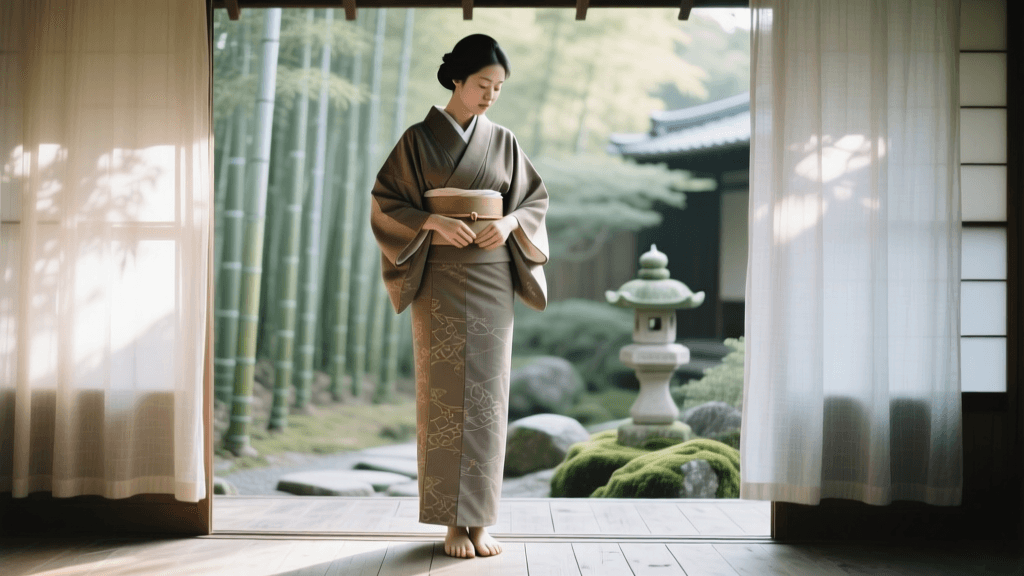
Unlike the rushed routine of pulling on mass-produced fast fashion, dressing in a kimono is a multi-layered ritual. It requires focus, deliberate movement, and a deep connection to the tactile qualities of the fabric. This article explores how the mindful practice of kitsuke intersects with modern wellness routines, offering a sanctuary of calm in an increasingly fast-paced digital world.
The Psychology of Ritual: Enclothed Cognition and Mindfulness
The psychological impact of what we wear is well-documented in the concept of 'enclothed cognition,' which suggests that the clothes we put on can significantly influence our psychological processes. When you engage in the meticulous process of kitsuke, you are not just covering your body; you are actively shifting your mental state. The precise folding, the smoothing of silk, and the careful alignment of seams demand a level of concentration that naturally crowds out daily anxieties.
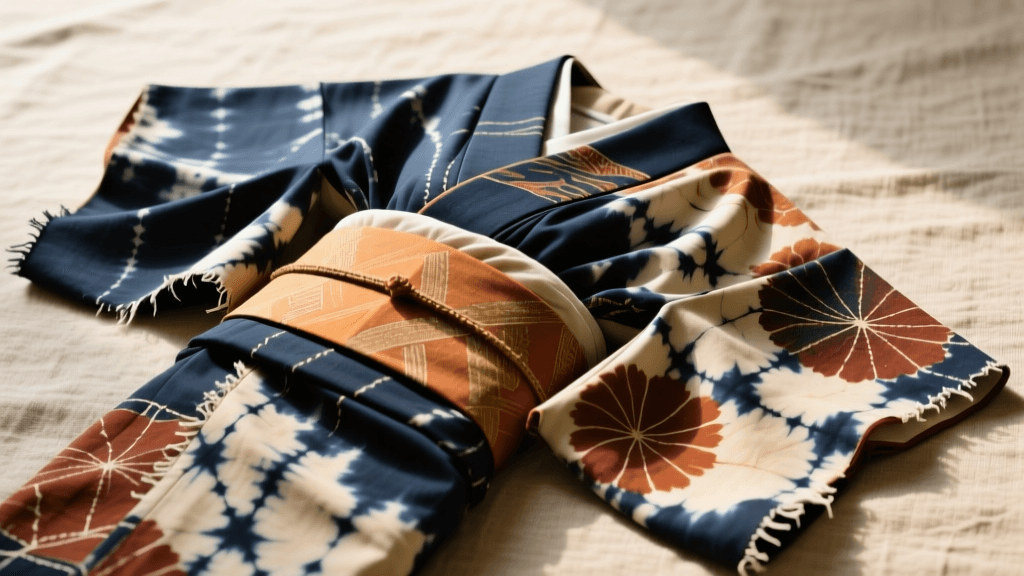
Mindfulness, at its core, is the practice of anchoring oneself in the present moment. According to experts at Harvard Health, mindfulness meditation and focused physical practices can significantly reduce stress, lower blood pressure, and improve overall emotional regulation. Kitsuke functions as a form of active, moving meditation. The sensory experience—the cool touch of vintage Oshima Tsumugi silk, the subtle scent of camphor wood from the storage chest, the rhythmic sound of the datejime (tying cord) being pulled taut—serves as a powerful grounding technique, pulling the practitioner out of digital overwhelm and into physical reality.
Kitsuke as the Ultimate Slow Fashion Statement
The environmental toll of the modern apparel industry is staggering, but the kimono offers a masterclass in circularity and longevity. A well-cared-for kimono can easily last for over a century, passing through multiple generations. In 2026, the slow fashion movement heavily emphasizes the circular economy, a concept championed by organizations like the Ellen MacArthur Foundation, which advocates for designing out waste and keeping materials in use.
The kimono wardrobe is inherently zero-waste. The garment is constructed from a single bolt of fabric (tanmono) cut in straight lines, meaning almost no textile is wasted during production. Furthermore, when a kimono is no longer wearable, it can be entirely deconstructed, washed, and re-sewn, or repurposed into haori jackets, bags, or home textiles. By participating in the secondhand and vintage kimono market, modern practitioners are actively diverting textiles from landfills and rejecting the carbon-heavy supply chains of contemporary fast fashion.
A Step-by-Step Guide to Mindful Kitsuke
To transform your morning routine into a wellness practice, approach kitsuke not as a chore, but as a dedicated time for self-care. Set aside 30 to 45 minutes in a quiet space. Here is a mindful approach to the foundational steps of dressing:
1. Centering and Preparation (The Undergarments)
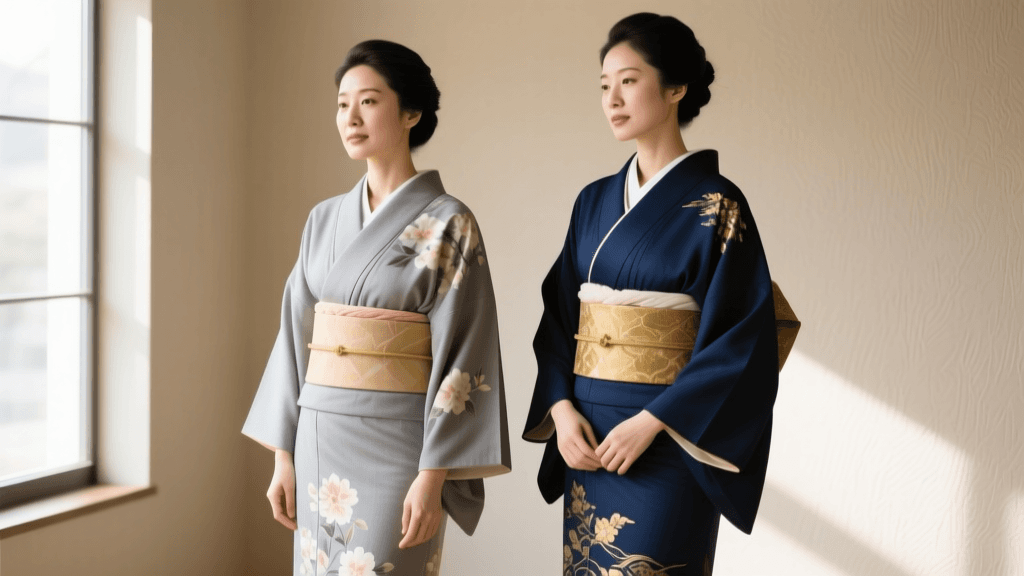
Begin with three deep breaths. Start with the hadajuban (the innermost cotton undergarment). As you tie the koshihimo (waist tie), focus on the sensation of the cotton against your skin. Next, put on the nagajuban (the secondary under-robe). Adjust the eri (collar) so that it sits perfectly at the base of your neck, leaving a fist's width of space at the nape. This deliberate adjustment requires fine motor control, which helps sharpen cognitive focus.
2. Wrapping the Kimono
Drape the kimono over your shoulders, ensuring the back seam is centered. Hold the collar edges and bring the left side over the right side (always left over right for the living). As you smooth the fabric down your hips, pay attention to the weight and drape of the silk. Adjust the ohashori (the fold at the waist). In 2026, the standard aesthetic preference is a visible ohashori fold of exactly 5 to 7 centimeters. Use your mirror not for vanity, but to check your posture and alignment.
3. Securing and Tying the Obi
The obi is the structural and spiritual anchor of the outfit. A standard fukuro obi measures approximately 430 centimeters in length and 30 centimeters in width. Wrapping it requires core engagement and deep, controlled breathing. As you tie the otaiko (the traditional drum bow) at the back, treat the folding of the stiff silk as an exercise in patience. If the knot is imperfect, mindfully undo it and begin again, practicing self-compassion and non-judgment.
Comparing Mindful Kitsuke to Modern Fast Fashion
To understand the profound shift that kitsuke offers, it is helpful to contrast it with the standard modern dressing routine. The table below highlights the differences in time, mental state, and environmental impact.
| Metric | Mindful Kitsuke (Kimono) | Standard Fast Fashion Routine |
|---|---|---|
| Time Invested | 30 - 45 minutes of focused ritual | 3 - 5 minutes of rushed selection |
| Mental State | Grounded, meditative, present | Distracted, decision-fatigued, hurried |
| Textile Lifespan | 50 - 100+ years (heirloom quality) | 1 - 3 years (rapid degradation) |
| Environmental Impact | Circular, zero-waste pattern cutting | High waste, microplastic shedding |
| Cost Per Wear | Decreases over decades of use | High cumulative cost due to replacement |
The Somatic Benefits: Proprioception and the Obi
Beyond the mental and environmental benefits, kitsuke offers unique somatic (body-based) wellness advantages. The firm wrapping of the datejime and the structured tying of the obi provide continuous, gentle pressure around the torso. In occupational therapy and psychology, this is known as Deep Pressure Stimulation (DPS), similar to the effect of a weighted blanket.
This gentle compression enhances proprioception—the body's ability to sense its location, movements, and actions. For individuals dealing with anxiety, ADHD, or sensory processing sensitivities, the physical embrace of a properly tied kimono can stimulate the parasympathetic nervous system, promoting a 'rest and digest' state. The physical restriction also naturally enforces better posture, aligning the spine and opening the chest, which in turn facilitates deeper, more diaphragmatic breathing throughout the day.
Curating a Sustainable Kimono Wardrobe in 2026
Building a mindful kimono wardrobe does not require purchasing expensive new garments. In fact, the most sustainable and culturally rich approach is to embrace the vintage market. According to the UN Environment Programme, extending the life of existing garments is one of the most effective ways to reduce the fashion industry's carbon footprint.
- Vintage Komon: Ideal for daily mindful practice. These feature small, repeating patterns and can be sourced from online auction houses or specialized vintage dealers for $50 to $150 USD.
- Tsumugi (Pongee Silk): A textured, rustic silk that is highly durable and perfect for beginners. The nubby texture provides excellent tactile feedback during the dressing process.
- Upcycled Accessories: Look for haneri (decorative collars) made from repurposed vintage obi scraps, or kanzashi (hair ornaments) crafted from reclaimed materials.
When buying vintage, inspect the silk for structural integrity rather than minor surface stains, as traditional Japanese washing techniques (arimatsu) can often restore the fabric to its former glory without the use of harsh, environmentally damaging chemicals.
Conclusion: Wrapping Yourself in Intention
As we navigate the complexities of 2026, the desire for authenticity and mental clarity has never been stronger. The art of kitsuke offers a rare intersection where cultural heritage, environmental stewardship, and personal wellbeing meet. By choosing to dress mindfully, you are doing more than preserving a beautiful Asian tradition; you are reclaiming your time, your mental space, and your relationship with the material world. Tomorrow morning, instead of rushing through your wardrobe, take a breath, unroll your silk, and wrap yourself in intention.