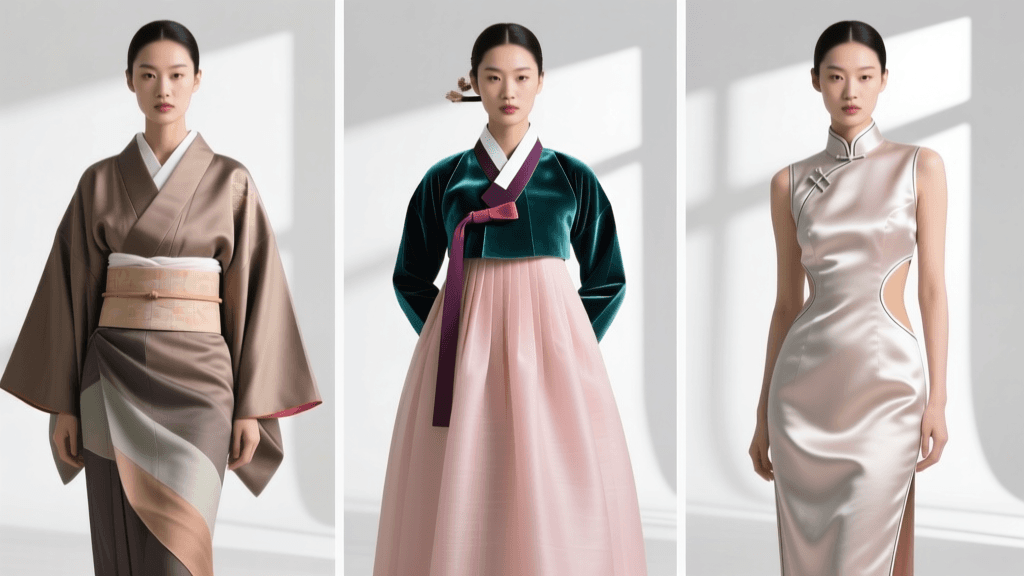
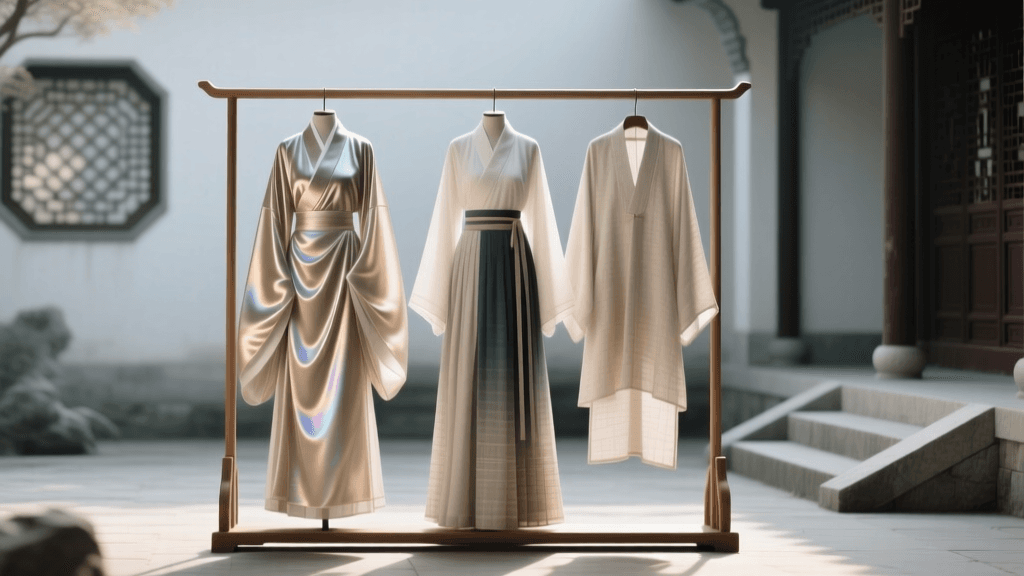
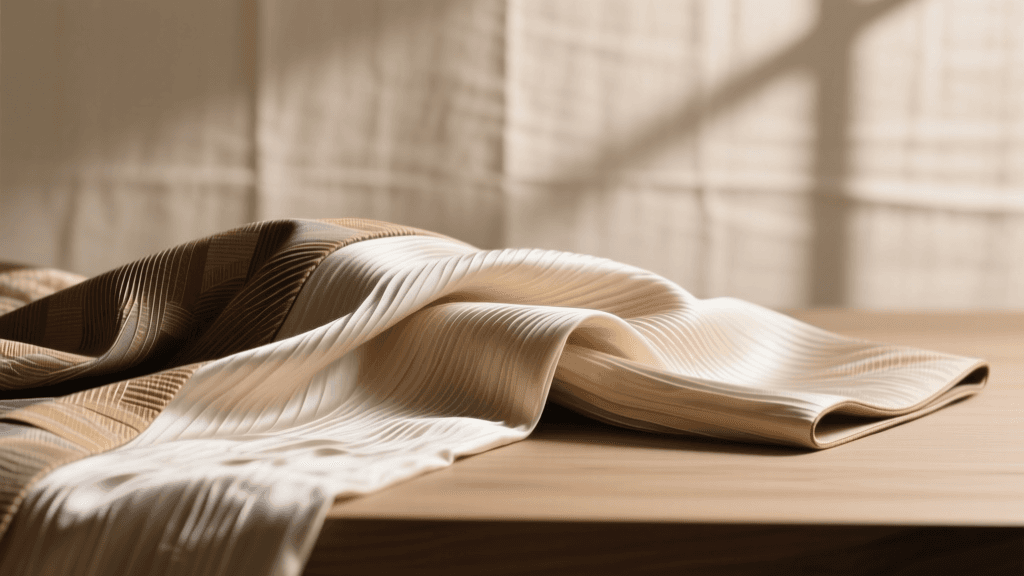
Everyday vs Ceremonial Kimono: 2026 Styling Guide
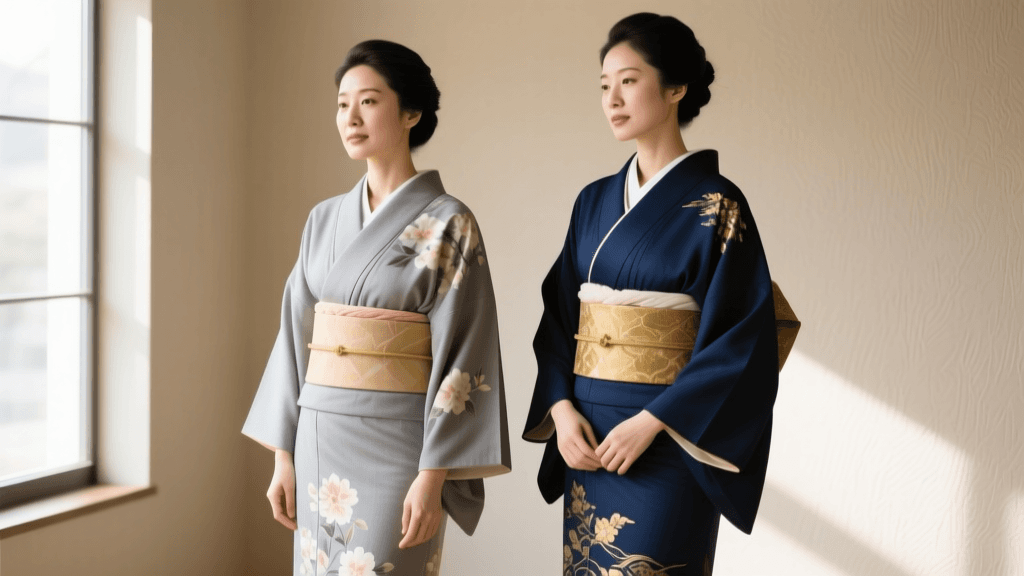
The Evolution of the Kimono Wardrobe in 2026
The Japanese kimono is far from a static relic of the past. As we navigate the fashion landscape of 2026, the distinction between ceremonial and everyday Asian traditional garments has become more nuanced than ever. While Western fashion often blurs the lines between casual and formal wear, the Japanese kimono maintains a highly structured hierarchy based on pattern, fabric, and family crests (kamon). For modern enthusiasts, collectors, and cultural practitioners, understanding the boundary between an everyday Komon and a ceremonial Tomesode is essential for building a respectful, versatile, and authentic 2026 wardrobe.
This comprehensive guide explores the functional, aesthetic, and financial differences between everyday and ceremonial kimono, offering actionable advice on styling, sourcing, and garment care for the modern wearer.
The Everyday Kimono: Komon and Yukata in 2026
Everyday kimono are designed for mobility, ease of maintenance, and subtle self-expression. In 2026, the push toward sustainable fashion has made vintage and upcycled everyday kimono more popular than ever, with younger generations embracing secondhand silk Komon for daily wear, casual tea ceremonies, and cultural outings.
Komon: The Patterned Workhorse
The Komon (lit. 'small pattern') is the quintessential everyday silk kimono. It is characterized by a repeating pattern that covers the entire garment, with no directional focal point. Unlike formal wear, a Komon does not feature family crests, making it inherently casual. In 2026, modern textile innovators have introduced washable silk blends and high-quality synthetic crepes (chirimen) that mimic the drape of traditional silk while allowing for home laundering—a massive shift from the strict dry-cleaning requirements of the past decade.
When styling a Komon, opt for a Nagoya obi (a pre-folded, narrower sash) tied in a simple taiko musubi (drum knot) or a playful bunko musubi (bow knot). Footwear should be kept casual: wooden geta or flat, woven zori with simple cotton hanao (straps).
Yukata: The Summer Staple
Originally worn as a bathrobe in the Edo period, the Yukata has evolved into the ultimate casual summer garment. Made from breathable, unlined cotton or modern cooling hemp-blends, the Yukata is the most accessible entry point for beginners. The 2026 summer festival season has seen a surge in minimalist, monochromatic Yukata designs, moving away from the hyper-colorized prints of the early 2020s. Because it is unlined and made of cotton, a Yukata is worn directly over modern undergarments (or a thin hadajuban), bypassing the need for the complex layers required for silk kimono.
The Ceremonial Garment: Tomesode and Furisode
Ceremonial Asian traditional garments operate on a strict visual language. The formality of a kimono is dictated by the placement of motifs, the presence of family crests, and the type of silk weave. According to the Metropolitan Museum of Art, the evolution of these formal garments reflects centuries of codified social structures that still influence modern Japanese ceremonial life today.
Kurotomesode and Irotomesode
The Kurotomesode (black formal kimono) is the highest level of formality for married women. It features a solid black background with five family crests and a continuous, elaborate pattern (eba) that flows across the lower hem, crossing the seams seamlessly. The Irotomesode is the colored equivalent, available in rich jewel tones that have gained significant traction in 2026 for non-family weddings and high-level state dinners. Both require a Fukuro obi (a wide, heavily brocaded sash) and pristine white tabi socks with formal, thick-soled zori.
Furisode: The Unmarried Woman's Formalwear
Recognizable by its dramatically long, swinging sleeves (often measuring up to 114 cm in length), the Furisode is the formal equivalent of a Western debutante gown or bridal party dress. In 2026, rental shops in Tokyo and Kyoto report that modern consumers are favoring vintage-inspired, muted pastel Furisode over the heavily embellished, high-contrast styles of the 2010s. The long sleeves historically signaled youth and availability, but today they are simply a marker of high ceremony, worn at Coming of Age Day (Seijin Shiki), weddings, and formal tea ceremonies.
Ceremonial vs Everyday Kimono: 2026 Comparison Chart
To help you navigate your 2026 wardrobe investments, here is a structured breakdown of the core differences between everyday and ceremonial garments.
| Feature | Everyday (Komon / Yukata) | Ceremonial (Tomesode / Furisode) |
|---|---|---|
| Primary Fabric | Cotton, Hemp, Washable Silk, Poly-blends | Heavy Silk Crepe, Silk Brocade, Rinzu |
| Pattern Placement | Repeating all-over patterns or casual motifs | Hem-only (eba) or large asymmetrical crests |
| Family Crests (Kamon) | None | 1, 3, or 5 crests (5 being most formal) |
| Obi Type | Hanhaba (half-width) or Nagoya | Fukuro (fully patterned, wide brocade) |
| Footwear | Wooden Geta or casual woven Zori | Formal brocade Zori with pristine white Tabi |
| Estimated 2026 Cost | $50 - $300 USD (Vintage/New) | $1,200 - $6,000+ USD (Bespoke/Semi-custom) |
Fabric Care and Maintenance for the Modern Wardrobe
Caring for Asian traditional garments requires an understanding of both historical preservation and modern convenience. The Victoria and Albert Museum emphasizes that the structural integrity of silk kimono relies heavily on proper storage and climate control, a fact that remains crucial for modern collectors.
Storing Your Garments
For everyday Komon and Yukata, 2026 advancements in breathable, anti-microbial garment bags have made closet storage much safer. However, ceremonial garments like Tomesode and Furisode must be stored in traditional tatou (paper wrappers) inside a tansu (wooden chest). Paulownia wood remains the gold standard for ceremonial storage due to its natural humidity-regulating properties and fire resistance. If you live in a highly humid climate, investing in a climate-controlled wardrobe insert is highly recommended to prevent mold (kabi) on expensive silk brocades.
Cleaning Protocols
Never attempt to wash a ceremonial silk kimono at home. The intricate shibori (tie-dye) or yuzen (resist-dye) techniques used on formal garments will bleed or warp if exposed to water. Instead, rely on specialized kimono dry cleaners (arai-hari services), which disassemble the garment, clean the flat panels, and re-sew it. While this service costs between $150 and $300 USD in 2026, it is essential for preserving the tensile strength of the silk. Everyday washable silks and cotton Yukata, conversely, can be hand-washed using pH-neutral detergents and air-dried in the shade to prevent UV fading.
Sourcing and Styling Tips for 2026
Building a kimono wardrobe in 2026 is more accessible than ever, provided you know where to look and how to measure.
Understanding Measurements (Kitsuke)
Unlike Western clothing, kimono are sold based on bolt width and length rather than standard S/M/L sizing. The most critical measurement is the yuki (the distance from the center of the back of the neck to the wrist). For a proper everyday fit, the yuki should hit exactly at the wrist bone. For a ceremonial Furisode, the sleeves are intentionally cut longer to create a dramatic drape. Always measure your yuki and mitake (total back length) before purchasing vintage pieces online.
Where to Source Authentic Pieces
- Everyday Wear: The secondhand market is your best resource. Online platforms and specialized vintage exporters offer authenticated, graded Komon for as little as $50 to $150 USD. Look for sellers who provide detailed condition reports, specifically checking for yake (sun fading on the shoulders) and shimi (age spots).
- Ceremonial Wear: 2026 buyers are increasingly turning to direct-to-consumer artisan collectives in Kyoto and Kanazawa. While a bespoke, hand-painted Kurotomesode can easily exceed $5,000 USD, many reputable houses now offer 'semi-custom' lines. This allows you to select pre-dyed bases and add your specific family crests for a fraction of the cost, typically ranging from $1,200 to $2,500 USD.
'The beauty of the kimono lies not just in its silk, but in the intention behind its wear. Choosing the correct formality level is a sign of respect to your host, the occasion, and the artisans who crafted the garment.' — 2026 Kyoto Textile Preservation Society Guidelines.
Conclusion
Navigating the spectrum of Asian traditional garments requires a balance of historical knowledge and modern practicality. By understanding the distinct roles of the everyday Komon and the ceremonial Tomesode, you can build a 2026 kimono wardrobe that is both culturally respectful and personally expressive. Whether you are tying a simple cotton Yukata for a summer stroll or draping a heavy silk Fukuro obi for a wedding, the kimono remains a living, breathing testament to the enduring power of Asian textile traditions.