Mindful Kitsuke: The Kimono Dressing Wellness Ritual 2026
The Intersection of Kitsuke and Mindfulness in 2026
In our hyper-connected, fast-paced modern world, the simple act of getting dressed has largely been reduced to a thoughtless, rushed necessity. However, a profound shift is occurring in 2026 as individuals seek refuge from digital burnout through tactile, intentional practices. Enter kitsuke—the traditional Japanese art of wearing the kimono. Far from being merely a sartorial choice, kitsuke is increasingly recognized by wellness practitioners and slow fashion advocates as a powerful form of moving meditation and somatic grounding.
Unlike the fleeting dopamine hit of unboxing a fast-fashion haul, the deliberate, multi-layered process of putting on a kimono demands presence, patience, and physical awareness. It forces the wearer to slow down, align their posture, and engage in deep, rhythmic breathing. As the 2026 Global Wellness Institute reports highlight a massive surge in 'somatic dressing'—the practice of using clothing rituals to regulate the nervous system—kitsuke stands out as a centuries-old blueprint for mental clarity and emotional resilience.
The Science of Slow Fashion and Tactile Grounding
The psychological benefits of kitsuke are deeply intertwined with the principles of slow fashion and tactile therapy. When you handle a vintage silk kimono or a breathable linen yukata, you are engaging your somatosensory cortex. The weight of the fabric, the texture of the weave, and the precise tension required to tie the obi (sash) provide immediate sensory feedback that anchors the mind in the present moment.
According to research published by the Greater Good Science Center at UC Berkeley, mindfulness practices that incorporate physical movement and sensory awareness are highly effective at lowering cortisol levels and reducing anxiety. The structured, repetitive motions of kitsuke mimic the calming effects of a walking meditation or a tea ceremony. Furthermore, embracing vintage and upcycled kimono aligns with the urgent need for sustainable living. The Ellen MacArthur Foundation emphasizes that transitioning to a circular fashion economy is vital for environmental health; by choosing to wear, care for, and pass down vintage kimono, practitioners actively participate in a sustainable ecosystem, which in turn fosters a sense of purpose and eco-wellbeing.
Your 2026 Mindful Kitsuke Routine: A Step-by-Step Guide
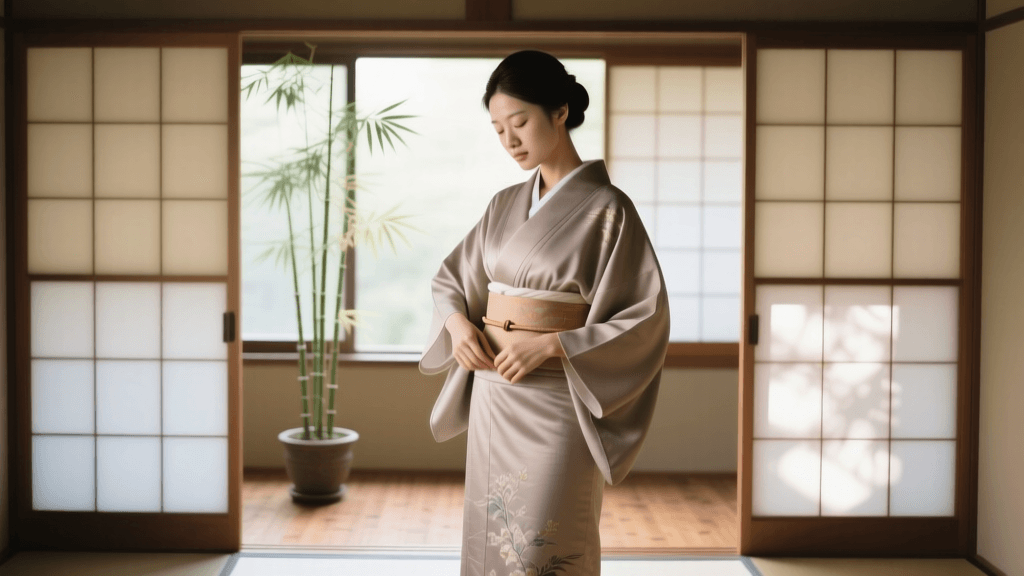
Transforming your morning routine into a mindful kitsuke session requires intentionality. Set aside 30 to 45 minutes in a quiet, uncluttered space. Light a subtle incense, such as sandalwood or hinoki cypress, to engage your olfactory senses and signal to your brain that this is a sacred time.
Step 1: Centering with the Juban (Undergarment)
Begin by holding your nagajuban (under-kimono). Before putting it on, practice box breathing: inhale for 4 seconds, hold for 4, exhale for 4, and hold for 4. Slip your arms into the sleeves, feeling the soft cotton or silk against your skin. Adjust the eri (collar) so that it rests gently against the nape of your neck, leaving a fist's width of space. This physical alignment naturally corrects your spinal posture, opening your chest for deeper respiration.
Step 2: Wrapping the Kimono and the 4-7-8 Breath
Drape the kimono over your shoulders. As you pull the right side across your body, followed by the left side over the right (always left over right for the living), synchronize your movements with the 4-7-8 breathing technique. Inhale deeply through your nose for 4 seconds as you lift the fabric, hold your breath for 7 seconds as you align the hem to your ankles, and exhale slowly through your mouth for 8 seconds as you smooth the excess fabric at the waist. This specific breathing pattern, endorsed by the Mayo Clinic for stress relief, acts as a natural tranquilizer for the nervous system.
Step 3: Grounding Pressure with the Koshihimo
Take your koshihimo (waist tie). In 2026, wellness-focused kitsuke practitioners heavily favor unbleached, organic cotton koshihimo over synthetic polyester. The cotton provides a superior, non-slip grip and allows the skin to breathe. Wrap the 150cm cord around your waist, crossing it at the back and bringing it to the front. The pressure of the tie should be firm enough to secure the garment and provide a comforting, weighted sensation similar to a deep-pressure therapy blanket, but loose enough to allow your diaphragm to expand fully.
Step 4: Sealing Intention with the Datejime and Obi
Secure the datejime (under-sash) to smooth the silhouette. Finally, wrap your obi. Whether you are tying a simple bunko (bow) or a more complex otaiko (drum knot), focus entirely on the geometry of the folds. The final tightening of the obijime (decorative cord) serves as the physical 'seal' of your meditation, locking in your intention and focus for the day ahead.
Essential Tools for a Grounding Kitsuke Practice
To cultivate a sustainable and mindful practice, investing in high-quality, tactile tools is essential. As of 2026, a curated 'Somatic Kitsuke Starter Kit' from sustainable Kyoto artisans retails for approximately $145 USD (¥21,500). This investment supports traditional craftsmanship and ensures you have the right materials for sensory grounding.
- Organic Cotton Koshihimo (Set of 3): $25 USD. Essential for breathable, firm support without the static or slipperiness of modern synthetics.
- Recycled Silk Datejime: $35 USD. Upcycled from vintage obi, these provide a smooth, cooling sensation against the waist and promote circular fashion.
- Bamboo Kimono Rack (Iko): $60 USD. A natural, aromatic wood alternative to plastic hangers that allows the garment to 'breathe' and releases a subtle, grounding woody scent into your dressing space.
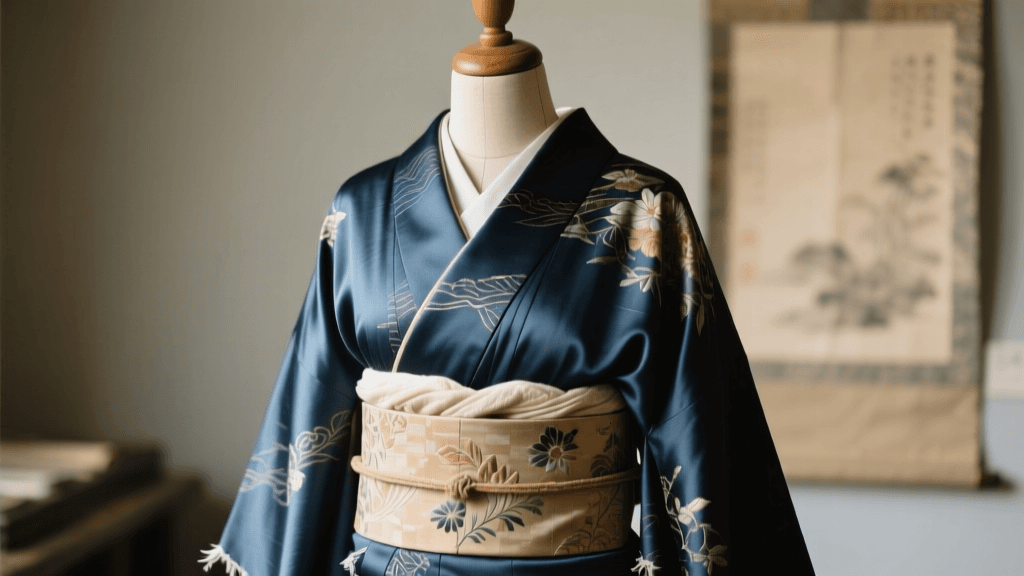
- Vintage Tsumugi (Pongee) Silk Kimono: $150 - $300 USD. Tsumugi is prized for its slubby, textured feel. The slight irregularities in the hand-woven silk provide excellent tactile feedback for mindfulness.
Fast Fashion vs. Mindful Kitsuke: A 2026 Comparison
The contrast between the modern fast-fashion morning scramble and the deliberate art of kitsuke reveals profound differences in how our clothing habits impact our mental and environmental health.
| Metric | Fast Fashion Morning Routine | Mindful Kitsuke Routine |
|---|---|---|
| Time Invested | 5 - 10 minutes (Rushed, reactive) | 30 - 45 minutes (Deliberate, meditative) |
| Heart Rate Variability (HRV) | Decreased (Indicates stress/sympathetic dominance) | Increased (Indicates relaxation/parasympathetic activation) |
| Cognitive Focus | Fragmented (Multitasking, screen-checking) | Flow State (Single-tasking, spatial awareness) |
| Garment Lifespan | 5 - 15 wears before degradation | Generational (100+ years with proper care) |
| Microplastic Shedding | High (Synthetic blends shed in wash) | Zero (Natural silk, cotton, hemp fibers) |
| Posture Impact | Neutral to negative (Slouching in stretchy fabrics) | Positive (Core engagement, spinal alignment) |
Seasonal Mindfulness: Adapting Kitsuke for 2026 Climates
A core tenet of Japanese aesthetics and mindfulness is shiki—an acute awareness of the changing seasons. Mindful kitsuke requires the wearer to sync their wardrobe with the natural world, fostering a deeper connection to the environment. In the sweltering humidity of summer, practitioners transition to ro or sha (sheer, leno-weave silks) or lightweight hemp yukata. The sensation of a cool breeze passing through the woven gaps of a ro kimono is a profound sensory reminder of nature's rhythms.
Conversely, as autumn approaches, the wardrobe shifts to awase (lined silk kimono), providing a comforting, insulating weight that prepares the body and mind for the inward reflection of winter. This seasonal rotation prevents 'wardrobe fatigue' and ensures that every time you dress, you are acutely aware of the current month, the temperature, and the subtle shifts in the natural world outside your window.
Caring for Vintage Kimono as a Wellness Practice
The mindfulness of kitsuke extends beyond the act of wearing; it encompasses the stewardship of the garment. The traditional practice of mushiboshi (airing out garments) is typically done on crisp, dry days in late autumn or early winter. Laying your vintage kimono out on bamboo racks in the shade requires patience and gentle handling. As you smooth out the folds and inspect the hand-stitched seams, you engage in a tactile gratitude practice, honoring the artisans who wove, dyed, and sewed the fabric decades ago.
Similarly, the art of folding the kimono into its tato (paper wrapper) along precise, geometric lines is an exercise in mental organization. The sharp creases and exact alignments required to fold a kimono properly demand a quiet, focused mind, effectively serving as a closing meditation to the day or the season.
Conclusion: Dressing the Soul
In 2026, the kimono is not a costume or a relic of the past; it is a vital tool for modern wellbeing. By embracing the slow, intentional practice of kitsuke, we reclaim our mornings from the anxiety of the digital age. We choose garments that honor the earth, support traditional artisans, and provide a tactile sanctuary for our overstimulated nervous systems. The next time you reach for your kimono, remember that you are not just getting dressed—you are wrapping yourself in a centuries-old ritual of peace, presence, and profound mindfulness.