Mindful Kimono Kitsuke: Slow Fashion Wellness Guide 2026
The Intersection of Kimono, Mindfulness, and Slow Fashion
In 2026, the global wellness landscape has undergone a profound shift. As hyper-fast fashion and AI-generated micro-trends continue to saturate the market, a growing cohort of consumers is seeking refuge in 'sartorial mindfulness'—the practice of using clothing as a tool for grounding, meditation, and environmental stewardship. At the forefront of this movement is the traditional Japanese kimono. Far from being a mere historical artifact, the kimono and its associated practices offer a powerful antidote to modern burnout.
The art of kitsuke (kimono dressing) and shikko (garment care) are inherently slow, deliberate, and tactile. They demand presence, patience, and a deep respect for materials. According to the Fashion Revolution, the slow fashion movement is no longer just about sustainability; it is deeply intertwined with mental health, advocating for a deeper, more meaningful connection with the garments we wear. By embracing the kimono, practitioners in 2026 are not only preserving an ancient Asian tradition but also engaging in a radical act of self-care.
Enclothed Cognition and the Kimono
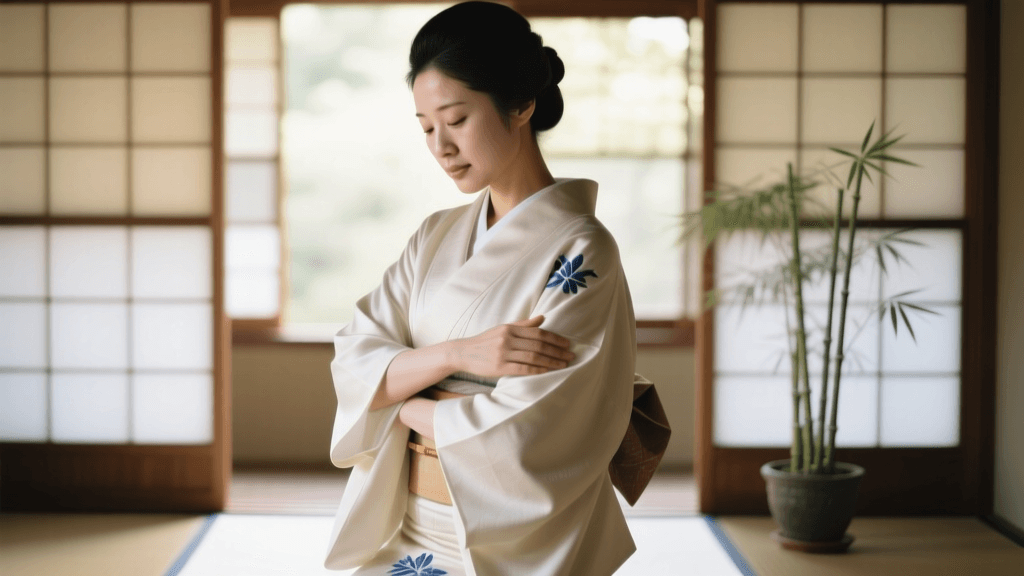
Psychologists use the term 'enclothed cognition' to describe the systematic influence that clothes have on the wearer's psychological processes. When you wear a garment that requires specific posture, deliberate movement, and historical awareness, your brain shifts its cognitive state. The structured nature of the kimono, with its straight seams and restrictive yet elegant obi (sash), naturally enforces an upright posture and measured breathing.
This physical alignment directly impacts mental clarity. As noted by experts in mindfulness exercises at the Mayo Clinic, grounding techniques that involve focusing on physical sensations and posture are highly effective in reducing cortisol levels and alleviating anxiety. The weight of the silk, the texture of the linen undergarments, and the precise tension of the obi cord serve as continuous tactile anchors, pulling the mind away from digital distractions and into the present moment.
The Ritual of Kitsuke: A Moving Meditation
Unlike slipping on a mass-produced t-shirt, dressing in a kimono is a multi-step ritual that typically takes between 20 to 45 minutes. This time is not 'lost'; rather, it is reclaimed as a dedicated period of moving meditation. Here is how the traditional layers contribute to a mindful state:
1. The Foundation (Hadajuban and Nagajuban)
The process begins with the hadajuban (skin undergarment) and nagajuban (full-length under-robe). Tying the koshihimo (waist ties) requires a mindful awareness of one's own body, encouraging deep, diaphragmatic breathing as you secure the foundation without restricting your breath.
2. The Outer Garment (Kimono)
Aligning the back seam (se-iro) and adjusting the ohashori (the waist fold) demands intense visual and tactile focus. You must smooth the silk with flat palms, feeling the temperature and weave of the fabric. This repetitive, soothing motion mimics the calming effects of progressive muscle relaxation.
3. The Obi and Accessories
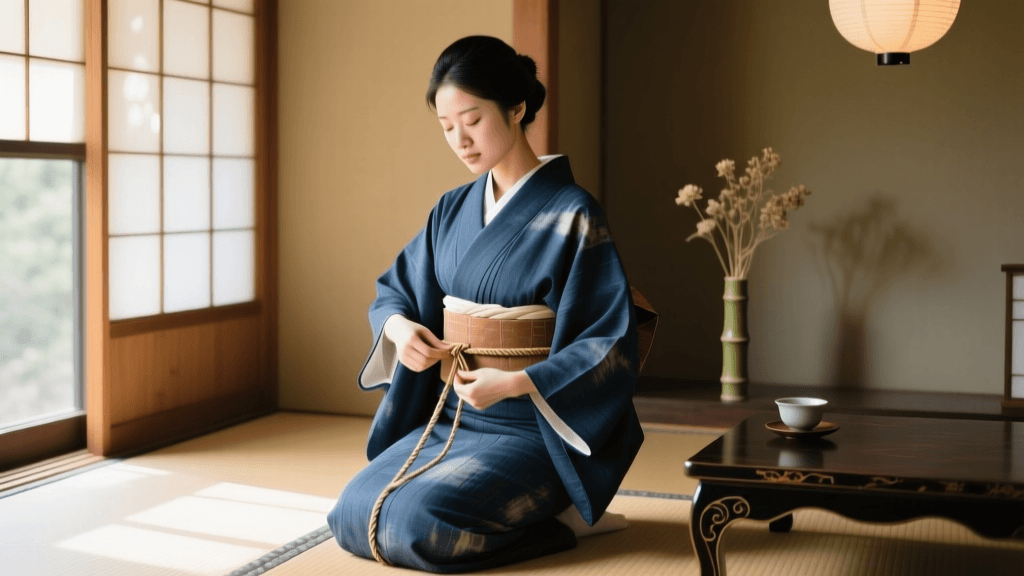
Tying the obi is the climax of the kitsuke ritual. Whether you are tying a simple taiko musubi (drum knot) or a more complex style, the physical exertion and spatial reasoning required act as a cognitive puzzle, effectively blocking out intrusive thoughts and external stressors.
Fast Fashion Routine vs. Mindful Kitsuke (2026 Comparison)
To understand the wellness benefits of this practice, it is helpful to contrast it with the standard modern dressing routine.
| Aspect | Standard 2026 Fast Fashion Routine | Mindful Kimono Kitsuke Ritual |
|---|---|---|
| Time Investment | 3 to 5 minutes (rushed, multitasking) | 20 to 45 minutes (dedicated, single-tasking) |
| Mental State | Distracted, planning the day, checking screens | Grounded, focused on breath and tactile sensation |
| Physical Posture | Slouched, hurried movements | Upright, deliberate, core-engaged movements |
| Garment Connection | Disposable, trend-driven, low emotional attachment | Heirloom-quality, deeply personal, high reverence |
| Environmental Impact | High (synthetic microplastics, landfill waste) | Low (natural fibers, vintage sourcing, zero-waste care) |
Shikko: Garment Care as a Grounding Practice
The mindfulness of the kimono extends far beyond wearing it; it is deeply embedded in its care. Shikko refers to the traditional maintenance of the garment. In an era where clothing is often treated as disposable, the meticulous care required for a kimono fosters a sense of stewardship and gratitude.
Mushiboshi (Airing Out)
Twice a year, typically in the dry, crisp days of late autumn and early spring, kimono owners practice mushiboshi. This involves taking the garments out of their tansu (traditional chests) and hanging them on specialized bamboo or hinoki wood hangers to air out. This ritual connects the practitioner to the changing of the seasons, a core tenet of Japanese aesthetic philosophy and a proven method for improving seasonal mood regulation.
Tatou-shi and Natural Repellents
Instead of harsh chemical dry cleaning, traditional care relies on natural methods. Wrapping kimonos in tatou-shi (specialized acid-free paper) and using natural camphor or dried herbs to repel insects engages the olfactory senses, which are directly linked to the brain's limbic system, promoting emotional balance and memory recall.
Building a Mindful, Slow Fashion Wardrobe
Embracing the kimono in 2026 is inherently an act of slow fashion. The historical longevity of these garments is remarkable. As documented by the Metropolitan Museum of Art's historical archives on the kimono, these garments were traditionally designed to be taken apart, cleaned, re-dyed, and rewoven, ensuring that a single bolt of silk could serve multiple generations.
To build a mindful kimono wardrobe today, consider the following actionable steps:
- Source Vintage and Antique: The secondary market for kimonos is vast. Purchasing a vintage Meiji or Taisho-era silk kimono (often available between $80 and $300 USD in 2026) rescues a piece of history from landfill and requires zero new resource extraction.
- Invest in Artisan Accessories: Support living traditions by purchasing newly woven obi or hand-braided obijime (cords) directly from certified artisans in Kyoto or Kanazawa. This ensures fair wages and keeps endangered textile techniques alive.
- Embrace Upcycling (Boro and Sashiko): If a kimono is damaged, practice or commission sashiko (decorative reinforcement stitching). This not only repairs the garment but adds a layer of personal history and wabi-sabi (the beauty of imperfection) to the piece.
Integrating Kimono Mindfulness into Modern Life
You do not need to wear a kimono every day to reap its wellness benefits. Many practitioners in 2026 designate 'Kitsuke Sundays' or use the dressing process as a transitional ritual before engaging in deep, creative work or meditation. Setting up a dedicated, uncluttered space in your home with a full-length mirror, a smooth tatami mat or wooden floor, and a designated rack for your accessories can transform a corner of your bedroom into a sanctuary of slow living.
By choosing the deliberate, structured, and historically rich practice of kimono kitsuke, you are doing more than getting dressed. You are engaging in a holistic wellness practice that honors Asian traditions, protects the planet, and nurtures the mind in an increasingly chaotic world.