Miesbacher & Werdenfelser Tracht: Bavarian Folk Dress Guide 2026
Introduction to Bavarian Tracht in 2026
When discussing traditional European folk costumes, few garments carry the global recognition of the Bavarian Tracht. However, reducing this rich sartorial heritage to the mass-produced, fast-fashion dirndls sold in tourist shops does a massive disservice to centuries of Alpine textile history. In 2026, a powerful cultural renaissance known as the 'Slow Tracht' movement has taken hold across Southern Germany and Austria. Discerning collectors, cultural preservationists, and locals are turning away from generic Oktoberfest costumes and returning to hyper-regional, historically accurate folk dress. Two of the most revered and meticulously preserved regional styles are the Miesbacher Tracht and the Werdenfelser Tracht.
According to cultural historians at the Bayerisches Nationalmuseum, the distinction between regional Tracht is not merely about color palettes; it encompasses specific tailoring techniques, localized embroidery motifs, and strict rules regarding accessories that denote marital status, social standing, and village of origin. This comprehensive 2026 guide explores the intricate construction, regional differences, and modern sourcing of these two magnificent Bavarian folk costumes.
The Miesbacher Tracht: Elegance and Alpine Heritage
Originating from the Miesbach district in Upper Bavaria, the Miesbacher Tracht is widely considered the epitome of Alpine elegance. Historically favored by the rural elite and wealthy farmers, this style is characterized by its dark, rich colors and exquisite, understated tailoring. In 2026, it remains the gold standard for formal Alpine events, traditional weddings, and high-level Gaufest (regional folk festivals).
Key Components of the Miesbacher Dirndl
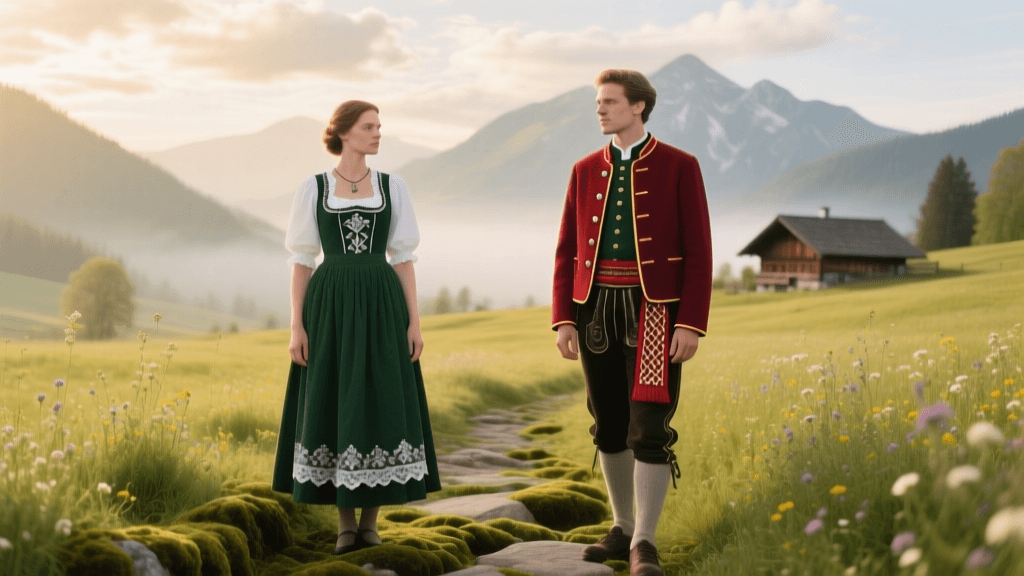
The Miesbacher Dirndl is a masterclass in structured tailoring. Unlike the loosely fitted commercial dirndls, the authentic Miesbacher bodice (Mieder) is heavily boned and tailored to provide a smooth, sculpted silhouette without the need for restrictive historical corsetry. The primary colors are deep navy blue, rich black, or dark forest green, typically crafted from heavy silk damask or fine wool broadcloth.
- The Skirt: The skirt is heavily pleated using a traditional technique called Froschgoscherl (frog mouth pleats), which requires meters of fabric and hours of hand-pressing to ensure the pleats lay perfectly flat against the body while allowing a dramatic flare when dancing.
- The Apron: Always made of shot silk or fine linen, the apron color must harmonize with the bodice. In 2026, sustainable organic linen from regional Bavarian flax farms has become highly sought after for summer aprons.
- The Accessories: The defining accessory is the Miesbacher Hut, a specialized hat adorned with a gold cord and an eagle feather. Women also wear a Kropfband (a velvet choker) featuring an ornate silver or gold clasp, often set with freshwater pearls or garnets.
The Miesbacher Lederhosen and Menswear
For men, the Miesbacher Tracht features dark grey or charcoal wool trousers (Bundhosen) for formal winter events, or exceptionally soft, dark-brown deerskin Lederhosen for summer. The embroidery (Plattstickerei) is strictly regulated by local Tracht clubs; the most common motif is the Hirschhorn (antler) intertwined with oak leaves, executed in muted green and grey silk threads. The outfit is completed with a Charivari—a heavy silver chain adorned with hunting trophies, coins, and boar tusks draped across the lederhosen flap.
The Werdenfelser Tracht: Rustic Charm and Distinctive Details
Traveling southwest to the Garmisch-Partenkirchen region, nestled at the foot of the Zugspitze, we find the Werdenfelser Tracht. If the Miesbacher style is the aristocrat of the Alps, the Werdenfelser is its vibrant, rustic cousin. Reflecting the rugged beauty of the Werdenfelser Land, this folk dress incorporates brighter colors, floral motifs, and distinct lacework that sets it apart from all other Bavarian regional costumes.
Unique Features of the Werdenfelser Dress
The Werdenfelser Dirndl embraces a lighter, more pastoral aesthetic. The bodice often features intricate floral brocades or lighter shades of blue, green, and burgundy. The neckline is typically rounded or heart-shaped, framed by a delicate, hand-tatted lace trim known as Schalkragen.
Instead of the structured silk aprons of Miesbach, the Werdenfelser apron is frequently crafted from finely woven cotton or lightweight wool, often featuring subtle woven stripes or block-printed floral patterns. The headwear is equally distinct: married women traditionally wear the Werdenfelser Haube, a delicate lace cap tied with wide silk ribbons under the chin, while unmarried women might opt for a floral wreath or a simpler felt hat with a vibrant cord.
Men's Werdenfelser Tracht features lighter grey wool and distinctive green piping along the seams of the trousers and jackets. The embroidery on the lederhosen is noticeably more colorful, incorporating vibrant yellows, reds, and bright greens to depict local alpine flora like the Edelweiss and Enzian (gentian) flowers.
Regional Comparison: Miesbacher vs. Werdenfelser
To help collectors and enthusiasts identify these garments, the following table outlines the primary structural and aesthetic differences between the two regional styles as documented in 2026 heritage archives.
| Feature | Miesbacher Tracht | Werdenfelser Tracht |
|---|---|---|
| Primary Bodice Color | Dark Blue, Black, or Deep Green | Varied, often lighter shades or floral brocade |
| Skirt Pleating | Dense Froschgoscherl (frog mouth pleats) | Standard knife or box pleats, lighter volume |
| Apron Material | Heavy shot silk or fine damask | Woven cotton, lightweight wool, or linen |
| Headwear (Women) | Miesbacher Hut with gold cord & eagle feather | Lace Haube (cap) or floral felt hats |
| Menswear Embroidery | Muted greens/greys; Antler & Oak motifs | Vibrant colors; Edelweiss & Alpine flora |
| Overall Aesthetic | Formal, elegant, aristocratic | Rustic, vibrant, pastoral |
Sourcing Authentic Tracht in 2026: Costs and Sustainable Tailoring
Acquiring an authentic, regionally accurate Tracht in 2026 is an investment in wearable heritage. The market has bifurcated into mass-market tourist wear and high-end bespoke tailoring. For those seeking genuine Miesbacher or Werdenfelser garments, the latter is the only viable path.
Pricing Guide for Bespoke and Ready-to-Wear
The cost of authentic Tracht reflects the hundreds of hours of hand-stitching, pattern drafting, and material sourcing required. As of 2026, the pricing structure from certified master tailors (Trachtenschneidermeister) is as follows:
- Bespoke Dirndl (Miesbacher or Werdenfelser): €1,400 to €3,200. This includes custom patterning, hand-pleating, and premium natural fabrics. Antique silver jewelry and clasps can add an additional €500 to €1,500.
- Bespoke Lederhosen: €2,200 to €4,500. Genuine regional Tracht lederhosen are made from 'Sämisch' leather (brain-tanned or oil-tanned deer or chamois hide), which is washable and incredibly supple. The hand-embroidery alone takes up to 80 hours to complete.
- Custom Wool Jacket (Joppe): €800 to €1,600, tailored from regional Loden wool with hand-stitched buttonholes and horn buttons.
Sustainable Material Sourcing
A major trend in 2026 is the demand for hyper-local, sustainable materials. The Handwerkskammer für München und Oberbayern (Chamber of Crafts) has recently expanded its directory to highlight tailors who utilize certified sustainable supply chains. Modern buyers are increasingly requesting vegetable-tanned leathers from local Bavarian hunts, organic linen from the Mühlviertel region, and natural dyes derived from walnut shells, indigo, and madder root. This commitment to eco-friendly heritage ensures that the garments are not only historically accurate but also environmentally responsible.
Furthermore, the push to recognize specific regional tailoring techniques as Intangible Cultural Heritage has gained significant momentum. Organizations like the German Commission for UNESCO have highlighted the importance of preserving these localized craft techniques, ensuring that the knowledge of creating a perfect Froschgoscherl pleat or executing a traditional Plattstickerei stitch is passed down to the next generation of artisans.
Conclusion
The Miesbacher and Werdenfelser Tracht represent far more than mere clothing; they are woven records of Alpine history, geography, and community identity. As we navigate 2026, the shift toward 'Slow Tracht' and sustainable, bespoke tailoring offers a beacon of hope for the preservation of European folk dress. Whether you are a historian, a textile collector, or someone preparing to attend a traditional Gaufest, understanding the nuanced differences between these regional styles allows you to appreciate the profound artistry stitched into every seam. By investing in authentic, master-tailored garments, you actively participate in keeping this magnificent European heritage alive for centuries to come.