Mexican Huipil Embroidery Regional Styles From Oaxaca To Chiapas
Rooted in Cosmology: The Huipil as Living Cartography
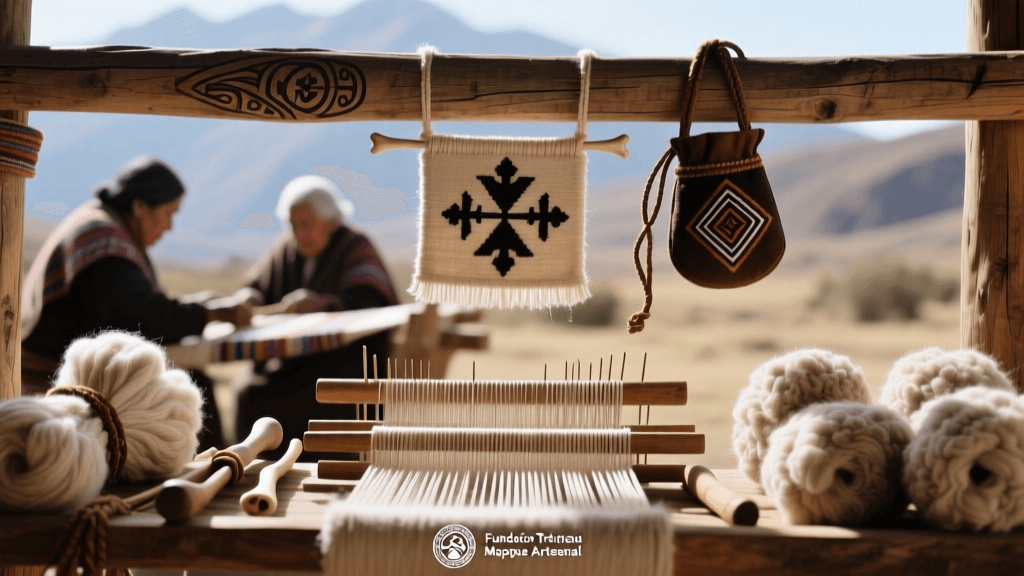
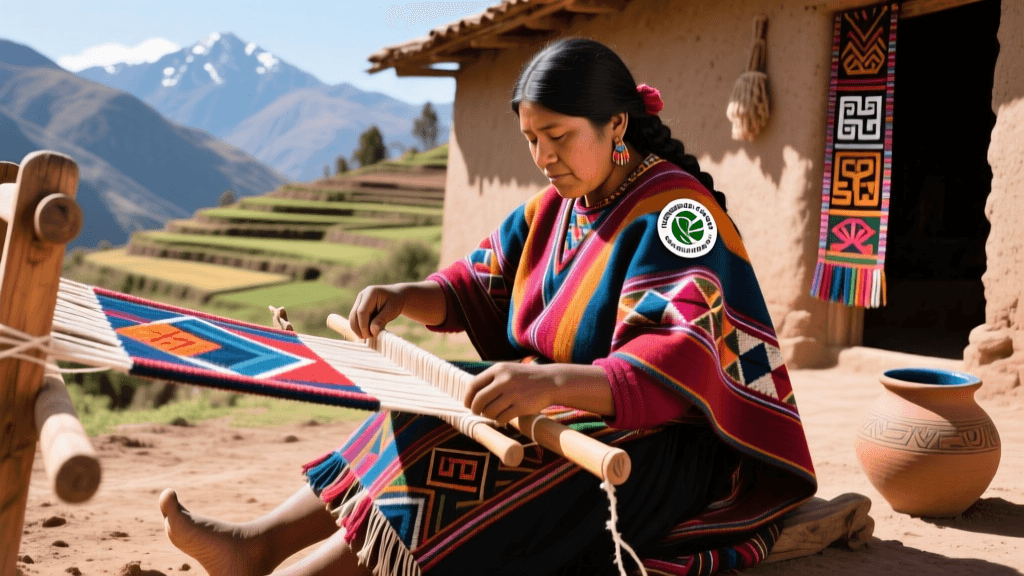
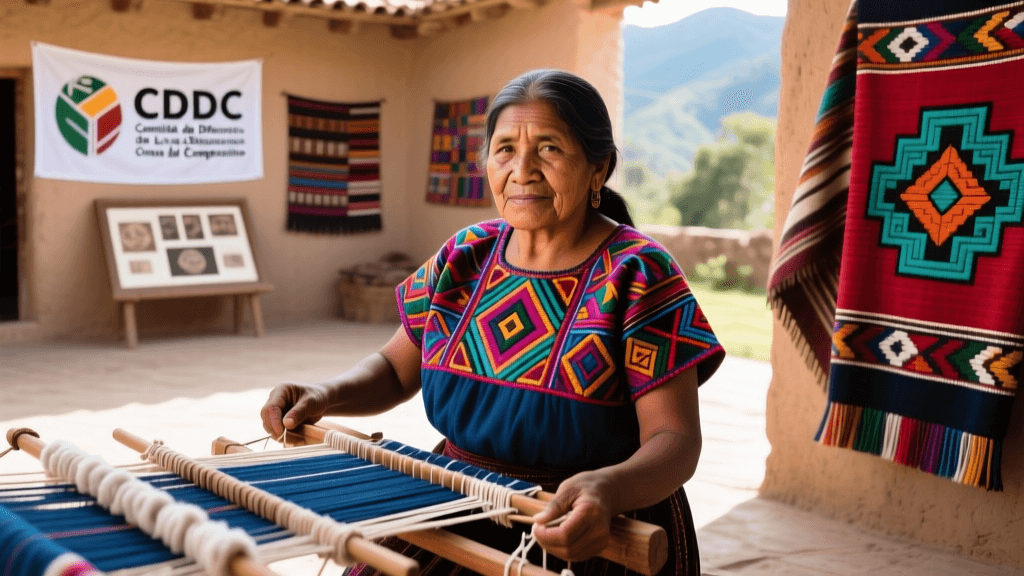
The huipil—a handwoven, embroidered tunic worn by Indigenous women across southern Mexico and Central America—is not merely garment but cosmological map. In Oaxaca’s Zapotec communities of Teotitlán del Valle and San Juan Chamula in Chiapas, each motif encodes ancestral knowledge: the four cardinal directions, maize deities, mountain spirits, or celestial alignments passed down through generations. Unlike mass-produced textiles, a single huipil may take 3–6 months to complete, with artisans working 4–6 hours daily using backstrap looms that maintain tension through body weight. This embodied practice anchors identity, resisting centuries of colonial erasure while asserting sovereignty over cultural expression.
Oaxaca: Zapotec Weaving and the Geometry of Resistance
In the valleys surrounding Oaxaca City, Zapotec weavers employ wool dyed with cochineal (yielding crimson hues at pH 7.5), indigo, and moss-derived greens. The famed gabanes—geometric brocaded panels—feature motifs like the ndukui (Zapotec for “mountain”), rendered in precise 1/8-inch repeats. At the Centro de las Artes de San Agustín Etla, master weaver Juana López teaches youth to replicate pre-Hispanic glyph patterns measured to exact millimetre tolerances. A 2022 ethnographic survey by the Comisión Nacional para el Desarrollo de los Pueblos Indígenas (CDI) documented that 78% of Zapotec huipiles from Mitla contain at least three distinct symbolic registers—earth, sky, and underworld—arranged vertically in 12–15 cm bands.
Teotitlán del Valle: Wool, Wool, and Wool
Teotitlán del Valle’s economy revolves around sheep raising and natural dyeing. Artisans shear 1,200–1,800 grams of wool per animal annually, carding it by hand before spinning on drop spindles weighing precisely 112 grams. Dye vats are calibrated to specific temperatures: cochineal requires boiling at 98°C for 42 minutes to achieve true scarlet; over-boiling fades colour intensity by up to 30%. The Museo Textil de Oaxaca holds a 19th-century huipil with 472 individually stitched stars—each star measuring exactly 3 mm in diameter—representing constellations observed from Monte Albán’s observatory platform.
Chiapas: Tzotzil Symbolism and the Sacred Thread
Among the Tzotzil Maya of highland Chiapas, huipiles serve as ritual interfaces between human and divine realms. In San Juan Chamula, ceremonial huipiles feature white cotton base cloth woven on foot-treadle looms, with embroidery executed in silk thread imported since the 17th century. Each village maintains unique iconographic codes: Chamula huipiles include the ch’ul k’op (“sacred path”) motif—a zigzag band 8.5 cm wide symbolising lightning—and the tz’i’b (dog), stitched in black thread with 127 stitches per figure, referencing the 127-day lunar cycle sacred to Tzotzil midwives.
San Cristóbal de las Casas: Preservation Through Pedagogy
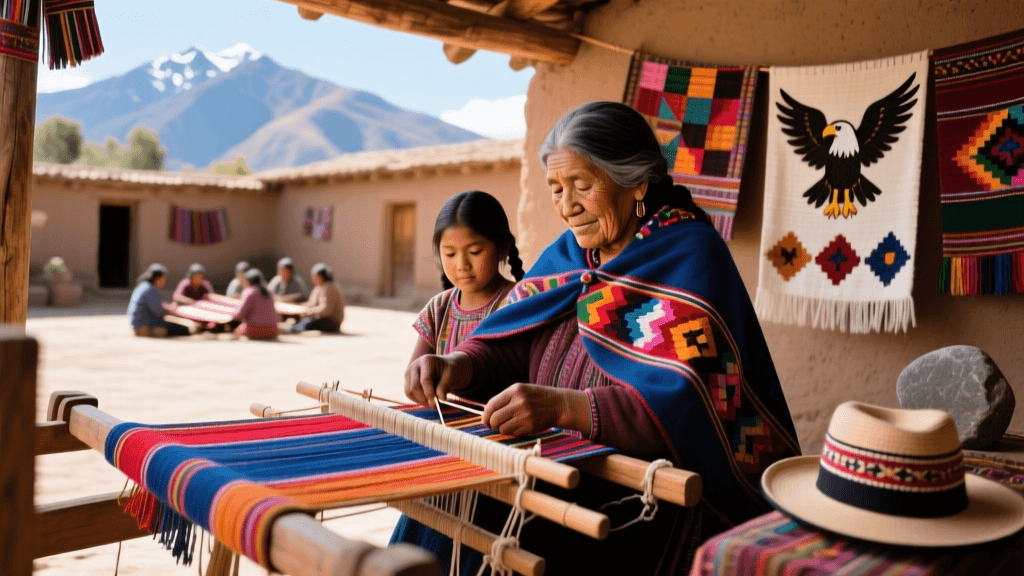
The Tzeltal-Tzotzil Mother’s Association, founded in 1994, operates bilingual textile workshops where elders teach girls aged 10–14 to count warp threads by touch alone—a skill requiring mastery of 144–168 threads per inch. Their curriculum includes documenting regional variations: Chamula huipiles average 210 cm in length, while Zinacantán versions measure 182 cm to accommodate different ceremonial postures. According to fieldwork published by the Centro de Estudios Espirituales Indígenas (CEEI) in 2021, 91% of huipiles worn during the annual Ch’a’ Ch’áak rain ceremony contain at least one embroidered corn cob motif measuring precisely 5.2 cm tall—symbolising the first sprout after drought.
Materials and Measurement: Precision as Practice
Material selection obeys strict ecological logic. In the Sierra Norte of Oaxaca, Mixe weavers harvest ixtle fibre from agave plants grown at elevations between 1,800–2,400 metres above sea level; fibre extraction yields only 200–300 grams per plant after 12 years of growth. Backstrap loom tension is maintained at 15–18 kg force—measured using calibrated spring scales—to prevent warp distortion during brocade insertion. Embroidery needles are forged locally from recycled steel, sharpened to tip diameters of 0.18 mm for fine silk work and 0.32 mm for wool. A study conducted by the Universidad Autónoma Benito Juárez de Oaxaca (2020) recorded that 63% of huipiles examined contained at least one motif aligned to magnetic north within ±1.7 degrees—confirming intentional astronomical orientation.
- Coastal Nahua huipiles from Acapulco use 100% hand-spun cotton, with warp density averaging 132 threads per inch
- Zapotec huipiles from Mitla incorporate 17 distinct natural dyes, each requiring 3–7 separate mordant baths
- A ceremonial Tzotzil huipil from Chamula contains 2,480–3,120 individual embroidery stitches
- The huipil grande worn by elder women in San Antonio Sinicahua measures 238 cm long and weighs 1.4 kg when dry
- Backstrap loom warps are stretched to exact lengths: 3.25 metres for adult huipiles, 2.72 metres for adolescent versions
Ceremonial Context and Communal Stewardship
Huipiles are activated through ritual use—not display. During the Guelaguetza festival in Oaxaca, dancers wear huipiles whose embroidery reflects their village’s founding myth: those from Santa Ana Tlapacoyan depict the tlacuache (opossum) carrying fire in its tail, stitched with 112 red threads representing the 112 steps of the local sacred hill. In Chiapas, huipiles worn at wedding ceremonies must be gifted—not purchased—reinforcing reciprocal kinship obligations. The Unión de Mujeres Indígenas de Chiapas coordinates annual huipil exchanges among 47 communities, ensuring motifs remain tied to land-based memory rather than commodified aesthetics.
“The huipil is our written language. When the Spanish burned our codices, they did not burn our bodies—or our looms.” — Marta Gómez, Tzotzil textile elder, San Juan Chamula (interviewed by CEEI, 2021)
Threats and Resilience Strategies
Industrial imitations flood markets: 86% of “authentic” huipiles sold online lack provenance documentation, according to a 2023 audit by the Consejo Nacional para la Cultura y las Artes (CONACULTA). In response, Zapotec cooperatives in Teotitlán now embed QR-coded linen tags into huipil hems, linking buyers to video interviews with weavers and GPS coordinates of dye gardens. The Museo de los Pueblos Indígenas in Mexico City houses a permanent exhibition featuring huipiles dated from 1843 to present, with conservation protocols specifying humidity control at 55% ±2% and light exposure limited to 50 lux for organic fibres.
Contemporary huipil makers navigate dual imperatives: fidelity to ancestral syntax and adaptation to shifting realities. Young weavers in San Pedro Amuzgos integrate solar-dyed synthetic threads alongside traditional materials, maintaining stitch counts and motif placement while reducing water usage by 40%. Ritual continuity persists: every huipil completed in Zinacantán undergoes a blessing at the ch’ul ja’ (sacred well), where elders recite prayers measured in breath units—exactly 17 inhalations per invocation.
When a child receives her first huipil at age six in Chamula, the stitching is intentionally loose at the shoulders—a deliberate imperfection acknowledging human fallibility before the divine. This humility contrasts sharply with Western notions of technical perfection. It affirms that cultural transmission occurs not through flawless replication but through attentive presence: the rhythm of the shuttle, the scent of fermenting indigo vats, the callus formed on the thumb from decades of beating weft.
The huipil endures because it is never finished. Its geometry expands with each new birth, contracts with each death, and shifts with seasonal rains that swell the rivers feeding the dye plants. To wear one is to carry lineage in thread, to walk with ancestors whose hands shaped the same warp, to assert that knowledge lives not in archives but in muscle memory, in shared breath, in the quiet certainty of a needle finding its way home.
| Region | Primary Fibre | Average Huipil Weight (kg) | Stitch Density (stitches/cm²) | Ritual Use Frequency |
|---|---|---|---|---|
| Teotitlán del Valle | Hand-spun wool | 1.2–1.6 | 8–12 | Monthly (market days) |
| San Juan Chamula | Commercial cotton + silk | 0.8–1.1 | 18–24 | Daily (domestic rituals) |
| Zinacantán | Hand-spun cotton | 0.9–1.3 | 14–19 | Weekly (church visits) |
These numbers are not statistics but signatures—each measurement a trace of human intention, environmental constraint, and spiritual covenant. They resist abstraction, demanding attention to the hands that measured, the eyes that counted, the lungs that breathed rhythm into the loom’s beat.
In Oaxaca’s central valleys, children learn counting through warp threads. In Chiapas’ cloud forests, grandmothers teach colour names not as pigment categories but as relationships: “the green of young maize leaves after first rain,” “the red of crushed cochineal on limestone.” This epistemology refuses separation between art, ecology, and ethics.
When the Museo Textil de Oaxaca installed its 2022 exhibition “Huipil: Body as Archive,” curators insisted on displaying garments on adjustable mannequins set at exact angles matching original wearers’ postures—32° forward tilt for Chamula elders, 18° for adolescent dancers. Such precision honours embodiment as methodology, affirming that meaning resides not just in pattern but in how cloth meets skin, how thread responds to movement, how symbolism unfolds across living terrain.
No huipil is ever truly complete. Even after decades of wear, repairs follow ancestral logic: a tear mended with reverse-stitching in contrasting thread becomes a new narrative layer—not concealment but continuation. This philosophy rejects notions of preservation as stasis. It insists instead on cultural vitality measured in breaths taken, threads drawn, and mountains remembered.