Kimono Kitsuke Mindfulness: Slow Fashion Wellness Rituals 2026
The 2026 Wellness Paradigm: Beyond Digital Detox
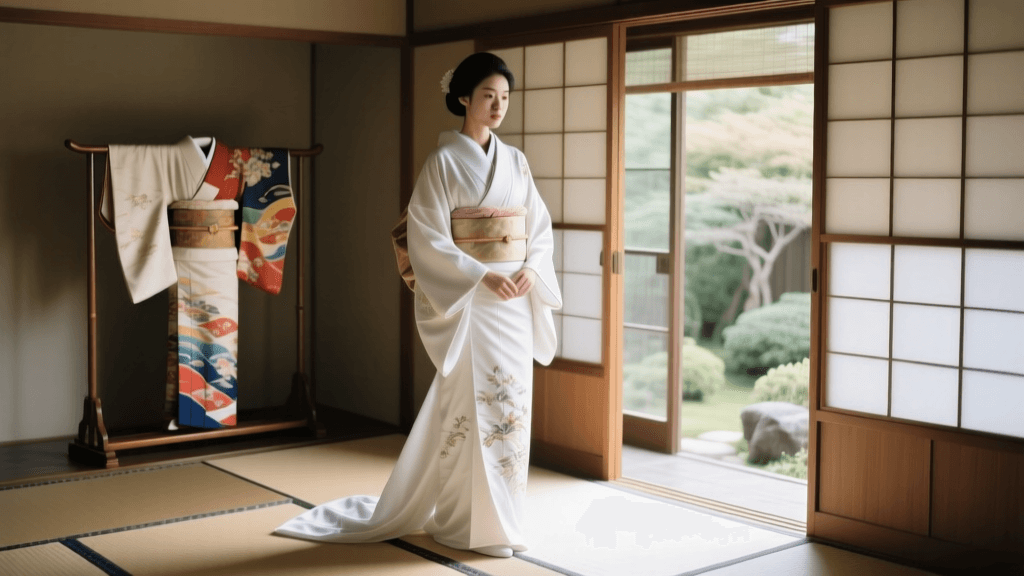
As we navigate the hyper-connected landscape of 2026, the global wellness industry has recognized a profound shift: digital detoxes and screen-time limits are no longer enough. Modern mental health practices are increasingly turning toward tactile, analog, and historically rooted rituals to combat somatic dissociation and burnout. At the intersection of mental wellbeing and sustainable living lies kitsuke—the traditional Japanese art of wearing a kimono. Far from being a mere fashion statement or a relic of the past, kitsuke is emerging in 2026 as a powerful mindfulness practice and a cornerstone of the slow fashion movement. By engaging the body, mind, and senses in a deliberate, unhurried sequence, the act of dressing in traditional Japanese garments offers a profound antidote to the fleeting nature of modern micro-trends.
Enclothed Cognition and the Somatic Experience of Silk
Psychologists have long studied 'enclothed cognition,' a phenomenon describing the systematic influence that clothes have on the wearer's psychological processes. When you put on a garment that requires deliberate posture and movement, your brain shifts its cognitive state to match the physical experience. The kimono, constructed from straight bolts of fabric known as tanmono, does not impose a Western, tailored silhouette onto the body. Instead, it requires the wearer to find their own center of gravity and align their spine.
The sensory experience begins with the hadajuban, the thin cotton undergarment worn directly against the skin. In 2026, wellness practitioners emphasize the importance of natural fibers for nervous system regulation. The breathable, organic cotton grounds the wearer, providing a gentle tactile contrast to the smooth habutai silk of the nagajuban (the secondary under-robe). This layering process forces a deceleration of the morning routine. You cannot rush the folding of a kimono collar; you cannot hastily tie a koshihimo (tying cord) without disrupting the garment's drape. This physical necessity for slowness naturally induces a meditative state, lowering the heart rate and encouraging deep, diaphragmatic breathing.
The Architecture of Mindfulness: Step-by-Step Kitsuke
To transform your morning dressing routine into a mindfulness ritual, you must approach each layer with intentionality. According to research published by the American Psychological Association, mindfulness practices that incorporate physical movement and focused attention significantly reduce cortisol levels and improve emotional regulation. Here is how the anatomy of kitsuke serves as a moving meditation:
- Grounding (The Hadajuban): Begin by feeling the texture of the cotton against your skin. Take three deep breaths, acknowledging the boundary between your body and the outside world. This layer represents your foundational self.
- Alignment (The Nagajuban and Kimono): As you slip your arms through the sleeves, focus on the ma (negative space) between your body and the fabric. The kimono is designed to create a cylindrical, elegant shape that hides the body's contours while highlighting the wearer's posture. Align your pelvis, roll your shoulders back, and find your physical center.
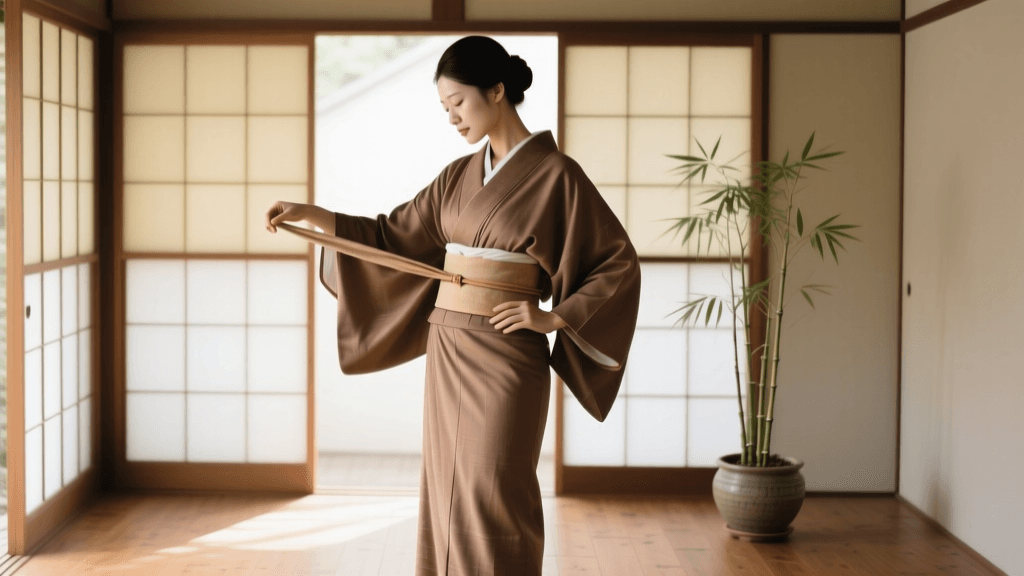
- Core Engagement (The Koshihimo): Tying the first cotton cord at the waist requires a specific technique. You must exhale sharply as you pull the cord tight, engaging your deep core muscles. This physical exertion acts as a somatic release, expelling stagnant energy and tension from the torso.
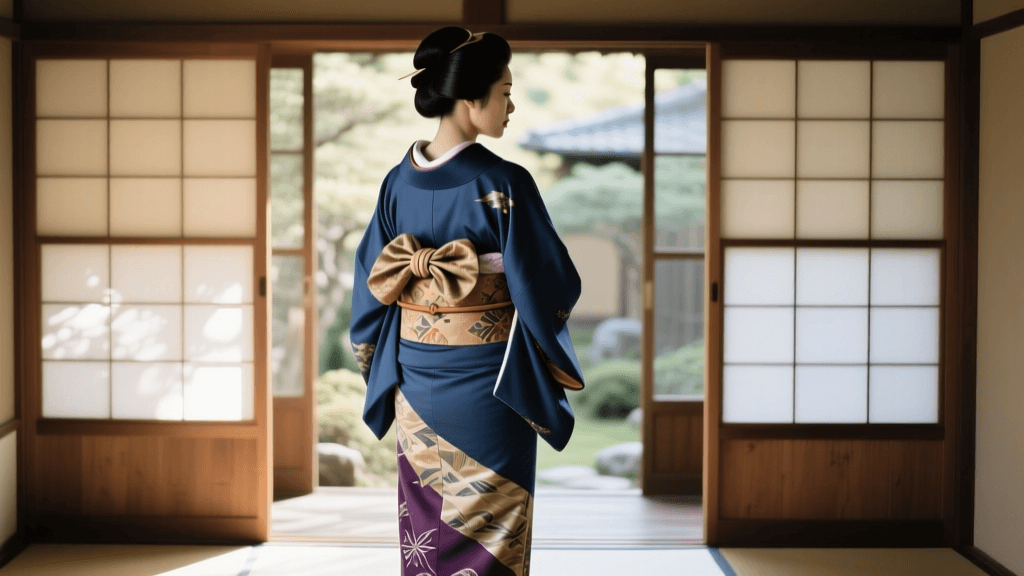
- Focus and Completion (The Obi): The obi is typically 30 centimeters wide and over 4 meters long. Wrapping and folding this heavy, often intricately woven silk brocade demands absolute presence. The repetitive folding and precise tucking of the otaiko (the decorative knot at the back) serves as a focal point, much like a mandala in traditional seated meditation.
Comparing Modern Dressing to Mindful Kitsuke
To understand the physiological and psychological impact of this practice, consider the contrast between a standard 2026 morning routine and a dedicated kitsuke session.
| Metric | Standard Modern Dressing | Mindful Kitsuke Ritual |
|---|---|---|
| Time Allocation | 5–10 minutes (rushed, multitasking) | 45–60 minutes (dedicated, single-tasking) |
| Cognitive State | High beta waves (stress, planning the day) | Alpha waves (relaxed alertness, flow state) |
| Physical Posture | Slouched, accommodating stretch fabrics | Erect spine, engaged core, grounded stance |
| Sensory Input | Synthetic blends, elastic tension, friction | Natural silk/cotton, smooth drape, weighted obi |
| Emotional Outcome | Readiness for external demands | Internal centeredness, emotional resilience |
Slow Fashion: The Sustainable Antidote to Hyper-Trends
The mindfulness of kitsuke extends beyond the physical act of dressing; it encompasses the entire lifecycle of the garment. In 2026, the environmental toll of fast fashion is undeniable. The Ellen MacArthur Foundation continues to highlight the urgent need for a circular fashion economy, emphasizing the importance of garment longevity, emotional durability, and textile recycling. The traditional kimono is the ultimate embodiment of slow fashion.
Unlike Western garments that are cut and sewn into permanent, size-specific shapes, a kimono is constructed from straight panels. This means it can be entirely deconstructed, washed, re-dyed, and sewn back together to fit a different body or to remove stains. A single high-quality silk kimono can easily span four or five generations. By choosing to participate in kitsuke, you are opting out of the 2026 cycle of seasonal micro-trends and disposable clothing. You are engaging with a garment that holds history, artisanal craftsmanship, and a zero-waste design philosophy.
Curating a Mindful, Sustainable Wardrobe
Building a kitsuke wardrobe for wellness does not require purchasing expensive, brand-new silk garments. In fact, the slow fashion ethos heavily favors the secondhand and vintage market. In Japan, recycle shops and vintage kimono markets in Tokyo and Kyoto offer thousands of pre-loved garments. Globally, online curators specialize in exporting vintage kimono, making this practice accessible worldwide.
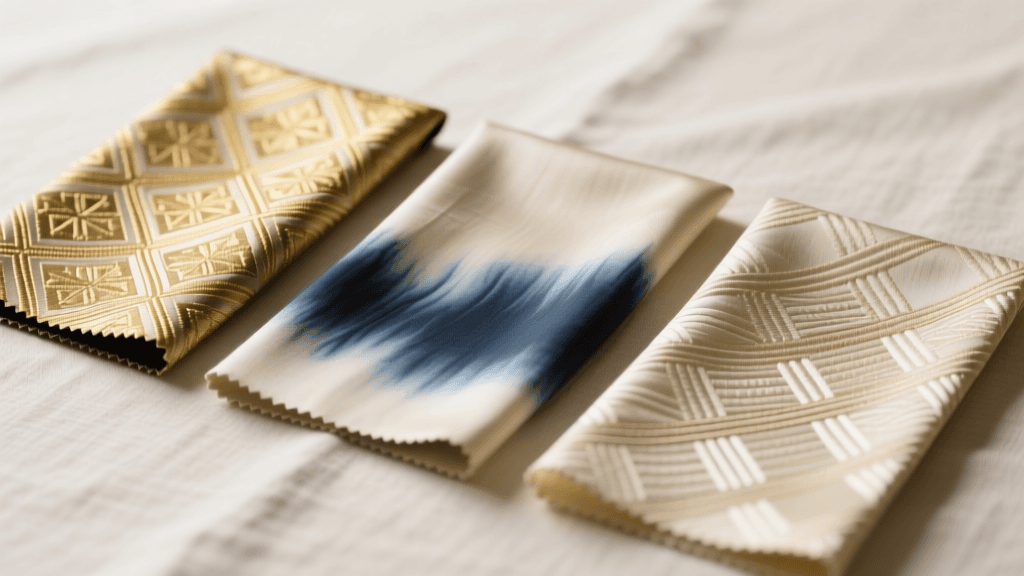
When sourcing your mindful wardrobe, look for Omeshi crepe silk. The slightly textured, ribbed surface of Omoshi provides excellent tactile feedback, which is highly beneficial for sensory grounding exercises. Furthermore, the matte finish and subtle drape of vintage Omoshi make it incredibly forgiving for beginners learning to fold and tie. Expect to invest between $80 and $150 USD for a high-quality, vintage Omoshi kimono in excellent condition, and around $40 for a matching vintage silk obi. This one-time investment yields a lifetime of meditative practice, entirely bypassing the recurring financial and environmental costs of modern apparel consumption.
The Ritual of Care: Maintenance as Meditation
The wellness benefits of the kimono do not end when you take it off. The traditional care and maintenance of these garments offer secondary mindfulness practices. After wearing a kimono, it must be hung on a specialized wide hanger called an emono-kake to air out. This act of 'resting' the garment is a beautiful metaphor for resting oneself.
Spot-cleaning silk with a specialized brush, carefully folding the garment along its original seams using the hondatami method, and storing it in acid-free tatou-shi paper are all deliberate, quiet actions. These maintenance rituals teach patience, respect for materials, and an appreciation for the passage of time—core tenets of the Japanese aesthetic philosophy of wabi-sabi, which finds beauty in imperfection and transience. According to Harvard Health, integrating mindfulness into daily, mundane tasks is one of the most effective ways to sustain a long-term mental health practice, as it removes the barrier of needing to 'find extra time' to meditate.
Embracing the Slow Path in 2026
As we move deeper into 2026, the desire for authenticity, sustainability, and mental clarity will only continue to grow. The art of kitsuke offers a rare sanctuary where fashion, environmental stewardship, and psychological wellbeing seamlessly converge. By wrapping yourself in the straight, unyielding lines of the kimono, you are not restricting your body; you are providing it with a supportive architecture for mindfulness. You are choosing to slow down, to honor the hands that wove the silk decades ago, and to anchor your mind in the present moment. In a world that constantly demands we move faster, the kimono gently, but firmly, asks us to pause, breathe, and simply be.