Mastering Koromogae: Seasonal Kimono Layering Guide
The Art of Koromogae: Aligning Wardrobes with Nature
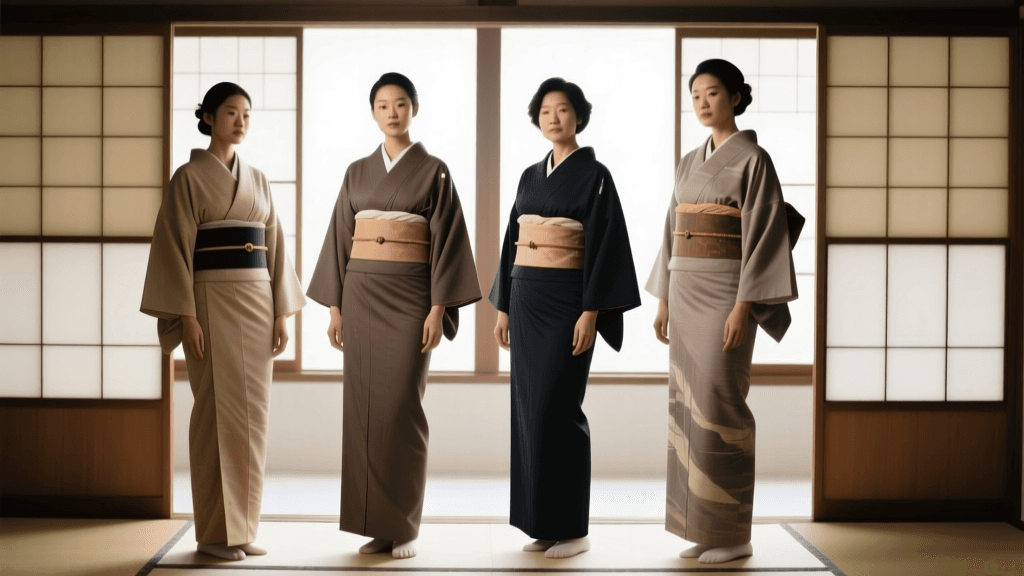
In the intricate world of Japanese traditional dress, the concept of koromogae (衣替え) is paramount. Translating literally to 'changing clothes,' koromogae is the centuries-old practice of transitioning one's wardrobe to reflect the shifting seasons. Originating in the Heian period (794–1185) court, where aristocrats changed their layered robes on the first day of the fourth and tenth lunar months, this tradition remains a strict guideline for modern kimono wearers. Understanding seasonal wear is not merely about aesthetics; it is a masterclass in climate control, textile preservation, and dressing techniques that ensure comfort year-round.
This alignment with nature is deeply tied to the Japanese aesthetic concept of shun (旬), which dictates that ingredients, art, and clothing should reflect the exact, fleeting moment of the season. Wearing a garment out of season is not merely a fashion faux pas; it disrupts the harmony between the wearer and their environment. According to the Victoria and Albert Museum's Asian Kimono Collection, the seasonal sensitivity of Japanese textiles is unmatched globally, with specific weaves, motifs, and linings designated for precise weeks of the year. This guide breaks down the actionable techniques, measurements, and layering strategies required to master seasonal kimono dressing.
The Kimono Seasonal Calendar
Unlike Western fashion, which often blurs seasonal lines, traditional kimono dressing adheres to a rigid calendar. The transitions are dictated by both temperature and humidity, requiring specific garment types and undergarments.
| Season | Months | Outer Kimono Type | Undergarment (Nagajuban) | Collar Style |
|---|---|---|---|---|
| Spring | March – May | Awase (Lined) | Lined Silk/Cotton | Standard Padded |
| Early Summer | June | Hitoe (Unlined) | Unlined Cotton/Ro | Standard/Stiff |
| Peak Summer | July – August | Usu-mono (Ro/Sha) | Sacrin or Ro-weave | Stiff (Eri-shin) |
| Autumn | September | Hitoe (Unlined) | Unlined Cotton/Ro | Standard/Stiff |
| Late Autumn/Winter | October – February | Awase (Lined) | Lined Silk/Thermal | Padded (Han-eri) |
Spring Dressing: The Awase to Hitoe Transition
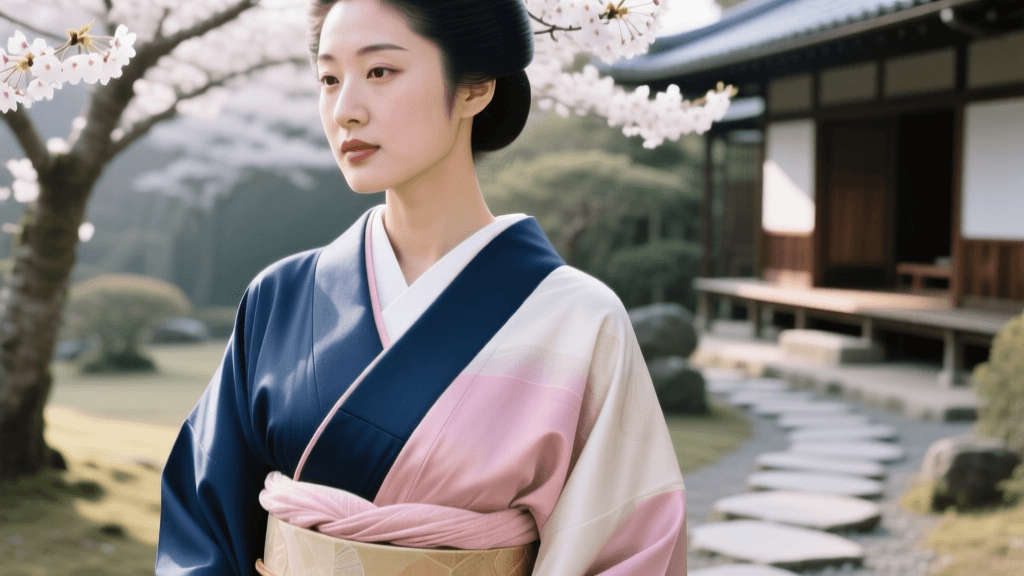
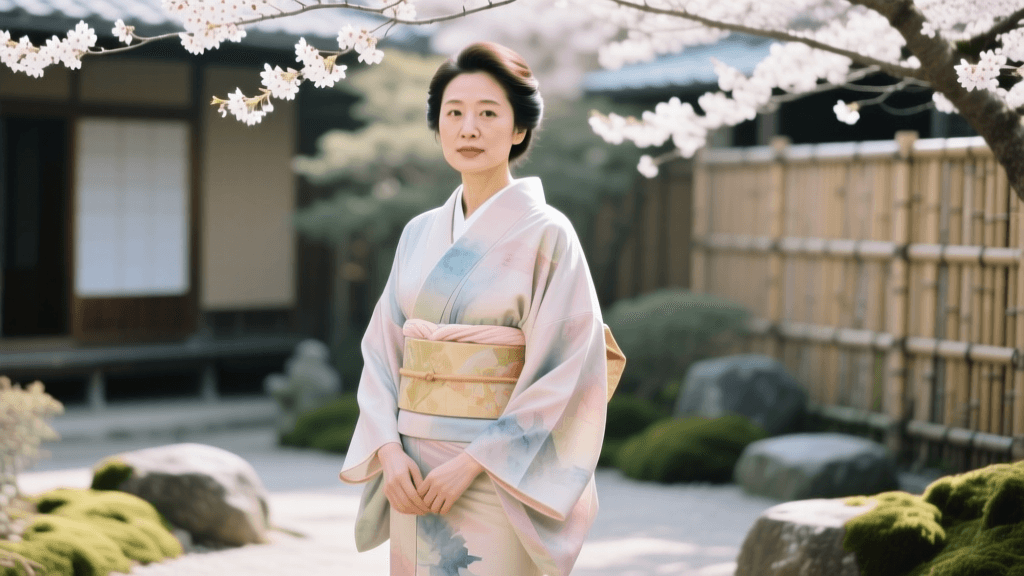
Spring in Japan brings fluctuating temperatures, requiring the awase (lined kimono). An awase features a distinct inner lining, usually made of lightweight silk or modern synthetic blends like Toray Silk Touch. When dressing in an awase, the primary challenge is managing the bulk at the waist. Spring motifs are also strictly regulated. Cherry blossoms (sakura) are worn only in late March to early April, before they fully bloom in reality, as wearing them after they fall is considered bad luck. Wisteria (fuji) takes over in late April through May.
Actionable Spring Techniques
- Obi Placement: Tie the koshi-himo (waist sash, typically 130cm long) slightly higher than in summer to secure the heavier fabric. Use a cotton koshi-himo rather than silk to prevent slipping.
- Collar Management: Use a padded han-eri (decorative collar cover) to add structure. The collar should sit flush against the neck, leaving about two fingers' width of space at the nape.
- Cost & Sourcing: Vintage awase kimonos are highly accessible. Expect to pay between $60 and $150 for a high-quality, mid-century silk awase from reputable online exporters.
As late May approaches, the humidity rises. Dressers must transition to the hitoe (unlined kimono). The hitoe lacks the inner lining, making it lighter and more breathable. The Metropolitan Museum of Art's Heilbrunn Timeline of Art History notes that the structural integrity of unlined garments relies heavily on the quality of the silk weave and the precision of the internal stitching, as there is no lining to hide imperfections.
Summer Cooling: Ro, Sha, and Airflow Techniques
Summer dressing is the ultimate test of a kimono wearer's endurance and skill. The garments shift to usu-mono (sheer fabrics), specifically ro (gauze weave with distinct crosswise ribs) and sha (loose leno weave). Wearing sheer silk requires meticulous undergarment selection, as the nagajuban will be visible through the outer layers.
Beating the Humidity: Practical Adjustments
- The 'Yohyu' (Ease) Technique: When pulling the back collar down, leave a generous gap—about three to four fingers' width between the collar and your neck. This creates a chimney effect, allowing body heat to escape upward.
- Undergarment Selection: Discard traditional silk nagajuban in July and August. Opt for a modern hadajuban (undershirt) and susoyoke (half-slip) made from moisture-wicking synthetic blends or specialized cooling fabrics like 'Contact Cold' textiles, which cost around $40 for a set.
- Summer Obi Selection: For summer obi, practitioners favor fukuro obi made from lightweight silk gauze or unlined nagoya obi. The nagoya obi, pre-folded and stitched for ease of tying, is particularly popular for summer as it reduces the bulk and heat trapped around the lower back. A high-quality vintage summer nagoya obi featuring cooling motifs like flowing water (ryusui) or bamboo grass (sasa) typically costs between $40 and $90.
- Sash Selection: Avoid wide, synthetic datejime (under-obi belts). Instead, use a narrow, 5cm wide linen or cotton datejime to minimize sweat accumulation around the torso.
'The beauty of summer kimono lies not just in the cooling motifs of rivers and fans, but in the physical architecture of the dress, which is engineered to trap cool air and vent heat.' — Traditional Dressing Master
It is crucial to distinguish formal summer silk from the yukata. While yukata are unlined cotton garments worn directly over basic undergarments for casual summer festivals, they lack the layered elegance of formal ro or sha ensembles and are strictly reserved for informal occasions.
Autumn and Winter: Strategic Layering for Warmth
On October 1st, the official return to awase occurs. As winter sets in, the focus shifts from breathability to insulation without sacrificing the kimono's strict cylindrical silhouette.
Winter Layering Arsenal
- Hiyoku (Under-Kimono): For formal winter events, a hiyoku is worn. This is a partial under-kimono attached only at the hem, sleeves, and collar, creating the illusion of multiple layers without the suffocating bulk of wearing two full kimonos.
- Thermal Integration: Modern dressers frequently integrate contemporary thermal wear. A fitted, deep-V neck heat-tech top worn beneath a traditional cotton hadajuban provides core warmth. Ensure the V-neck is deep enough (at least 15cm drop) so it remains hidden beneath the kimono collar.
- Winter Obi & Footwear: Winter also demands heavier obi, such as fully lined brocade fukuro obi featuring auspicious motifs like pine, bamboo, and plum (shochikubai). The weight of a winter brocade obi can exceed 600 grams, requiring a sturdier datejime and precise tensioning during the otaiko (drum bow) tying process. Furthermore, winter footwear shifts to zori sandals with thick, insulated soles and velvet or brocade covers, paired with tabi socks that may feature an inner fleece lining for outdoor transit.
- Outerwear (Haori and Michiyuki): The haori (hip-length jacket) is essential for outdoor winter wear. When tying the haori-himo (jacket cord), ensure it rests comfortably over the obi without pulling the jacket taut, which would distort the kimono's drape. For severe cold, a michiyuki (three-quarter length coat) with a square neckline is worn over the entire ensemble.
Essential Dressing Accessories for Climate Control
Mastering seasonal transitions requires a well-curated toolkit. Below is a structured list of essential accessories and their seasonal applications:
| Accessory | Standard Measurement | Summer Application | Winter Application |
|---|---|---|---|
| Koshi-himo (Tying Sash) | 130cm x 5cm | Use breathable cotton; tie loosely. | Use silk or wool blends for grip on thick fabrics. |
| Datejime (Under-Obi Belt) | 10cm x 130cm | Switch to narrow linen or mesh. | Use padded or wide silk for obi stability. |
| Eri-shin (Collar Stiffener) | 15cm x 90cm | Plastic mesh for maximum airflow. | Thick cotton or padded foam for structure. |
| Obi-ita (Obi Board) | 20cm x 12cm | Perforated plastic to prevent sweat. | Solid felt-lined board for heavy brocade obi. |
Conclusion
The discipline of koromogae elevates kimono dressing from a mere sartorial choice to a profound engagement with the natural world. By understanding the precise timing of seasonal shifts, selecting the appropriate weaves like ro and sha, and employing strategic dressing techniques to manage airflow and insulation, practitioners honor the deep-rooted traditions of Japanese textile arts. Whether you are sourcing a vintage awase or mastering the chimney-collar technique for a humid August tea ceremony, respecting the seasonal calendar ensures both physical comfort and cultural authenticity.
For further study on historical textile structures, the Smithsonian National Museum of Asian Art offers extensive archives on the evolution of Japanese weaving techniques and seasonal court garments, providing invaluable context for modern practitioners.