Mastering Kimono Seasonality: Layering and Fabric Guide
Introduction to Kimono Seasonality
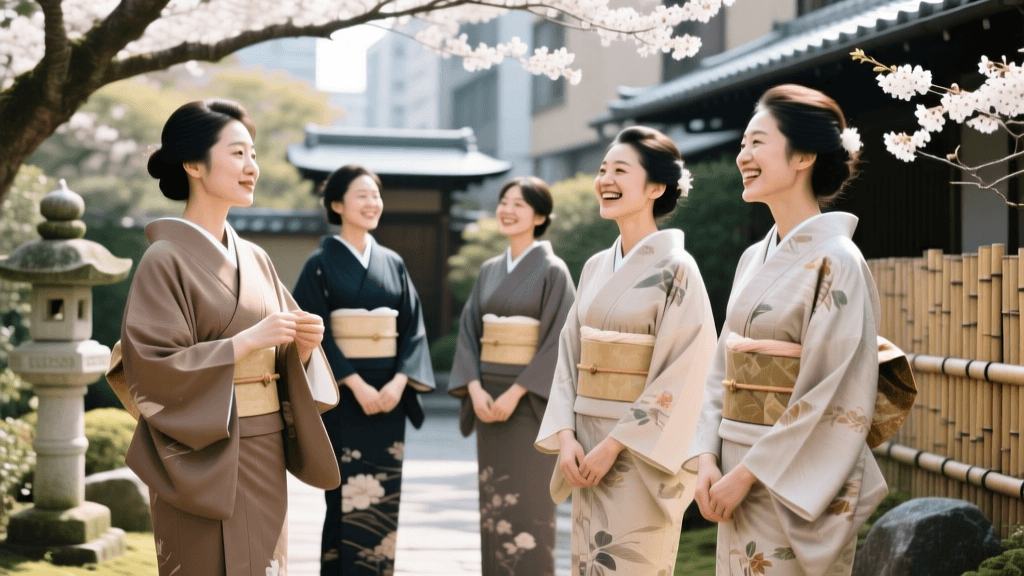
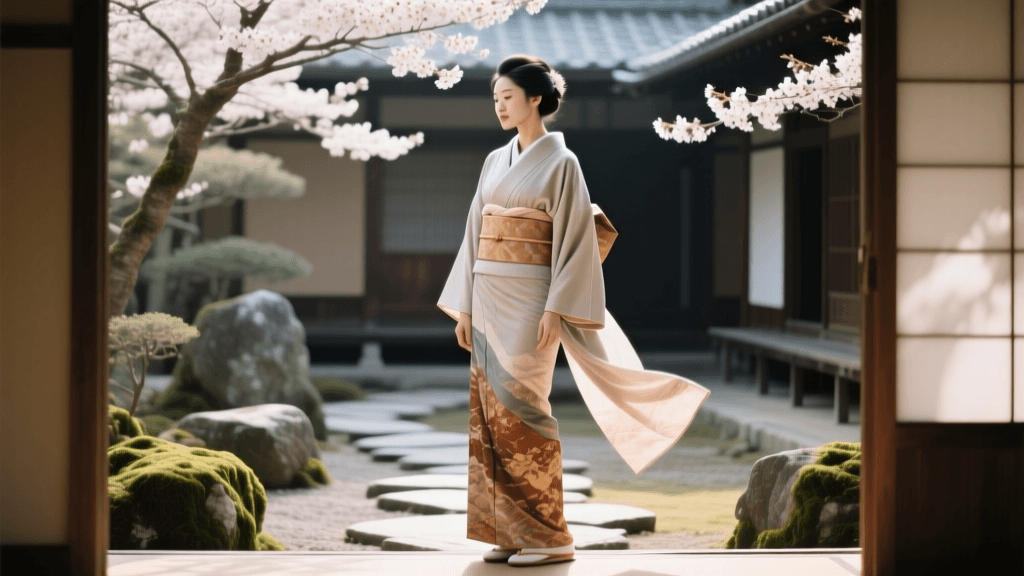
Japanese culture is deeply intertwined with the changing of the seasons, a concept known as shun (seasonality). In the realm of traditional garments, this translates to shiki-kan—the acute awareness and appreciation of the seasons expressed through clothing. Wearing a kimono is not merely about putting on a beautiful silk garment; it is an exercise in synchronizing with nature's micro-seasons. According to the Victoria and Albert Museum, the kimono has historically served as a canvas for seasonal expression, dictating not only the motifs worn but the very structure, weight, and weave of the fabric itself.
For modern practitioners and enthusiasts of Japanese traditional dress (kitsuke), understanding seasonal wear and dressing techniques is essential. It ensures both cultural respect and physical comfort. This guide explores the strict seasonal calendar of kimono fabrics, the art of layering (kasane), and actionable dressing techniques to regulate body temperature throughout Japan's four distinct seasons.
The Three Main Kimono Fabric Categories
The foundation of seasonal kimono dressing relies on three primary garment classifications based on lining and weave opacity. Traditionally, the transition dates between these categories are strictly observed, though modern wearers often adapt them to actual weather conditions.
1. Awase (Lined Kimono)
Worn from October 1st to May 31st, the awase kimono features an outer layer of silk (often crepe or chirimen) fully lined with a separate layer of plain silk. This lining provides insulation during the colder autumn, winter, and early spring months. The lining also adds weight, allowing the garment to drape elegantly over the winter undergarments.
2. Hitoe (Unlined Kimono)
Worn during the transitional months of June and September, the hitoe is made from a single layer of opaque fabric. It lacks the inner silk lining of the awase, making it significantly lighter and cooler. Hitoe garments are often made from tightly woven silk, linen, or high-quality cotton, providing modesty without the trapped heat of a lined garment.
3. Usumono (Sheer Summer Kimono)
Reserved for the peak heat and humidity of July and August, usumono translates to 'thin things.' These kimonos are woven using specialized leno or gauze weaves known as ro and sha. The fabric is semi-transparent, requiring careful selection of undergarments, as the nagajuban (under-robe) will be visible through the weave.
Seasonal Fabric and Layering Matrix
| Season / Months | Outer Kimono | Nagajuban (Under-Robe) | Han-eri (Collar) | Footwear |
|---|---|---|---|---|
| Winter (Dec-Feb) | Awase (Heavy Crepe) | Padded or Flannel-lined | Velvet or Embroidered Silk | Padded Zori with Tabi |
| Spring (Mar-May) | Awase (Standard Silk) | Standard Silk or Cotton | Chirimen (Crepe) Silk | Standard Zori with Tabi |
| Early Summer (Jun) | Hitoe (Unlined Opaque) | Unlined Cotton or Hemp | Linen or Light Cotton | Bamboo-weave Zori |
| Peak Summer (Jul-Aug) | Usumono (Ro/Sha Sheer) | Ro/Sha Silk or Hemp | Ro/Sha Sheer Silk | Barefoot in Geta or Bamboo Zori |
| Early Autumn (Sep) | Hitoe (Unlined Opaque) | Unlined Cotton or Silk | Chirimen (Crepe) Silk | Standard Zori with Tabi |
The Art of Kasane: Layering Techniques
Historically, Heian-period courtiers practiced kasane no irome (layered color combinations), wearing up to twelve unlined robes (juni-hitoe) with carefully staggered sleeves and hems to create seasonal color palettes. Today, modern layering is far more practical but remains vital for seasonal expression.
Rather than purchasing a different outer kimono for every micro-season, experienced dressers invest in high-quality, versatile outer garments and manipulate the layers beneath. The nagajuban (under-robe) and the han-eri (removable collar attached to the under-robe) are the primary tools for this.
- The Han-eri Swap: The han-eri is the only part of the undergarment visible at the neckline. Swapping a heavy, embroidered velvet collar in January for a sheer, floral-patterned ro collar in July instantly updates a neutral kimono for the season. A high-quality han-eri costs between ¥1,500 and ¥10,000 ($10–$70 USD), making it a highly accessible seasonal update.
- The Nagajuban Transition: In winter, a padded or flannel-lined nagajuban traps body heat. By mid-June, this is swapped for a breathable hemp or ro silk nagajuban (costing roughly ¥30,000 or $200 USD new) that wicks moisture and allows air to pass through sheer outer garments.
Practical Dressing Techniques for Temperature Control
Traditional Japanese dressing (kitsuke) involves specific physical techniques to manage Japan's extreme summer humidity and biting winter winds. The Metropolitan Museum of Art notes that the structural flexibility of the kimono allows it to be adapted to the wearer's environment through the art of folding and tying.
Summer Cooling Techniques
- Eri-nuki (Collar Gap): When dressing in July and August, pull the back of the collar down to leave a 3 to 4 cm gap between the fabric and the nape of the neck. This exposes a highly vascular area of the body to the air, significantly cooling the wearer.
- The Chimney Effect: Tie the date-jime (the thin under-belts used to secure the kimono) slightly looser than in winter. This creates a subtle 'chimney effect,' allowing cool air to enter from the hem and warm air to escape through the neck opening.
- Koshi-maki (Half-Slip): To protect expensive sheer silk from sweat, wear a koshi-maki—a wrap-around skirt tied at the waist. Modern versions are made of moisture-wicking bamboo fibers or cool-tech synthetics.
- Kohrin Patches: A modern, highly practical hack is applying a kohrin (cooling gel patch) to the lower back or inner thighs before beginning the dressing process.
Winter Warming Techniques
- Tight Collar and Ohashori: In winter, pull the collar snug against the nape of the neck to trap heat. Fold the ohashori (the waist fold) tightly and neatly to prevent cold drafts from entering the torso.
- Hada-juban Layering: Wear a thermal, V-necked hada-juban (undershirt) beneath the nagajuban. The deep V-neck ensures the thermal layer remains hidden beneath the kimono collar.
- Haori-juban: For outdoor wear, add a haori-juban—a padded, sleeveless vest worn beneath the outer haori jacket. This provides core warmth without adding bulk to the sleeves, which would disrupt the kimono's silhouette.
Seasonal Motifs and the Rule of Anticipation
Beyond fabric weight, the visual motifs on the kimono and obi (sash) must reflect the season. However, Japanese aesthetics strictly follow the 'Rule of Anticipation.' One must wear a seasonal motif before it reaches its peak in nature, never during its decline.
"To wear cherry blossoms when they are already falling from the trees is considered a sartorial failure. One must wear the buds in late March to invite the spring, and retire the motif the moment the petals touch the ground."
For example, maple leaves (momiji) are worn in late October to anticipate the autumn foliage turning red, but wearing them in December when the trees are bare is considered inappropriate. The Kyoto Museum of Traditional Crafts highlights that this anticipation reflects a cultural reverence for nature's fleeting beauty (mono no aware) and the human desire to harmonize with the impending season rather than merely reacting to it.
Conclusion
Mastering kimono seasonality is a rewarding pursuit that blends historical reverence with practical ingenuity. By understanding the transitions between awase, hitoe, and usumono, utilizing the han-eri for micro-seasonal updates, and applying physical dressing techniques for temperature control, wearers can enjoy traditional Japanese garments comfortably year-round. Whether braving the winter winds in a lined silk crepe or navigating the humid summer festivals in sheer ro gauze, the kimono remains a living, breathing testament to the rhythm of the natural world.