Dressing for Discipline: Martial Arts and Tea Ceremony Garments
The Philosophy of Form: Function Meets Tradition
Japanese traditional arts are deeply rooted in the concept of kata (form), where physical movement, mental discipline, and sartorial presentation are inextricably linked. Whether stepping onto the wooden floor of a dojo for martial arts (Budo) or kneeling on the tatami mats of a tea room for the Tea Ceremony (Chado), the garments worn are not mere costumes. They are highly engineered textiles designed to facilitate specific movements, convey respect, and reflect the practitioner's rank and aesthetic sensibility. Understanding the nuances of these traditional uniforms is essential for anyone serious about these cultural practices.
Martial Arts Uniforms: Keikogi and Hakama
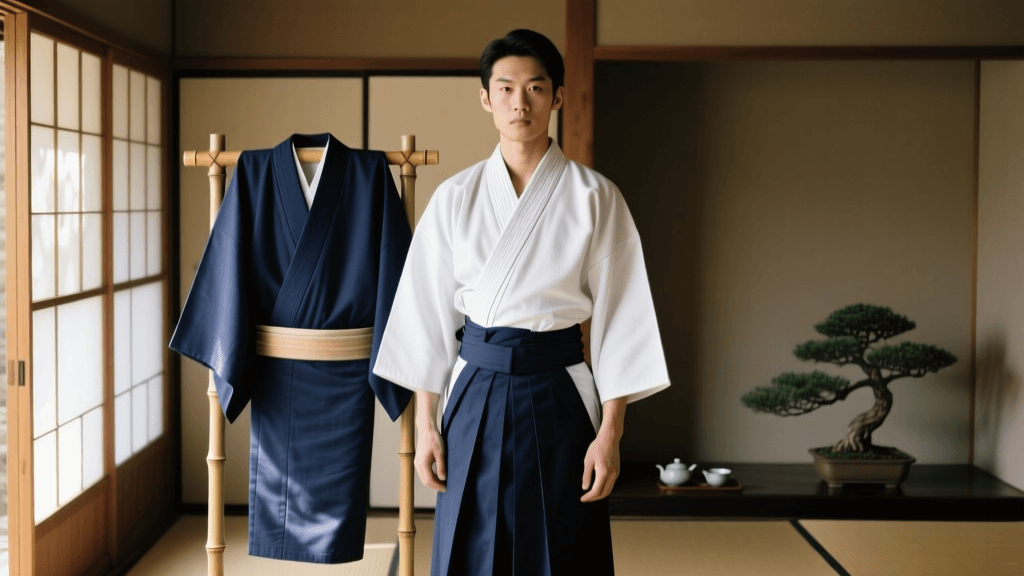
In disciplines like Kendo, Aikido, and Iaido, the standard uniform consists of the keikogi (training jacket) and hakama (pleated trousers). The All Japan Kendo Federation emphasizes that proper attire is foundational to the respect and safety inherent in martial arts practice.
Fabric Weights and Weaves
The keikogi is subjected to immense physical stress, requiring specialized weaving techniques. The two most common weaves are Sashiko (rice-grain stitch) and Hishizashi (diamond stitch). Sashiko provides a thicker, more impact-resistant fabric, ideal for Kendo practitioners who wear heavy armor (bogu) over their jackets. Hishizashi is lighter and more flexible, preferred by Aikido practitioners who require a full range of motion for joint locks and throws.
When selecting a keikogi, practitioners must choose between bleached white cotton and traditional indigo-dyed (aizome) cotton. Indigo dye is not just aesthetic; it possesses natural antibacterial properties and helps mask sweat stains, though it requires careful washing to prevent bleeding onto other garments. Expect to pay between $80 and $150 for a high-quality, mid-weight cotton keikogi, while premium handmade indigo versions can exceed $300.
The Hakama: Pleats and Practicality
The hakama features five front pleats and two back pleats, symbolizing the five Confucian virtues and the dual paths of literary and martial arts. For daily practice, modern practitioners often opt for Tetron hakama. Tetron is a proprietary blend of polyester and rayon that resists wrinkling, holds its pleats perfectly without ironing, and costs between $60 and $120. However, for formal demonstrations or high-ranking gradings, a heavy cotton or silk hakama is required.
Sizing and Measurement: Hakama sizes typically range from 22 to 30. To measure correctly, tie a string around your navel (where the hakama sits) and measure down to 1-2 centimeters above the ankle bone. A hakama that drags on the floor is a tripping hazard, while one that is too short looks unrefined and restricts deep stances.
The Tea Ceremony (Chado): Elegance in Restraint
While martial arts garments prioritize durability and mobility, the garments worn for the Tea Ceremony prioritize elegance, subtlety, and harmony with the season. As detailed by the Metropolitan Museum of Art, the kimono is a masterclass in textile engineering, where the fabric itself communicates the wearer's awareness of nature and social context.
Kimono and Obi Selection for Practitioners
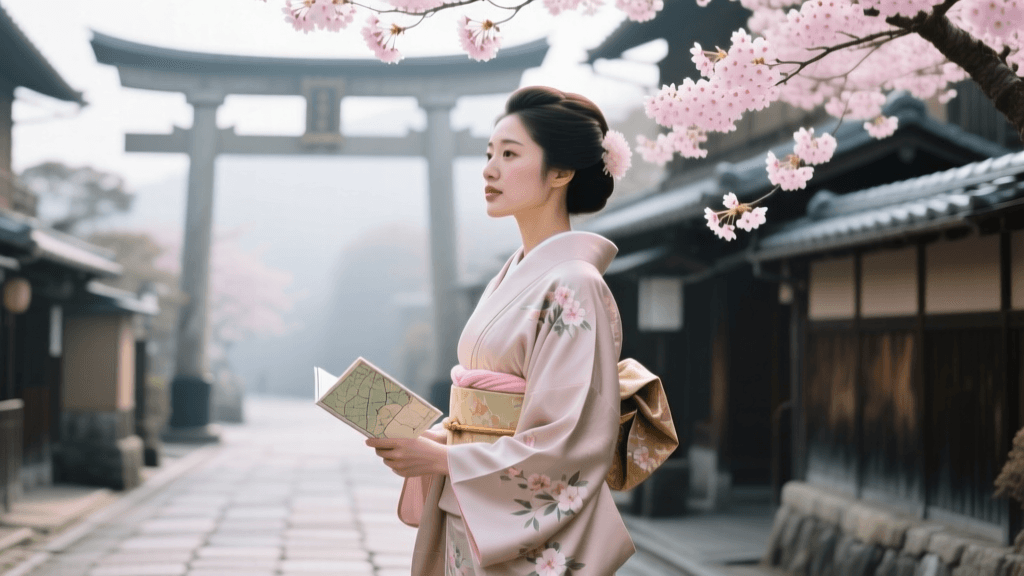
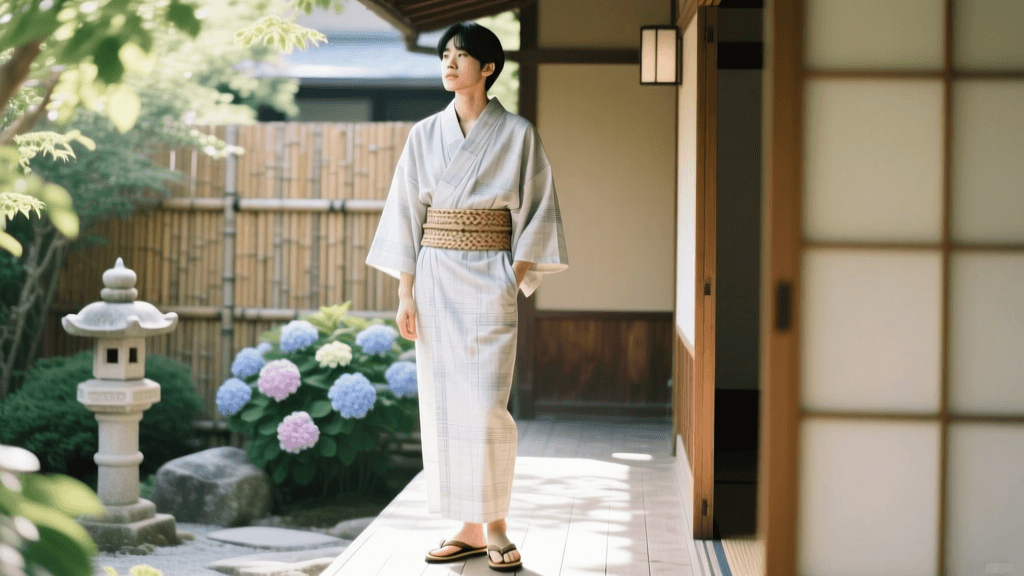
Tea ceremony practitioners avoid flashy, highly formal garments like the furisodemaru obi. Instead, the aesthetic of wabi-sabi (rustic simplicity) dictates the wardrobe. For regular practice, women typically wear Komon (kimono with small, repeating patterns) or Tsumugi (woven silk or linen with a textured, matte finish). Men often wear subdued Omeshi silk or high-quality linen kimono in charcoal, navy, or muted earth tones.
The obi (sash) must also be practical. Women generally wear a Nagoya-obi, which is pre-folded and stitched at one end to make tying the Taiko musubi (drum knot) easier and less bulky when sitting in the seiza (kneeling) position. A standard Nagoya-obi is approximately 30 centimeters wide and 360 centimeters long. Men wear a Kaku-obi, a stiff, narrow sash tied in a simple knot at the back.
Tabi and Zori: Footwear Etiquette
Footwear in the tea room is strictly regulated to protect the delicate tatami mats. Practitioners wear white cotton tabi (split-toe socks). The tabi must be pristine; any discoloration or fraying is considered highly disrespectful to the host and guests. When walking in the garden or stepping into the anteroom, practitioners wear zori (sandals) with tatami-omote (woven rush) soles. Rubber or leather soles are strictly forbidden inside the tea room as they can scratch and stain the tatami.
Comparative Guide: Martial Arts vs. Tea Ceremony Textiles
To understand the distinct requirements of these two disciplines, refer to the comparison table below:
| Attribute | Budo (Martial Arts) | Chado (Tea Ceremony) |
|---|---|---|
| Primary Fabric | Heavy Cotton, Tetron (Poly/Rayon)Woven Silk (Tsumugi/Omeshi), Linen | |
| Footwear | Barefoot or split-toe Jika-tabi (outdoor)White Cotton Tabi, Rush-soled Zori | |
| Fastening Method | Cotton ties (Himo) woven into the garmentSilk Obi sash, hidden clips (Obi-jime) | |
| Color Palette | Stark White, Deep Indigo, BlackMuted Earth Tones, Seasonal Pastels | |
| Maintenance | Machine washable (Tetron), Hand wash (Indigo)Dry clean only (Silk), Hand wash (Cotton/Linen) |
Care and Maintenance: Preserving the Garments
Proper care extends the life of these investments and maintains the dignity of the practice. For martial artists, washing indigo-dyed cotton requires cold water and a mild, pH-neutral detergent. Never use bleach or hot water, as this will strip the indigo and cause severe shrinkage. After washing, the keikogi should be hung in the shade; direct sunlight will bake the cotton fibers and fade the dye. Tetron hakama can be machine washed on a gentle cycle but should be hung immediately to allow the pleats to dry in their natural folds.
Silk kimono worn for the tea ceremony require meticulous care. According to cultural preservation guidelines highlighted by the Japan National Tourism Organization, traditional garments are vital cultural assets. Silk kimono should rarely be washed with water. Instead, after wearing, the kimono should be hung on a specialized wide kimono hanger (emonkake) in a well-ventilated, shaded room for 24 hours to allow moisture and odors to dissipate before being folded along its precise seam lines and stored in a breathable cotton wrapper (tatou) with natural camphor to deter insects.
Essential Wardrobe Checklist for Beginners
If you are beginning your journey in either discipline, here is a practical checklist to guide your initial purchases:
- For Martial Arts: 1x White Sashiko-weave Keikogi ($90), 1x Tetron Hakama in Black or Navy ($75), 1x Cotton Obi/Ties ($15).
- For Tea Ceremony: 1x Washable Polyester or Linen Komon Kimono for practice ($120), 1x Nagoya-obi in a neutral tone ($80), 3x Pairs of White Cotton Tabi ($45), 1x pair of Tatami-soled Zori ($40).
By investing in the correct textiles and understanding the profound cultural weight these garments carry, practitioners honor the centuries of tradition that continue to shape Japanese martial and aesthetic arts today.