Maori Korowai Feather Cloak Weaving And Flax Fiber Preparation
Origins and Spiritual Significance of the Kōrāwai
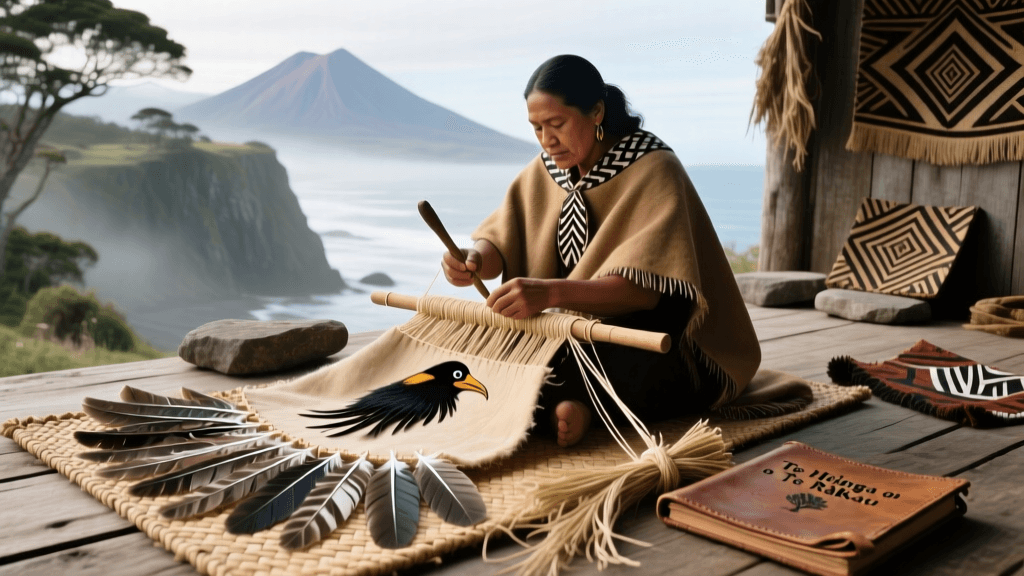
The kōrāwai—a prestigious Māori feather cloak—is far more than ceremonial regalia; it is a living archive of whakapapa (genealogy), mana (spiritual authority), and ecological knowledge. Worn exclusively by rangatira (chiefs) and esteemed tohunga (knowledge holders), each kōrāwai embodies ancestral connections through its materials, construction methods, and ritual protocols. Unlike generic “feather cloaks,” authentic kōrāwai are distinguished by their use of specific native bird feathers—particularly those of the huia (extinct since 1907), kiwi, kākā, and kererū—each selected for symbolic resonance: huia feathers signified chiefly rank and diplomatic authority, while kiwi down conveyed humility and groundedness.
Preparation begins long before weaving: feathers must be gathered during designated maramataka (Māori lunar calendar) phases—typically during the moon phase known as Ōturu—to ensure spiritual integrity and optimal feather condition. This timing aligns with seasonal molting cycles and avoids breeding periods, reflecting deep ecological stewardship embedded in tikanga Māori (customary law). The Te Papa Tongarewa Museum’s 2022 exhibition Tāwhai: Weaving Identity documented that over 85% of historically recorded kōrāwai were commissioned for specific events such as peace negotiations, land disputes, or investiture ceremonies—not general display.
Flax Fiber Preparation: From Harakeke to Hīnaki
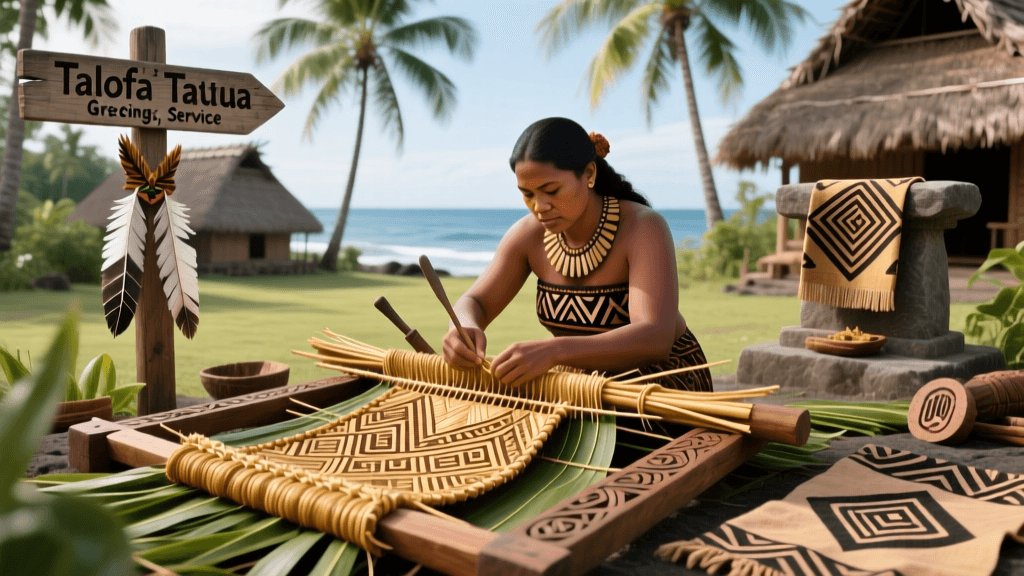
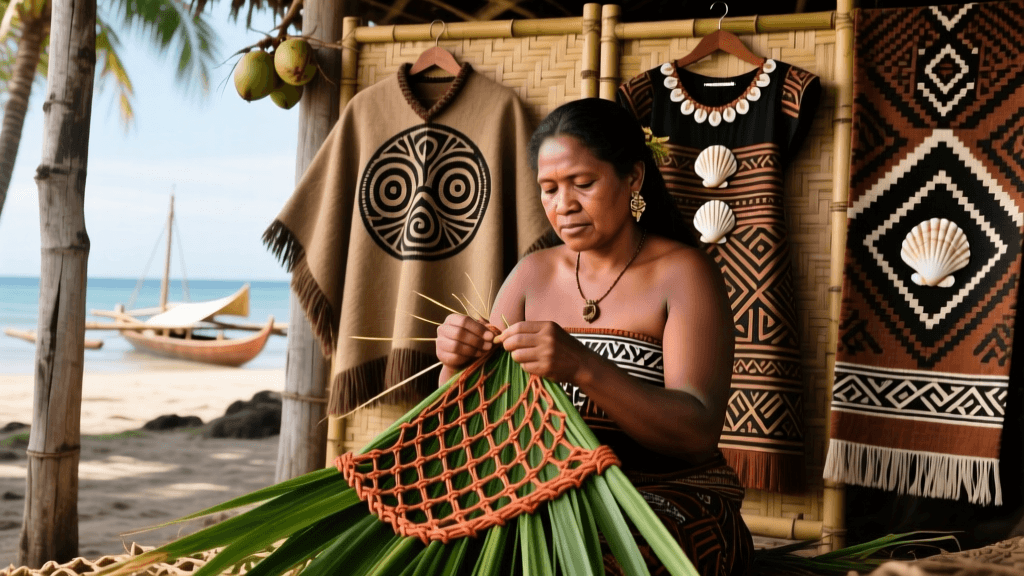
Harakeke (Phormium tenax), commonly called New Zealand flax, serves as the structural foundation for all traditional kākahu—including kōrāwai. Its leaves contain strong, durable fibers ideal for weaving, but transforming them into usable muka (soft, silky fiber) demands precise, labor-intensive processing. First, mature harakeke leaves are harvested by hand using a pātītī (flax knife), selecting only outer leaves aged between 18–24 months for optimal tensile strength. Each leaf yields approximately 3–5 meters of usable fiber after stripping.
Stripping and Scraping Techniques
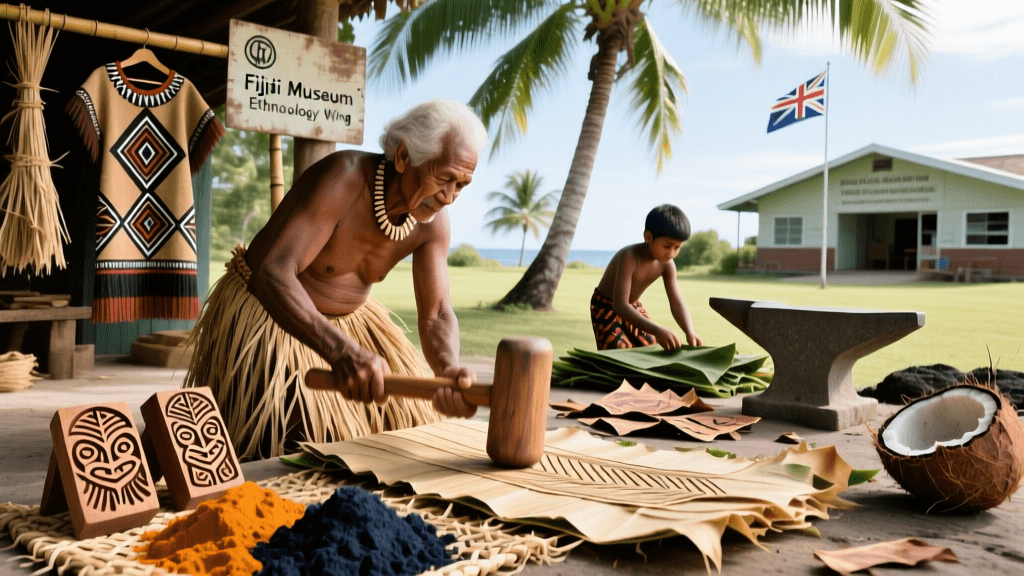
Leaves are folded lengthwise and scraped repeatedly with a mussel shell (kākahi) or modern bone tool to separate the green fleshy pulp from the inner fiber bundles. This process, known as whatu, requires rhythmic pressure and angle control—too shallow, and fibers remain encased; too deep, and they tear. A skilled weaver processes roughly 12–15 leaves per hour, yielding about 200 grams of wet muka per session.
Drying and Conditioning
Freshly scraped muka is hung in shaded, well-ventilated areas for 3–5 days until moisture content drops to 12–15%. Over-drying causes brittleness; under-drying invites mold. Once dried, muka is softened by pounding gently with a stone pounder (pōha) and conditioned with water and sometimes fern root paste to restore pliability. At Te Whare Wānanga o Awanuiārangi in Whakatāne, students learn that consistent conditioning increases fiber elongation capacity by up to 40%, critical for tight, resilient wefts.
Weaving Structure and Feather Attachment Methods
Kōrāwai employ a distinctive two-layer structure: a base cloak (kahu) woven in tāniko (geometric patterned twining) or whatu aho rua (double-weft technique), overlaid with rows of suspended feathers. Feathers are not glued or stitched directly—but secured using a complex looping method called tātai. Each feather shaft is bound individually with muka cord, then interlaced through warp threads at precise intervals to allow natural movement and airflow.
Feather density varies intentionally: ceremonial kōrāwai average 1,200–1,800 feathers per square meter, with huia feathers spaced no more than 1.5 cm apart to create visual continuity. In contrast, everyday kākahu may use only 300–500 feathers/m². A full-length kōrāwai typically measures 1.6–1.8 meters in length and weighs between 2.3–3.1 kilograms—substantially heavier than other Pacific garments due to layered feather mass.
Cultural Protocols and Contemporary Stewardship
Handling, wearing, and storing kōrāwai follow strict protocols rooted in tapu (sacred restriction) and noa (neutralization). Only individuals with appropriate whakapapa standing and formal instruction may touch or wear a kōrāwai. Before wearing, the wearer undergoes karakia (incantations) and waewae tapu (ritual foot cleansing), often performed near flowing water—such as the Waikato River, where many iwi maintain customary access rights.
Modern revitalization efforts are led by institutions including Te Rūnanga o Ngāi Tahu in Christchurch, which oversees the annual Mātauranga Māori Flax Weaving Symposium, and the University of Otago’s Centre for Research into the Arts, Social Sciences and Humanities (CRASSH), which collaborated with Te Papa on a 2023 study documenting 17 distinct regional variations in tātai techniques across Te Ika-a-Māui (North Island).
- Te Papa Tongarewa holds 43 documented kōrāwai in its permanent collection, 29 of which retain original huia feathers
- The National Library of New Zealand’s Māori Weaving Archive digitized 1,200+ historical photographs and 78 hours of oral histories between 2019–2022
- A 2021 audit by the Ministry for Culture and Heritage confirmed that only 11 certified master weavers hold formal authorization to teach kōrāwai techniques under Te Ture Whenua Māori Act guidelines
Inter-Island Parallels and Distinctions
While kōrāwai are uniquely Māori, comparisons with neighboring Pacific traditions reveal shared philosophies—and critical differences—in material ethics and social function. Hawaiian ʻahu ʻula, for instance, also use bird feathers (primarily ‘ō‘ō and mamo), but rely on red and yellow pigments derived from plant dyes rather than natural feather coloration. Torres Strait Islander dancers wear headdresses made from cassowary feathers and turtle shell, emphasizing marine cosmology rather than avian lineage.
What unites these traditions is reverence for material provenance. As noted in the *Pacific Textiles Atlas* (Pacific Islands Forum Secretariat, 2020): “Feather sourcing is never incidental—it is always genealogical, seasonal, and jurisdictional.” In Fiji, masi (tapa) cloth patterns encode clan affiliations; in Samoa, ‘ie toga mats signify marriage alliances; yet none replicate the kōrāwai’s dual emphasis on vertical ancestry (through feather species) and horizontal reciprocity (through gifting protocols).
“The kōrāwai does not sit on the body—it stands beside the wearer as a second presence, speaking when words fall short.” — Dr. Hinemoa Elder, Senior Lecturer, Te Whare Wānanga o Awanuiārangi, 2022
| Feature | Kōrāwai (Aotearoa) | ʻAhu ʻUla (Hawaiʻi) | Wampan (Torres Strait) |
|---|---|---|---|
| Primary fiber base | Harakeke muka | Olona fiber (Touchardia sandwicensis) | Beach hibiscus (Hibiscus tiliaceus) |
| Average weight | 2.3–3.1 kg | 0.9–1.4 kg | 0.6–0.8 kg |
| Feather count/m² | 1,200–1,800 | 800–1,100 | 400–600 |
At the Museum of New Zealand Te Papa Tongarewa in Wellington, visitors can view the 1840s kōrāwai worn by Te Rauparaha—measuring precisely 1.72 meters in length, with 1,563 intact kiwi feathers and 217 kākā wing coverts. Conservation staff report that humidity levels inside its climate-controlled case are maintained at 55±2% RH year-round to prevent fiber degradation. Similarly, the Bishop Museum in Honolulu monitors light exposure on its ʻahu ʻula collection at ≤50 lux—less than one-tenth the intensity permitted for oil paintings.
Contemporary practitioners increasingly integrate digital documentation into practice. The Ngā Puna Wai Cultural Centre in Christchurch now archives every new kōrāwai with GPS-tagged harakeke harvest locations, lunar phase logs, and audio interviews with elders. These records are stored under tribal governance frameworks, ensuring that knowledge remains accessible only to authorized descendants—a model endorsed by UNESCO’s 2021 *Guidelines for Safeguarding Intangible Cultural Heritage in the Pacific*.
Unlike commercial textile production, kōrāwai creation resists standardization. A single cloak may take 1,200–2,000 hours to complete, spanning multiple seasons and generations. One 2023 commission by Ngāti Porou took 11 years—from initial harakeke planting to final feather attachment—underscoring that time itself is woven into the garment’s meaning.
The kōrāwai endures not as relic, but as active covenant: between people and birds, between weavers and ancestors, between land and memory. Its continued making affirms that sovereignty resides not only in political structures but in the quiet, persistent rhythm of fingers working fiber, feather by feather, into enduring form.