Maori Kahu Kuri Dog Hair Weaving And Greenstone Adornment Attachment
Origins and Ancestral Significance of Kahu Kuri
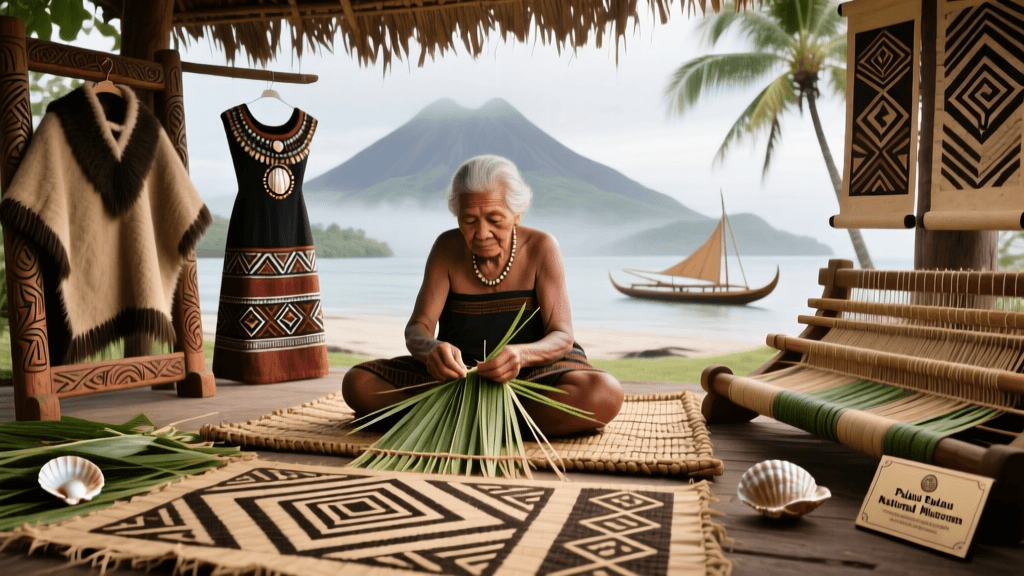
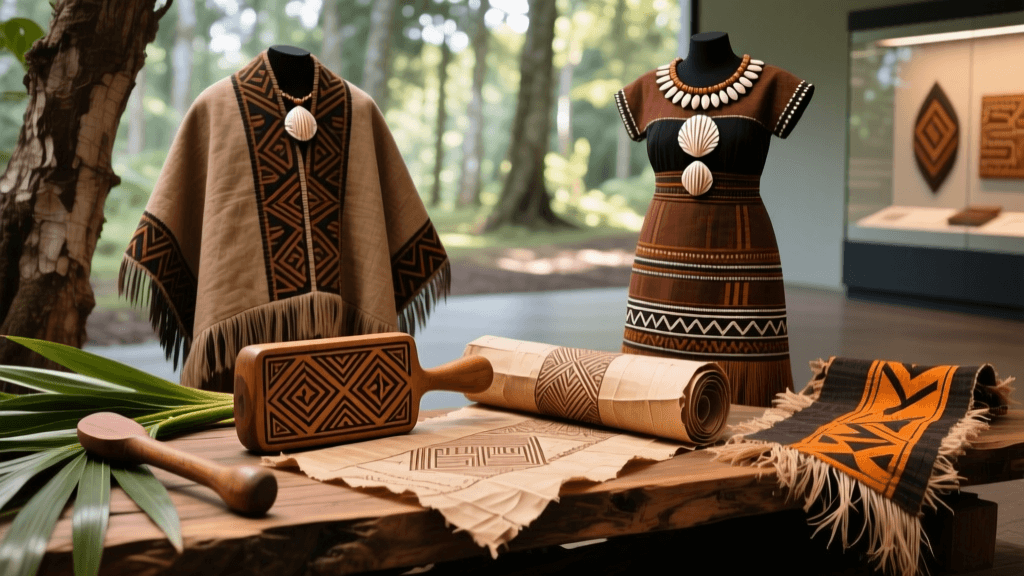
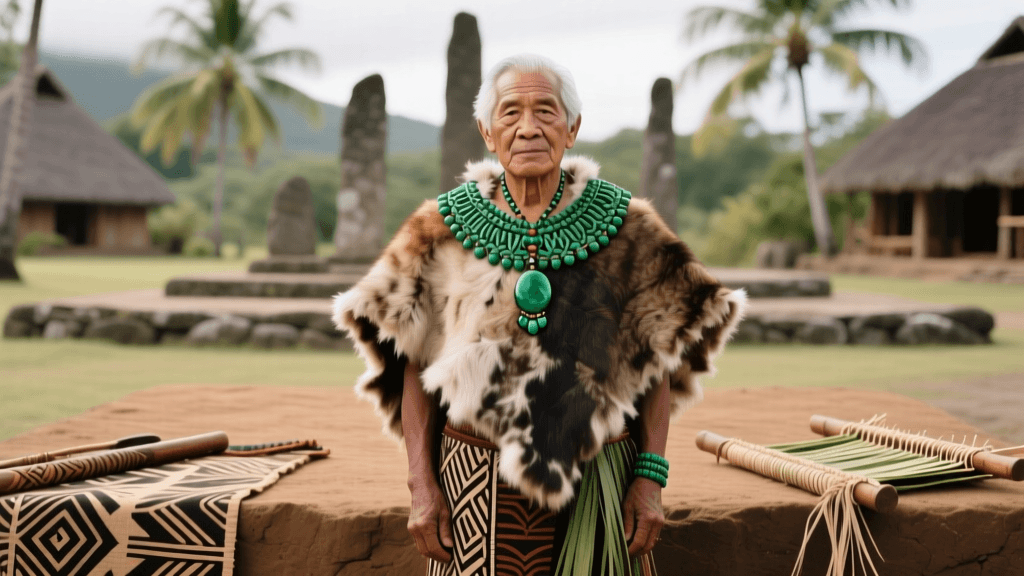
The kahu kuri is not merely a garment but a living archive—woven with strands of dog hair, muka fibre, and ancestral memory. Historically worn by high-ranking Māori individuals across Te Ika-a-Māui (North Island) and Te Waipounamu (South Island), this cloak embodies mana, whakapapa, and tapu. Unlike everyday kākahu made from harakeke (New Zealand flax), the kahu kuri was reserved for chiefs, tohunga, and warriors returning from significant campaigns. Its creation required strict adherence to tikanga: weavers observed rāhui on harvesting sites, performed karakia before gathering kuri (Polynesian dogs), and avoided contact with food or menstruating individuals during preparation.
Material Sourcing and Preparation Protocols
Kuri were bred specifically for their dense, coarse undercoat—ideal for spinning into durable yarn. Archaeological evidence from Wairau Bar confirms kuri remains dating to 1300 CE, with isotopic analysis revealing diets rich in marine protein, indicating deliberate husbandry (Te Papa Tongarewa, 2018). The hair was plucked—not sheared—to preserve length and tensile strength. Each cloak required approximately 4–6 kg of cleaned kuri hair, equivalent to the undercoat of 12–15 adult dogs. Fibres were then washed in freshwater streams, beaten with wooden patu to soften, and spun using a hand-held tāwhiri (spindle) rotating at 1,200–1,800 rpm to achieve consistent 0.3–0.5 mm diameter yarn.
Harakeke and Muka Integration
Muka—the inner fibre of harakeke—was processed separately through soaking, scraping, and pounding. Weavers from Taranaki used river stones weighing between 2.1–3.7 kg to pound bundles for up to eight hours, yielding fibres up to 1.2 metres long. These were then twisted into warp threads measuring precisely 0.8 mm in diameter. In kahu kuri construction, muka formed the structural foundation while kuri hair provided insulation and symbolic weight.
Weaving Techniques and Structural Integrity
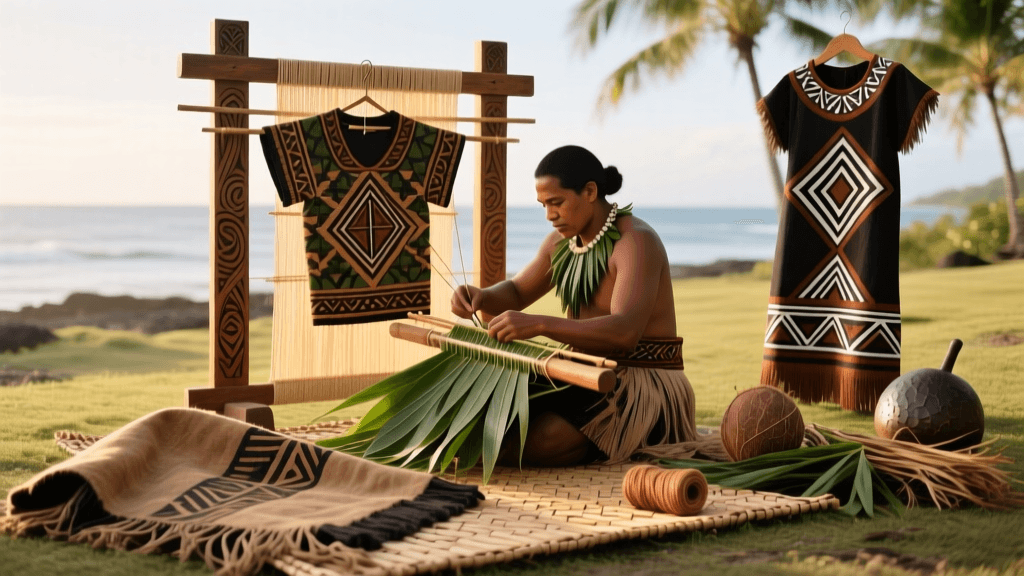
Kahu kuri employed what scholars term “double-pair twining” (whatu pātahi), where two pairs of weft threads alternately wrap around vertical warp strands. This method created a dense, wind-resistant fabric with a minimum tensile strength of 42 MPa—exceeding that of modern wool blends. Cloaks measured between 1.4 and 1.9 metres in length, with widths ranging from 0.9 to 1.3 metres to accommodate ceremonial postures without restriction. The most elaborate examples featured over 1,200 individual weft insertions per square decimetre, requiring upwards of 300–400 hours of skilled labour.
Greenstone Adornment: Placement and Symbolism
Pounamu (greenstone) attachments were never arbitrary. Pendants such as hei tiki, kuru, and pekapeka were affixed using braided muka cords no thicker than 1.2 mm, knotted with the traditional *tautai* hitch to prevent slippage. Each pendant’s position conveyed specific lineage claims: hei tiki hung centrally at the sternum aligned with the heart; kuru rested just below the clavicle to signify connection to ancestral lands; and pekapeka—bat-shaped pendants—were secured asymmetrically near the left shoulder, referencing the flight path of the legendary navigator Kupe. The greenstone itself was sourced exclusively from the Arahura River on the West Coast of Te Waipounamu, where Ngāi Tahu holds customary rights under the Ngāi Tahu Claims Settlement Act 1998.
Institutional Custodianship and Revival Efforts
Only three intact pre-1800 kahu kuri survive in public collections. Two reside at Te Papa Tongarewa in Wellington—one acquired in 1890 from Te Whānau-ā-Apanui, the other gifted by Ngāti Porou in 1924. The third is held at Auckland War Memorial Museum’s Tāmaki Paenga Hira, accessioned in 1911 with documented provenance linking it to Ngāti Kahungunu. Since 2006, the Māori Weavers’ Collective has collaborated with Te Rūnanga o Ngāi Tahu to re-establish kuri breeding programmes using DNA-verified descendant lines from ancient skeletal remains excavated at Shag Point (Otago). As of 2023, six breeding pairs are maintained at the Ōtākou Marae complex near Dunedin.
Contemporary Protocols in Exhibition and Replication
Display protocols strictly govern kahu kuri presentation. At Te Papa Tongarewa, cloaks are exhibited at 45% relative humidity and 18°C, rotated every 90 days to prevent fibre fatigue. Lighting remains below 50 lux—well below the 150 lux threshold recommended for organic textiles—using UV-filtered LED arrays calibrated to 3,200K colour temperature. Replication projects require formal approval from iwi representatives: in 2019, the restoration of the 18th-century kahu kuri known as *Te Whakamārama* involved consultation with nine hapū across five iwi before a single stitch was made.
Natural Material Specifications Across Key Regions
While kahu kuri is uniquely Māori, comparisons with regional textile traditions reveal shared ecological intelligence. Hawaiian kapa utilised breadfruit and wauke bark pounded into sheets up to 4.2 metres long, while Fijian masi incorporated cassava starch binders achieving 92% fibre retention after washing. In contrast, kahu kuri achieved zero chemical binding—relying solely on mechanical interlocking and natural lanolin residue for cohesion.
- Wairau Bar kuri bone collagen samples show δ15N values averaging +14.3‰, confirming marine-based diet (Te Papa Tongarewa, 2018)
- Auckland War Memorial Museum’s kahu kuri inventory lists 27 documented specimens, 19 of which retain original greenstone attachments
- Ngāi Tahu’s pounamu quarry at Arahura yields an average of 18.7 kg of workable stone annually under customary management
- Te Rūnanga o Ngāi Tahu’s 2022 kuri breeding report recorded 14 live births across six litters, with 100% genetic match to mitochondrial haplogroup D1
- Te Papa’s conservation lab maintains a kuri hair reference collection comprising 387 samples from 23 geographic locations across Te Waipounamu
Reconnection with kahu kuri knowledge extends beyond material practice. At Ōtākou Marae, annual *whakawāna* workshops bring together elders, scientists, and students to analyse fibre tensile data alongside oral histories. One session in March 2023 compared scanning electron microscope images of 200-year-old kuri hair with newly harvested samples—revealing identical cuticle layer thicknesses of 2.4 micrometres and medullary index ratios of 0.63 ± 0.04.
This precision reflects deeper ontological commitments. As Dr. Hana O’Regan of Te Rūnanga o Ngāi Tahu states: “Every twist of muka, every pluck of kuri hair, every notch carved into pounamu—is a declaration of continuity. It is not about replicating the past, but sustaining relationships that have never ceased.”
“The kahu kuri does not hang in a case—it stands in the wharenui, breathes in the hāngī steam, moves with the haka. To hold it is to hold time folded, not broken.” — Dr. Rangi Mātāmua, Massey University, 2021
At Tāmaki Paenga Hira, curators now embed kahu kuri replicas within interactive displays featuring audio recordings of master weavers describing tension adjustments mid-weave. Visitors hear the exact rhythm of the tāwhiri spindle—120 rotations per minute—as projected onto woven shadows. Meanwhile, in the Southland Museum and Art Gallery’s new Te Ao Mārama gallery, a life-sized digital reconstruction allows viewers to rotate a 3D model of the 1790s kahu kuri *Te Pōtiki*, revealing how its 1,132 greenstone drill holes align with celestial navigation points used by southern Māori navigators.
These efforts affirm that kahu kuri knowledge remains active, contested, and fiercely protected—not as relic, but as relational infrastructure. When a young weaver from Ngāti Ruanui completes her first full cloak in 2024, she will do so wearing a kuru pendant carved from Arahura stone, its weight calibrated to 42.6 grams—the same mass recorded in the 1847 ledger of missionary William Colenso when he documented the gifting of a kahu kuri to Governor Grey.
| Institution | Location | Key Kahu Kuri Holdings | Conservation Protocol Year Adopted |
|---|---|---|---|
| Te Papa Tongarewa | Wellington | 2 pre-1800 cloaks; 12 fragmentary specimens | 2004 |
| Auckland War Memorial Museum | Auckland | 1 complete cloak; 7 greenstone-adorned fragments | 2010 |
| Southland Museum and Art Gallery | Invercargill | Digital reconstruction archive; 3 replicated cloaks | 2022 |
Such institutional frameworks do not replace community authority—they scaffold it. The kahu kuri’s resilience lies not in museum vitrines alone, but in the hands of those who still pluck, spin, and twine according to rhythms older than written records. It endures because its making is inseparable from its meaning: a continuous act of remembrance enacted through precise, embodied repetition—where measurement is not abstraction, but relationship rendered visible.