Hanfu Travel Wardrobe 2026: Packing Essentials & Destination Styling
The Rise of the Global Hanfu Traveler in 2026
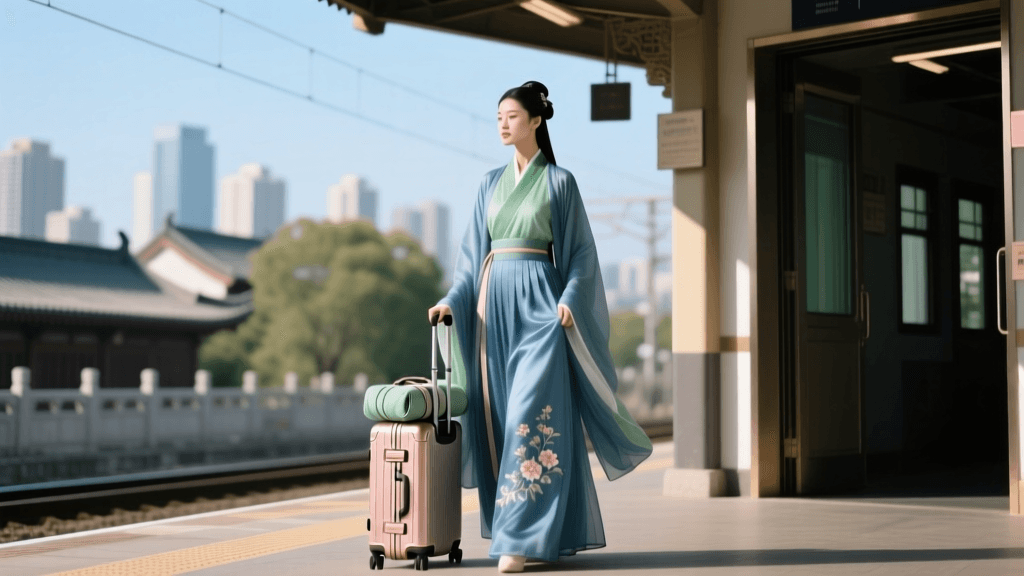
As international tourism reaches unprecedented heights in 2026, the intersection of heritage fashion and global transit has given rise to a new phenomenon: the Hanfu travel wardrobe. No longer confined to domestic photoshoots or localized festivals, traditional Chinese garments are now a common sight in the lounges of high-speed rail networks across Asia and the historic streets of European capitals. However, traveling with traditional clothing presents unique logistical challenges. Voluminous sleeves, delicate silk weaves, and razor-sharp pleats require meticulous planning to survive the rigors of modern air travel and hotel living.
For the modern nomad, the goal is to balance historical authenticity with the practical demands of a 2026 transit lifestyle. This means selecting garments that offer the visual grandeur of traditional Hanfu while utilizing modern, travel-friendly textiles and packing methodologies. Whether you are navigating the humid alleys of Singapore or the cobblestones of Paris, curating a destination-specific Hanfu capsule wardrobe is essential for a seamless journey.
The 2026 Travel-Friendly Hanfu Capsule Wardrobe
Building a travel capsule requires a strategic approach to layering, fabric weight, and silhouette. The most successful travel wardrobes in 2026 rely heavily on the structural elegance of the Ming dynasty and the minimalist versatility of the Song dynasty. Historical silhouettes of the Ming dynasty, particularly the structured pleats of the mamianqun, remain foundational to modern travel adaptations, as documented by the Metropolitan Museum of Art's Heilbrunn Timeline of Art History.
Song Dynasty Beizi: The Ultimate Transit Layer
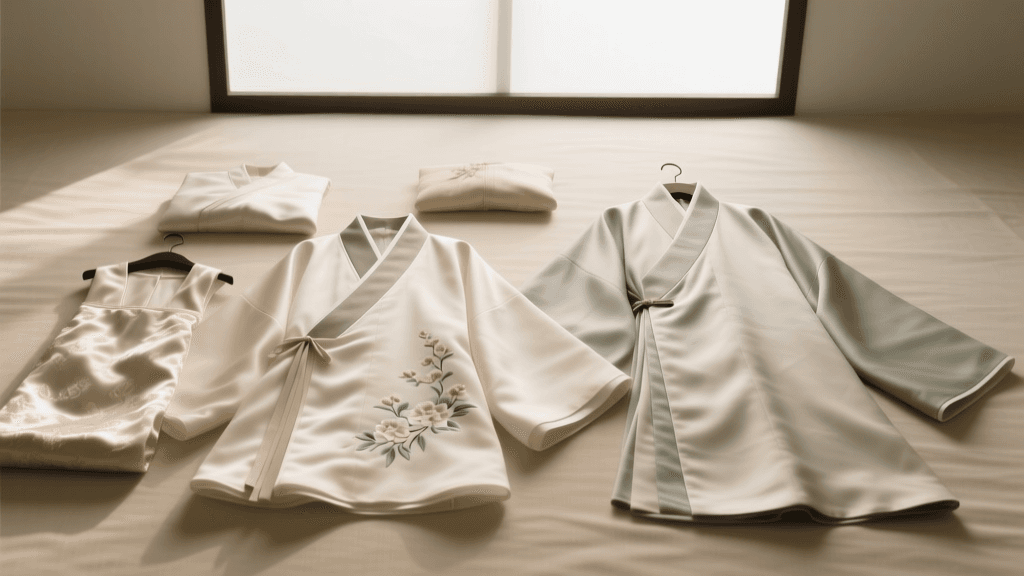
The Song dynasty Beizi (a long, open-front jacket) is the undisputed champion of the Hanfu travel wardrobe. Functioning much like a modern duster coat or lightweight cardigan, the Beizi provides an elegant outer layer that elevates a simple base outfit. For travel, opt for a Beizi crafted from a bamboo-linen blend or a 120gsm Tencel-cotton mix. These materials offer the fluid drape and subtle sheen of traditional ramie but are inherently wrinkle-resistant and possess natural temperature-regulating properties. The minimalist, layered aesthetics of the Song dynasty provide the perfect blueprint for modern transit layering, allowing you to wear the Beizi over a modern turtleneck during a flight and transition seamlessly into a full traditional ensemble upon arrival.
Ming Dynasty Mamianqun: Wrinkle-Resistant Pleats
The Mamianqun, or horse-face skirt, is iconic for its flat front and back panels flanked by intricate knife pleats. In 2026, textile innovators have developed specialized travel Mamianqun using high-twist crepe yarns and memory-polyester blends. These fabrics hold their pleats permanently, even after being compressed in a suitcase. When selecting a Mamianqun for travel, look for skirts with a weight of at least 300gsm; the heavier the fabric, the better the pleats will hang and resist wind disruption during outdoor sightseeing.
Fabric Innovations and Eco-Friendly Dyes
The 2026 travel market has seen a massive shift toward sustainable, eco-friendly dyeing methods that also happen to be travel-friendly. Traditional plant dyes, such as indigo and madder root, are now being stabilized with modern bio-mordants, ensuring they do not bleed when exposed to unexpected rain or sweat during long walking tours. Furthermore, the integration of lotus-silk blends and recycled synthetic silks provides the luxurious luster of traditional mulberry silk without the dry-cleaning requirements. These innovative fabrics can be hand-washed in a hotel sink with a pH-neutral detergent and will dry overnight without losing their structural integrity.
Packing Strategies for Traditional Garments
Packing Hanfu requires abandoning the standard rolling method used for Western t-shirts and jeans. The wide sleeves and delicate embroidery of traditional tops (Ao and Shan) demand specialized folding techniques to prevent permanent creasing and thread snagging.
- The Accordion Sleeve Fold: Lay the top flat and fold the wide sleeves inward in an accordion pattern, ensuring the embroidery faces inward to protect the metallic threads. Place acid-free tissue paper between the folds to prevent friction.
- The Pleat Preservation Roll: For the Mamianqun, never fold across the pleats. Instead, align the flat panels, place tissue paper along the pleat lines, and roll the skirt loosely from the hem to the waistband. Secure with a silk ribbon, avoiding tight elastic bands that can distort the fabric.
- Garment Compression Folders: In 2026, smart compression folders with built-in humidity-control silica sheets are the standard for heritage travelers. These folders compress the garment evenly without applying localized pressure that could crush delicate woven motifs.
Destination Wardrobe Guide: Where to Wear What
Adapting your Hanfu to the specific climate and cultural backdrop of your destination is crucial for both comfort and photographic aesthetics. Below is a strategic guide for popular 2026 destinations.
| Destination | Climate & Season | Recommended Hanfu Style | Footwear & Accessories |
|---|---|---|---|
| Kyoto, Japan | Autumn (Crisp, Cool) | Ming Dynasty Aoqun (Wool-blend top, heavy Mamianqun). Deep jewel tones complement the autumn foliage. | Leather cloud-shoes with rubberized soles for temple steps; velvet Yunjian (cloud shoulder). |
| Paris, France | Spring (Mild, Breezy) | Song Dynasty Beizi layered over a modern silk midi-dress or tailored trousers. Fusion styling works best here. | Minimalist leather ankle boots; single-prong jade hairpins for a subtle, elegant silhouette. |
| Xi'an, China | Summer (Hot, Humid) | Tang-style Qixiong Ruqun (chest-high skirt) in ultra-lightweight ramie or Tencel. Bright, reflective colors. | Woven straw sandals with arch support; bamboo hand fans and lightweight sheer shawls for sun protection. |
| Singapore | Tropical (Year-Round Heat) | Short-sleeve Song Dynasty top with a knee-length pleated skirt. Breathable bamboo-linen is mandatory. | Open-toe woven flats; minimalist metal hair cuffs to keep hair entirely off the neck. |
Footwear and Accessories for the Modern Nomad
Traditional Hanfu footwear, such as the classic cloud-head shoe, is beautiful but often lacks the arch support and traction required for navigating modern cities. In 2026, the most popular travel footwear among Hanfu enthusiasts are hybrid cloud-shoes: uppers crafted from traditional brocade or embroidered silk, mounted on ergonomic, memory-foam soles with slip-resistant rubber treads. These provide the historical aesthetic required for the outfit while ensuring comfort during 20,000-step sightseeing days.
Accessories must also be curated for transit security. Intricate metal hairpins with sharp prongs can trigger alarms or be confiscated at airport security checkpoints. The solution is the widespread adoption of TSA-friendly magnetic hairpins and resin-based jade replicas, which offer the exact visual weight and color of genuine nephrite but pass through X-ray scanners without issue. For broader cultural context on heritage garments and their modern preservation, the China Culture Information Network offers extensive archives on traditional textile history and contemporary adaptations.
On-the-Go Garment Care
Even with the best packing techniques, garments will require refreshing upon arrival. The 2026 travel standard is the portable, dual-voltage micro-steamer. Unlike traditional irons, which can scorch delicate silk weaves and flatten embroidery, a micro-steamer gently relaxes the fibers, allowing the Mamianqun pleats to drop naturally and the Beizi sleeves to regain their fluid drape. For minor transit stains, carrying a small vial of eco-friendly, waterless spot cleaner designed specifically for protein-based fibers (like silk) ensures you can address spills immediately without needing to locate a specialized dry cleaner in a foreign city.
Conclusion
Traveling with Hanfu in 2026 is a testament to the living, breathing nature of traditional Asian garments. By thoughtfully selecting wrinkle-resistant textiles, mastering specialized packing techniques, and adapting your silhouette to your destination, you can seamlessly integrate the grandeur of Chinese heritage into your global travels. The modern Hanfu wardrobe is not merely a costume for a static photoshoot; it is a dynamic, functional, and deeply personal expression of culture that moves with you across the world.