Building a Hanfu Capsule Wardrobe: The Ultimate Guide
The Philosophy of a Hanfu Capsule Wardrobe
The global Hanfu movement has evolved dramatically over the past decade, transitioning from a niche historical reenactment hobby into a vibrant, everyday fashion statement. For newcomers and seasoned enthusiasts alike, the sheer volume of historical dynasties, silhouettes, and textile options can be overwhelming. This is where the concept of a capsule wardrobe becomes invaluable. By focusing on modular, historically grounded pieces that can be mixed, matched, and integrated with modern clothing, you can build a versatile and sustainable traditional Chinese wardrobe.
Historically, the traditional Chinese dress system relied heavily on the principle of Shangyi Xiashang (upper garment, lower skirt or trousers). This separation of top and bottom naturally lends itself to a capsule wardrobe approach. Instead of purchasing elaborate, one-piece ceremonial gowns that are difficult to wear in daily life, a capsule collection focuses on foundational separates. According to the Metropolitan Museum of Art, the evolution of Chinese dress has always balanced strict sartorial codes with practical, modular layering, allowing individuals to adapt their garments to changing seasons and social contexts. By applying this historical wisdom to modern life, you can create a functional Hanfu wardrobe that honors tradition while suiting contemporary lifestyles.
Essential Hanfu Pieces for Your Capsule
To build a functional capsule, you need pieces that offer maximum versatility. The Song (960–1279 CE) and Ming (1368–1644 CE) dynasties are widely considered the most practical starting points for daily wear due to their refined, elegant, and highly adaptable silhouettes.
1. The Ming Dynasty Mamian Qun (马面裙)
The Mamian Qun, or horse-face skirt, is the undisputed cornerstone of any modern Hanfu capsule. Characterized by its flat front and back panels (the "horse faces") and heavily pleated sides, this skirt is a masterpiece of structural design. The flat panels allow for intricate woven patterns or embroidery to be displayed perfectly, while the side pleats provide ease of movement. A Mamian Qun can be paired with a traditional Ming dynasty Ao (lined jacket) for a full historical look, or styled with a modern cashmere turtleneck or crisp white button-down shirt for a sophisticated fusion outfit. When purchasing your first Mamian Qun, look for a mid-calf length (around 80-85cm) and a waistband made of durable cotton or linen to prevent slipping.
2. The Song Dynasty Beizi (褙子)
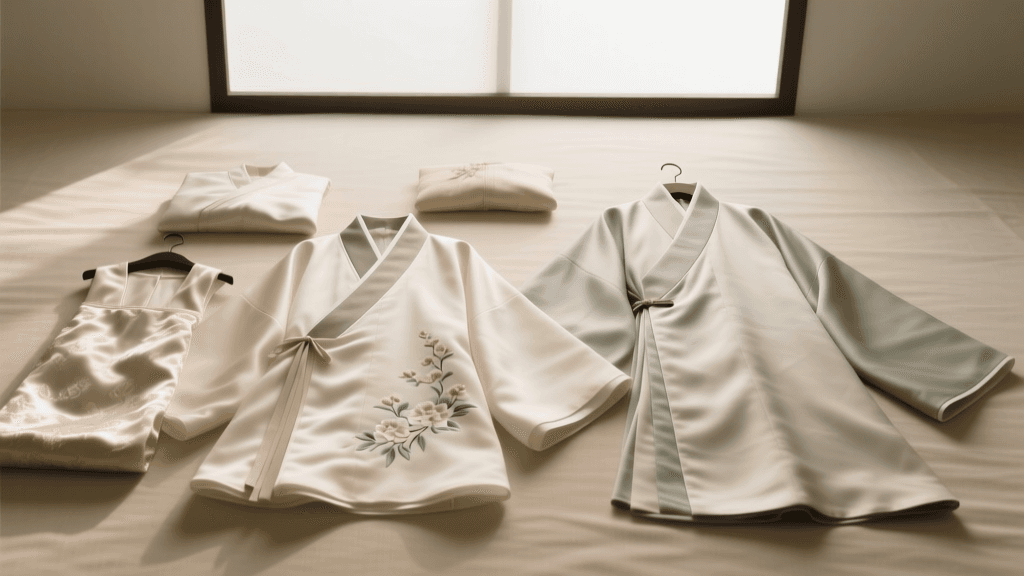
The Beizi is a lightweight, open-front jacket with straight-cut silhouettes and dramatic side slits that typically reach up to the armpit. It is the ultimate layering piece for transitional weather. Because it is left open at the front, it beautifully frames whatever top or dress is worn underneath. A knee-length Beizi in a solid, muted color like celadon, dusty rose, or slate grey can be thrown over a modern camisole and jeans, or layered over a traditional Ruqun (top and skirt set). The straight sleeves and minimalist aesthetic of the Song dynasty make the Beizi incredibly appealing to modern minimalists.
3. The Classic Jiaoling Ru (交领襦)
The Jiaoling Ru is a cross-collar top that wraps to the right (following the strict traditional rule of youren). This is the foundational upper garment of Hanfu. For a capsule wardrobe, invest in two or three Jiaoling Ru in breathable fabrics like linen or lightweight cotton. Neutral colors such as off-white, navy, and sage green will allow you to pair them with almost any skirt in your collection. The cross-collar creates a beautiful V-neckline that elongates the neck and provides a classic, elegant profile.
Fabric and Seasonality Guide
Choosing the right fabric is critical for ensuring your Hanfu is comfortable and appropriate for the climate. The preservation and creation of these textiles is a profound cultural heritage; in fact, UNESCO recognizes Chinese sericulture and silk craftsmanship as an Intangible Cultural Heritage, highlighting the centuries-old mastery behind traditional fabrics.
| Fabric Type | Best Season | Characteristics & Use Case | Care Instructions |
|---|---|---|---|
| Raw Linen / Cotton Blends | Spring / Summer | Breathable, matte finish, highly durable. Ideal for daily wear Ru and Beizi. | Machine wash cold, hang dry. Iron while slightly damp. |
| Silk Crepe / Chiffon | Summer / Formal | Lightweight, elegant drape, subtle sheen. Perfect for flowing Song dynasty layers. | Hand wash with pH-neutral detergent. Never wring; dry flat. |
| Jacquard / Brocade | Autumn / Winter | Thick, structured, features woven patterns. The standard for high-quality Mamian Qun. | Dry clean only or spot clean. Store folded with acid-free tissue. |
| Wool Blends | Winter | Warm, heavy drape, wind-resistant. Excellent for winter Mamian Qun and lined Ao. | Dry clean recommended. Use a garment brush to remove dust. |
Structuring Your First Collection (Budget & Breakdown)
Building a capsule wardrobe does not require an infinite budget. By focusing on quality over quantity and prioritizing mix-and-match potential, you can assemble a comprehensive starter kit. Below is a recommended 7-piece starter capsule, complete with estimated costs based on reputable overseas Hanfu boutiques and specialized Taobao agents.
| Garment | Quantity | Estimated Cost (USD) | Primary Function |
|---|---|---|---|
| Ming Dynasty Mamian Qun (Jacquard) | 1 | $60 - $90 | Formal events, autumn/winter daily wear, modern fusion styling. |
| Mamian Qun (Cotton/Linen blend) | 1 | $35 - $50 | Summer daily wear, casual outings, easy maintenance. |
| Cross-Collar Ru (Solid Colors) | 2 | $40 - $60 (Total) | Foundational tops to pair with both skirts and modern bottoms. |
| Song Dynasty Beizi (Knee-length) | 1 | $45 - $70 | Transitional outerwear, layering over modern or traditional tops. |
| Ming Dynasty Ao (Lined Jacket) | 1 | $55 - $85 | Cold weather top, pairs exclusively with the Mamian Qun. |
| Modern-Fusion Hanfu Blouse | 1 | $30 - $45 | A contemporary blouse with subtle Hanfu elements (like a standing collar) for office wear. |
Total Estimated Investment: $265 - $400. This budget provides a complete, historically respectful wardrobe capable of handling everything from a casual museum visit to a formal cultural festival.
Styling Hanfu for Modern Daily Life
The true test of a capsule wardrobe is its integration into your daily routine. You do not need elaborate, waist-length hair or heavy traditional makeup to wear Hanfu beautifully. Modern Hanfu styling thrives on subtle juxtapositions.
- Footwear: While traditional cloud-toe shoes (yunjian xie) are beautiful, they are not always practical for commuting. For daily wear with a Mamian Qun, leather Mary Janes, Chelsea boots, or clean, minimalist white sneakers are widely accepted and highly stylish within the Hanfu community.
- Accessories: Swap out heavy, dangling hairpins for a single, high-quality jade or wooden hair stick. A simple jade pendant necklace or a pair of pearl earrings bridges the gap between ancient aesthetics and modern elegance.
- Hair: A low, relaxed chignon or a simple half-up, half-down style secured with a velvet ribbon is perfectly appropriate for daily wear. The goal is to look effortless, not as though you are wearing a costume.
Sourcing, Care, and Historical Accuracy
When sourcing your garments, it is vital to distinguish between authentic Hanfu and mass-produced "Xianxia" fantasy costumes. Authentic Hanfu is constructed using flat-pattern cutting, which minimizes fabric waste and creates the distinctive, flowing drape of traditional Chinese clothing. Fantasy costumes often borrow elements from Western tailoring, such as darts, zippers, and corset-like boning, which fundamentally alter the historical silhouette.
To ensure historical accuracy, study the artifacts preserved by institutions like The Palace Museum in Beijing, which houses extensive collections of Ming and Qing dynasty textiles. Reputable Hanfu brands will often cite the specific historical artifacts or tomb murals that inspired their patterns and cuts. Look for brands that provide detailed size charts based on traditional garment measurements (such as sleeve length from the center back of the neck) rather than standard Western S/M/L sizing.
Proper care is essential to maintain the longevity of your capsule. Silk and brocade garments should be kept away from direct sunlight to prevent the dyes from fading. Always use wooden or padded hangers for your tops and jackets to maintain the shoulder structure, and fold your Mamian Qun carefully along the pleat lines, storing them in breathable cotton garment bags. By treating these garments with respect and care, your Hanfu capsule wardrobe will remain a timeless, elegant, and deeply meaningful part of your daily life for years to come.