Mamianqun Styling Guide 2026: Mix Hanfu Skirts With Modern Wear
The Resurgence of the Horse-Face Skirt in 2026
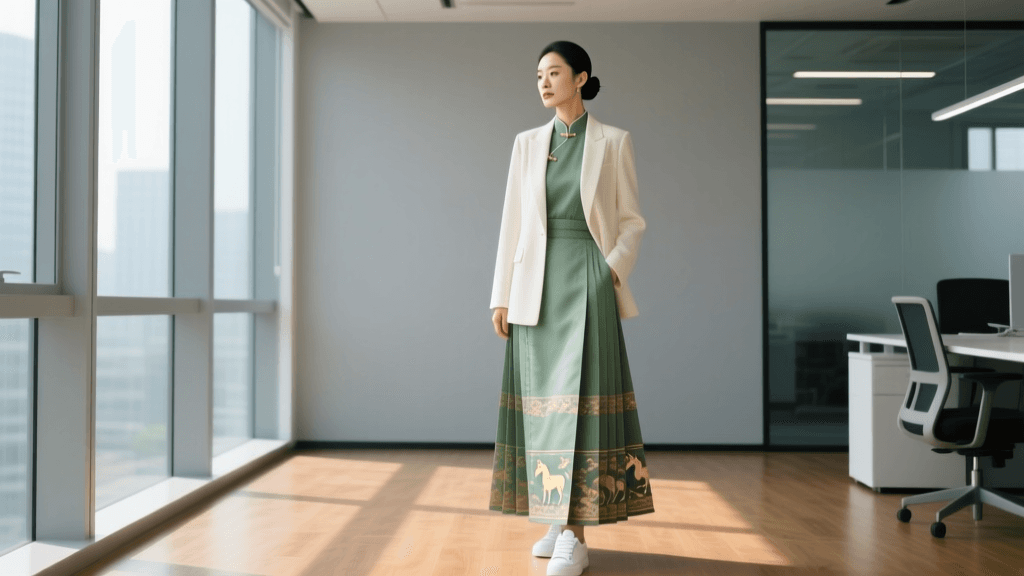
The landscape of global fashion in 2026 has been undeniably reshaped by the maturation of the 'New Chinese Style' (Xin Zhong Shi) movement. What began as a niche internet subculture and historical appreciation society has evolved into a dominant force in contemporary capsule wardrobes worldwide. At the absolute forefront of this sartorial revolution is the Mamianqun, commonly known as the horse-face skirt. Once reserved strictly for Hanfu enthusiasts attending festivals or historical reenactments, the Mamianqun is now a staple in modern corporate offices, high-end streetwear lookbooks, and minimalist capsule wardrobes.
Integrating traditional Asian garments into a modern wardrobe requires a delicate balance of respecting historical silhouettes while embracing contemporary tailoring and fabric technologies. In 2026, designers and heritage brands have collaborated to produce Mamianqun skirts that feature historical accuracy in their pleating and flat panels, but utilize modern, low-maintenance, and sustainable fabrics. This guide will walk you through the exact anatomy of the skirt, how to style it for the modern workplace, and how to seamlessly blend it into your weekend streetwear rotation.
Understanding the Anatomy of the Mamianqun
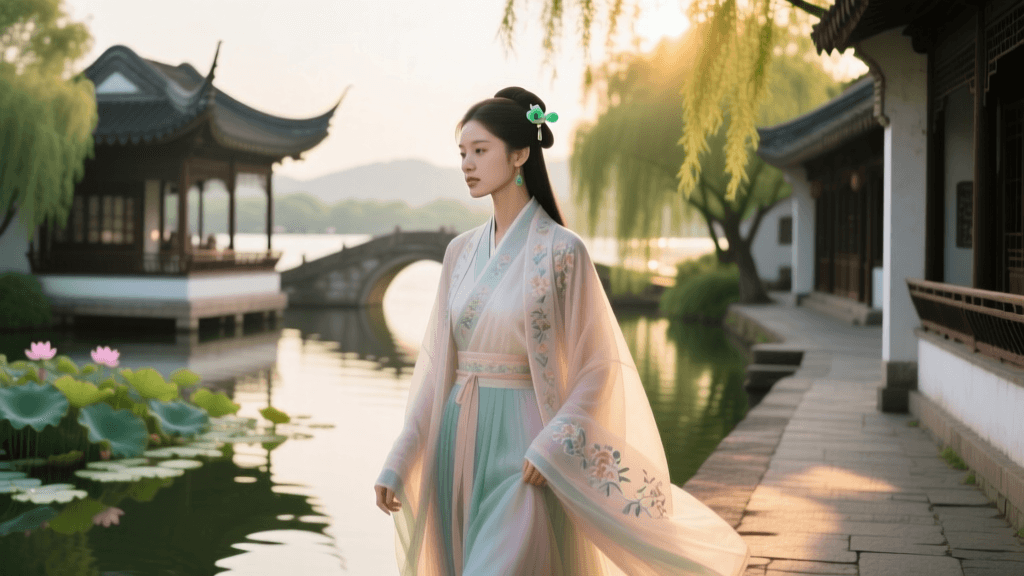
To style the Mamianqun effectively, one must first understand its unique architectural structure. Historically dating back to the Song and Ming dynasties, the skirt is defined by its distinctive overlapping flat panels and pleated sides. According to historical textile archives and cultural institutions like The Metropolitan Museum of Art, the skirt's design was originally engineered for ease of movement, particularly for horseback riding, which is how it earned its 'horse-face' moniker.
The skirt consists of two main components:
- Guangmen (Flat Panels): The front and back of the skirt feature flat, unpleated panels. These panels are often heavily embroidered or feature intricate jacquard woven motifs, serving as the visual focal point of the garment.
- Zhe (Pleats): The sides of the skirt feature deep, structured knife pleats that remain hidden when standing still but fan out beautifully with movement, creating a dynamic and fluid silhouette.
In 2026, the most versatile Mamianqun for modern wardrobes are midi-length (hitting roughly three inches below the calf) and feature a high, structured waistband. While traditional skirts relied on long fabric ties that required complex knotting, modern 2026 iterations frequently incorporate hidden side-zippers, hook-and-bar closures, and adjustable inner grosgrain ribbons, making them as easy to wear as a standard Western A-line skirt.
The 2026 Capsule Wardrobe: Office & Corporate Styling
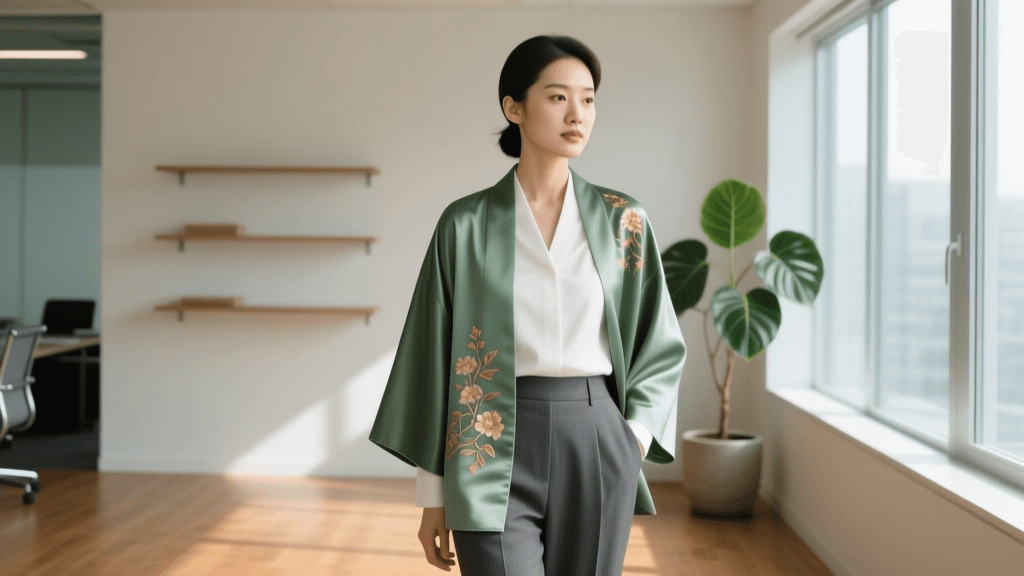
Transitioning traditional garments into a modern corporate environment requires a focus on muted color palettes, structured layering, and refined accessories. The key to wearing a Mamianqun to the office in 2026 is to treat it as a statement piece of tailored separates rather than a costume.
Pairing with Modern Tailoring
For a sophisticated boardroom look, select a Mamianqun woven from a matte, heavyweight crepe or a subtle tone-on-tone jacquard in navy, charcoal, or deep sage green. Avoid overly shiny satin or metallic threads, which can skew too festive for a conservative office. Pair the skirt with a crisp, oversized poplin button-down shirt, half-tucked into the flat front panel to highlight the skirt's intricate waistband. Layer a structured, wool-blend blazer with slightly padded shoulders over the top. The sharp lines of the modern blazer contrast beautifully with the fluid, historical pleats of the skirt.
Knitwear and Transitional Layering
During the cooler months of 2026, fine-gauge merino wool turtlenecks and ribbed cashmere vests are the ideal companions for the horse-face skirt. A fitted, ribbed knit vest worn over a silk-blend blouse echoes the traditional layering of the Ming dynasty 'Beizi' (outerwear) and 'Mamianqun' combination, but translates it into a sleek, modern silhouette. Tucking the knitwear in ensures the high waistline remains visible, elongating the legs and maintaining a professional proportion.
Streetwear & Weekend Casual Integration
The true versatility of the Mamianqun shines in casual and streetwear contexts, where the juxtaposition of ancient elegance and modern edge creates a striking visual narrative. As highlighted by global fashion publications covering the Hanfu movement and its impact on contemporary design, younger demographics are actively subverting traditional rules to create entirely new aesthetics.
The Oversized Contrast
For weekend streetwear, lean into the 'oversized top, structured bottom' proportion. Pair a metallic or dark-wash brocade Mamianqun with a vintage-wash, oversized graphic tee or a heavy-weight cotton hoodie. Cropped leather bomber jackets or distressed denim jackets add a layer of utilitarian grit that grounds the elegance of the skirt. The cultural friction between a 600-year-old skirt silhouette and a 2026 distressed leather jacket is exactly what makes the New Chinese Style so compelling.
Footwear Selections
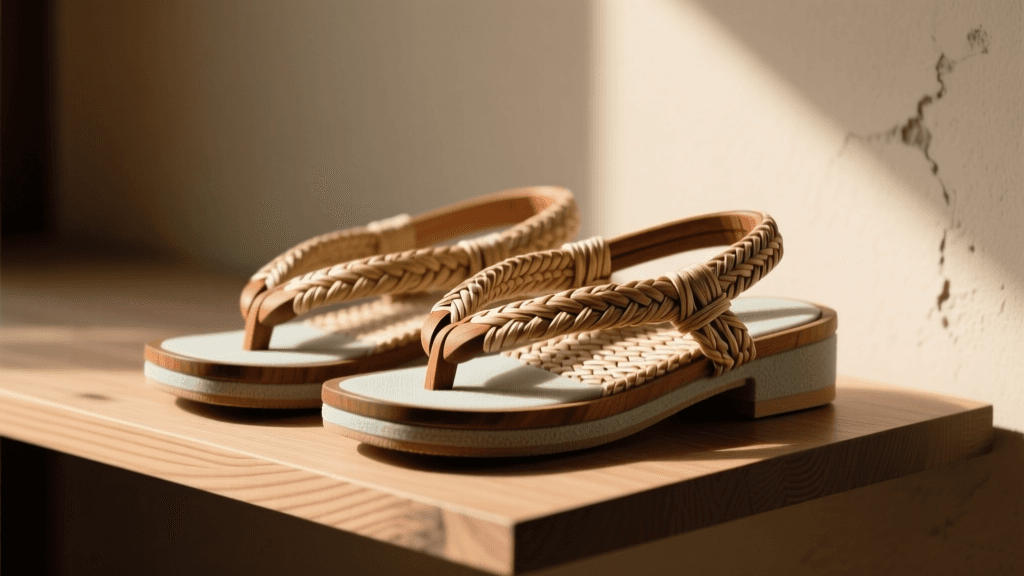
Footwear can make or break the modern integration of the Mamianqun. While traditional embroidered cloth shoes are beautiful, they can look costumey when paired with modern tops. Instead, opt for:
- Chunky Lug-Sole Loafers: The heavy, aggressive tread of a modern lug-sole loafer provides a harsh, modern contrast to the delicate pleats of the skirt.
- Pointed-Toe Ankle Boots: A sleek, black leather Chelsea boot or pointed-toe sock boot extends the leg line and adds a sharp, contemporary finish.
- Minimalist Sneakers: Low-profile, retro-style sneakers in monochromatic colorways (like off-white or slate grey) keep the outfit grounded and comfortable for all-day city walking.
Comparison Chart: Traditional vs. 2026 Modern Pairings
To help visualize the evolution of styling the Mamianqun, refer to the comparison table below, which contrasts historical styling norms with the current 2026 capsule wardrobe approach.
| Element | Traditional Approach | 2026 Modern Capsule Approach |
|---|---|---|
| Top Pairing | Cross-collar Hanfu tops (Jiao Ling Shang Ru) with wide sleeves. | Oversized poplin shirts, fitted merino turtlenecks, or cropped leather jackets. |
| Waist Closure | Long fabric ties requiring complex knotting and folding. | Hidden side-zippers, hook-and-bar closures, and adjustable inner ribbons. |
| Footwear | Embroidered cloth shoes or traditional wooden clogs. | Chunky lug-sole loafers, pointed-toe ankle boots, or minimalist retro sneakers. |
| Accessories | Elaborate jade pendants, silk sashes, and traditional hair sticks. | Minimalist gold geometric jewelry, enamel lapel pins, and structured leather handbags. |
| Outerwear | Pifeng (cloak) or Beizi (long open-front coat). | Structured wool-blend blazers, oversized denim jackets, or tailored trench coats. |
Fabric Innovations and Garment Care
One of the primary barriers to integrating traditional Asian garments into daily life has historically been the fragility of the textiles. Traditional silk brocades and delicate gauze weaves require meticulous, time-consuming care. However, the textile innovations of 2026 have largely solved this issue. Modern heritage brands are now utilizing sustainable Tencel-jacquard blends, recycled polyester brocades, and stain-resistant nano-coated cottons. These fabrics mimic the rich, textured drape of historical Song brocade but can withstand the rigors of a modern commute.
Maintaining the Pleats
The defining feature of the Mamianqun is its crisp, knife-edge pleats. To maintain these in 2026 without spending hours hand-pressing:
- Use Silicone Pleat Clips: When washing or storing the skirt, use specialized silicone pleat clips to hold the folds in place. These are widely available from modern Hanfu brands and prevent the pleats from blowing out in the wash.
- Smart Steaming: Avoid traditional ironing, which can flatten the dynamic volume of the side pleats. Instead, use a modern smart garment steamer with a specialized pleat-press attachment. Hang the skirt by its waistband and steam downwards, allowing gravity and the steam to reset the folds naturally.
- Proper Storage: Never fold a Mamianqun and store it in a drawer. Always hang it on a wide, felt-padded hanger with clips gripping the waistband. This prevents crease marks across the flat 'Guangmen' panels and allows the pleats to rest in their natural alignment.
Conclusion: A Permanent Fixture in Global Fashion
The integration of the Mamianqun into the modern wardrobe is not a fleeting trend; it is a permanent expansion of the global fashion vocabulary. The cultural appreciation and subsequent global recognition of the skirt, which was heavily documented by international news outlets like the South China Morning Post during the pivotal cultural heritage debates, has solidified its place as a protected and celebrated garment. By understanding its anatomy, respecting its origins, and confidently pairing it with contemporary tailoring and streetwear, you can build a 2026 capsule wardrobe that is deeply rooted in Asian tradition while remaining fiercely modern and entirely your own.