The 2026 Hanfu Storage & Seasonal Maintenance Guide
Introduction to Hanfu Preservation in 2026
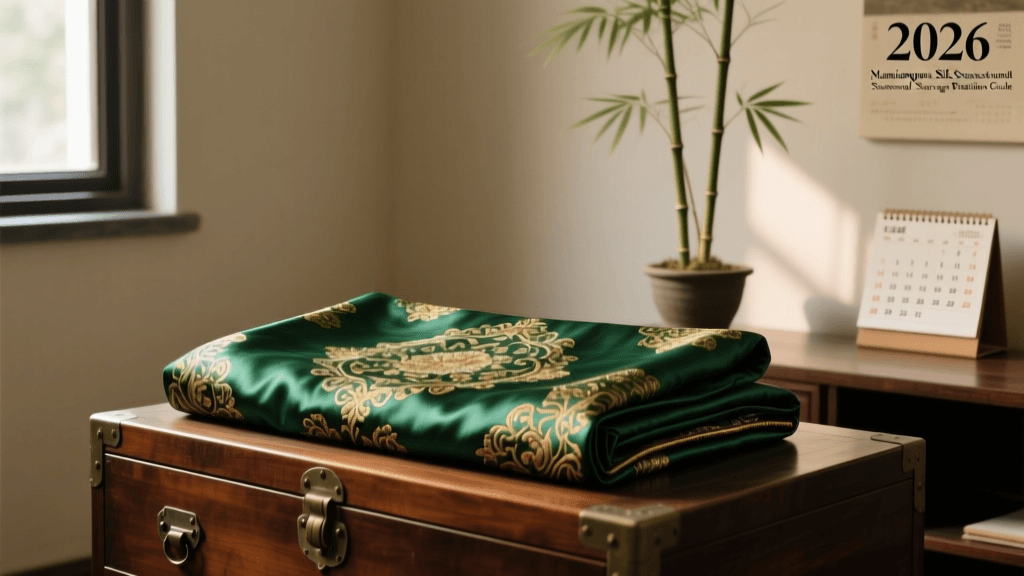
As the global appreciation for traditional Chinese garments continues to flourish in 2026, the wardrobes of Hanfu enthusiasts have evolved from simple costumes to curated collections of cultural heritage. Modern Hanfu, particularly high-end pieces crafted from authentic mulberry silk, Xiangyunsha (gambiered silk), and intricate Song or Ming dynasty replica brocades, represent significant financial and cultural investments. However, the delicate protein structures of silk and the complex metallic threads of traditional brocades are highly susceptible to environmental degradation, pest infestation, and improper folding.
This comprehensive 2026 guide bridges the gap between museum-grade textile conservation and practical at-home wardrobe management. By implementing a structured seasonal rotation and utilizing the latest smart-home climate monitoring technology available this year, you can ensure your garments remain pristine for generations. Whether you are storing a heavily embroidered winter Mamianqun (horse-face skirt) or a sheer summer Ramie Beizi, the principles of preventive conservation remain your best defense against time and environment.
Core Principles of Textile Conservation
Before diving into seasonal routines, it is essential to understand the baseline rules of textile preservation. According to the American Institute for Conservation (AIC) Textile Wiki, the primary enemies of historical and delicate textiles are light, soil, pests, and fluctuating environmental conditions. Silk, being a natural protein fiber, is particularly vulnerable to alkaline substances, excessive UV exposure, and high humidity, which can lead to mold growth and fiber hydrolysis.
In 2026, the standard for at-home preservation mirrors the protocols used by institutions like The Metropolitan Museum of Art's Department of Textile Conservation. The goal is not merely to put clothes away, but to create a stable microclimate that halts chemical degradation. This means abandoning traditional plastic garment bags—which trap off-gassing chemicals and moisture—in favor of breathable, archival-quality materials that buffer the textiles against rapid environmental shifts.
Pre-Storage Cleaning and Preparation
Never store a garment that has been worn, even briefly. Human sweat, skin oils, and microscopic food particles act as magnets for carpet beetles and clothes moths, while also causing permanent yellowing on silk fibers over time.
Washing vs. Dry Cleaning
- Mulberry Silk and Ramie: For unlined summer garments, hand-washing in cold water with a 2026 pH-neutral bio-enzyme silk detergent is recommended. These modern enzyme cleaners break down protein-based stains without damaging the silk's fibroin structure. Never wring the fabric; instead, roll it in a clean, unbleached cotton towel to absorb excess moisture.
- Xiangyunsha (Gambiered Silk): This unique mud-dyed silk requires specialized care. Avoid alkaline detergents entirely. In 2026, specialized botanical cleansers derived from tea saponins are the industry standard for maintaining the rich, dark patina of Xiangyunsha without stripping its river-mud coating.
- Heavy Brocades and Metallic Threads: Garments featuring real gold or silver wrapped threads, or heavy structural interlinings, should never be submerged in water. Seek out a heritage textile dry cleaner who uses liquid silicone or advanced liquid CO2 cleaning methods, which are widely available in major metropolitan areas in 2026 and are entirely gentler on metallic yarns than traditional perc (perchloroethylene) solvents.
Seasonal Rotation Strategy: Spring to Winter
A proactive rotation schedule prevents garments from sitting stagnant in dark, potentially damp environments for too long. Stagnation encourages permanent crease-set and localized pest nesting. Below is the recommended 2026 seasonal rotation matrix for a comprehensive Hanfu wardrobe.
| Season | Action Focus | Target Humidity (RH) | Primary Garments in Use |
|---|---|---|---|
| Spring | Air out winter brocades, inspect for pests, transition storage boxes. | 45% - 55% | Transition to lightweight Ruqun and lined Beizi. |
| Summer | UV protection, immediate sweat stain treatment, monitor mold risks. | 50% - 60% | Sheer Ramie, Xiangyunsha, and unlined Aoqun. |
| Autumn | Deep clean summer garments, prep heavy layers, check smart sensors. | 45% - 50% | Rotating in thicker cottons and early winter brocades. |
| Winter | Archival boxing, pleat setting for Mamianqun, pest trap deployment. | 40% - 50% | Heavy Song Brocade, fur-lined outerwear, Pifeng. |
Archival Storage Materials and Smart Climate Control
The materials that touch your Hanfu during storage are just as critical as the cleaning process. In 2026, archival supply pricing has stabilized, making museum-grade materials accessible to private collectors. Expect to pay around $35 to $55 per museum-quality, acid-free, buffered textile box.
The Right Enclosures
Always wrap silk garments in acid-free, unbuffered tissue paper. Buffered tissue (which contains calcium carbonate to neutralize acids) is excellent for plant-based fibers like cotton and ramie, but the alkalinity can damage protein-based silk over decades. For hanging garments, use padded hangers wrapped in unbleached, washed cotton muslin. Never use wire or bare wood hangers, as wood emits acidic vapors that will degrade the fabric at the shoulders.
2026 Smart Climate Integration
Maintaining a stable Relative Humidity (RH) between 45% and 55% is the golden rule of textile conservation. Fluctuations cause fibers to expand and contract, leading to structural fatigue. Modern 2026 smart-home ecosystems allow you to place discreet Wi-Fi thermohygrometers (such as the latest Govee or SwitchBot models) directly inside your wardrobe or archival storage room. These devices connect to your smartphone and send push alerts if the RH breaches your设定的 thresholds, allowing you to trigger smart dehumidifiers or humidifiers before mold or desiccation can occur.
Conservator's Tip: If you live in a highly humid coastal climate, consider investing in a dedicated, climate-controlled wardrobe cabinet with built-in Peltier dehumidification modules, which have become highly energy-efficient and affordable in the 2026 market.
Specific Garment Care: The Mamianqun Pleat Dilemma
The Mamianqun, with its intricate, structured side pleats and flat front-and-back panels, presents a unique storage challenge. Hanging a heavy, multi-layered brocade Mamianqun for extended periods can cause the waistband to stretch and the pleats to distort under the garment's own weight.
The Archival Folding Method:
- Lay the skirt completely flat on a clean, padded surface.
- Align the pleats perfectly, using your fingers to gently press the folds into their natural geometric structure.
- Take rolls of acid-free tissue paper and gently insert them into the valleys of the pleats. This prevents the sharp folds from crushing against one another, which can cause permanent crease-line tearing over time.
- Fold the skirt in thirds (never in half, to avoid a single, harsh center crease) and place it in an acid-free box lined with a cotton muslin sheet.
Pest Management Without Chemicals
Chemical mothballs (naphthalene or paradichlorobenzene) are strictly forbidden in modern textile conservation. They are toxic to humans, and their active gases can actually melt or fuse synthetic metallic threads and degrade natural dyes. In 2026, integrated pest management (IPM) relies on monitoring and environmental controls.
- Pheromone Traps: Place sticky pheromone traps in the corners of your storage room to monitor for the presence of male webbing clothes moths. These traps do not eliminate an infestation but serve as an early warning system.
- The Freezing Method: If you suspect a garment has been exposed to pests, place it in a sealed polyethylene bag, remove as much air as possible, and place it in a deep freezer at -20°C (-4°F) for 72 hours. This kills all life stages of the pest. Afterward, allow the bag to return to room temperature slowly before opening to prevent condensation from forming on the cold silk.
- Natural Repellents: While lavender and cedarwood are popular, they must never directly touch the fabric, as their essential oils can cause lipid staining. Place dried lavender sachets or cedar blocks in breathable cotton pouches and pin them to the outside of the garment bags or place them in the corners of the storage boxes.
Conclusion: Stewardship of Cultural Heritage
Caring for Hanfu is an act of cultural stewardship. By adopting the 2026 standards of seasonal rotation, utilizing smart climate monitoring, and respecting the chemical sensitivities of traditional silk and brocade, you transition from being a mere consumer of fashion to a dedicated archivist of living history. The time invested in proper folding, acid-free enclosures, and meticulous cleaning will be rewarded every time you open your storage boxes to find your garments as vibrant, structured, and breathtaking as the day they were first woven.