Ultimate Hanfu Storage & Seasonal Maintenance Guide 2026
The Evolution of Hanfu Care in 2026
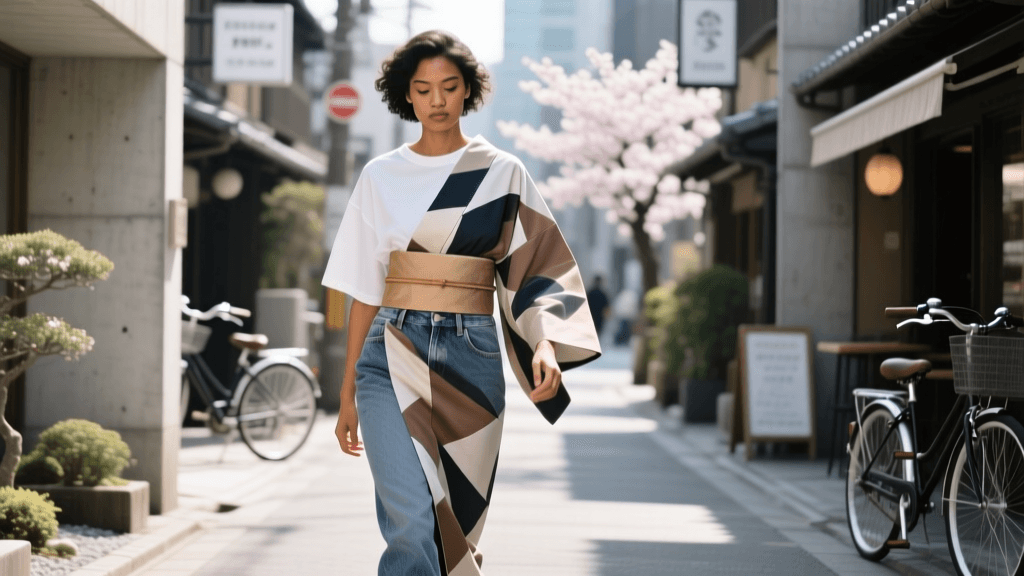
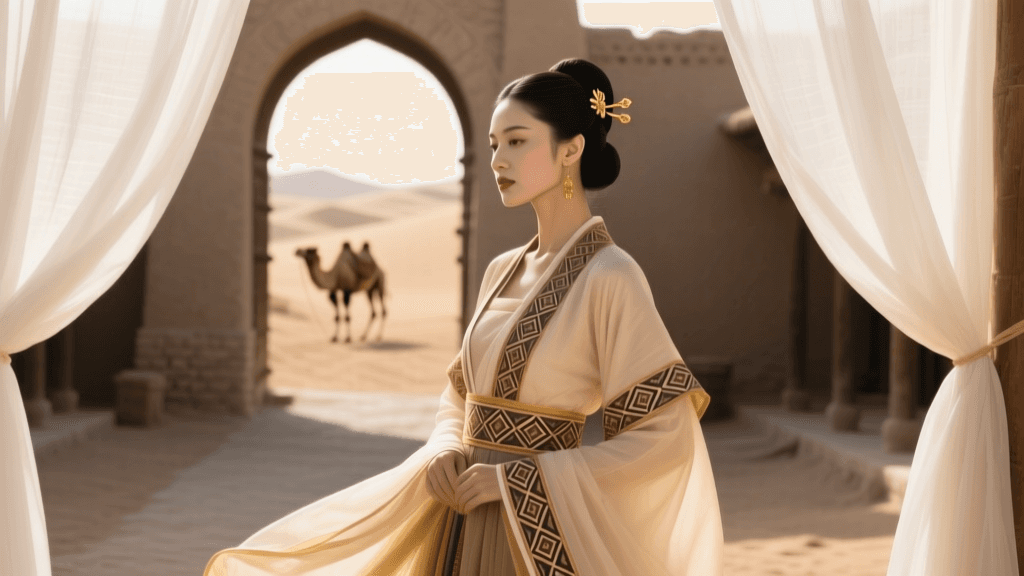
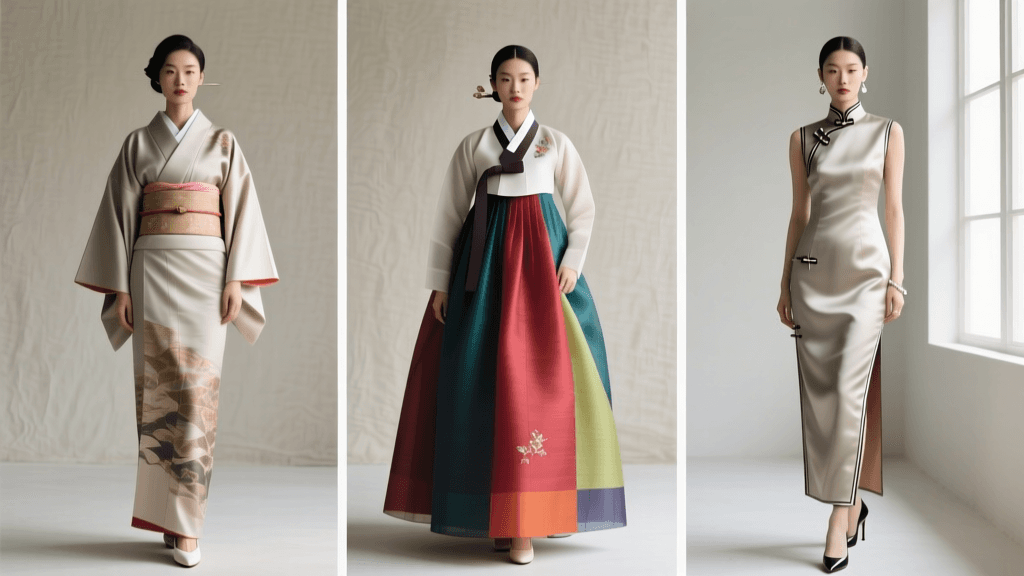
As the Xin Zhongshi (new Chinese style) movement continues to dominate global fashion in 2026, traditional Chinese garments have transitioned from niche collector items to everyday luxury wardrobes. With authentic silk brocades, intricate Song-style weaves, and premium Xiangyunsha (gambiered silk) commanding significant investments, preserving these textiles is no longer optional. Proper Hanfu storage rotation and seasonal maintenance are critical to preventing fabric degradation, color fading, and structural damage. This comprehensive 2026 guide provides actionable, museum-grade techniques tailored specifically for traditional Asian garments, ensuring your collection remains pristine for generations.
Understanding Hanfu Fabrics and Their Vulnerabilities
Before implementing a storage rotation schedule, it is vital to understand the unique properties of the fabrics used in Hanfu construction. Different materials react differently to light, humidity, and physical stress.
- Mulberry Silk and Brocade: Highly prized for its luster and drape, silk is a protein fiber that is exceptionally vulnerable to ultraviolet (UV) light, high humidity, and alkaline substances. Prolonged exposure to direct sunlight will cause irreversible yellowing and fiber brittleness.
- Xiangyunsha (Gambiered Silk): This heritage fabric is dyed with薯莨 (shoulang yam) juice and coated with river mud. The resulting dark, crisp textile requires specific care; it must never be stored in overly dry conditions, as the natural coating can crack and peel.
- Linen and Ramie: Often used for summer Ruqun (top and skirt sets) and inner garments, these cellulose fibers are highly breathable but prone to deep, permanent creasing if folded improperly under weight.
- Modern Synthetic Blends: Many 2026 entry-level Hanfu utilize polyester or nylon blends. While more resilient to moisture and pests, these fabrics can trap static electricity and odors if stored in non-breathable plastic environments.
The 2026 Seasonal Rotation Schedule
Rotating your Hanfu collection aligns with the changing climate and ensures that garments are inspected, aired out, and cleaned before long-term storage. In 2026, textile conservators recommend a strict bi-annual rotation schedule, supplemented by quarterly inspections.
Spring to Summer Transition (April - May)
As the weather warms, heavy winter Ao (jackets) and lined cloaks must be prepared for storage. This is the time to professionally clean any garments worn during the Lunar New Year and spring festivals. Summer garments made of lightweight gauze, linen, and thin silk are brought out. Before wearing, allow summer garments to air out in a shaded, well-ventilated room for 24 hours to remove any stagnant storage odors.
Autumn to Winter Transition (October - November)
Lightweight summer Hanfu are cleaned and stored away. This is the critical period to prepare your storage environment for winter. Ensure that the humidity in your garment room is stabilized, as indoor heating during the winter months can drastically drop relative humidity (RH), which is particularly damaging to Xiangyunsha and embroidered silk threads.
Folding vs. Hanging: Specific Garment Guidelines
One of the most common mistakes enthusiasts make is applying Western wardrobe standards to traditional Asian garments. The structural integrity of Hanfu relies on specific folding and hanging techniques.
The Mamianqun (Horse-Face Skirt)
The Mamianqun is defined by its intricate, symmetrical pleats. Hanging a heavy silk brocade Mamianqun for long periods will cause the waistband to stretch and the pleats to lose their sharpness due to gravity. According to guidelines on textile preservation from the Library of Congress, heavy garments should be stored flat to prevent stress on the fibers. For Mamianqun, use an accordion-folding method: place acid-free tissue paper inside each pleat to maintain the fold memory, then lay the skirt flat in an archival storage box.
Ruqun and Ao (Tops and Jackets)
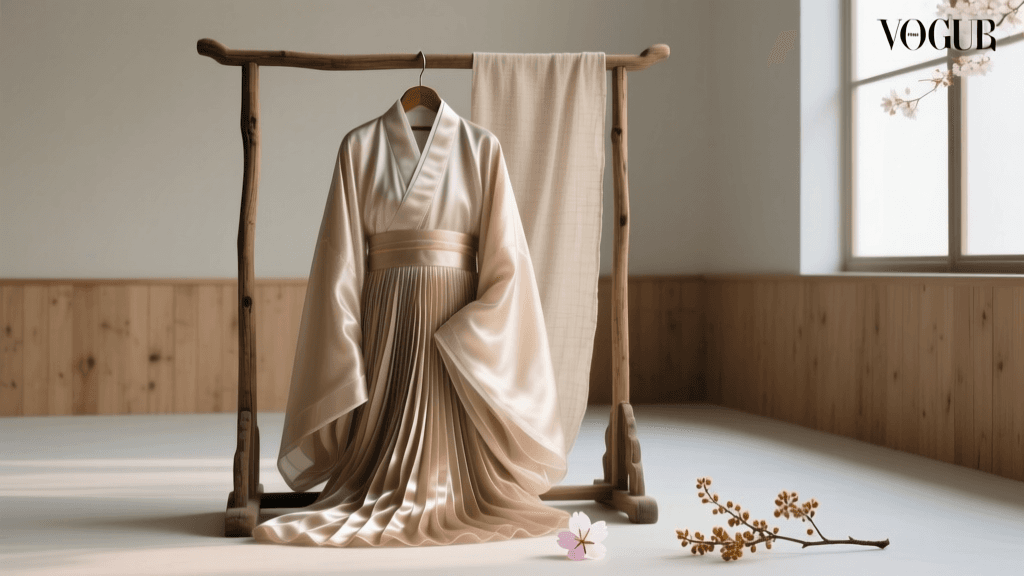
Lightweight tops and unlined jackets can be hung, but never on wire or thin wooden hangers. Use wide, padded hangers covered in unbleached cotton muslin to support the shoulder seams without creating dimples. For heavily embroidered Ao, the weight of the embroidery can distort the fabric over time; these should be folded and stored flat.
Essential Archival Storage Materials for 2026
The materials that come into direct contact with your Hanfu must be chemically inert. The Victoria and Albert Museum strongly advises against storing heritage textiles in standard plastic dry-cleaning bags, as these trap moisture and emit volatile organic compounds (VOCs) that degrade silk proteins. Below is a comparison chart of recommended storage materials for your 2026 Hanfu wardrobe.
| Garment Type | Primary Fabric | Recommended Storage Method | Maintenance Frequency |
|---|---|---|---|
| Mamianqun (Pleated Skirt) | Silk Brocade / Polyester | Flat fold with acid-free tissue in pleats, placed in archival cotton boxes | Bi-annual rotation, quarterly inspection |
| Ao (Lined Jacket) | Heavy Silk / Wool Blend | Wide padded hanger inside an unbleached muslin garment bag | Seasonal airing, annual professional cleaning |
| Ruqun (Summer Set) | Lightweight Chiffon / Ramie | Rolled around acid-free cardboard tubes to prevent hard creases | Bi-annual rotation |
| Xiangyunsha Outerwear | Gambiered Mulberry Silk | Hanging in a dark, climate-controlled cedar closet (45-55% RH) | Bi-annual conditioning, avoid folding |
Climate Control and Smart Monitoring
Temperature and humidity fluctuations are the silent killers of traditional textiles. The ideal environment for storing silk and linen Hanfu is a stable temperature of 65°F to 70°F (18°C to 21°C) with a relative humidity (RH) between 45% and 55%. As noted by the Victoria and Albert Museum, high humidity encourages mold growth and attracts silverfish, while low humidity causes fibers to become brittle and snap.
In 2026, integrating smart home technology into your garment care routine is highly accessible. Utilizing WiFi-enabled smart hygrometers, such as the Govee H5179 or SwitchBot Sensor, allows you to monitor your wardrobe's microclimate directly from your smartphone. If the RH drops below 40% during winter, use a localized ultrasonic humidifier in the room (never inside the closet). If the RH exceeds 60% during the humid summer months, employ a desiccant dehumidifier or silica gel cassettes specifically designed for wardrobe use.
Pest Management and Cleaning Protocols
Silk and wool are prime targets for clothes moths and carpet beetles. However, traditional chemical mothballs containing naphthalene or paradichlorobenzene are strictly forbidden for Hanfu care. These chemicals react with the metallic threads often used in traditional embroidery, causing them to tarnish and turn black. Furthermore, the odor is nearly impossible to remove from porous silk fibers.
Instead, rely on natural, non-toxic deterrents. Aromatic cedarwood blocks and dried lavender sachets are excellent alternatives. Place them in the corners of your storage boxes or hang them in the closet, but ensure they never touch the fabric directly, as the natural oils in cedar and lavender can stain delicate silks. Refresh cedar blocks by lightly sanding them every six months to release their natural protective oils.
Pre-Storage Cleaning Rules
Never store a Hanfu garment that has been worn without cleaning it first. Human sweat, body oils, and invisible food stains will oxidize over time, leaving permanent yellow or brown spots on silk. While dry cleaning is common, the harsh chemicals used in traditional perc (perchloroethylene) dry cleaning can strip the natural sericin from silk, leaving it dull. In 2026, seek out professional 'wet cleaning' services that specialize in heritage textiles and traditional Asian garments. For everyday synthetic or linen Hanfu, gentle hand washing with a pH-neutral silk detergent in cold water, followed by flat drying away from direct sunlight, remains the gold standard.
Conclusion
Preserving your Hanfu collection requires a blend of historical appreciation and modern conservation science. By understanding the unique needs of fabrics like Xiangyunsha and silk brocade, utilizing archival-grade storage materials, and maintaining a strict seasonal rotation schedule, you protect both the financial and cultural value of your garments. As the Xin Zhongshi movement continues to evolve, treating your traditional wardrobe with museum-level care ensures that these beautiful pieces of Asian heritage remain vibrant and wearable for decades to come.