Kimono vs Hanbok vs Cheongsam: 2026 Formal Wear Guide
The Resurgence of Traditional Asian Formalwear in 2026
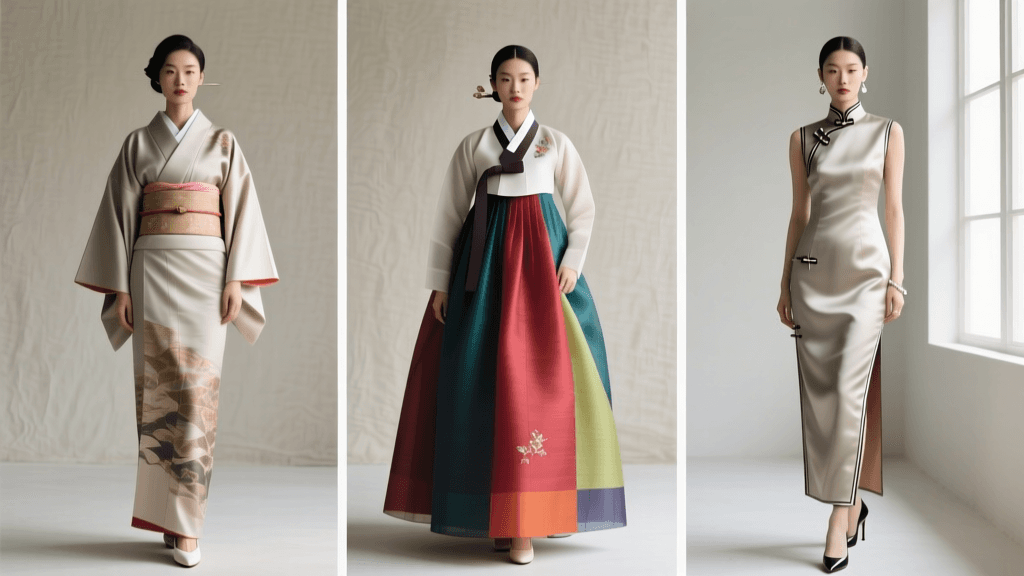
As we navigate the 2026 global wedding and gala season, traditional Asian garments have transcended cultural boundaries to become highly sought-after statements of elegance, heritage, and sartorial artistry. Whether you are attending a high-society charity gala, a traditional wedding, or a milestone anniversary celebration, choosing the right heritage garment requires an understanding of its unique construction, fit, and modern styling nuances. The three most prominent silhouettes in this space—the Japanese kimono, the Korean hanbok, and the Chinese cheongsam (qipao)—each offer distinct aesthetic and structural advantages. This comprehensive guide compares these three iconic garments to help you make an informed, culturally respectful, and visually stunning choice for your 2026 formal wardrobe.
1. The Kimono (Japan): Structured Elegance and Linear Geometry
Silhouette and Construction
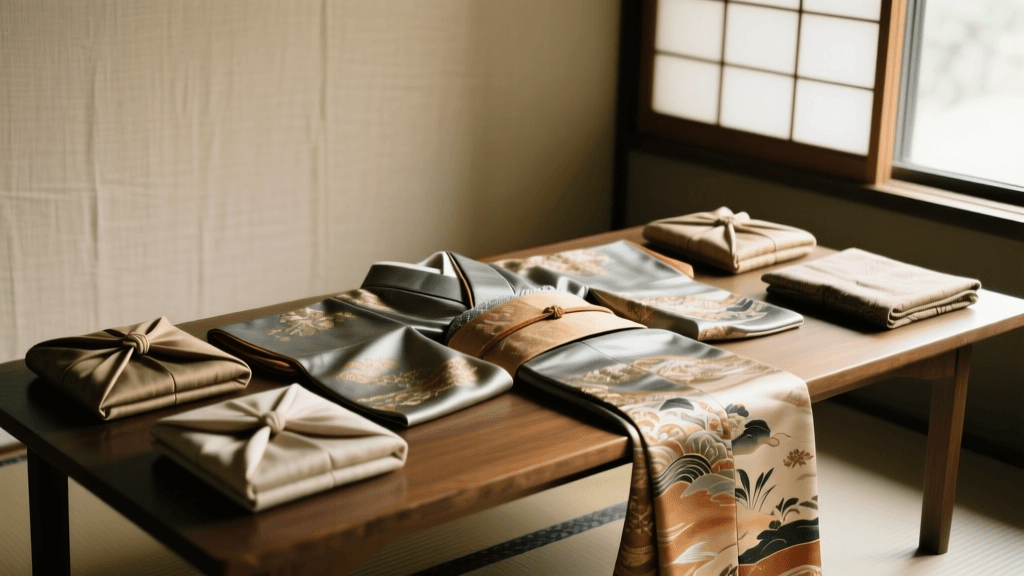
The kimono is defined by its T-shaped, straight-seamed construction. Unlike Western garments that are cut to follow the curves of the body, the kimono relies on a series of precise folds and the strategic use of the obi (sash) to create its signature cylindrical silhouette. According to Encyclopædia Britannica's comprehensive guide to the Kimono, the garment is traditionally constructed from a single bolt of fabric (tanmono), which dictates a standard width of roughly 14 to 15 inches. This linear geometry means that the kimono is inherently adjustable, making it a versatile option for various body types without the need for complex structural alterations.
2026 Formal Styling and Sizing
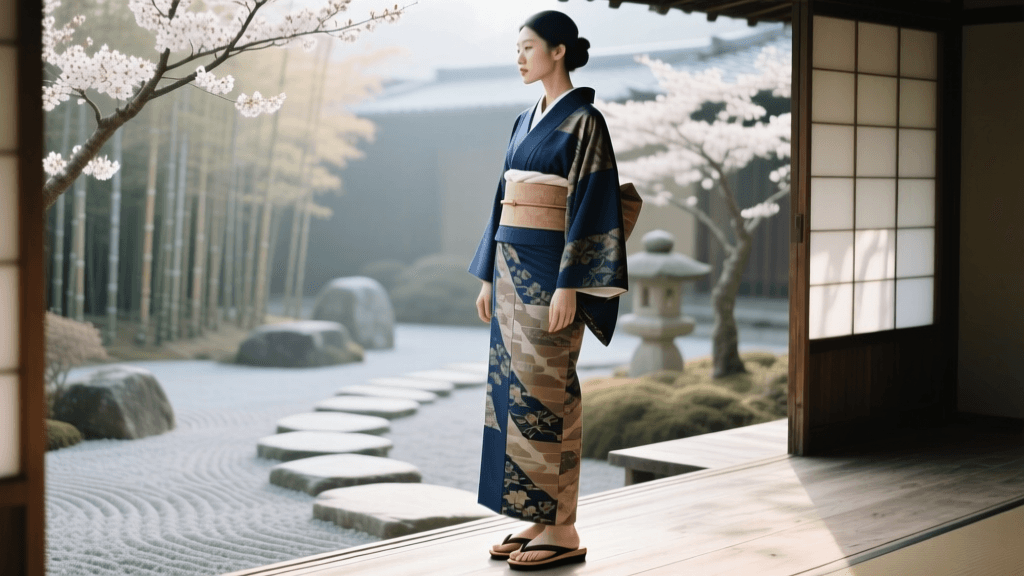
For formal events in 2026, the furisode (featuring long, swinging sleeves) remains the pinnacle of attire for unmarried women, while the tomesode (shorter sleeves with patterns below the waist) is the standard for married women. A critical element of wearing the kimono correctly is the ohashori—the horizontal fold at the waist that adjusts the garment's length to the wearer's exact height. In 2026, modern stylists are pairing traditional silk kimonos with minimalist, contemporary obi knots and subtle metallic accessories to bridge the gap between heritage and modern high fashion.
Cost and Sourcing
Bespoke silk kimonos remain a luxury investment. As of 2026, a custom, hand-painted formal kimono crafted by artisans in Kyoto or Kanazawa typically ranges from $4,500 to over $12,000, excluding the obi and accessories. For those seeking more accessible options, high-end rental services in major metropolitan cities offer pristine, salon-quality furisode and tomesode sets for $250 to $600 per day, complete with professional dressing services (kitsuke).
2. The Hanbok (Korea): Voluminous Grace and Vibrant Contrast
Silhouette and Construction
The hanbok is celebrated for its sweeping, voluminous lines and striking color contrasts. The traditional women's ensemble consists of the jeogori (a cropped, fitted jacket) and the chima (a high-waisted, full, bell-shaped skirt). As noted in historical records of the Hanbok, the garment is designed to conceal the body's natural shape, instead creating a flowing, bell-like silhouette that moves beautifully with the wearer. The goreum (the long, elegant ribbon ties at the front of the jeogori) serves as both a functional closure and a focal point of the outfit.
2026 Formal Styling and Sizing
In 2026, the modernized formal hanbok has seen a surge in popularity for galas and red-carpet events. Designers are utilizing lightweight silk organza, tulle, and metallic-threaded brocades to give the voluminous chima a more ethereal, structured quality without the heavy weight of traditional layered cottons. The jeogori has also seen subtle modernizations, with slightly elongated hemlines and refined, narrower sleeves to accommodate contemporary formal aesthetics. Because the chima is tied above the bust and the jeogori is secured via adjustable ribbons, the hanbok is incredibly forgiving in terms of sizing and weight fluctuations.
Cost and Sourcing
A bespoke, designer formal hanbok in 2026 generally costs between $1,200 and $4,500, depending on the complexity of the embroidery (such as gold-leaf geumbak stamping) and the quality of the silk. Ready-to-wear premium hanbok brands offer elegant, machine-washable silk blends starting around $400, making it an accessible entry point for those attending cultural ceremonies or themed formal dinners.
3. The Cheongsam / Qipao (China): Tailored Precision and Sculptural Fit
Silhouette and Construction
Unlike the kimono and hanbok, the cheongsam (or qipao) is renowned for its form-fitting, sculptural silhouette. Originating in the 1920s and evolving through the decades, the modern cheongsam features a high mandarin collar, an asymmetrical front closure secured by intricate pankou (knotted buttons), and strategic side slits for mobility. The evolution of the Qipao highlights its transition from a loose, modest garment to a symbol of modern femininity and tailored precision, heavily influenced by Western sartorial techniques in the mid-20th century.
2026 Formal Styling and Sizing
For 2026 formalwear, the cheongsam is the ultimate expression of bespoke tailoring. The most coveted fabric this year is Xiangyunsha (a heritage mud-dyed silk from Guangdong) and heavy silk crepe de chine. The fit of a cheongsam is uncompromising; it requires exact measurements of the bust, waist, hips, shoulder width, and back length. In 2026, formal variations include the 'A-line' cheongsam for a more forgiving fit, and the traditional 'pencil' cut for a dramatic, red-carpet-ready look. Sleeve lengths can be customized, but the sleeveless or cap-sleeve variations remain the most popular for evening galas, often paired with structured boleros or silk shawls.
Cost and Sourcing
Because the cheongsam requires meticulous, body-contouring tailoring, the cost is heavily tied to the artisan's skill. In 2026, a master-tailored, bespoke cheongsam in Shanghai, Hong Kong, or a specialized Western boutique will cost between $800 and $5,000. The intricate, hand-rolled edges and custom-knotted pankou buttons can add dozens of hours of handwork to a single garment.
Comparative Analysis: Kimono vs. Hanbok vs. Cheongsam
To help you decide which garment best suits your 2026 formal event, consult the comparison table below:
| Feature | Kimono (Japan) | Hanbok (Korea) | Cheongsam / Qipao (China) |
|---|---|---|---|
| Silhouette | Cylindrical, linear, structured | Voluminous, bell-shaped, flowing | Form-fitting, sculptural, tailored |
| Fit & Sizing | Adjustable via folding (ohashori) | Forgiving, tied above bust/waist | Exact, requires precise bespoke tailoring |
| Formality Level | Extremely High (Furisode/Tomesode) | High to Extremely High (Dangui/Chima) | High (Silk, embroidered, full-length) |
| 2026 Bespoke Cost | $4,500 - $12,000+ | $1,200 - $4,500 | $800 - $5,000 |
| Best For | Traditional weddings, tea ceremonies, high-formal cultural galas | Cultural celebrations, dynamic movement, outdoor formal events | Red carpets, evening banquets, modern cocktail-to-gala transitions |
Actionable Buying and Wearing Advice for 2026
1. Tailoring Timelines
If you are commissioning a bespoke garment for a late 2026 event, timing is critical. A hand-woven and hand-painted kimono can take 6 to 12 months to complete. A bespoke cheongsam requires a minimum of 3 to 4 fittings over 8 to 12 weeks. A custom hanbok can often be completed in 4 to 6 weeks. Always book your initial consultation at least four months prior to your event date.
2. Undergarments and Foundations
The foundation garments dictate the success of these silhouettes. For the kimono, you must wear a hadajuban (under-kimono) and use padding around the waist and hips to create the ideal cylindrical shape; curves will cause the obi to sit unevenly. For the hanbok, a modern petticoat or structural hoop is often worn beneath the chima to maintain the bell shape without adding heavy layers of fabric. For the cheongsam, seamless, high-control shapewear is essential to ensure the silk crepe de chine drapes flawlessly without revealing seam lines.
3. Footwear Considerations
Footwear can make or break your comfort and posture. When wearing a kimono, traditional zori sandals paired with tabi socks are mandatory for formal events; ensure the zori heel is slightly elevated to keep the kimono hem off the floor. For the hanbok, traditional floral shoes (kkotshin) are beautiful but offer little arch support for long galas; many modern wearers opt for discreet, pointed-toe velvet flats or low block heels hidden beneath the voluminous skirt. The cheongsam pairs best with a classic stiletto or an elegant, strappy sandal, as the side slits will prominently display your footwear with every step.
Conclusion
Choosing between the kimono, hanbok, and cheongsam for a 2026 formal event ultimately comes down to your personal style, the nature of the event, and your willingness to embrace the unique structural requirements of each garment. The kimono offers unparalleled structural artistry and heritage weight; the hanbok provides romantic volume and graceful movement; and the cheongsam delivers sharp, modern, and sophisticated tailoring. By understanding the distinct construction, fit, and sourcing realities of these three masterpieces of Asian tradition, you can step into your next formal engagement with confidence, cultural appreciation, and impeccable style.